Top 5 Castles around Saint-Antoine
Best castles around Saint-Antoine are found in a region characterized by its mountainous terrain and historical significance. Located in the French Jura near the Swiss border, this area features a strategic gorge that has historically been important for defense and trade routes. The landscape includes valleys and rocky outcrops, providing natural fortifications for historical structures. This region offers a blend of natural beauty and centuries of history.
Best castles around Saint-Antoine
- The most popular castles is Passage at the foot…
Last updated: June 24, 2026
La Cluse-et-Mijoux
Highlight • Settlement
Translated by Google •
Tip by

Joux Castle
Highlight • Castle
Translated by Google •
Tip by

Sign up now to discover places like this
Get recommendations on the best single tracks, peaks, & plenty of other exciting outdoor places.
Sign up for free
Passage at the foot of Château de Joux and the ruins of Fort Mahler
Highlight • Castle
Translated by Google •
Tip by

View of the Château de Joux
Highlight • Castle
Tip by

Joux Castle
Highlight • Castle
The castle is located at a strategically important location above …
Translated by Google •
Tip by

Sign up for free to discover even more castles around Saint-Antoine.
Sign up for free
Already have an account?
Start today with a free account
Your next adventure awaits.
Login or Signup
Tips from the Community

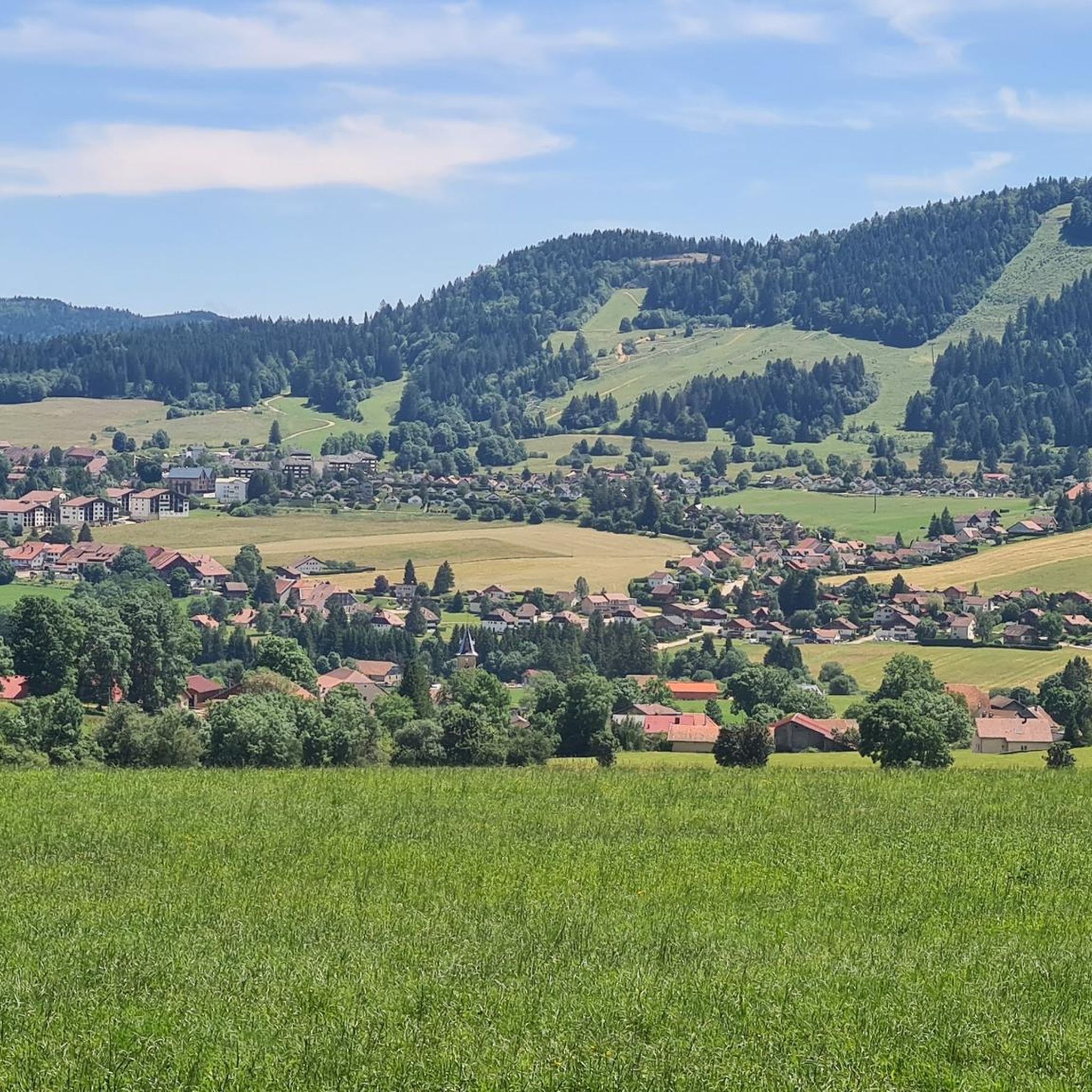
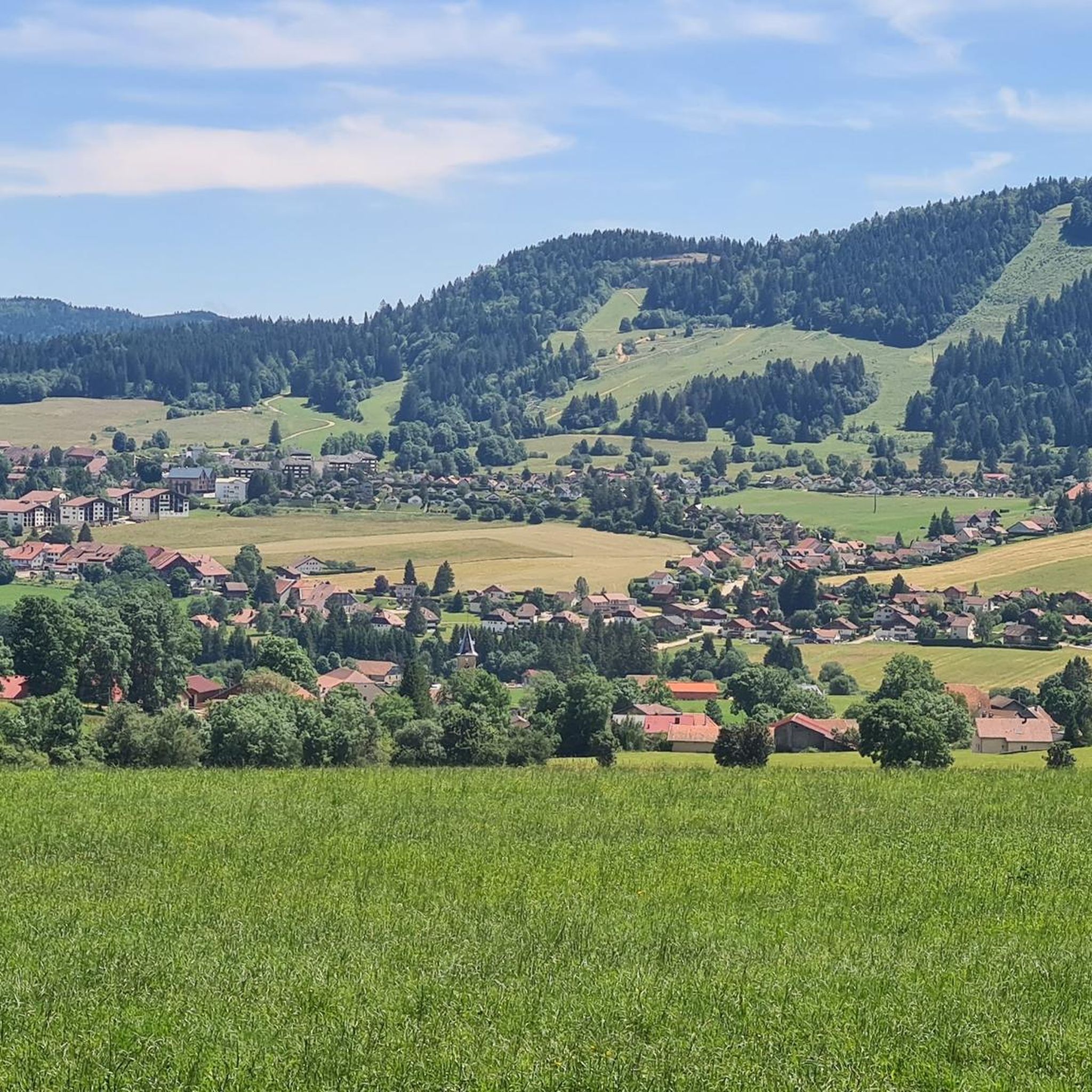
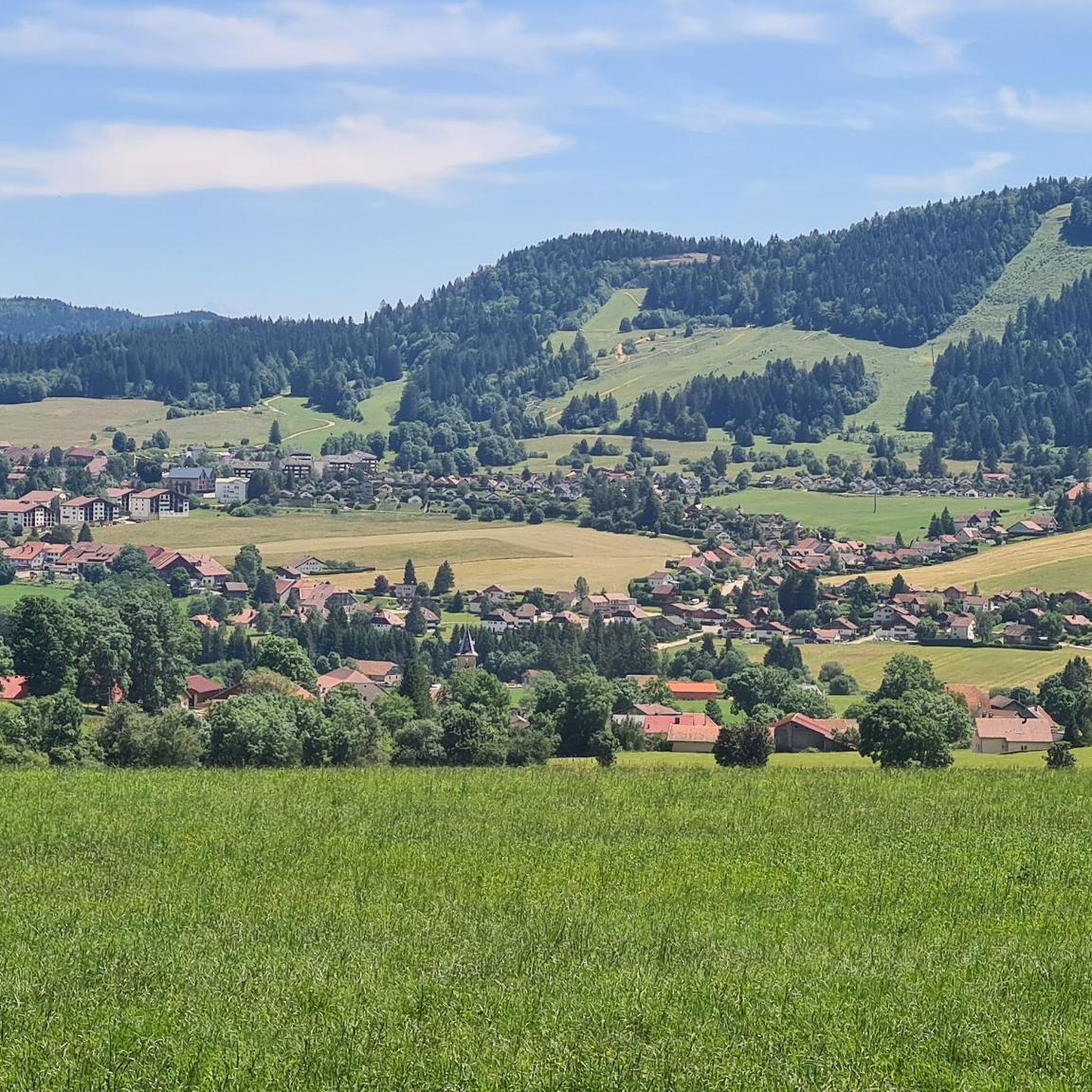
La Cluse-et-Mijoux is a pretty village nestled at the bottom of a valley in the Jura Mountains. Busy with cars heading to Switzerland, the town boasts a wide range of shops and services. History buffs can visit Fort de Joux or Fort Malher, which overlook La Cluse-et-Mijoux. Several chapels (Saint-Léger and Saint-Claude) also dot the outskirts of the town.
1
0

The complex is impressive even from the outside and, despite its 1,000-year-old and eventful history, is still in good condition. It has been continuously modernized to accommodate the latest military and artillery technologies.
2
0

Village located between the Joux fortified castle and Fort Malher
0
0

Section of road passing through a gorge with the Château de Joux on the heights on one side and the ruins of the lower Fort du Larmont, or Fort Mahler, on the other. This second, built in the 19th century, had the mission of protecting the Château de Joux.
0
0

The view of the mountain fortress of Château de Joux and the Fort du Larmont Inférieur is impressive.
1
0

Unfortunately very heavy traffic, at least on Sunday evening
0
0
La Cluse-et-Mijoux is a pretty village nestled at the bottom of a folded valley in the Jura massif. Highly frequented by cars traveling to Switzerland, the town has a good range of shops and services. History buffs can go to Fort de Joux or Fort Malher, which overlook Cluse-et-Mijoux. Also, several chapels (Saint-Léger and Saint-Claude) live around the city.
1
0

The Château de Joux (or Fort de Joux) is a fortified castle near Pontarlier, in Franche-Comté, in the French Jura. The castle is located at a strategically important location above the small town of La Cluse-et-Mijoux. The Dijon-Lausanne trade route crossed the Jura mountains here. The road crosses a rocky cliff and could therefore be easily controlled from the castle.
0
0
Frequently Asked Questions
What kind of castles can I expect to see around Saint-Antoine?
The region around Saint-Antoine, located in the French Jura near the Swiss border, is characterized by its strategic importance. You'll find a mix of fortified castles, medieval structures, and military forts. These include ancient fortresses like the 11th-century Joux Castle, which served as a medieval castle, border fortress, state prison, and artillery fort, as well as 19th-century defensive positions like Fort Mahler.
Are there any viewpoints to see the castles from a distance?
Yes, there are excellent viewpoints. The View of the Château de Joux offers a spectacular perspective of the fort standing high on its rocky spur. Additionally, the Point de vue sur le fort Malher provides a beautiful vista of Fort Malher, also known as Lower Larmont Fort, which overlooks the village of La Cluse-et-Mijoux.
What is the historical significance of the castles in this region?
The castles around Saint-Antoine are deeply rooted in history due to the region's strategic location in a gorge. Joux Castle, for instance, has a thousand-year-old history, continuously modernized to adapt to military technologies. It famously served as a state prison, notably for the Haitian revolutionary Toussaint Louverture. The 19th-century Fort Mahler was built specifically to protect the Château de Joux, highlighting the area's ongoing defensive importance.
Are there family-friendly options among the castles?
While the castles themselves are historical sites, the village of La Cluse-et-Mijoux, nestled in the Jura Mountains, is considered family-friendly. It's located near Fort de Joux and Fort Malher, offering a base for exploring the historical sites. The general area provides a blend of natural beauty and history that can be enjoyed by families.
What outdoor activities can I do near these castles?
The region offers various outdoor activities. You can find numerous routes for gravel biking, hiking, and road cycling. For example, the hiking guide around Saint-Antoine includes routes like the 'Fort Saint-Antoine – Sheltered Picnic Area loop'. For cycling enthusiasts, the gravel biking guide features routes such as 'Mouthe peat bog – View of the Château de Joux loop'.
What is the best time to visit the castles around Saint-Antoine?
The region's mountainous terrain means that spring, summer, and early autumn generally offer the most pleasant weather for exploring the castles and surrounding areas. During these seasons, you can enjoy hiking and cycling routes more comfortably. Winter can be beautiful but may present challenges with snow and ice, and some facilities might have reduced opening hours.
Are there any towns or villages nearby where I can find amenities?
Yes, La Cluse-et-Mijoux is a village nestled in the valley, highly frequented by travelers heading to Switzerland. It boasts a good range of shops and services, making it a convenient spot for amenities while visiting the nearby Fort de Joux and Fort Malher.
How long does it typically take to tour a castle like Château de Joux?
A visit to Joux Castle can vary, but typically, visitors spend 1.5 to 3 hours exploring its various sections, including the museum, ramparts, and historical rooms. It's recommended to check the official website for specific tour options and durations.
What do visitors enjoy most about the castles in this area?
Visitors frequently highlight the impressive nature of the fortifications, especially Joux Castle, even from the outside. The rich and eventful 1,000-year history, combined with the strategic location and the spectacular views from various points, are often mentioned as key attractions. The blend of natural beauty and historical significance is also highly appreciated.
Are there any specific routes that pass directly by the castles?
Yes, the Passage at the foot of Château de Joux and the ruins of Fort Mahler is a section of road that goes through a gorge, with the Château de Joux on the heights on one side and the ruins of Fort Mahler on the other. This route offers a direct and immersive experience of the strategic landscape.
Can I find information about the castles' history on site?
Yes, Joux Castle, for example, offers detailed information about its past as a medieval castle, border fortress, state prison, and artillery fort. The complex is well-maintained and provides insights into its continuous modernization to accommodate military and artillery technologies throughout its history. Guided tours are often available to enhance the historical understanding.
Most popular routes around Saint-Antoine
Most popular attractions around Saint-Antoine

Get inspired with the komoot mobile app


Explore more
Looking for the best castles somewhere else? Discover other guides around Saint-Antoine:
