The best cycling routes around Joinville-Le-Pont
4.2
(3910)
39,187
riders
27
rides
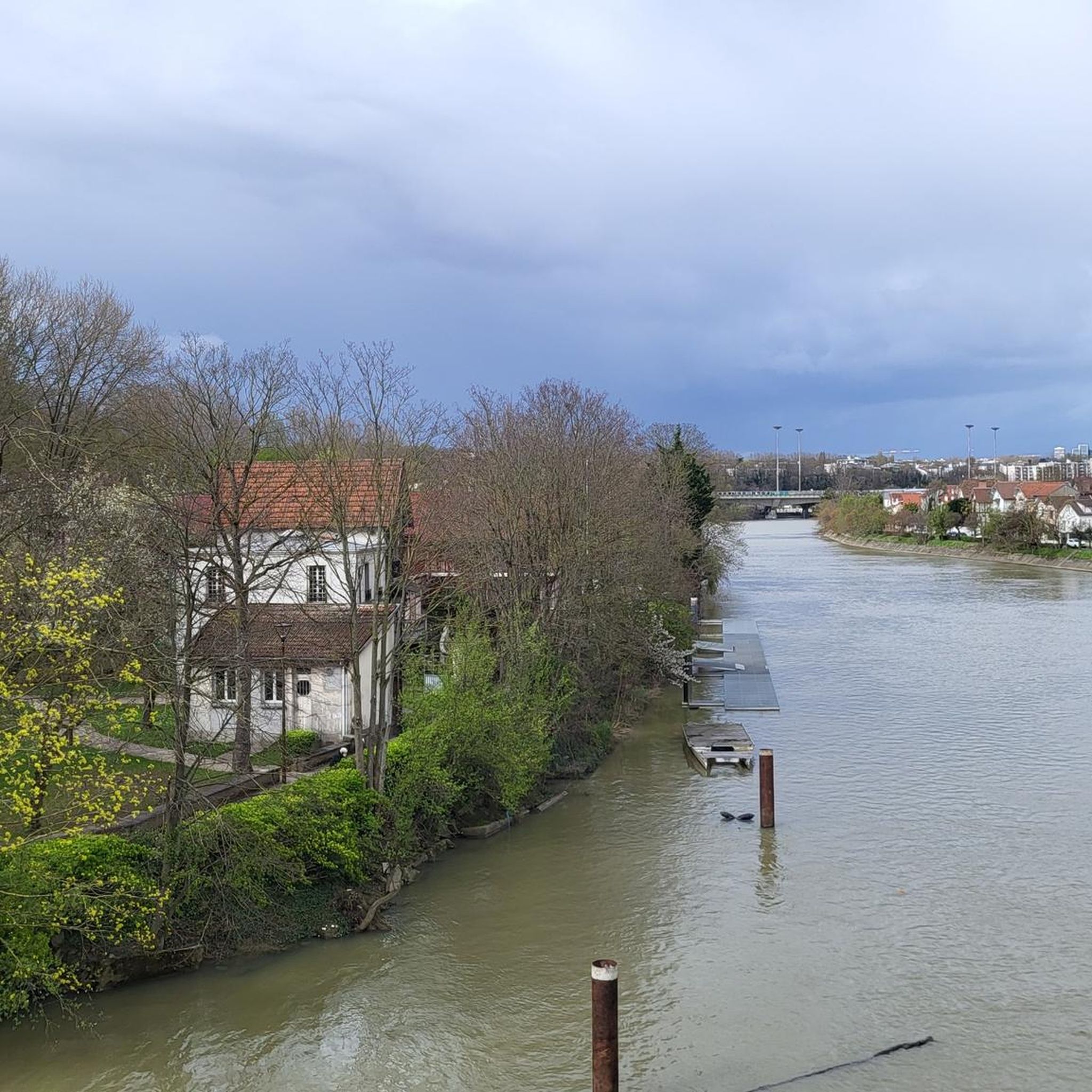
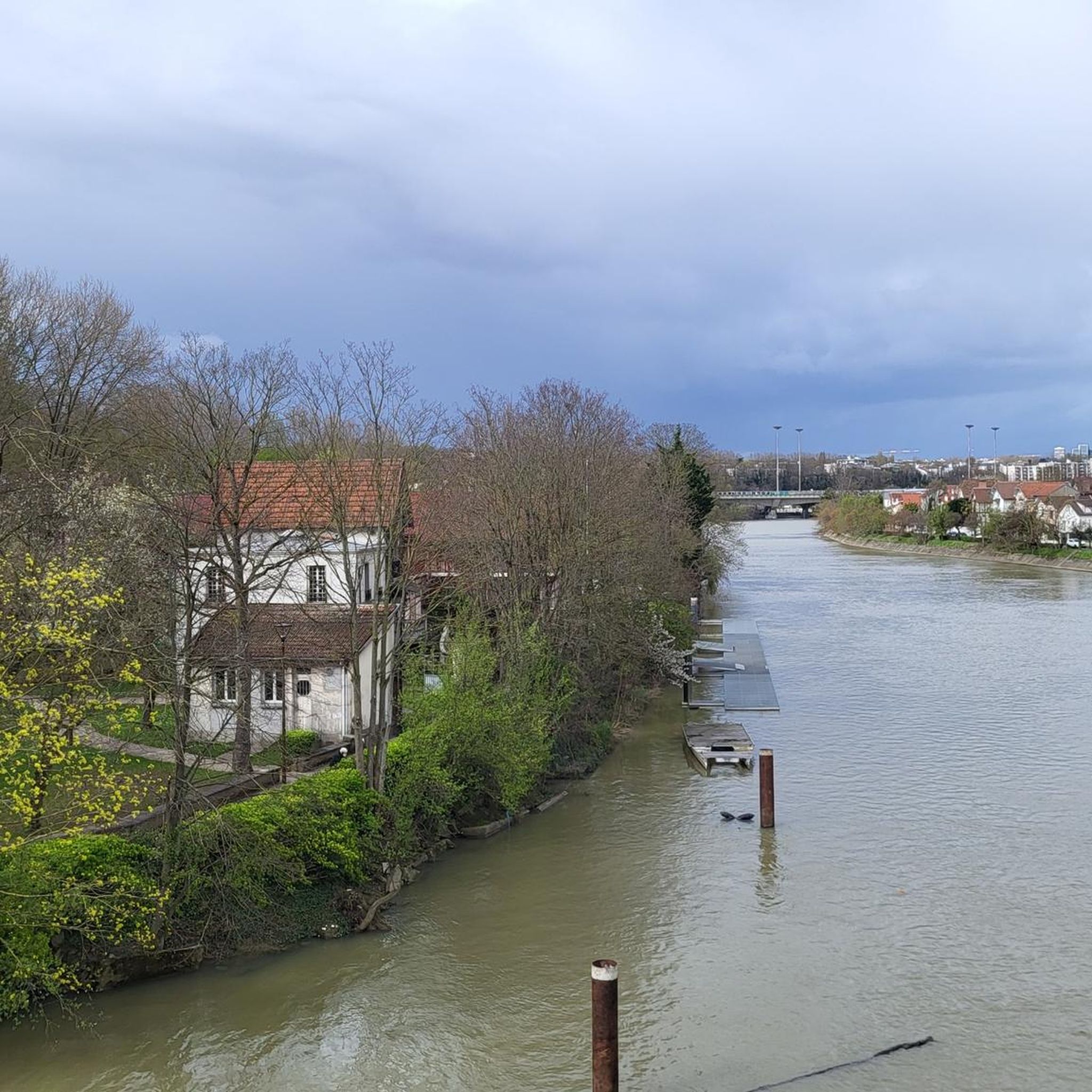
Touring cycling around Joinville-Le-Pont offers routes along the Marne River, through expansive green spaces, and near the Bois de Vincennes. The terrain is generally flat to gently rolling, with predominantly paved surfaces suitable for various cycling abilities. The area is characterized by its riverside scenery, historic bridges, and proximity to significant Parisian green lungs, providing a blend of natural beauty and cultural points of interest.
Best touring cycling routes around Joinville-Le-Pont
- The most popular touring cycling route is Alexandre III Bridge – Eiffel Tower and Quai d'Orsay loop from Joinville-le-Pont, a 23.3 miles (37.4 km) trail that takes 2 hours 12 minutes to complete. This route extends into Paris, offering views of iconic landmarks along the Seine.
- Another top favourite among local touring cyclists is Marne Loop – Marne riverbank cycle path loop from Joinville-le-Pont, an easy 12.0 miles (19.4 km) path. This route follows the tranquil Marne riverbanks, providing a scenic and accessible ride.
- Local touring cyclists also love the Canal Saint-Martin – Vincennes Castle loop from Joinville-le-Pont, a 17.5 miles (28.2 km) trail leading through urban waterways and historical parkland, often completed in about 1 hour 41 minutes.
- Touring cycling around Joinville-Le-Pont is defined by the Marne River, the Bois de Vincennes, and numerous green spaces. The network offers options for different ability levels, from easy riverside paths to longer routes with moderate elevation changes.
- The routes in Joinville-Le-Pont are highly rated by the komoot community with an average score of 4.1 stars from over 850 reviews. More than 10,000 touring cyclists have used komoot to explore Joinville-Le-Pont's varied terrain.
Last updated: May 11, 2026
4.5
(68)
591
riders
32.5km
01:56
120m
120m
Easy bike ride. Great for any fitness level. Mostly paved surfaces. Suitable for all skill levels.
5.0
(6)
50
riders
28.6km
01:42
140m
140m
Easy bike ride. Great for any fitness level. Mostly paved surfaces. Suitable for all skill levels.

Sign up for free
3.0
(1)
36
riders
81.4km
04:52
340m
340m
Moderate bike ride. Good fitness required. Mostly paved surfaces. Suitable for all skill levels.
44
riders
Moderate bike ride. Good fitness required. Mostly paved surfaces. Suitable for all skill levels.
3.0
(1)
38
riders
84.1km
05:06
370m
370m
Hard bike ride. Very good fitness required. Mostly paved surfaces. Suitable for all skill levels.
Get access to more routes and recommendations from other explorers.
Sign up for free
Already have an account?
Our route recommendations are based on thousands of hikes, rides, and runs completed by other people on komoot.
Start today with a free account
Your next adventure awaits.
Login or Signup


Tips from the Community

The Luxor Obelisk on the Place de la Concorde is the oldest monument in Paris. It is well over 3,000 years old and originally came from Egypt. Here are the most important facts about its history and the monument: Origin and Age Location in Egypt: It originally stood with a second obelisk in front of the entrance to the Luxor Temple. Time: It was made during the reign of Pharaoh Ramses II (13th century BC). The Gift: The viceroy of Egypt, Muhammad Ali Pasha, gave the obelisk to France in 1829 as a sign of friendship. The second obelisk remained in Egypt and was only officially "returned" by France in the 1990s (so it is still in Luxor). Transport to Paris The Journey: The transport was a technical masterpiece. The over 220-ton monolith of granite had to be shipped across the Nile, the Mediterranean Sea, and the Atlantic Ocean to Paris. The journey took almost three years. Erection: It was finally erected in 1836 under King Louis-Philippe I in the center of the Place de la Concorde. This location was deliberately chosen as a "neutral" monument to cover up the bloody history of the square during the French Revolution. Special Features Hieroglyphs: The inscriptions praise the deeds of Ramses II. The Golden Tip: The original tip was missing (it was probably stolen in ancient times). In 1998, France placed a new pyramid tip covered with gold leaf on the obelisk, as it would have looked in ancient Egypt. The Base: Diagrams are engraved on the base, explaining with which lifting devices and machines the obelisk was erected in the 19th century. Dimensions It is about 23 meters high and consists of a single piece of yellow granite.
0
0

Because of the good relations with Egypt, Mehemet Ali, the viceroy of Egypt, presented them with the 3,000-year-old obelisk from Luxor. Its four sides depict the deeds of Ramesses II, dating back to the 13th century BC. King Louis-Philippe, in gratitude for the obelisk, presented Mehemet Ali with a clock, which now stands in the courtyard of the Mohammed Ali Mosque in Cairo. The 23-meter-high, 230-ton colossus was a significant undertaking to bring to France. This is why it is proudly inscribed on the obelisk's pedestal. And rightly so, since we are, of course, talking about 1836. It's a good thing, by the way, that French people generally can't read hieroglyphs, otherwise it would never have been erected. The deeds of Ramesses II, which are described on the Obelisk, in some cases concern his sexual acts and, according to ‘the needle’ (The Obelisk), these were not insignificant.
1
0

The Petit Palais is a former exhibition pavilion of the 1900 Universal Exposition held in Paris. It was built between 1897 and 1900 and now houses the municipal Museum of Fine Arts. It is one of the 14 museums of the city of Paris.
6
0

Paris center on a sunny Sunday
1
1


From the Port de la Bastille to La Villette, this canal offers you spots for a picnic, bars and cafes, places to dance in the summer or even play boules.
1
1

Attention to Sunday walkers and cyclists
0
0
Frequently Asked Questions
How many touring cycling routes are available around Joinville-Le-Pont?
There are over 25 touring cycling routes available around Joinville-Le-Pont, offering a variety of options for different skill levels and preferences.
What kind of terrain can I expect on touring cycling routes in Joinville-Le-Pont?
The terrain around Joinville-Le-Pont is generally flat to gently rolling, with predominantly paved surfaces. You'll find routes along the picturesque Marne River, through expansive green spaces like Parc du Tremblay, and near the sprawling Bois de Vincennes.
Are there any family-friendly touring cycling routes in Joinville-Le-Pont?
Yes, Joinville-Le-Pont offers several easy touring cycling routes suitable for families. The Marne Loop – Marne riverbank cycle path loop from Joinville-le-Pont is an excellent choice, following tranquil riverbanks for a scenic and accessible ride.
What do other cyclists say about touring cycling in Joinville-Le-Pont?
The touring cycling routes in Joinville-Le-Pont are highly rated by the komoot community, with an average score of 4.1 stars from over 850 reviews. Cyclists often praise the scenic riverside paths, the blend of natural beauty with cultural points of interest, and the well-maintained surfaces.
Are there touring cycling routes suitable for beginners in Joinville-Le-Pont?
Absolutely. Many routes in Joinville-Le-Pont are classified as easy, perfect for beginners. These often feature minimal elevation gain and follow paved paths, such as the riverside trails along the Marne.
Are there more challenging touring cycling routes for experienced cyclists?
Yes, for more experienced cyclists seeking longer distances and moderate elevation changes, routes like the Footbridge – Greenway merger loop from Joinville-le-Pont offer a greater challenge, covering over 80 km with more significant climbs.
Are there circular touring cycling routes in Joinville-Le-Pont?
Many of the touring cycling routes in Joinville-Le-Pont are designed as loops, allowing you to start and finish in the same location. Examples include the Marne Loop – Marne riverbank cycle path loop from Joinville-le-Pont and the Canal Saint-Martin – Vincennes Castle loop from Joinville-le-Pont.
How can I access the touring cycling routes in Joinville-Le-Pont by public transport?
Joinville-Le-Pont is well-connected by public transport, particularly the RER A train line, which has a station in the town. Many routes start conveniently near the RER A station, making it easy to arrive with your bike and begin your tour.
What are some scenic viewpoints or landmarks I can see along the touring cycling routes?
Cycling routes in Joinville-Le-Pont offer numerous scenic views and landmarks. You can enjoy picturesque views of the Marne River, explore the tranquil Île Fanac, and pass historic bridges like the Pont de Joinville. Longer routes may even take you into Paris, offering views of iconic landmarks like the Eiffel Tower, as seen on the Alexandre III Bridge – Eiffel Tower and Quai d'Orsay loop from Joinville-le-Pont.
Are there any historical sites or attractions near the cycling routes?
Yes, Joinville-Le-Pont and its surroundings are rich in history. You can cycle past the historic Boat House on Île Fanac, explore the Bois de Vincennes which houses the Vincennes Castle, and discover sites related to the town's past as a popular leisure destination with its famous 'guinguettes' along the Marne. The 'Loisirs' circuit guides visitors past many of these sites.
What is the best time of year to go touring cycling in Joinville-Le-Pont?
Spring and autumn generally offer the most pleasant conditions for touring cycling in Joinville-Le-Pont, with mild temperatures and beautiful scenery. Summer can also be enjoyable, especially along the shaded riverbanks and within the Bois de Vincennes, though it can be warmer.
Are there options for food and drink along the cycling routes?
Yes, Joinville-Le-Pont has a vibrant atmosphere with various cafes and restaurants, particularly along the Marne River. You can find places to stop for refreshments, including the famous guinguette 'Chez Gégène', which embodies the town's festive spirit.
Can I combine cycling with other outdoor activities in Joinville-Le-Pont?
Absolutely. Joinville-Le-Pont is an excellent hub for outdoor activities. Besides cycling, you can enjoy walks along the Marne River Promenade, explore Parc du Tremblay, or engage in water-based activities like stand-up paddleboarding, kayaking, or rowing around Île Fanac and the canal de Polangis.
Most popular routes around Joinville-Le-Pont
Most popular attractions around Joinville-Le-Pont

Get inspired with the komoot mobile app


Explore more
Browse the best Cycling routes in other regions.
