The best road cycling routes around Moncé-En-Saosnois
5.0
(5)
256
riders
129
rides
Road cycling routes around Moncé-En-Saosnois traverse a landscape characterized by a blend of picturesque bocage and cultivated plains within the Sarthe department of France. The region features rolling hills and valleys, with elevations in Moncé-en-Saosnois ranging from 68 to 112 meters. The expansive Perseigne National Forest and the Belvedere de Perseigne, the highest point in Sarthe, offer varied terrain and viewpoints for cyclists.
Best road cycling routes around Moncé-En-Saosnois
- The most popular road cycling route is Motte castrale de Peray…
Last updated: May 23, 2026
7
riders
Easy road ride. Great for any fitness level. Mostly well-paved surfaces and easy to ride.
6
riders
Moderate road ride. Good fitness required. Mostly well-paved surfaces and easy to ride.

Sign up for free
3
riders
Moderate road ride. Good fitness required. Mostly well-paved surfaces and easy to ride.
5.0
(1)
4
riders
Moderate road ride. Good fitness required. Mostly well-paved surfaces and easy to ride.
5.0
(2)
6
riders
45.3km
02:20
650m
650m
Moderate road ride. Good fitness required. Mostly well-paved surfaces and easy to ride.
Get access to more routes and recommendations from other explorers.
Sign up for free
Already have an account?
Our route recommendations are based on thousands of hikes, rides, and runs completed by other people on komoot.
Start today with a free account
Your next adventure awaits.
Login or Signup
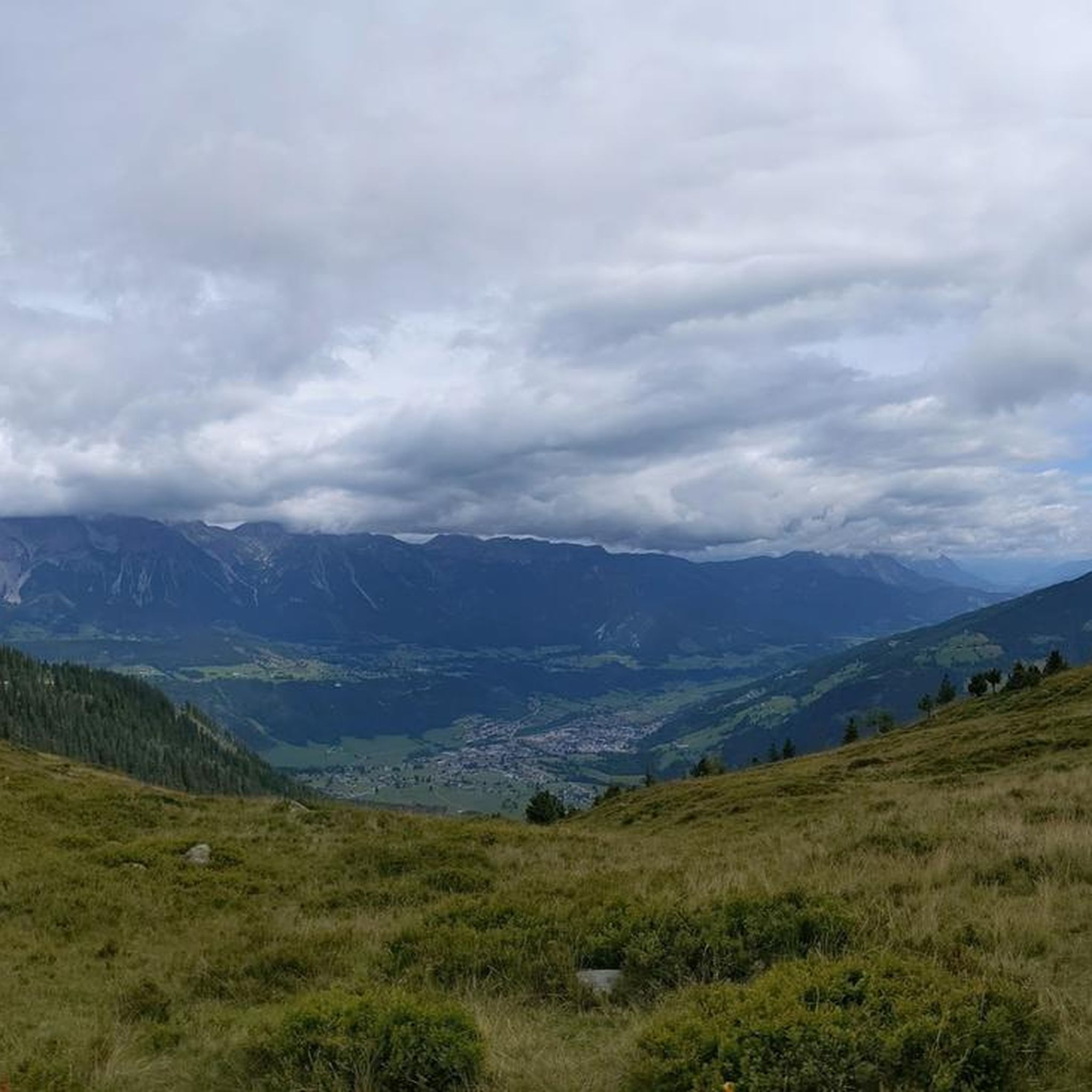


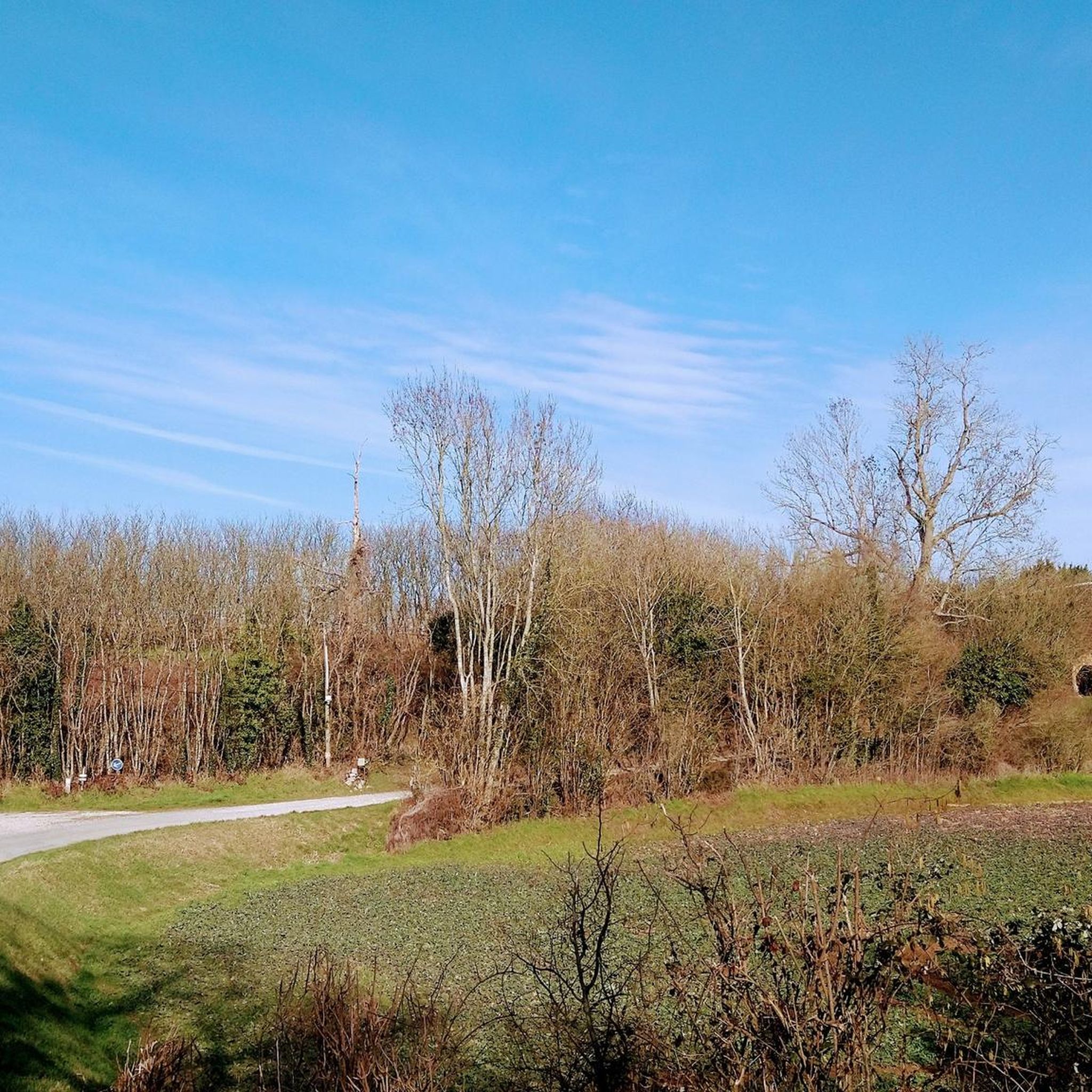
Tips from the Community

The church of St Pierre des Ormes holds an important place in the heart of the village, surrounded by its pretty flowerbeds. Dating from the 11th and 12th centuries, it has retained its Romanesque portal. After crossing it, you cross the narthex to reach a second door which opens onto the main nave of the building. The wooden vault is barrel-vaulted. An extension was made in the 16th century by adding a side aisle, with two windows which would become dormers. The small door with Renaissance decoration opened onto the cemetery, then adjoining. The current choir was built in the 19th century. The altar is made with two hemp braies supporting a beautiful wooden board. Note, on each side of the choir, wooden niches, one of which houses a statue of St John (with an eagle). A pilgrimage was organized every September 8th to Saint Gourgon, because the fountain was reputed to cure eye diseases. Very popular until the beginning of the 20th century, it was gradually abandoned. The fountain, now filled in, was located in the cellar of a house near the current town hall.
0
0
Saint-Rémy Church from the 11th and 16th centuries. Stained glass windows from the 20th century. Altarpiece of the Saint-Julien chapel from the 17th century.
0
0
The church of Commerveil is built on a simple plan with a single nave and a straight chevet. According to the town hall's research, this small church dates from the 11th, 12th and 17th centuries. Its small spire can be seen from afar and its ogival windows match its size. Inside, the altarpiece dates from the middle of the 18th century. Behind the wooden tabernacle, we discover a painting representing the Assumption of the Virgin. To the right of the large marble altar, is the statue of Saint Anne and to the left that of the Holy Virgin. On the side aisles, to the right above the altarpiece of the Sacred Heart, we see in a niche the statue of Saint John the Baptist with a sheep. To the left, above the altarpiece of the Virgin with the Sorrowful Heart, is in a niche a statue of Saint Magdeleine. These two altarpieces, in marble and sculpted stone and partly gilded, date from the 17th and 18th centuries and have been listed as historical monuments since 1982. At the top of the nave, there is a Christ on the cross, probably made of wood. A statue of St. Gilles, placed on a wooden base, is located on the back wall of the church. Note a painted paneled vault that dates from the 19th century. The restoration of the church was carried out in the early 1980s.
0
0
The Church of Saint-Rémy appears on the cartulary of the Abbey of Saint-Vincent du Mans, however, as usual, it was the Bishop of Le Mans who had the collation of the priest. Rectangular in plan, it has a single nave and a straight chevet lit by a triplet, which was hidden by the installation of a high altar. The church was enlarged in the 15th and 16th centuries by two chapels, placed to the north and south of the nave. The church has some remarkable pieces of furniture: a Christ on the cross and a Saint Anne, in stone, from the 16th century; the tympanum of a stained glass window, open in the south wall, depicting the angels carrying the Instruments of the Passion (16th century); a Pietà in stone from the 16th or 17th century; a Charity of Saint Martin, in stone (15th century). two wooden statues from the 18th century, Saint Leo Fort, pope, and Saint James (mistakenly identified as Saint Martin). Benefiting from a policy of the General Council of Sarthe in favor of contemporary artists, eight bays in this church were entrusted to Michel Madore (Montreal, 1949- ). The work focused on the restoration of the roof and the framework of two bays of the nave. The entire ridge was refinished in lead, including the simple finial, thus replacing the glazed tiles and the terracotta finial.
0
0
small, gentle climb coming from Allieres Beauvoir
0
0

Fresh climb to the north of Sarthe
0
0
Beautiful climb north of Sarthe
0
0
Dedicated to St Jouin, the church is only mentioned at the end of the 11th century. The building was fortified during the wars of religion. Gunboats (some rotating) are added as well as an underground refuge. You will see one as you go around the church. You can also admire the gargoyles and the magnificent sculpted capitals on either side of the portal. Inside, don't miss the carved keystones and capitals. The building contains quite rich furniture, including a headless sculpture holding a book whose origin and meaning remain mysterious.
0
0
Frequently Asked Questions
What kind of terrain can I expect on road cycling routes around Moncé-En-Saosnois?
The region around Moncé-En-Saosnois offers a diverse road cycling experience. You'll find a mix of picturesque bocage, cultivated plains, and rolling hills. The area is characterized by varied terrain, including sections with moderate ascents and descents, especially as you approach the expansive Forest of Perseigne. Elevations in Moncé-en-Saosnois itself range from 68 to 112 meters, but routes can take you to higher points like the Belvedere, the highest point in the Sarthe department.
How many road cycling routes are available in the Moncé-En-Saosnois area?
There are over 130 road cycling routes available around Moncé-En-Saosnois on komoot. These routes cater to various skill levels, with 35 easy, 97 moderate, and 3 difficult options.
Are there any easy road cycling routes suitable for beginners or a relaxed ride?
Yes, there are several easy routes. One popular option is the Motte castrale de Peray – Saint-Jouin Church of Marnes loop from Saint-Rémy-des-Monts. This 39.4 km route is rated easy and takes approximately 1 hour 39 minutes, offering a pleasant journey through the rural landscape.
What are some moderate road cycling routes in the region?
For those looking for a moderate challenge, the Château de Bonnétable – Porte Saint Julien loop from Saint-Cosme-en-Vairais is a great choice. This 56.3 km route features varied terrain with moderate ascents and descents, passing by historical landmarks. Another excellent moderate option is the Saint-Jouin Church of Marnes – Presbytère de Courcival loop from Saint-Cosme-en-Vairais, which is 50.5 km long and leads through rolling hills and cultivated fields.
Are there any routes that offer panoramic views or significant climbs?
Yes, the region includes the Forest of Perseigne, which features the Belvedere, the highest point in the Sarthe department, offering panoramic 360-degree views. For a route with significant elevation, consider the Perseigne Viewpoint – Vallée d'Enfer loop from Saint-Rémy-des-Monts, a 45.3 km moderate route with over 649 meters of elevation gain.
What historical sites or landmarks can I see along the road cycling routes?
The Saosnois region is rich in historical curiosities. You can encounter charming villages and historical churches. For example, the Saint-Jouin Church of Marnes is featured on several routes. Other notable sites in the wider area include the beautiful Romanesque church of Marolles-les-Braults, the splendid Château de Beaumont-sur-Sarthe, and the astonishing Donjon de Ballon. The Halle aux Grains de Mamers is also a point of interest nearby.
What do other road cyclists enjoy most about road cycling in Moncé-En-Saosnois?
The area is highly rated by the komoot community, with an average score of 5.0 stars. Cyclists often praise the scenic routes that wind through bocage landscapes, quiet roads, and charming villages. The varied terrain, from cultivated plains to rolling hills and the Forest of Perseigne, also contributes to a rewarding cycling experience.
Is Moncé-En-Saosnois a good base for exploring the wider region by road bike?
Absolutely. Moncé-En-Saosnois serves as an excellent base for exploring the diverse landscapes of the Saosnois region. Its central location allows access to routes that traverse the bocage, cultivated plains, and the hilly, wooded terrain leading towards the Forest of Perseigne and the Normandie-Maine Regional Natural Park. Nearby towns like Mamers also offer dedicated cycling routes and services, including e-bike rentals.
Are there any specific viewpoints or scenic spots to look out for?
The Forest of Perseigne is home to the Belvedere, which is the highest point in the Sarthe department and offers panoramic 360-degree views of the surrounding landscape. Routes like the Perseigne Viewpoint – Vallée d'Enfer loop from Saint-Rémy-des-Monts are designed to take you through these scenic areas.
What is the best time of year for road cycling in Moncé-En-Saosnois?
While specific weather data isn't provided, the Pays de la Loire region generally enjoys pleasant cycling conditions from spring through early autumn. These seasons offer milder temperatures and less precipitation, making them ideal for exploring the varied terrain and scenic routes around Moncé-En-Saosnois.
Are there options for family-friendly cycling, perhaps on greenways?
While Moncé-En-Saosnois itself is a small commune, the broader Saosnois region offers family-friendly cycling options. For instance, there is a greenway between Mamers and Les Mées, which provides a safe and enjoyable environment for families. The easy-rated road cycling routes in the area can also be suitable for families with older children comfortable on quiet roads.
Most popular attractions around Moncé-En-Saosnois

Get inspired with the komoot mobile app


Explore more
Browse the best Road cycling routes in other regions.
