The best road cycling routes around Étrelles
4.6
(31)
1,333
riders
324
rides
Road cycling routes around Étrelles are characterized by a largely flat to gently undulating terrain, making the area suitable for various skill levels. The region, located in the Ille-et-Vilaine department of Brittany, France, features extensive greenways and rural landscapes. Cyclists can explore routes that integrate into regional cycling networks, including sections of "La Régalante," offering traffic-free paths. The topography ranges from 52m to 108m, providing enjoyable rides without extreme climbs.
Best road cycling routes around Étrelles
- The most popular road…
Last updated: July 5, 2026
14
riders
53.0km
02:14
320m
320m
Moderate road ride. Good fitness required. Mostly well-paved surfaces and easy to ride.
9
riders
47.6km
02:07
430m
430m
Moderate road ride. Good fitness required. Mostly well-paved surfaces and easy to ride.

Sign up for free
7
riders
65.9km
02:46
460m
460m
Moderate road ride. Good fitness required. Mostly well-paved surfaces and easy to ride.
7
riders
38.5km
01:49
360m
360m
Moderate road ride. Good fitness required. Mostly well-paved surfaces and easy to ride.
4
riders
46.4km
02:11
420m
420m
Moderate road ride. Good fitness required. Mostly well-paved surfaces and easy to ride.
Get access to more routes and recommendations from other explorers.
Sign up for free
Already have an account?
Our route recommendations are based on thousands of hikes, rides, and runs completed by other people on komoot.
Start today with a free account
Your next adventure awaits.
Login or Signup

Tips from the Community

The old Romanesque church, rebuilt in the 16th and 17th centuries, bore the date 1546 on its south facade, and an inscription on the buttress of the north facade: "Pihier et Renoult" 1639. The tower attached to the north facade was dated 1609. The central bell tower rebuilt in 1711 had two superimposed octagonal bell towers topped by a slate spire. . Burned down in 1891, the church was rebuilt between 1892 and 1901 by the contractor Legeay of Châtillon-en-Vendelais, according to the plans of the architect Arthur Regnault.
0
0
New church built from 1861 by Audrouin a hundred meters south of the old one. It was completed in 1875 with the construction of the tower.
0
0
The old church of Broons was destroyed in 1843. A new building, consecrated in 1846, was built on its site. Plans from 1839 of the church tower signed by Auguste Marchand are kept in the departmental archives.
0
0
The bell tower is visible from afar and has long dominated the town and its surroundings. The Saint-Pierre church has retained its impact on the local landscape for over a century. It was indeed in 1888 that the Fabrique Council decided to entrust Arthur Régnault, the diocese's architect, with the project for a new construction. His plan was accepted and work began in October 1889, before the blessing of the first stone on March 13, 1890. As an anecdote, the stones are extracted from the quarry of La Bouëxière. Quickly, the inhabitants discovered its citadel-like appearance, Arthur Régnault having wanted to honor the city of Châteaubourg which had not had a castle for a long time! The structural work was completed on March 28, 1893, but due to lack of funds, the bells would wait until 1894. The work on the woodwork and the construction of the high altar took place in 1911, the church being due to host the important Eucharistic congress of 1913. Maintenance work continued over the years, the church having become the property of the municipality since 1905. During the bombings of the summer of 1944, the church was spared. The inhabitants would not forget it: on May 9, 1945, the day after the armistice, the men carried Notre Dame de Boulogne in procession and paraded barefoot through the streets. The centenary was celebrated in 1992 with the decision to install the current organ. The church of Châteaubourg has thus traversed local history from the 15th century – the date of construction of the previous, much smaller church – to that designed by Arthur Régnault.
0
0
It originally consisted of a simple nave built in the 15th and 16th centuries, and whose straight chancel was rebuilt in 1700. The church, thus restored, was solemnly blessed by the rector on August 2, 1761. In 1806, a chapel dedicated to Saint Margaret was added to the south, and in 1818, to the north, the tower was partly redone, with at its base the chapel of the Virgin Mary. The lord Du Val, at Saint-Didier, has in the church of Saint-Jean-Baptiste a tomb where Jean de La Porte, lord Du Val, was buried in 1618, and in 1761 Suzanne Marion, daughter of lord Du Val and widow of Charles Du Boispéan. M. de Guersans, vicar general, erected the confraternity of the Holy Spirit at Saint-Jean-sur-Vilaine on June 25, 1746. Several foundations exist in this church: that of Le Poirier, that of La Bâte, that of La Porte. Jeanne Guyot, lady of La Hamonais, founded an annuity of 36 livres for the maintenance of candles during the octave of the Blessed Sacrament.
0
0

Small cozy village with a nice parking spot on the edge of the village👍😜
0
0

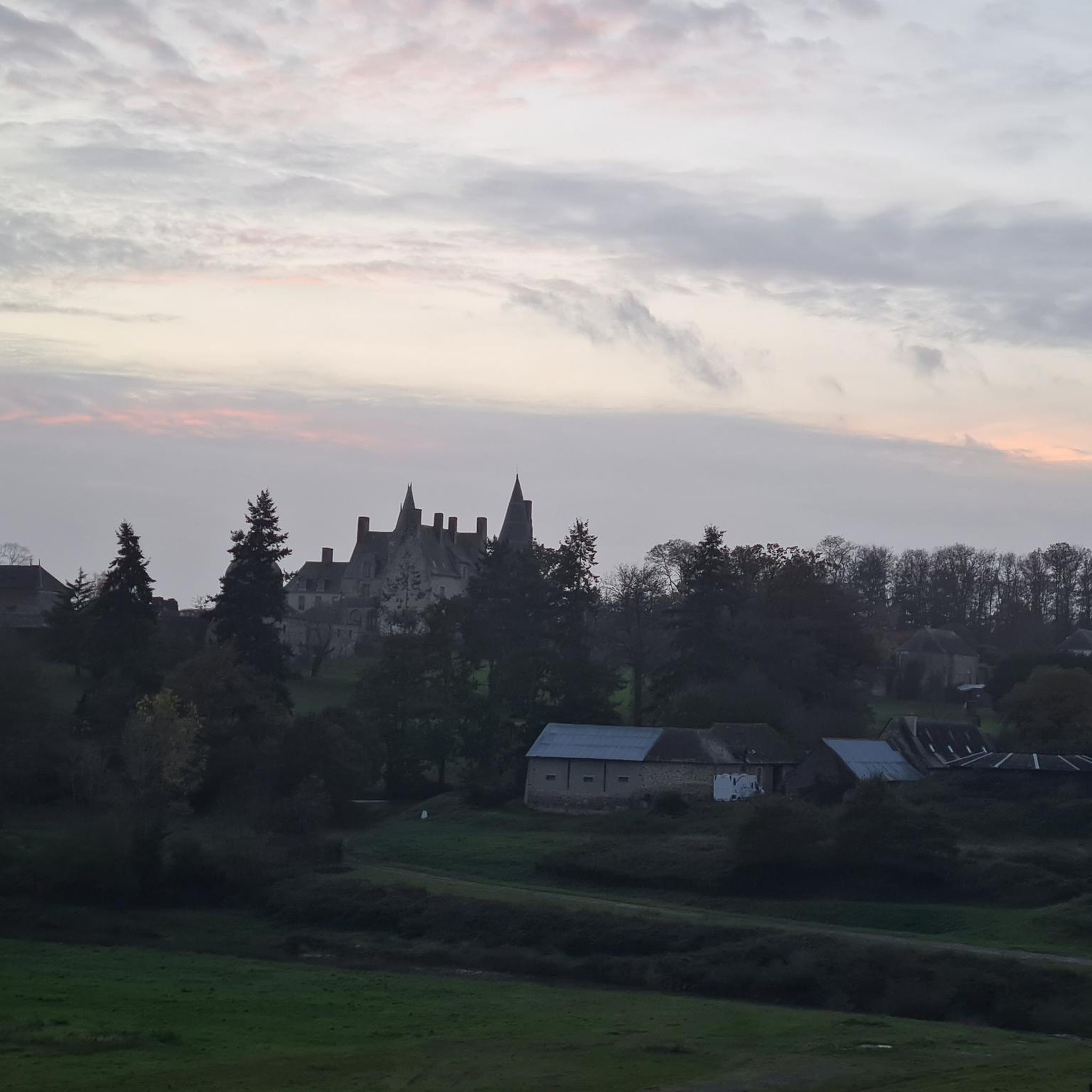
A prosperous trading town since the Middle Ages, Vitré has preserved its well-preserved heritage. With its fortified castle, cobbled streets, and half-timbered houses, the town offers plenty to see and do, making it perfect for a stroll. It's the perfect place to soak up the Breton atmosphere.
0
0

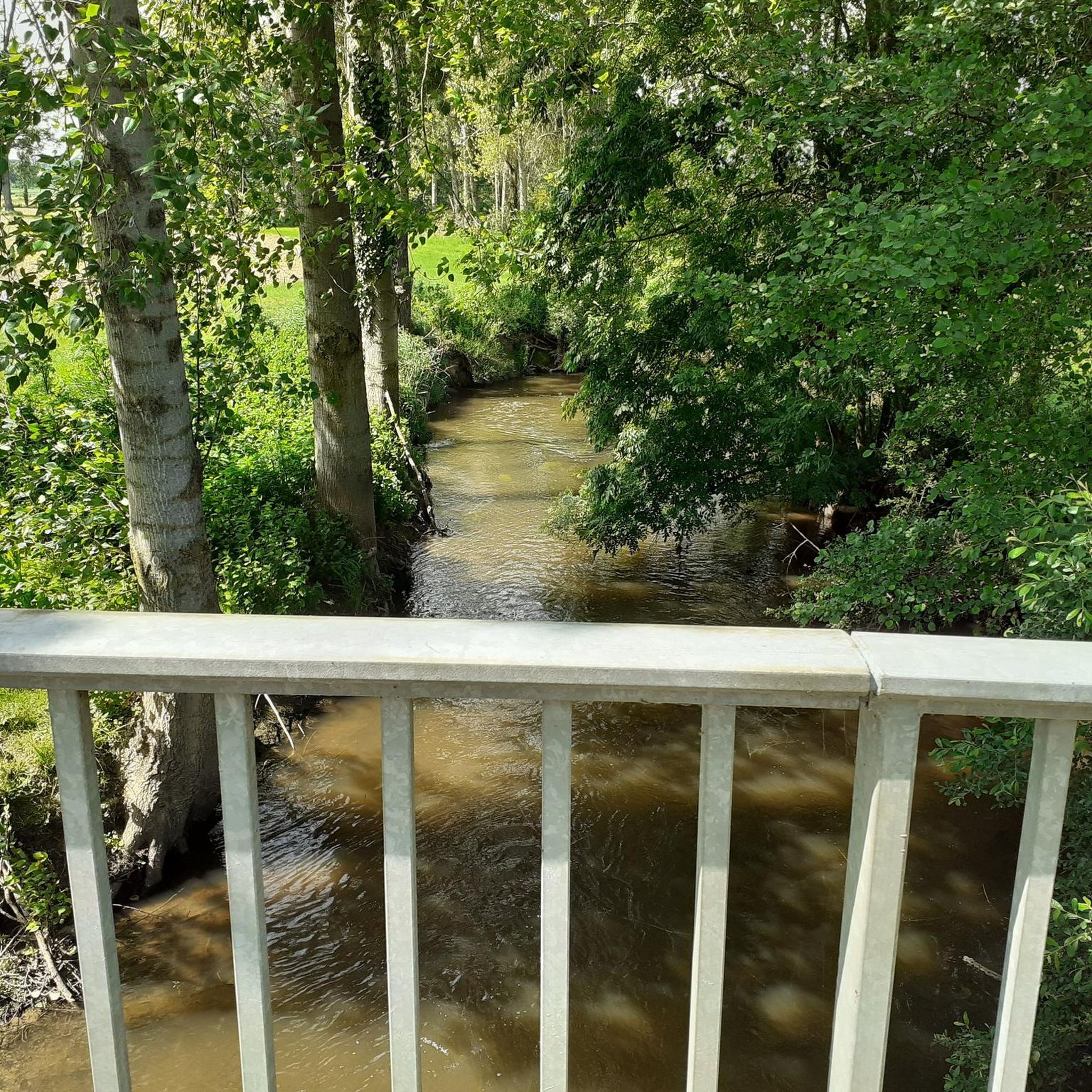
Bird watching possible!
0
0
Frequently Asked Questions
How many road cycling routes are available around Étrelles?
There are over 300 road cycling routes available around Étrelles. These routes cater to various skill levels, with 93 easy, 230 moderate, and 10 difficult options to choose from.
What is the typical terrain like for road cycling in Étrelles?
The terrain around Étrelles is largely flat to gently undulating, with elevations ranging from 52m to 108m. This makes it suitable for enjoyable rides without extreme climbs, often following greenways and serene rural landscapes.
Are there any family-friendly road cycling routes in the Étrelles area?
Yes, the region's extensive network of greenways, often developed along former railway lines or towpaths, provides traffic-free and stable surfaces ideal for relaxed and scenic cycling with family. These gentle routes are perfect for all ages.
What kind of attractions or landmarks can I see while cycling near Étrelles?
While cycling near Étrelles, you can explore a mix of historical sites and natural beauty. Notable attractions include the historic Vitré Castle, the serene Notre-Dame Church, and picturesque water bodies like Cantache Pond and the viewpoint over the Étang de la Corbière.
Are there routes that pass by lakes or other natural features?
Yes, many cycling routes in the vicinity of Étrelles pass by scenic lakes, including Lac de Châtillon (a listed ornithological reserve) and Lac de la Cantache. These offer picturesque stopping points and opportunities for birdwatching. The routes also traverse charming countryside and wooded areas like Forêts du Pertre.
What do other cyclists say about road cycling in Étrelles?
The road cycling routes around Étrelles are highly rated by the komoot community, with an average score of 4.6 stars from over 30 reviews. Cyclists often praise the varied terrain, the peaceful greenways, and the blend of natural beauty with historic towns.
Are there options for longer, more challenging road cycling routes?
While the terrain is generally gentle, Étrelles offers routes that provide a longer cycling experience. For instance, the Domaine de Bertry – Miniatures Henri Chesnais loop from Étrelles is a moderate 39.8 miles (64.1 km) path that traverses extensive rural landscapes.
Are there any circular road cycling routes starting from Étrelles?
Yes, many routes are designed as loops starting and ending in Étrelles. Examples include the popular Chapelle du Pinel – Belair Castle loop from Étrelles and the Vitré – Château de Vitré loop from Étrelles, allowing you to return to your starting point.
What is the best time of year to go road cycling in Étrelles?
The region of Brittany, including Étrelles, generally offers pleasant cycling conditions from spring through autumn. The mild climate and beautiful landscapes are particularly enjoyable during these seasons, allowing you to make the most of the greenways and rural routes.
Are there any specific cycling networks or greenways I should know about?
Étrelles is integrated into the regional cycling networks, notably "La Régalante." This route, particularly the stage connecting Vitré to La Guerche-de-Bretagne, primarily follows undulating greenways. The broader Ille-et-Vilaine department boasts nearly 3,300 km of cycle routes, including green routes along towpaths and former railway lines, promoting safe cycling. You can find more information on the regional network at Ille-et-Vilaine Tourism.
Where can I find places to eat or stay near the cycling routes in Étrelles?
Étrelles and nearby towns like Vitré offer various amenities for cyclists. You'll find cafes, pubs, and accommodation options to refuel and rest after your rides. Exploring the local villages along your chosen route will often reveal charming spots for a break.
Can I bring my dog on road cycling routes around Étrelles?
While many greenways and rural paths are generally accessible, it's always advisable to check local regulations regarding dogs, especially in nature reserves or protected areas like Lac de Châtillon. Keep your dog on a leash and ensure they are comfortable with the distance and terrain.
Most popular attractions around Étrelles

Get inspired with the komoot mobile app


Explore more
Browse the best Road cycling routes in other regions.
