The best cycling routes around Houlette
4.5
(107)
894
riders
66
rides
Touring cycling routes around Houlette are situated in the Charente department of southwestern France, characterized by gently rolling hills, extensive vineyards, and the meandering Charente River. This region, part of Nouvelle-Aquitaine, offers a diverse landscape ideal for cycling, with routes often following riverbanks or quiet country roads. The terrain generally features mild elevation changes, making it accessible for various cycling abilities.
Best touring cycling routes around Houlette
- The most popular touring cycling route is The Jarnac Quays – Saint-Brice Castle…
Last updated: October 28, 2026
3.6
(5)
34
riders
12.5km
00:58
40m
40m
Easy bike ride. Mostly paved surfaces.
4.3
(3)
8
riders
132km
08:56
730m
730m
Hard bike ride. Very good fitness required. Mostly paved surfaces.

5.0
(1)
9
riders
Easy bike ride. Mostly paved surfaces.
5.0
(2)
9
riders
Easy bike ride. Mostly paved surfaces.
3
riders
32.3km
02:00
260m
260m
Moderate bike ride. Good fitness required. Mostly paved surfaces.
Get access to more routes and recommendations from other explorers.
Already have an account?
Our route recommendations are based on thousands of hikes, rides, and runs completed by other people on komoot.
Start today with a free account
Your next adventure awaits.


Tips from the Community

The Chaniers ferry (Charente-Maritime) is one of the last traditional river ferries still in operation in France. It allows crossing the Charente River between Chaniers and Courcoury, a few kilometers downstream from Saintes. A crossing used for centuries History of the Chaniers ferry The ferry crossing at Chaniers is very old: it dates back to the Middle Ages. In the mid-17th century, it was already an important crossing point on the Charente. It was not only used to cross the river: it also allowed residents to access the meadows on the other side, particularly for agricultural activities. In the early 20th century, the Chaniers ferry was part of a much larger network of crossings on the Charente. In 1909, thirteen ferries were still recorded in Charente-Inférieure, including the one in Chaniers. Ferries were essential at the time before the proliferation of bridges. Why "chain ferry"? The principle consists of holding the ferry on a chain connecting the two banks. The ferryman uses this chain to move the boat forward and keep it on its course despite the current. In Chaniers, the current ferry is motorized, unlike the ferry in Dompierre-sur-Charente, which is operated manually. The Tourist Office, however, still describes it as a "chain ferry," and the municipality as the traditional crossing method connecting Chaniers to Courcoury. The ferry today The crossing takes place between Le Communal in Chaniers and the Courcoury bank. It is free and can transport pedestrians, cyclists, and motorized vehicles. Its operation depends in particular on the flow of the Charente River. The municipality of Chaniers officially presents "the port of Chaniers and its chain ferry" as an element of its local heritage. Important point: I am correcting my previous message: the Chaniers ferry is not simply a "19th-century ferry." The crossing has been attested since the Middle Ages; it is its mode of operation and its equipment that have evolved over the centuries.
0
0


The iconic building housing the Courvoisier house in Jarnac, founded in 1828, is located on the banks of the Charente River in the town center. A former trading site and historic winery, it retains a strong connection to history, particularly with Napoleon, who made the house world famous by taking his cognac into exile. The site includes a museum retracing this rich history as well as a Renard winery, a prestigious storage facility still in use today. Courvoisier perpetuates the art of distillation, aging, and blending there, offering visitors wine tourism experiences that combine heritage and expertise. The romantic setting, close to a lock and a water reserve, underscores its historical and natural local roots.
1
0
The birthplace of François Mitterrand, former President of the French Republic, is located at 22 rue Abel Guy in Jarnac, Charente, where he was born on October 26, 1916. This house, built in the early 19th century on the site of the last authorized Protestant church before the revocation of the Edict of Nantes, belonged to his family for several generations before being acquired by the city in 2005. François Mitterrand grew up there until 1934 and was very attached to it, the house retaining an intimate family atmosphere with antique furniture, objects, and documents. Today, after a complete renovation, it is open to the public as a museum, allowing visitors to learn about his childhood and family, with permanent exhibitions supported by the François Mitterrand Institute. This site, labeled "Maisons des Illustres" and listed as a historic monument, is a living testimony to his Charente origins and his family history.
1
0


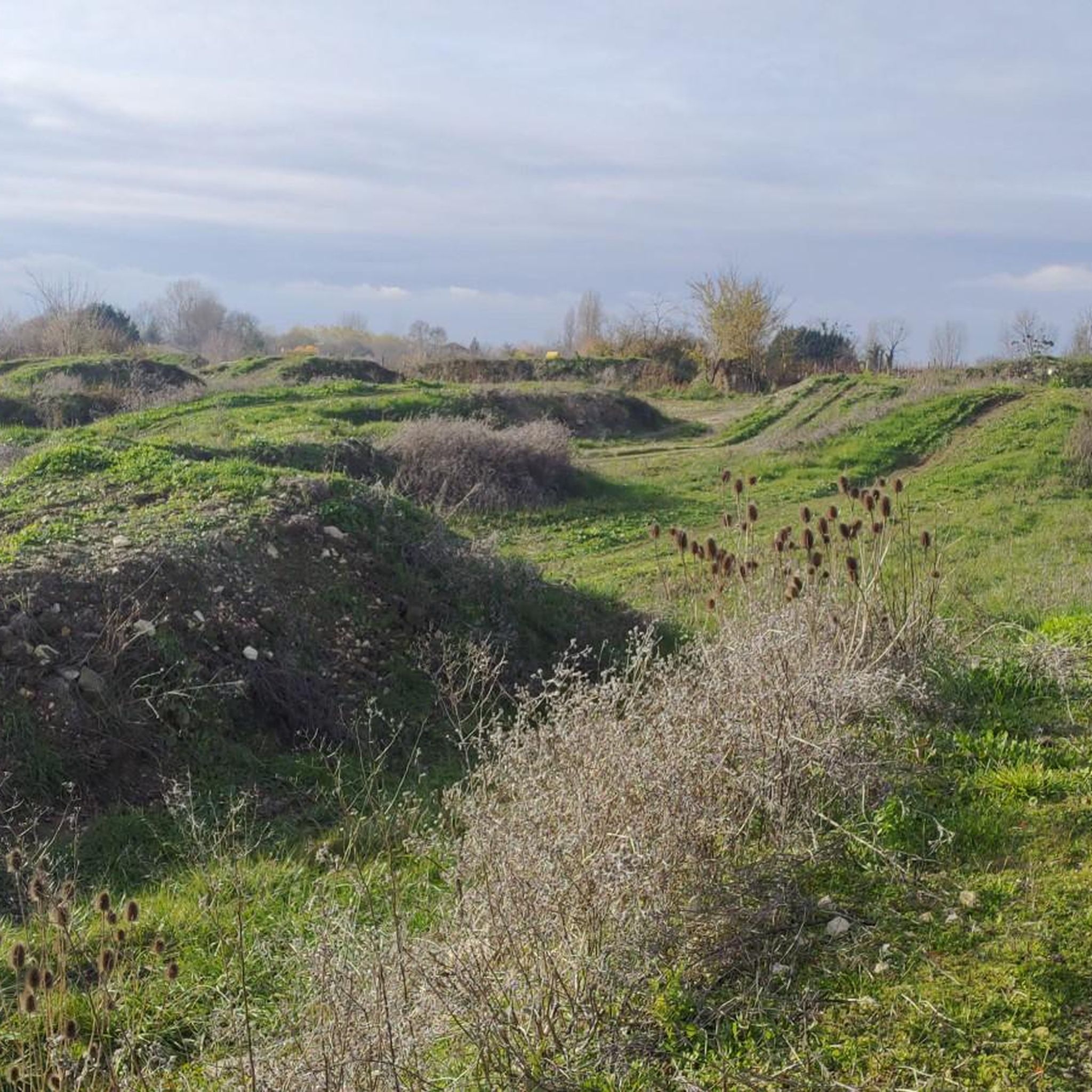
I really enjoyed this ride. I’m 46, I did it on a 40 year old road bike, it’s more suited to a cyclocross bike!
1
0

Bourg-Charente castle is a 17th century mansion. Nestled on a rocky promontory, it is located a few kilometers from Cognac. It also houses the remains of a medieval fortress. Acquired in the 20th century, this château houses cellars for producing Grand Marnier. It can be visited from Monday to Friday from 8 a.m. to 5 p.m.
0
0

It is in this castle that the cognac cellars of the Marnier-Lapostolle family are located, used for the production of Grand Marnier cognac.
4
0
Frequently Asked Questions
How many touring cycling routes are available around Houlette?
There are over 70 touring cycling routes around Houlette, offering a diverse range of options for cyclists. These routes are highly rated by the komoot community, with an average score of 4.7 stars.
What kind of terrain can I expect on touring cycling routes around Houlette?
The terrain around Houlette is characterized by gently rolling hills, extensive vineyards, and the meandering Charente River. Routes often follow riverbanks or quiet country roads, generally featuring mild elevation changes that make them accessible for various cycling abilities.
Are there any easy touring cycling routes suitable for beginners or families?
Yes, a significant portion of the routes are considered easy, with 32 such options available. A great choice for a relaxed ride is Bourg-Charente Castle – The Jarnac Quays loop from Jarnac, an easy 6.4-mile (10.2 km) path offering pleasant riverside cycling and views of local châteaux.
Can I find challenging touring cycling routes in the Houlette area?
While many routes feature mild elevation changes, there are 13 routes classified as difficult for those seeking more of a challenge. These routes will typically involve more significant climbs and longer distances, providing a good workout amidst the scenic landscape.
What are some notable landmarks or attractions I can see while cycling?
Many routes pass by historic sites and natural beauty. You can cycle past landmarks such as Bourg-Charente Castle or the Logis de Gardépée in Saint-Brice. The region is also famous for its Cognac distilleries, like Maison Hine, which you might encounter along your ride.
Are there long-distance touring cycling options near Houlette?
Yes, Houlette is conveniently located near sections of the renowned La Flow Vélo, a major route stretching between 290 and 400 kilometers. This allows for longer touring experiences, connecting the Atlantic coast to Périgord through vineyards and historic towns like Cognac and Angoulême.
Are there circular touring cycling routes available?
Yes, many routes around Houlette are circular, making them convenient for day trips. Examples include The Jarnac Quays – Saint-Brice Castle loop from Julienne, a 12.4-mile (19.9 km) route, and Saint-Brice Castle – Bourg-Charente Castle loop from Boutiers-Saint-Trojan, which is 11.9 miles (19.2 km).
What is the best season for touring cycling in Houlette?
The region's mild climate makes spring and autumn particularly pleasant for touring cycling, with comfortable temperatures and beautiful landscapes. Summer is also popular, though it can be warmer, especially in July and August.
Where can I find parking for touring cycling routes in Houlette?
Many routes start from villages or towns like Jarnac or Boutiers-Saint-Trojan, where public parking is generally available. It's advisable to check local parking options in the specific starting point of your chosen route.
Is public transport accessible for reaching cycling routes?
While Houlette itself is a tranquil village, its proximity to larger towns like Jarnac (9 km away) and Cognac (12 km away) means you can often access sections of major routes like the Flow Vélo. Public transport options, such as regional buses or trains to these larger towns, may offer connections, but it's best to verify bicycle carriage policies in advance.
What do other cyclists enjoy most about touring cycling in Houlette?
The touring cycling routes in Houlette are highly rated by the komoot community, with an average score of 4.7 stars from over 100 reviews. Cyclists often praise the peaceful riverside paths, the charming views of vineyards and châteaux, and the generally easy-to-moderate terrain that makes for enjoyable rides.
Are there any routes that follow the Charente River?
Absolutely. The Charente River is a dominant feature of the landscape, and many touring cycling routes, including segments of the La Flow Vélo, meander along its tranquil banks. These riverside paths often utilize former towpaths, providing smooth and scenic rides.
Can I combine my cycling trip with visits to local distilleries or historic towns?
Yes, the region is perfect for combining cycling with cultural exploration. Routes frequently pass through charming villages and historic towns like Cognac, famous for its distilleries, and Jarnac. You can easily plan stops to enjoy tours and tastings or explore the local heritage.
Most popular attractions around Houlette

Get inspired with the komoot mobile app


Explore more
Browse the best Cycling routes in other regions.
