Attractions and Places To See around Anais - Top 20
Best attractions and places to see around Anais include historical landmarks, natural features, and cultural sites. This region, particularly Anais in Charente, is characterized by its plateau landscape, traversed by the Argence Valley, and is situated near the Charente River. Visitors can explore significant Romanesque architecture and discover local heritage. The area offers a blend of historical depth and natural beauty for exploration.
Best attractions and places to see around Anais
- The most popular attractions is Lake Saint-Yrieix, a…
Last updated: July 6, 2026
Saint-Amant-de-Boixe Abbey
Highlight • Other
Possibility of …
Translated by Google •
Tip by

Saint Martin's Church, Mornac
Highlight • Other
This …
Translated by Google •
Tip by

Sign up now to discover places like this
Get recommendations on the best single tracks, peaks, & plenty of other exciting outdoor places.
Sign up for free
Saint Christopher's Church in Vindelle
Highlight • Other
Translated by Google •
Tip by
Saint-Denis Church, Vars
Highlight • Other
Translated by Google •
Tip by
Lake Saint-Yrieix
Highlight • Lake
Translated by Google •
Tip by

Sign up for free to discover even more attractions around Anais.
Sign up for free
Already have an account?
Start today with a free account
Your next adventure awaits.
Login or Signup


Tips from the Community

The place is beautiful, but too crowded in the summer season. People on foot who take the entire width of the path, dogs not kept on a leash and so on...
2
0

Leisure center fitted out with nautical base.
2
0

Former priory linked to Saint-Amand-de-Boixe, given to the abbey by Guillaume IV, count of Angoulême, before 1030. A campaign of works is attested in the 17th century and restorations in the 19th. The building has retained traces of its original 11th century architecture: drop walls of the nave crisscrossed with arches, intended to receive a light structure. The nave is under frame after having received a ceiling. Around 1120, the building increased with a bay under a bell tower, vaulted with a dome on horns carried by pillars with a cruciform core, flanked by columns with ball capitals and an apse. A north transept arm and its oriented apse, correspond to a third campaign of work (late 12th century?). The church underwent some transformations at the time of the Hundred Years' Wars: raising of the nave above the cornice and use of the bell tower (murderer with viewfinder).
0
0
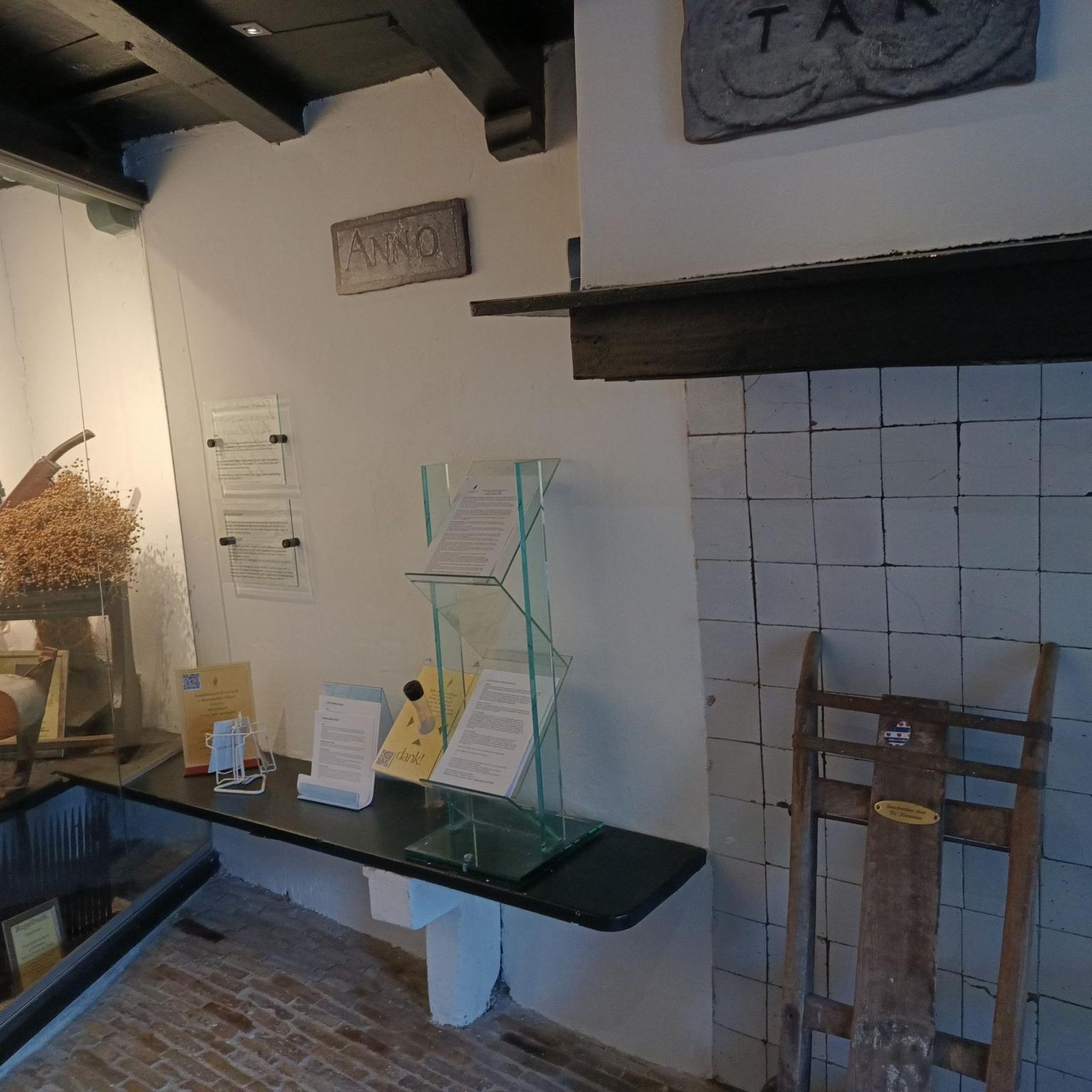
This building, known from 1110, was rebuilt for the first time around the middle of the 12th century and has undergone other transformations which have modified its original appearance. This building, known from 1110, was rebuilt for the first time around the middle of the 12th century and has undergone other transformations which have modified its original appearance. The history of the church reveals to us that two priests left a memory in the life of the parish: Jean Vergereau named in 1661, died on May 2, 1708 and was buried in the sanctuary; François Faunier du Plessis, who arrived in Mornac on January 18, 1778, was deported to Ile Madame. He died there on September 2, 1794 following ill-treatment inflicted by the revolutionaries. A commemorative plaque was awarded to him on April 28, 1929. The portal is framed by two fonts dating from the 17th century. A coat of arms decorates the first floor. The bell tower has two bells. The oldest dates from 1564 or 1584 and the second dates back to 1724. Some stones carved or engraved by the Compagnons du Tour de France, vestiges of these restorations, appear in the walls of the village. The sacristy has a paved floor made up of these small stones called "Dent de Loup" or "Cœurs de demoiselles".
0
0
Nestled between the Charente river and the Boixe forest, the former abbey has watched over the north of Angoumois for over a thousand years. Mentioned in 888, the abbey church was rebuilt in the 11th and 12th centuries, thanks to the generosity of the Counts of Angoulême. This building constitutes an inescapable testimony of the Charente Romanesque art. In the 13th century, a large fire destroyed the site, forcing the reconstruction of the choir of the church, which was not completed until the 16th century. Listed as a historical monument in 1840 on the initiative of Mérimée, this vast monument has always impressed with its mass and its refinement: artists such as Eugène Delacroix and Maurice Utrillo are not mistaken. Each year, more than 13,000 visitors come to discover and appreciate this building with such a rich history. The abbey site has also given rise to several archaeological excavations, enriching the historical and cultural interest of this high heritage site.
0
0
The church of Saint-Denis in Vars, with the castle to the north, formed an episcopal complex of which the bishop was the lord. Although the church is not mentioned until 1110, the possession of this seigneury by the bishop is attested as early as the 1030s. Probably in connection with the building of the castle to the north, the very sober facade of the church has been altered: one can still distinguish traces of the old bell tower with two arches, in the upper part. The bell tower built on the south arm of the transept is therefore posterior. The apse has the particularity of having been raised in order to fortify it and to fit various defensive elements (heated room, bay windows with cushions, access to gateways, etc.)
2
1

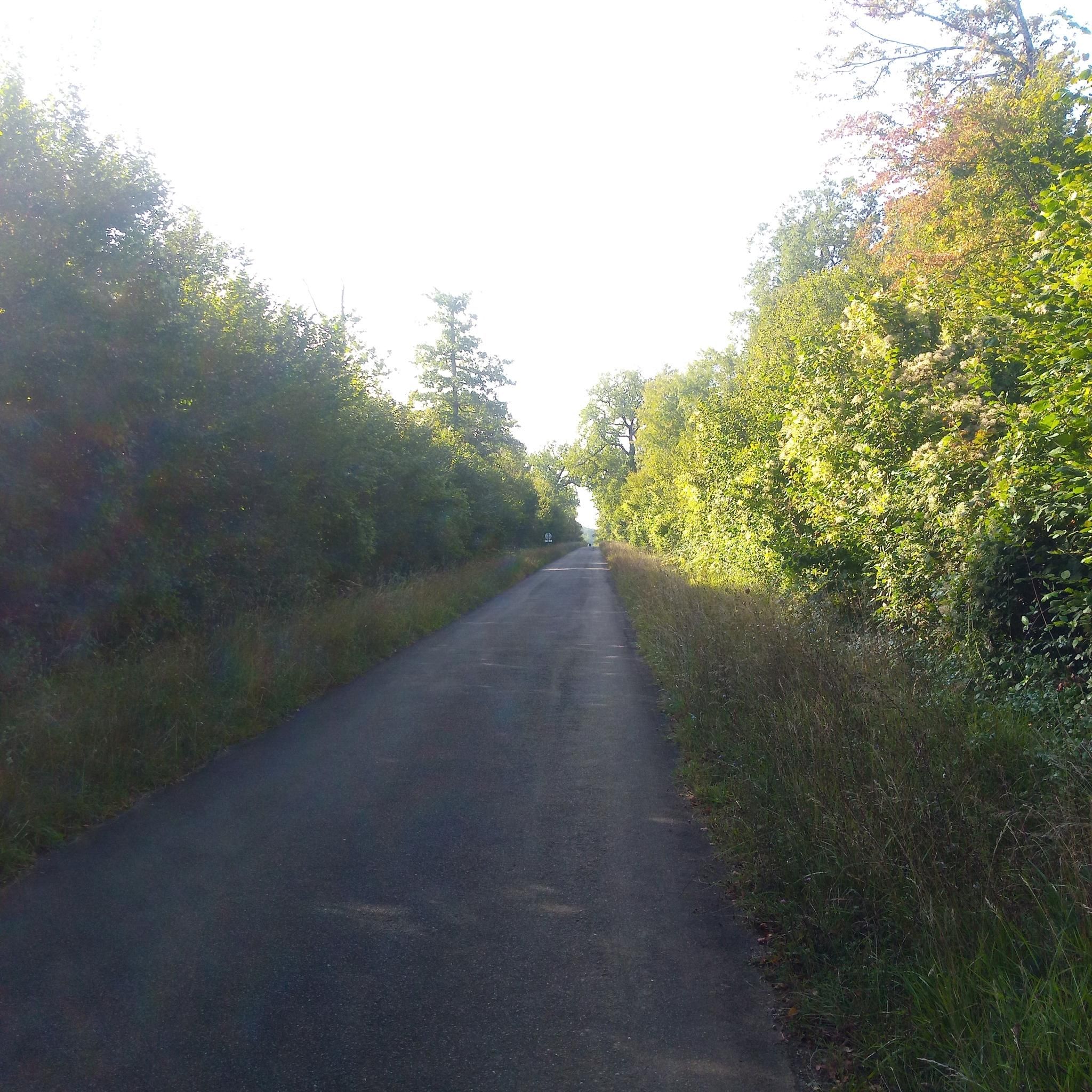
Absolutely ! when I go to Angoulême, I always take the opportunity to take a walk along the Charente to this pretty lake! 😎
2
0

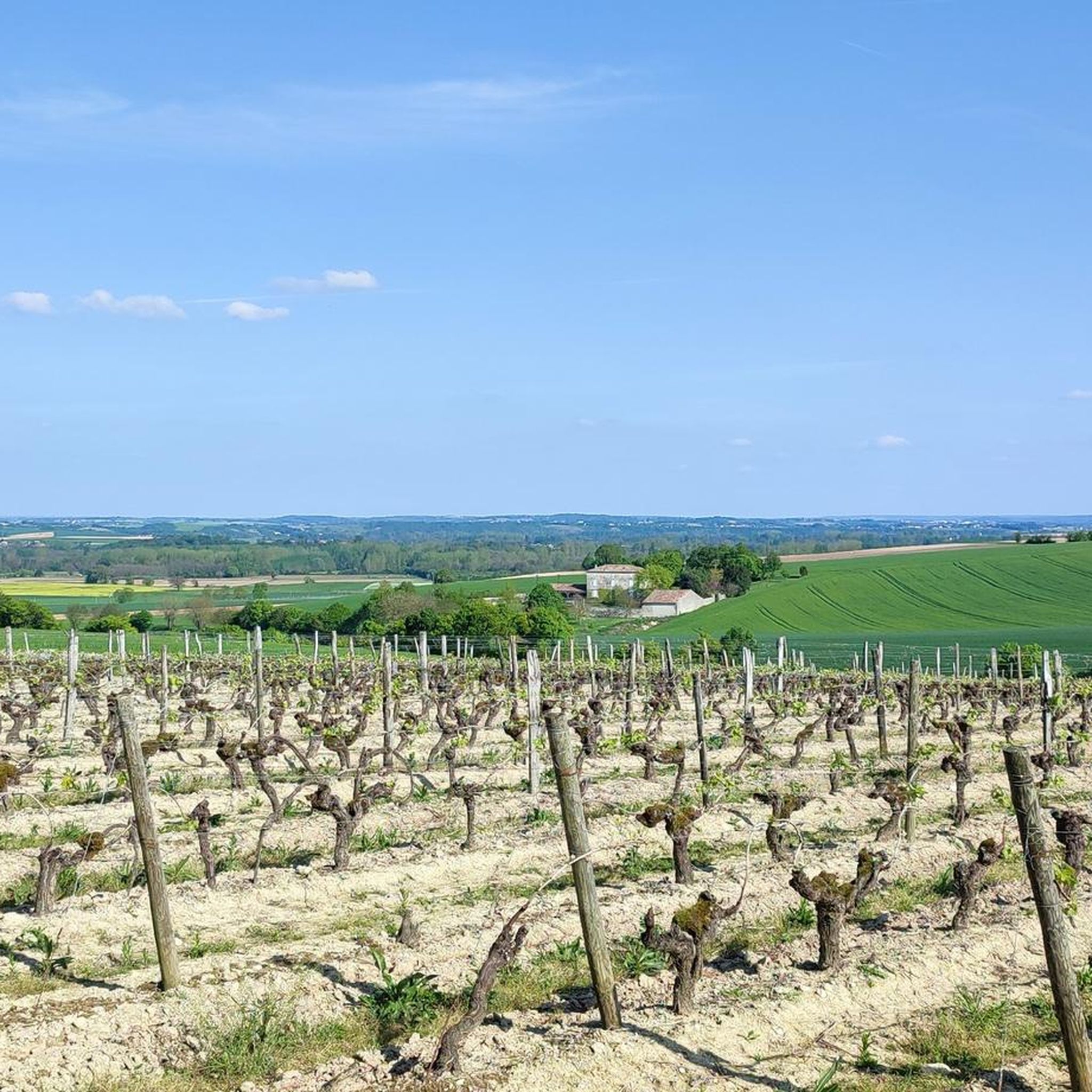
On the route of Saint-Jacques de Compostelle, the fortified abbey remains an imposing building of Romanesque style that can be discovered from the high paths around the village. Possibility of visits to the abbey. A few shops nearby allow you to eat.
0
0
Frequently Asked Questions
What is the geographical context of Anais?
Anais is primarily known as a commune in Charente, France. It is characterized by a plateau landscape traversed by the Argence Valley, with an average altitude of 100 meters. There is also an Anais in Charente-Maritime, known for its proximity to the Marais Poitevin and the Atlantic coast, but this guide focuses on the attractions around Anais in Charente.
What historical sites can I visit near Anais?
The region around Anais is rich in history. You can explore the impressive Saint-Amant-de-Boixe Abbey, a fortified Romanesque abbey mentioned as early as 888. Other notable religious sites include Saint Christopher's Church in Vindelle, a former priory with 11th-century architecture, Saint Martin's Church in Mornac dating back to 1110, and Saint-Denis Church in Vars, which shows traces of an old bell tower and defensive elements.
Are there natural attractions suitable for outdoor activities?
Absolutely! A popular natural attraction is Lake Saint-Yrieix, which features a leisure base and pleasant gravel paths for walking around the lake. This area also connects to a greenway along the Charente River, offering further opportunities for outdoor enjoyment.
What kind of hiking trails are available around Anais?
You'll find a variety of hiking trails. Options range from easy routes like the 5 km 'Argence loop' to moderate trails such as the 12 km 'Saint-Amant-de-Boixe – loop' or the 10 km 'Saint-Amant Abbey Church loop'. For more details and routes, visit the Hiking around Anais guide.
Are there options for mountain biking near Anais?
Yes, the area offers several mountain biking trails. You can find moderate routes like the 36 km 'Mountainbike loop from Brie' or the longer 48 km 'Remarkable Tree – Saint Martin's Church, Mornac loop from Brie'. Explore more options in the MTB Trails around Anais guide.
What are some family-friendly places to visit?
For families, Lake Saint-Yrieix is an excellent choice. It offers a leisure base and easy paths for walking, making it suitable for all ages. The nearby town of Angoulême also provides various attractions that can appeal to families, including its historic center.
What do visitors particularly enjoy about the attractions in Anais?
Visitors appreciate the blend of historical depth and natural beauty. The Saint-Amant-de-Boixe Abbey is highly regarded for its imposing Romanesque architecture and rich history. Lake Saint-Yrieix is loved for its pleasant walks and leisure opportunities, with many enjoying strolls along the Charente River.
Can I explore Romanesque architecture in the Anais area?
The Anais area is a significant testimony to Charente Romanesque art. The Saint-Amant-de-Boixe Abbey is a prime example, showcasing impressive Romanesque style. Additionally, Saint Christopher's Church in Vindelle retains traces of its original 11th-century Romanesque architecture, and Saint Martin's Church in Mornac also has Romanesque origins.
Are there other notable historical landmarks beyond churches and abbeys?
Yes, beyond the religious sites, the region offers other historical points of interest. The town of Angoulême, just 12 km from Anais, boasts several historic monuments. Further afield, the magnificent Château de La Rochefoucauld, considered the most important castle in Charente, is about 14 km east of Anais.
Where can I experience local culture or markets?
To experience local culture, you can visit nearby towns like Angoulême, La Rochefoucauld, or Ruelle-sur-Touvre, which host various markets. These markets offer a chance to discover local produce and crafts. The region is also known for its Cognac and Pineau des Charentes distilleries, many of which offer tours and tastings.
What is the best time of year to visit Anais for outdoor activities?
The spring and autumn months generally offer pleasant weather for outdoor activities around Anais, with milder temperatures ideal for hiking, cycling, and exploring. Summers can be warm, making water-based activities at Lake Saint-Yrieix particularly enjoyable.
Can I find running routes around Anais?
Yes, there are several running trails available. You can find moderate routes like the 14 km 'Running loop from Champniers' or more challenging options such as the 32 km 'Lac Noir – Observatoire du Gros Fayant loop'. For a comprehensive list, refer to the Running Trails around Anais guide.
What kind of wildlife and flora can I expect to see?
The natural areas around Anais, particularly along the Charente River and in the Argence Valley, support diverse flora and fauna. You might spot various bird species, small mammals, and a range of native plants typical of the Charente landscape. Exploring areas like the Boixe forest near Saint-Amant-de-Boixe Abbey can offer good opportunities for nature observation.

Get inspired with the komoot mobile app


Explore more
Still not found the Highlight you’re looking for? See guides of the top attractions in other regions:
