Attractions and Places To See around Dirac - Top 20
Best attractions and places to see around Dirac include a diverse landscape of natural sites and historical landmarks. The region features the Vallée des Eaux Claires, known for its limestone cliffs and Mediterranean vegetation, recognized as a Site of European Interest. Nearby Angoulême offers significant historical attractions such as its cathedral and town hall. Dirac's geographical location provides access to both natural beauty and cultural heritage.
Best attractions and places to see around Dirac
- The most popular attractions is Saint-Pierre…
Last updated: May 20, 2026
Vallée des Eaux claires
Highlight (Segment) • Other
Translated by Google •
Tip by

Fleurac Islands
Highlight • Other
Translated by Google •
Tip by

Sign up now to discover places like this
Get recommendations on the best single tracks, peaks, & plenty of other exciting outdoor places.
Sign up for free
Saint-Pierre d'Angoulême Cathedral
Highlight • Monument
The construction of a replacement church …
Translated by Google •
Tip by

Town Hall
Highlight • Other
It is built on the …
Translated by Google •
Tip by
Château de la Rochandry
Highlight • Castle
Translated by Google •
Tip by
Sign up for free to discover even more attractions around Dirac.
Sign up for free
Already have an account?
Start today with a free account
Your next adventure awaits.
Login or Signup


Tips from the Community

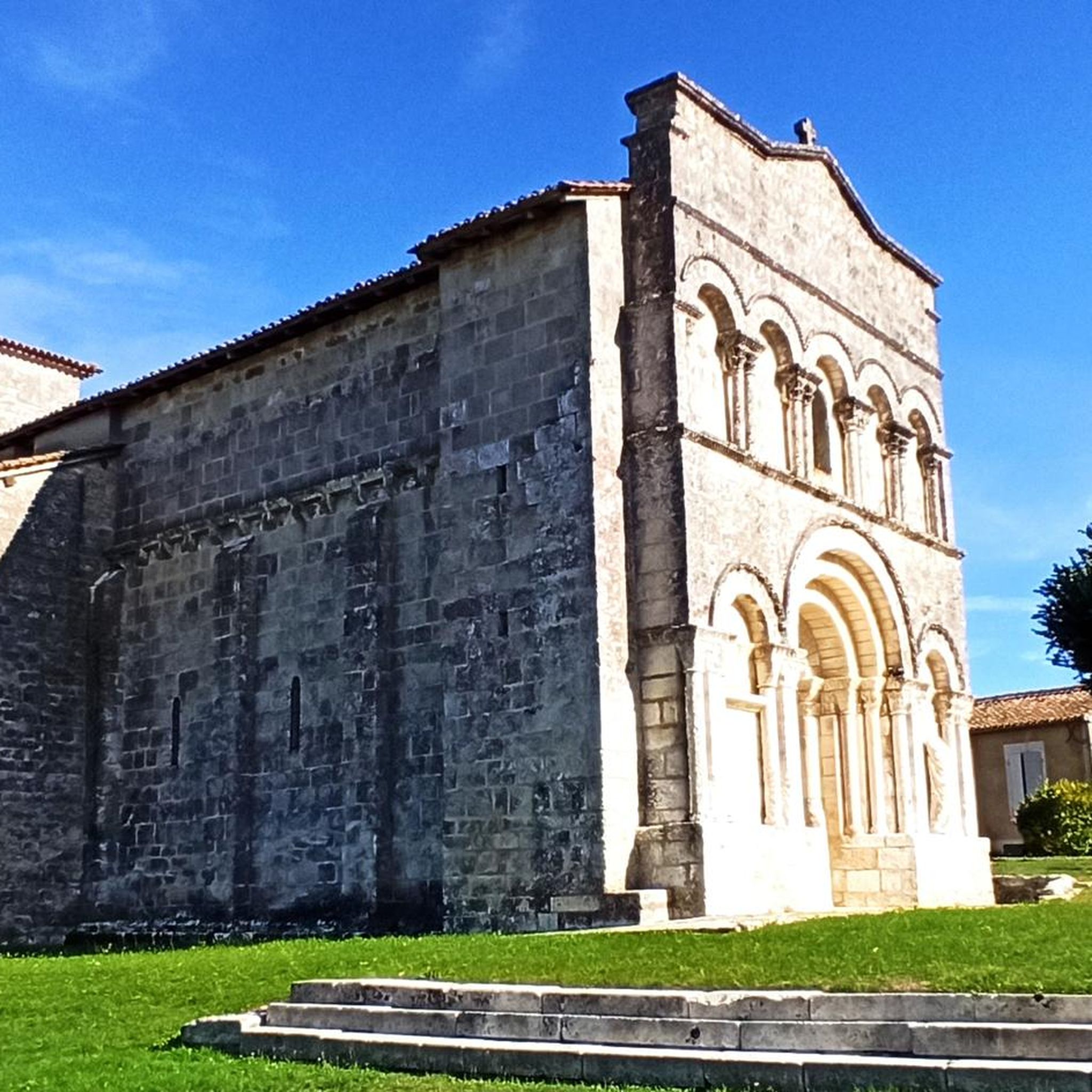
Its location, near the city walls and an old city gate, corresponds to that of a primitive sanctuary, predating Christianity, probably a temple dedicated to Jupiter. A first cathedral was built during the 4th century, dedicated to Saint Saturninus. The building disappeared when Clovis captured Angoulême in 508, after he drove out the Visigoths following the victory at Vouillé in 507. Clovis and then King Charibert ordered the cathedral's reconstruction in honor of Saint Peter.[2] This second cathedral was consecrated in 566 by Saint Germain, Bishop of Paris, and Saint Euphronius, Bishop of Tours, and is mentioned in Gregory of Tours' History of the Franks.[Note 1] It was burned down, probably by the Normans. The third cathedral was the work of Grimoard of Mussidan, Bishop of Angoulême (991-1018). He was also Abbot of Brantôme in Périgord and used the abbey's revenues to finance its construction. Begun around 991 and consecrated in 1015, it lasted only a century, its dimensions being too small. Only the north wall remains in the second and third bays of the nave, beneath the windows.
0
0


The biblical accounts of the New Testament, which describe the events in the life of Jesus and his disciples, paint a very nuanced picture of the Apostle Peter (Saint-Pierre), to whom the church of Angoulême is dedicated: On the one hand, he is a convinced and determined disciple of Jesus, but also not free from human weakness and fear. In the Garden of Gethsemane, he falls asleep (like the other disciples) when Jesus turns to God the Father after the Last Supper and asks the disciples to pray as well; and after Jesus' arrest, Peter denies three times that he even knows him. But he also weeps over his weakness and, upon encountering the risen Christ, professes his love and loyalty to him. His real name is Simon, but Jesus gives him the name Peter (which means rock), upon which the church is to be built, and he gives him—according to the account of the Evangelist Matthew—the "keys to the kingdom of heaven."
0
0

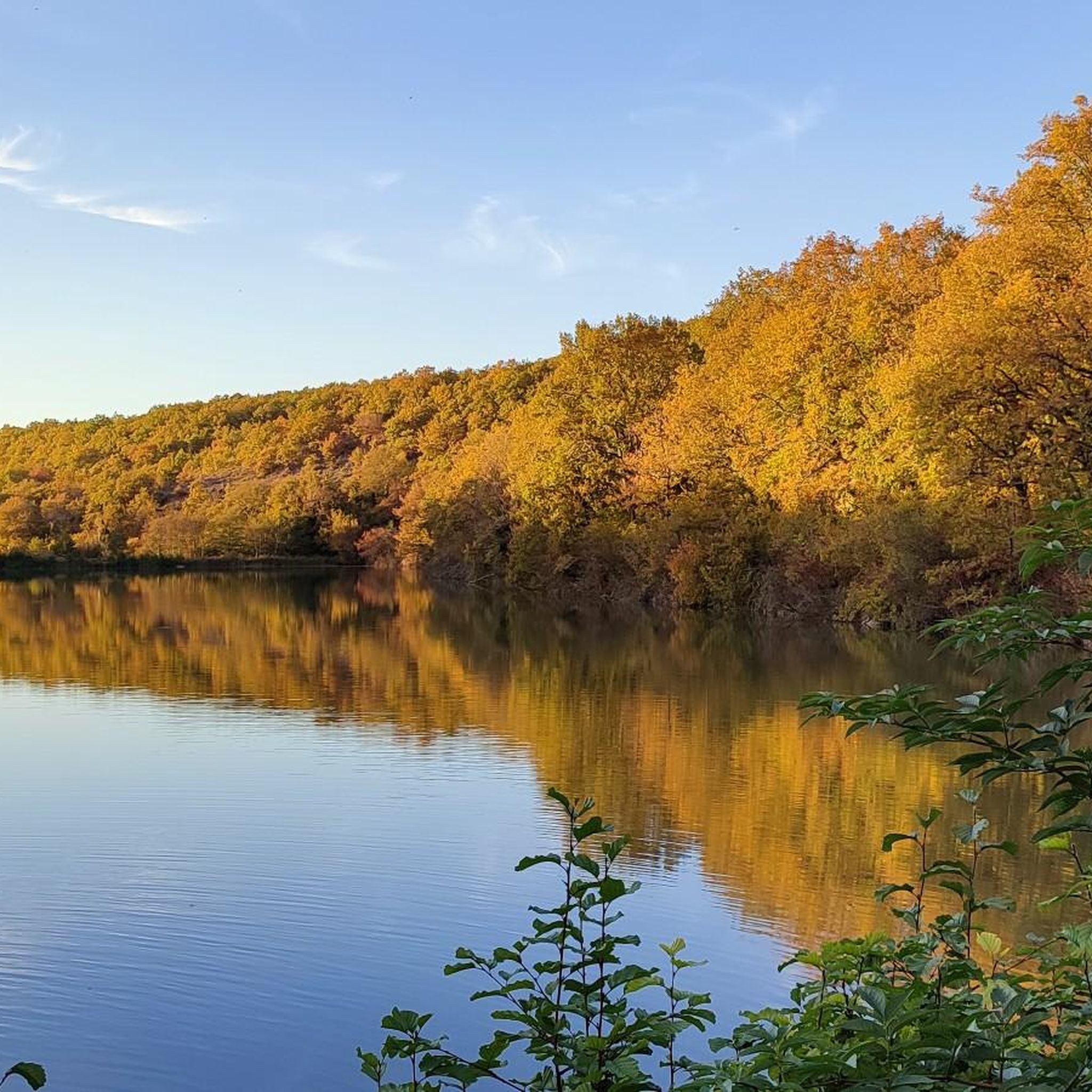
Superb spot to relax on the Charente, before going from one bank to the other. No car, but lots of steps to access the footbridges and locks.
1
0

In the heart of the city, this town hall is truly impressive. This public building, the former castle of the Counts of Angoulême, was built in ten years starting in 1858. Paul Abadie Fils, the architect, will preserve two towers, one from the 13th century, the other from the 15th century. The monument presents different architectural styles, witnesses to the history of the city.
5
0

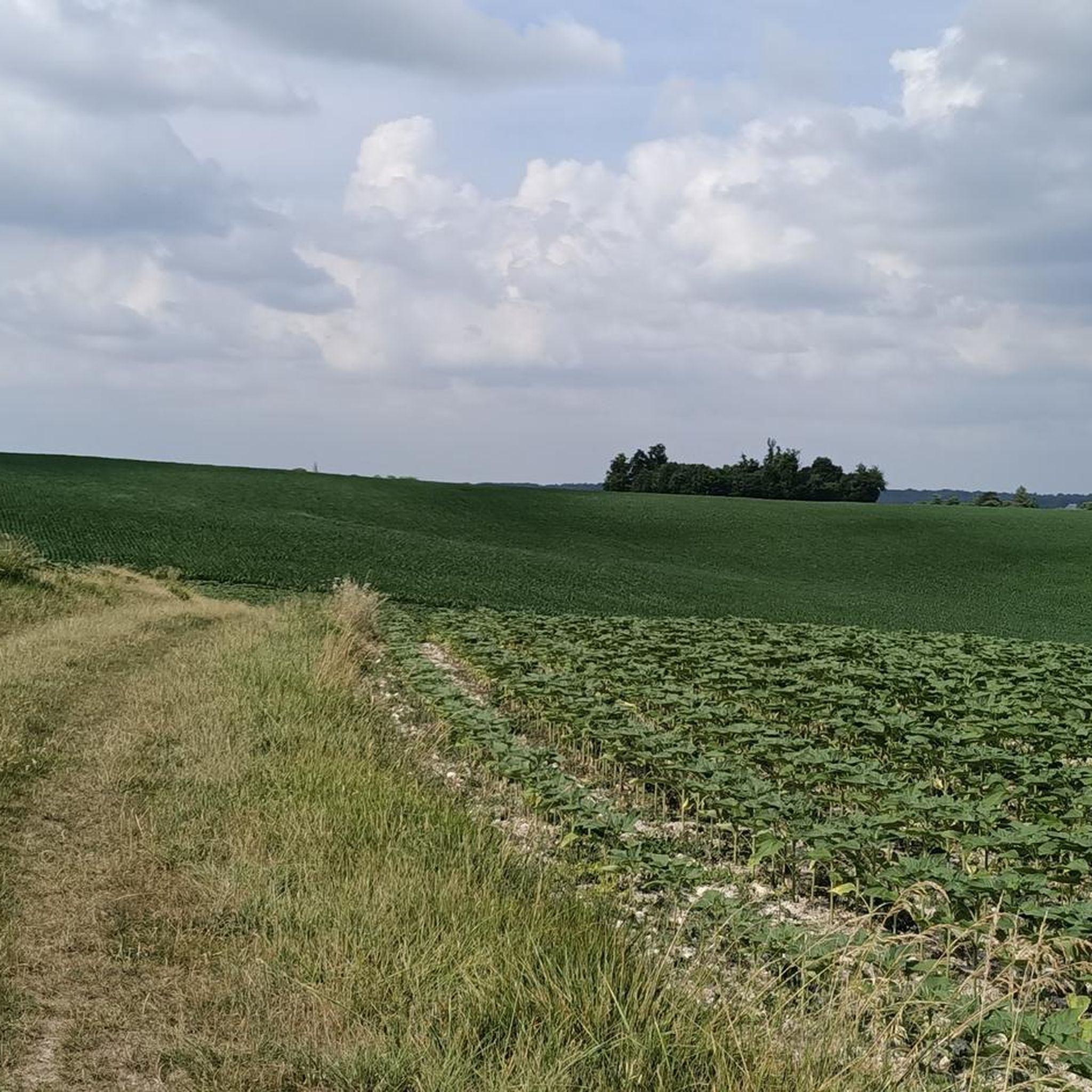
This beautiful valley is classified as a Site of European Interest due to its limestone cliffs and Mediterranean vegetation. The southern slopes are dry grassland which favors a warmer climate, while the northern slopes and valley floor are cooler and wetter. As a natural climbing site, it is known all over the world.
2
0
This beautiful valley is classified as a Site of European Interest due to its limestone cliffs and Mediterranean vegetation. The southern slopes are dry grassland which favors a warmer climate, while the northern slopes and valley floor are cooler and wetter. As a natural climbing site, it is known all over the world.
5
1

A temple dedicated to Jupiter would have been erected on the site of Angoulême cathedral in Gallo-Roman times. In the 4th century, a cathedral dedicated to Saint Peter was built. The Visigoths destroy it. The cathedral was rebuilt in the 6th century. This second building was destroyed in 981 following a fire linked to the Norman raids in the region. A new cathedral was then built by Bishop Grimoard de Mussidan. Nevertheless, the current cathedral is due to the eminent bishop Girard, legate of the Pope. The latter manages the site himself. He chose to cover his cathedral with cupolas as he observed similar ones in Périgueux and Cahors. It also shows originality by covering its facade with sculptures. Work began in 1110. The cathedral was probably almost completed in 1138, when it was consecrated. The cathedral is looted during the Wars of Religion. It served as the Temple of Reason under the Revolution. It underwent a radical restoration by the architect Paul Abadie who added to the facade its gable, its pinnacles and its equestrian statues. He also reconstructed the dome of the crossing and the bell tower.
3
0
Frequently Asked Questions
What are the main natural attractions around Dirac?
The region around Dirac offers beautiful natural sites. The Vallée des Eaux claires is a notable highlight, classified as a Site of European Interest due to its limestone cliffs and Mediterranean vegetation. It's also a globally recognized natural climbing site. Another popular spot is Fleurac Islands, a recreational area with islands connected by wooden walkways, perfect for a break in the shade of trees.
What historical sites can I visit near Dirac?
Near Dirac, you can explore significant historical landmarks. The Saint-Pierre d'Angoulême Cathedral, built around 1110, features a west facade adorned with over 70 sculptures depicting daily life. The Angoulême Town Hall, originally a castle of the Counts of Angoulême, incorporates two towers from the 13th and 15th centuries. Additionally, the Château de la Rochandry offers a glimpse into the region's medieval past.
Are there family-friendly activities in the Dirac area?
Yes, the Dirac area provides options for families. Fleurac Islands is an ideal destination for families, offering easy access by bike from Angoulême and a pleasant spot for picnics. The Saint-Pierre d'Angoulême Cathedral, with its intricate sculptures, can also be an engaging visit for older children interested in history and art.
What do visitors particularly enjoy about the attractions near Dirac?
Visitors appreciate the diverse landscape and historical richness. The Vallée des Eaux claires is loved for its natural beauty and climbing opportunities. Fleurac Islands is popular for its tranquil setting and as a spot for walkers and families to relax. The historical depth and architectural detail of sites like the Saint-Pierre d'Angoulême Cathedral are also highly valued.
Are there good walking or hiking trails near Dirac?
Yes, the area around Dirac offers various walking and running trails. You can find moderate to difficult running trails like the "Valley of Clear Waters - Pumoyen loop" or the "Eaux Claires Valley – Orchard Mill loop from Puymoyen." For more options, explore the Running Trails around Dirac guide.
Can I find cycling routes around Dirac?
Absolutely. Dirac is well-suited for cycling enthusiasts. There are road cycling routes such as the "Château de Torsac loop from Dirac" (easy) and the "The Haberdashery – Château de la Mercerie loop from Puymoyen" (moderate). For gravel biking, consider routes like the "Greenway – Fleurac Islands loop from Gond-Pontouvre." More details can be found in the Road Cycling Routes around Dirac and Gravel biking around Dirac guides.
Are there any castles or châteaux to explore near Dirac?
Yes, the region boasts several historical castles and châteaux. The Château de la Rochandry is a superb chateau with a rich history. The Angoulême Town Hall itself was formerly a castle. Further afield, you can visit the Chateau de la Mercerie, about 11 km south of Dirac, or the castle in the pleasant village of Villebois-Lavalette.
What are some charming nearby towns or villages worth visiting?
Beyond Dirac, several charming towns and villages are worth exploring. Angoulême, just 11 km away, offers historical depth with its cathedral and town hall. Torsac, 5 km southwest, is a small, interesting village. Mouthiers-sur-Boëme features a 12th-century Romanesque church, and Charmant, 13 km south-southwest, has a small castle and church. Villebois-Lavalette, 14 km south-south-east, also boasts a castle and is pleasant to explore.
Can I find places for refreshments or coffee near the attractions?
Yes, some attractions offer refreshment options. At Fleurac Islands, there's a refreshment bar open during the season, with possibilities for fast food and coffee on the terrace of the guinguette. In Angoulême, the Town Hall is surrounded by terraces of cafes and restaurants.
What kind of wildlife can I expect to see in the natural areas?
While specific wildlife sightings are not guaranteed, the Vallée des Eaux claires, recognized as a Site of European Interest, is known for its diverse environments. With limestone cliffs and Mediterranean vegetation, it supports varied flora and fauna. Exploring its trails offers opportunities to observe local birdlife and other small creatures adapted to these unique habitats.
Are there any markets in the vicinity of Dirac?
Yes, several nearby towns host regular markets. You can find markets in Ruelle-sur-Touvre (8km), Angoulême (10km), and La Couronne (11km). These markets are great places to experience local culture and find regional products.
Most popular attractions around Dirac

Get inspired with the komoot mobile app


Explore more
Still not found the Highlight you’re looking for? See guides of the top attractions in other regions:
