Attractions and Places To See around Bouëx - Top 20
Best attractions and places to see around Bouëx, a commune in the Charente department of southwestern France, offer a blend of historical charm and natural beauty. The region features significant historical landmarks, including castles and churches, alongside diverse natural landscapes. Visitors can explore scenic valleys and viewpoints, reflecting the area's varied character. Bouëx provides opportunities to experience local character and engage with its natural surroundings.
Best attractions and places to see around Bouëx
- The most popular attractions is Vallée des…
Last updated: July 2, 2026
Vallée des Eaux claires
Highlight (Segment) • Other
Translated by Google •
Tip by

Château de la Tranchade
Highlight • Castle
Translated by Google •
Tip by
Sign up now to discover places like this
Get recommendations on the best single tracks, peaks, & plenty of other exciting outdoor places.
Sign up for free
Saint Martin's Church, Mornac
Highlight • Other
This …
Translated by Google •
Tip by

Saint Paul's Church in Chazelles
Highlight • Other
Translated by Google •
Tip by
Saint-Cybard Church of Dignac
Highlight • Religious Site
Translated by Google •
Tip by

Sign up for free to discover even more attractions around Bouëx.
Sign up for free
Already have an account?
Start today with a free account
Your next adventure awaits.
Login or Signup


Tips from the Community

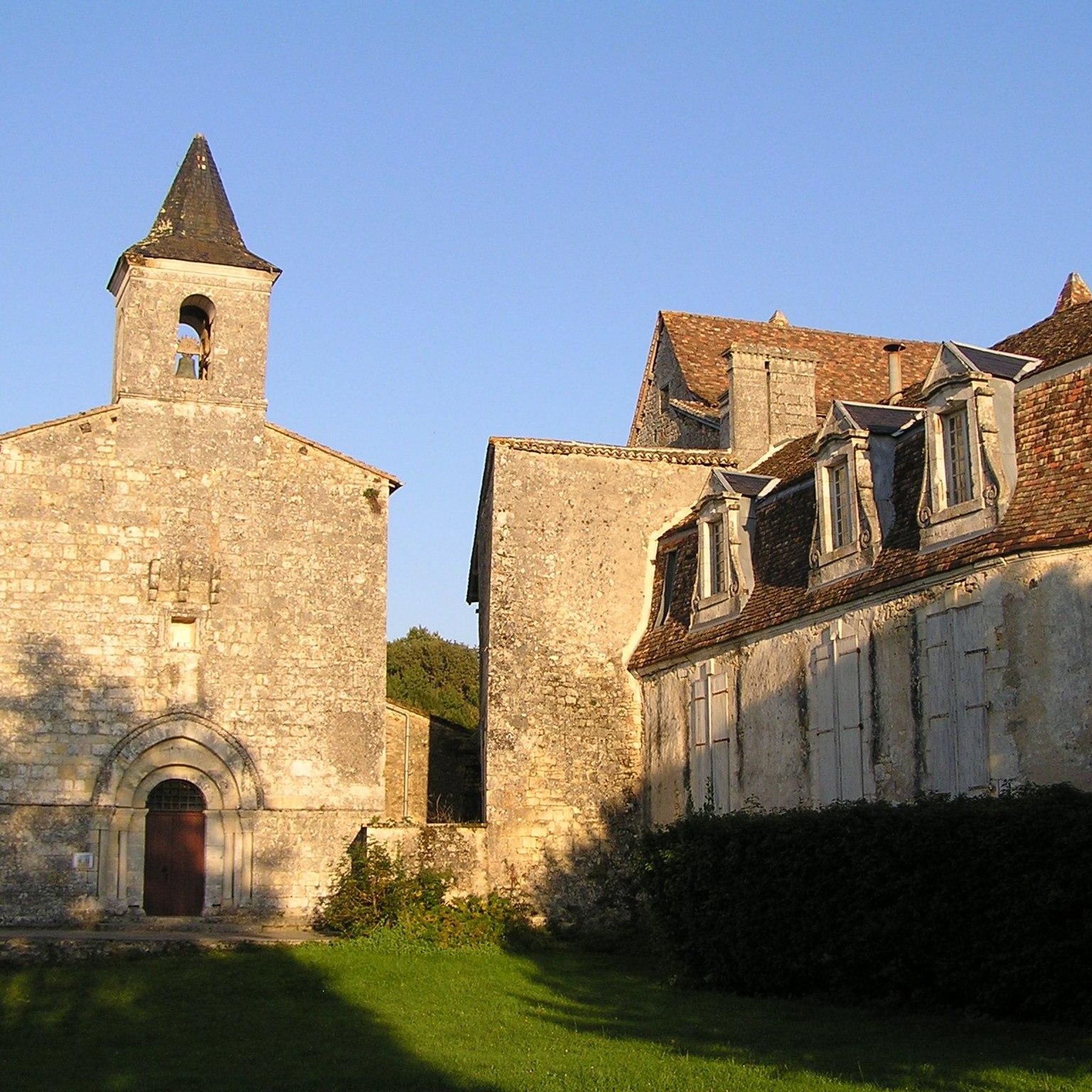
The building, constructed in the 12th century, was enlarged in the 15th century by the north and south aisles dedicated to the Virgin and Saint John the Baptist. It was restored in 1875-1876. It has a basilica plan with a single nave, on which is grafted to the east a false square surmounted by a dome on pendentives and which ends in a vaulted apse. Side chapels with flat chevet were added, to the north and south, in the 15th century. The facade is pierced by a door with a triple projection and an open window. The building was fortified at the time of the Hundred Years' War. The whole is surmounted, to the east, at the level of the dome, by a square bell tower on two levels. The base is decorated with three blind arcades; The upper floor is decorated, on each side, with three semicircular arches mounted on small columns, highlighted by a circular stringcourse and enclosing twin bay windows. https://www.dignac.fr/histoire-et-patrimoine/ https://monumentum.fr/monument-historique/pa00104355/dignac-eglise-saint-cybard
0
0

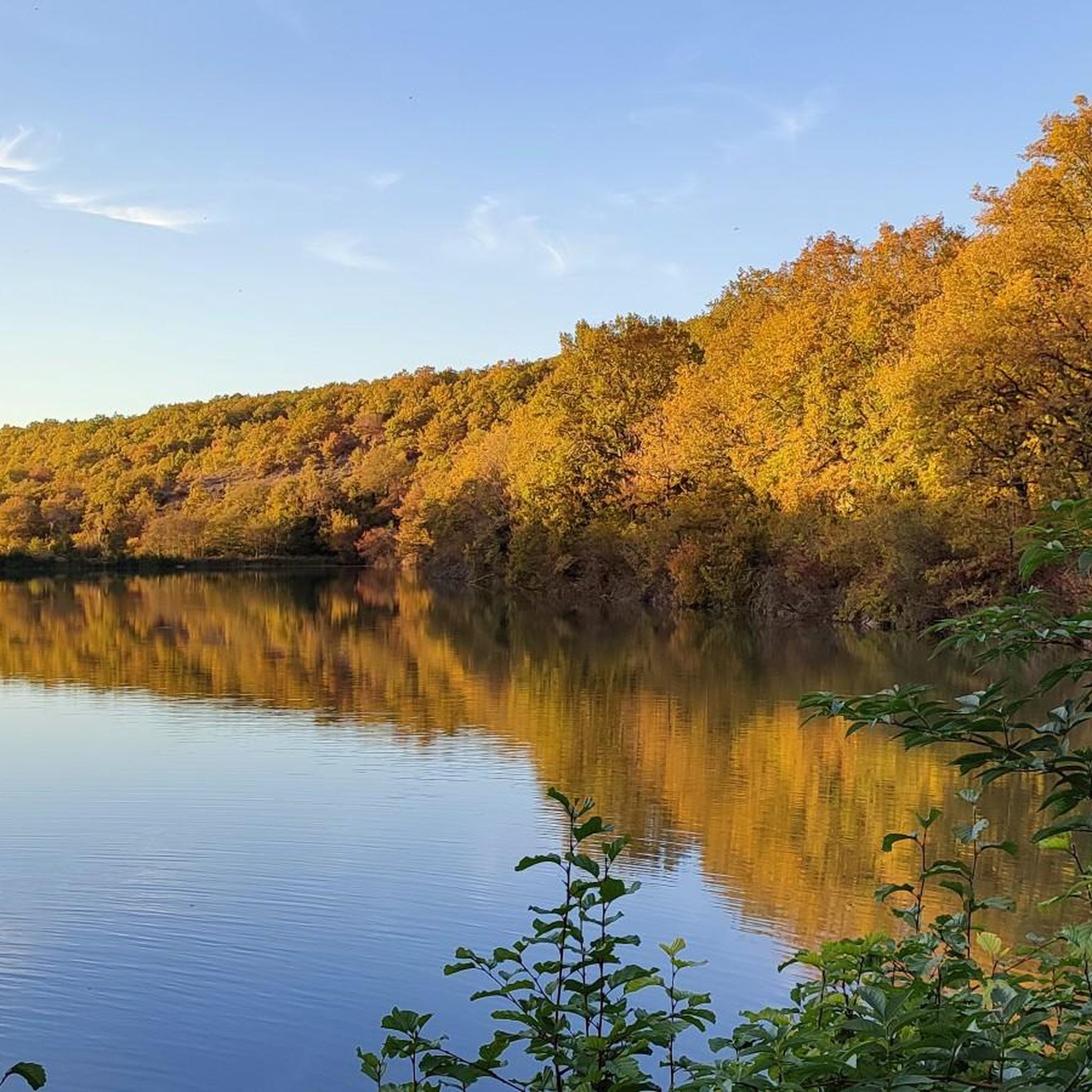
This beautiful valley is classified as a Site of European Interest due to its limestone cliffs and Mediterranean vegetation. The southern slopes are dry grassland which favors a warmer climate, while the northern slopes and valley floor are cooler and wetter. As a natural climbing site, it is known all over the world.
2
0
This beautiful valley is classified as a Site of European Interest due to its limestone cliffs and Mediterranean vegetation. The southern slopes are dry grassland which favors a warmer climate, while the northern slopes and valley floor are cooler and wetter. As a natural climbing site, it is known all over the world.
5
1
The Château de la Tranchade dominates the Anguienne valley on a rocky outcrop protecting the south-eastern access to Angoulême. A strategic stronghold to control Angoulême, La Tranchade has often been besieged.
4
0

The castle was, in the Middle Ages, the seat of one of the most important seigneuries of Angoumois. In the 12th century, La Tranchade was part of the domains of the abbey of Saint-Cybard. In the 14th century, it belonged to the lords of Pressac. The entrance to the estate is via a postern flanked by two asymmetrical square towers, with a parapet on machicolations decorated with shells. A bridge replaced the old drawbridge and crosses the moat dug in the rock. The building is made up of two square buildings, backing onto the keep. The latter is the oldest part, built towards the end of the 14th century. It is rectangular with a blind facade. A hexagonal tower containing the spiral staircase is attached to it. Both are crowned with battlements. The other part of the main courtyard was built in the 17th century. The windows of the south-eastern facade are framed by flat pilasters resting on consoles.
1
0
This building, known from 1110, was rebuilt for the first time around the middle of the 12th century and has undergone other transformations which have modified its original appearance. This building, known from 1110, was rebuilt for the first time around the middle of the 12th century and has undergone other transformations which have modified its original appearance. The history of the church reveals to us that two priests left a memory in the life of the parish: Jean Vergereau named in 1661, died on May 2, 1708 and was buried in the sanctuary; François Faunier du Plessis, who arrived in Mornac on January 18, 1778, was deported to Ile Madame. He died there on September 2, 1794 following ill-treatment inflicted by the revolutionaries. A commemorative plaque was awarded to him on April 28, 1929. The portal is framed by two fonts dating from the 17th century. A coat of arms decorates the first floor. The bell tower has two bells. The oldest dates from 1564 or 1584 and the second dates back to 1724. Some stones carved or engraved by the Compagnons du Tour de France, vestiges of these restorations, appear in the walls of the village. The sacristy has a paved floor made up of these small stones called "Dent de Loup" or "Cœurs de demoiselles".
0
0
12th century Romanesque church. The west facade has two buttresses rising to the top at its ends. Double buttresses correspond to the western pilasters of the dome and small ones are placed to the west of the nave, on the chapel and the apse. The rectangular bell tower has a first floor with arches, resting on a molded cordon. On another cordon, loaded with vertical billets, rises a second floor, the walls of which are pierced with rectangular openings. Inside, the nave has no vault. Its western and southern walls were dated back to the 17th century. Part of the pavement of the nave is made up of funerary slabs, bearing the representation of the working instruments of the deceased. A covered wooden chapel is supported to the north. It communicates with the nave by two wide arches. The false square, under the bell tower, carries a dome on horns, the departures of which rest on horizontal cords.
1
0

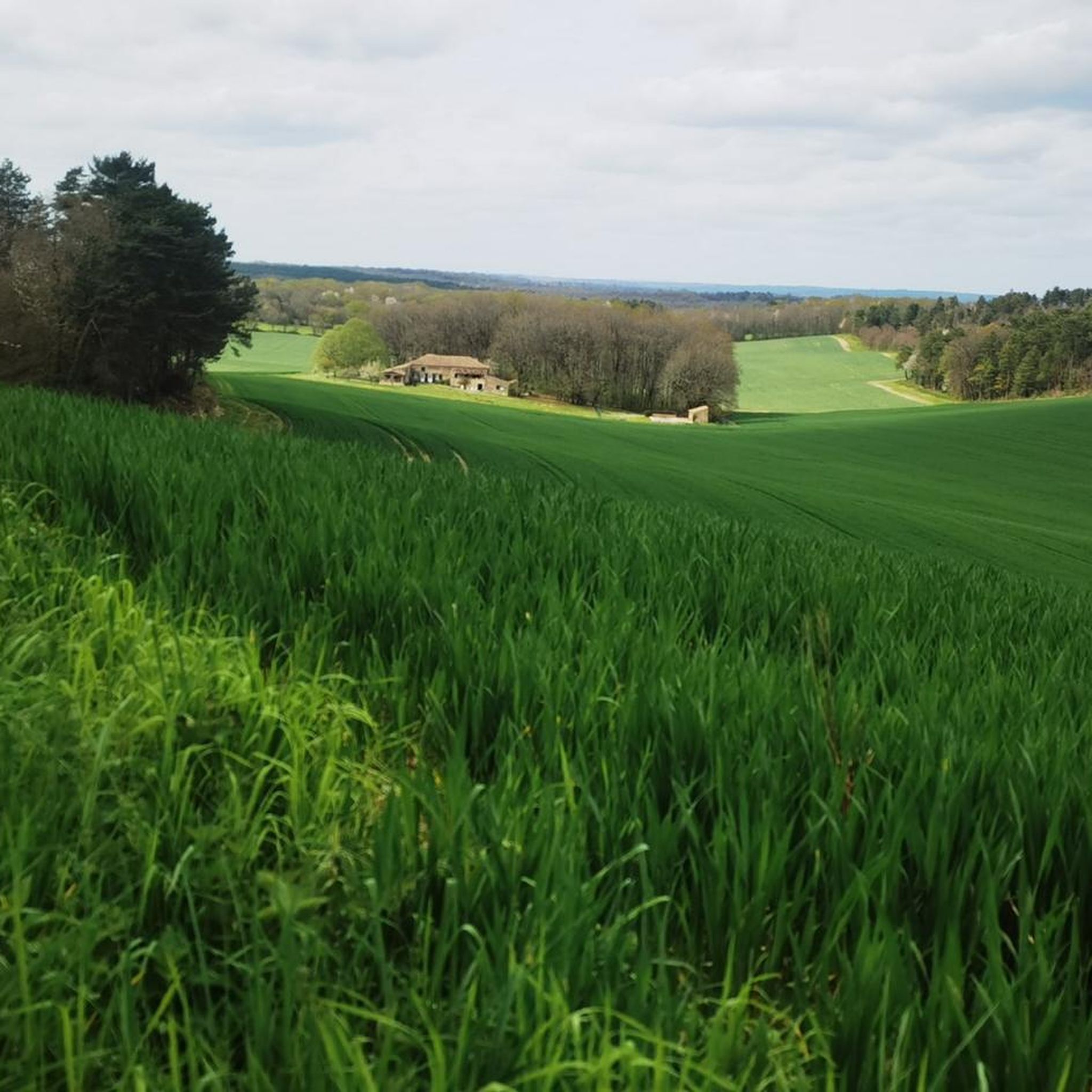
Natural valley protected by steep walls. This plot is a short version. There are many paths, some of which are not shown on Komoot, to compose your own variations. The high trails offer superb views, but require vigilance due to the risk of falling. The Moulin du Verger, below, is also worth a look.
2
2
Frequently Asked Questions
What natural features can I explore around Bouëx?
The most prominent natural feature is the Vallée des Eaux claires, a natural valley classified as a Site of European Interest. It's known for its limestone cliffs, Mediterranean vegetation, and serves as a natural climbing site. The area also features diverse landscapes with dry grasslands on southern slopes and cooler, wetter conditions in the valley floor. Additionally, the Forêt domaniale de la Braconne – Bois Blanc borders the commune, offering further natural exploration.
Are there historical sites to visit directly within Bouëx?
Within Bouëx itself, you can discover a picturesque ensemble featuring the local church, a castle, and its washhouse, which are highlighted on local hiking trails. The commune has also been the site of historical reconstitutions, such as a maquisard camp, offering insights into the Resistance history from 1944.
What kind of outdoor activities are available near Bouëx?
Bouëx is an excellent starting point for various outdoor activities. You can find numerous hiking, mountain biking, and gravel biking routes. For hiking, explore trails like the 'Bouëx – loop' or the 'Washhouse loop from Sers'. Mountain biking enthusiasts can try routes such as 'BOUEX - forest – La Lèche Washhouse loop from Bouëx' or 'Vallée des Eaux claires – Viaduc de l’Anguienne loop from Dirac'. For more details on these activities, visit the Hiking around Bouëx, MTB Trails around Bouëx, and Gravel biking around Bouëx guides.
Are there any family-friendly attractions or activities?
Yes, the View of the Plateau is considered family-friendly, offering panoramic perspectives. For more active families, the nearby Accroparc in Soyaux provides an adventure park experience with ziplining. Many of the local hiking trails, especially those with moderate difficulty, can also be suitable for families.
Where can I find scenic views or viewpoints?
The View of the Plateau offers breathtaking panoramic views of the Angoulême plateau, including landmarks like the town hall and Notre Dame d'Obezine. The higher trails within the Vallée des Eaux claires also provide superb vistas, though some require vigilance due to potential falling risks.
What are some notable churches or religious sites in the area?
Beyond Bouëx's local church, you can visit the historic Saint Martin's Church in Mornac, which dates back to the 12th century and has undergone several transformations. Another significant site is the 12th-century Romanesque Saint Paul's Church in Chazelles, known for its unique architectural features and funerary slabs.
What do visitors particularly enjoy about the attractions around Bouëx?
Visitors appreciate the blend of historical charm and natural beauty. The Vallée des Eaux claires is highly regarded for its unique ecosystem and climbing opportunities. The Château de la Tranchade is valued for its historical significance and strategic position overlooking the Anguienne valley. The scenic viewpoints, like the View of the Plateau, are also popular for their panoramic perspectives.
Are there any caves or unique geological sites to visit?
Yes, the nearby region offers the Caves of Quéroy and Placard, which are leisure centers and caves located in Chazelles and Moulins-sur-Tardoire, respectively. These provide opportunities to explore unique underground formations.
What is the best time of year to visit Bouëx for outdoor activities?
The region's climate, with its Mediterranean vegetation in areas like the Vallée des Eaux claires, suggests pleasant conditions for outdoor activities during spring and autumn. These seasons typically offer milder temperatures, ideal for hiking, cycling, and exploring the natural and historical sites without the intense heat of summer or the chill of winter.
Are there options for accommodation in or near Bouëx?
While specific accommodations in Bouëx are not detailed, the fan-out queries indicate that visitors often look for accommodation in Bouëx or nearby villages such as Sers and Garat. These surrounding areas would likely offer various lodging options, from guesthouses to hotels, catering to visitors exploring the region.
What are some other cultural attractions in the wider region?
Beyond Bouëx, the wider region offers several significant cultural attractions. These include the historic Château de la Tranchade, the impressive Château de La Rochefoucauld, and the Angoulême Cathedral. In Angoulême, you can also visit Le Musée de la Bande Dessinée (Comic Strip Museum), a notable cultural site.
Are there hiking trails suitable for different difficulty levels?
Yes, the hiking routes around Bouëx cater to various skill levels. For instance, the 'Bouëx – loop' is classified as difficult, while trails like the 'Washhouse – Lover's oak loop from Sers' and the 'Washhouse loop from Sers' are rated as moderate. You can find more details and options in the Hiking around Bouëx guide.
Are there opportunities for wildlife spotting or nature photography?
Bouëx offers opportunities for nature photography and wildlife spotting, particularly birdlife. Instances of cranes aligning with the moon have been noted, indicating the presence of interesting bird species in the area. The diverse ecosystems of the Vallée des Eaux claires and the surrounding forests also provide habitats for various flora and fauna.
Most popular attractions around Bouëx

Get inspired with the komoot mobile app


Explore more
Still not found the Highlight you’re looking for? See guides of the top attractions in other regions:
