The best cycling routes around Lignières-Sonneville
4.6
(106)
920
riders
87
rides
Touring cycling routes around Lignières-Sonneville traverse a landscape characterized by rolling hills and agricultural areas, including extensive vineyards. The region features a network of roads and tracks suitable for cycling, with varied elevation changes. This area offers a mix of open countryside and routes that connect small villages.
Best touring cycling routes around Lignières-Sonneville
- The most popular touring cycling route is Bridge near Le Mareuil – Vinade-Bassac bridge loop from Saint-Même-les-Carrières, an 18.1 miles (29.2 km) trail that takes…
Last updated: August 25, 2026
20
riders
23.7km
02:05
260m
260m
Moderate bike ride. Good fitness required. Mostly paved surfaces. Suitable for all skill levels.
21
riders
29.0km
02:33
330m
330m
Moderate bike ride. Good fitness required. Mostly paved surfaces. Suitable for all skill levels.

Sign up for free
12
riders
25.4km
02:20
330m
330m
Moderate bike ride. Good fitness required. Mostly paved surfaces. Suitable for all skill levels.
12
riders
20.5km
01:37
80m
80m
Easy bike ride. Great for any fitness level. Mostly paved surfaces. Suitable for all skill levels.
4.5
(2)
9
riders
Moderate bike ride. Good fitness required. Mostly paved surfaces. Suitable for all skill levels.
Get access to more routes and recommendations from other explorers.
Sign up for free
Already have an account?
Our route recommendations are based on thousands of hikes, rides, and runs completed by other people on komoot.
Start today with a free account
Your next adventure awaits.
Login or Signup
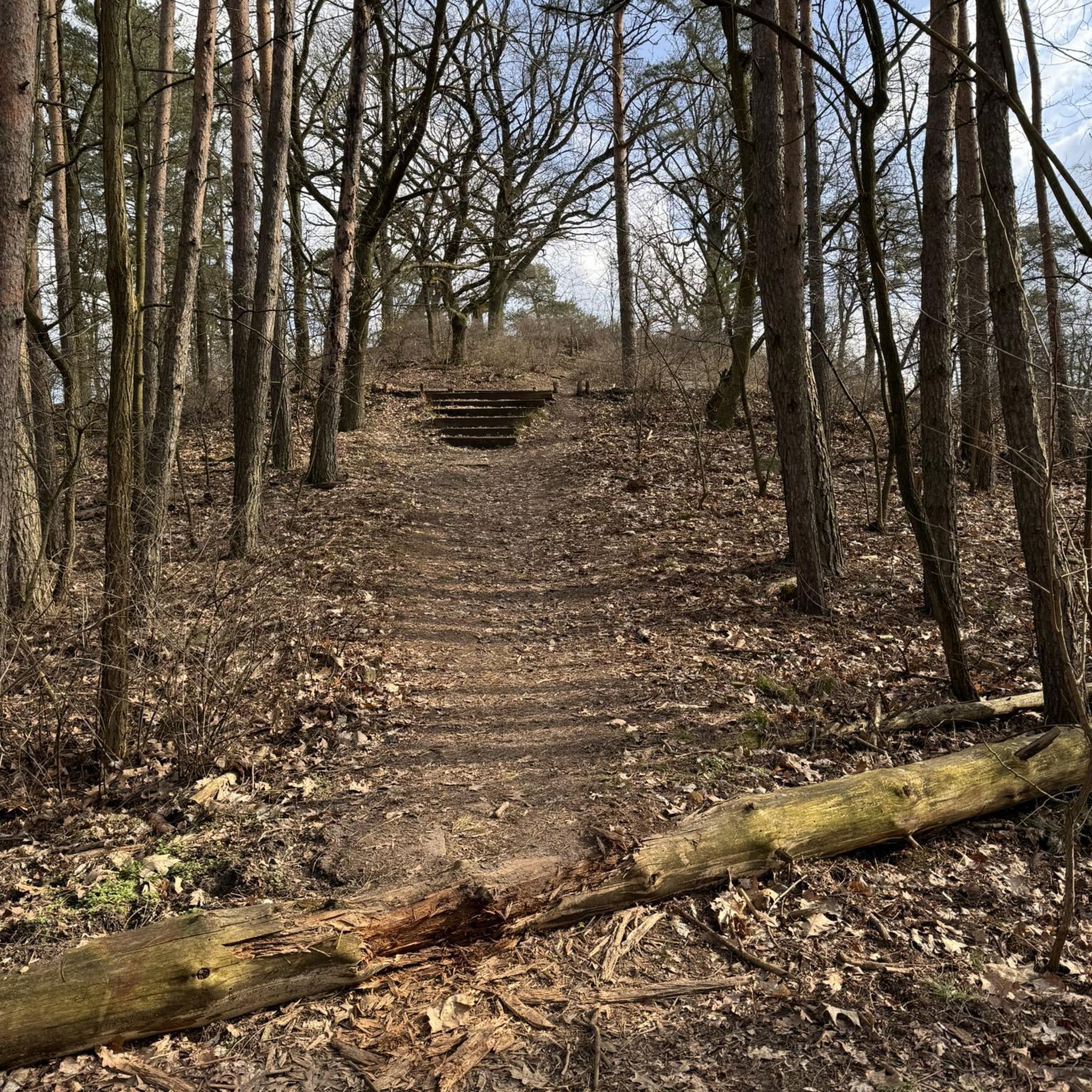
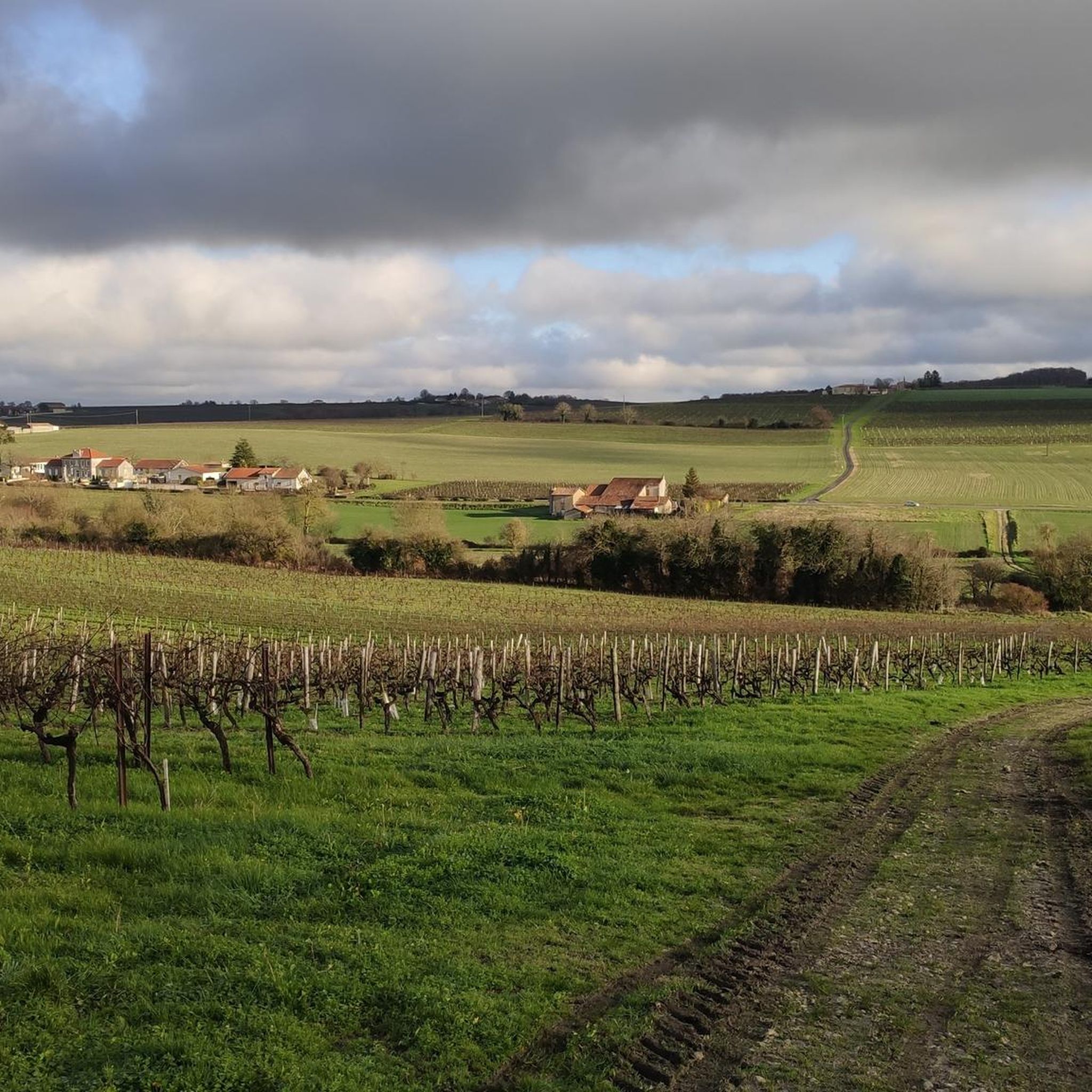


Tips from the Community

Consider deviating from the cycle path for a few minutes. Church your real the detour
1
0

A beautiful place, known for its climbing site. But there are more possibilities: the heights accessible by small slopes offer beautiful views.
1
0

The church is in the form of a rectangle thirty meters long and ten meters wide, flanked by 4 buttresses, one of which is located on the north wing and the 3 others on the south wing, a bell tower and a small extension on the south west part housing a chapel dedicated to the Virgin Massive building, reinforced by buttresses, low and poorly lit, it has a facade with a Romanesque portal surmounted by a large rose window. This gate is made up of 2 straight legs, and a projecting coving made up of 3 semicircular rollers with a keystone. The oculus rose is surrounded by a frieze with a sawtooth motif. The porch opens onto a single nave 22 m long by 9 wide without side aisles. It is made up of 4 bays with semi-circular vaults. The south wall is pierced under the 1st bay with a large semi-circular arch giving access to the chapel. The north wall has a pulpit which bears a monogram which would be that of Louis XIV. The choir of the church, raised from the nave by 3 steps, consists of a flat chevet and a span of semi-circular vaults. The bedside wall is pierced at each end with a rectangular door allowing access to the sacristy. The old sacristy has just been refurbished and has a very modern look with paneling on the floor and ceiling. The chapel of the Virgin is located on the southern extension of the church. It measures 13.50 m long by 7 wide, and consists of a small single nave 10 m long by 7 wide and a choir with a flat apse. The floor of this chapel is 1.25 m lower than the floor of the church corresponding to the initial floor of the old abbey. Access to the bell tower is through a door located on the east wall of the nave of the chapel. It consists of 4 floors and a vaulted ground floor. The facing is made up of medium-sized cut stone for the ground floor and the 1st floor and rubble stone coated with brown lime for the 2nd and 3rd floors.
0
0
Baignes Abbey became a parish church after the revolution. It was part of the diocese of Saintes until the middle of the 19th century. The foundation of the Abbey would seem to date back to the 11th century. It was ransacked during the 100 Years War and then destroyed by the Protestants. The current building is totally different from the Old Abbey due to the destruction/modifications that have taken place.
2
0
From the 12th to the 15th century, the parish church of Saint-Pierre was part of the former diocese of Saintes. The Romanesque church underwent major renovations in the Gothic period (nave, chancel). It was largely destroyed in 1562, during the Wars of Religion and has only retained its old choir, its facade bell tower and its south aisle. A major restoration campaign was carried out in the years 1865-1868. It was at this time that the nave and the side aisles were rebuilt. The choir with a flat apse pierced by a large bay window in the Flamboyant Gothic style, is covered with a vault of warheads with liernes. It was built in the middle of the 15th century by the Valois of Orléans, whose arms appear in the keystone. A bay with four mullions and a flamboyant network to the east, and a simple lancet bay on the other sides illuminate it. On the facade, established in projection and the width of the porch, opens the door with three rollers, formed of sausages and cavets, on columns, with capitals with foliage and foliage, surrounded by a cord loaded with festoons. Above is the square bell tower, presenting to the west a foliated frieze, a cornice and a blind arcade, received by seven columns with capitals. Set back, there are two floors adorned with five columns on the corners and two intermediate ones, rising to the top. The first is pierced on each side by two semicircular arches. The second floor is open with two third-point bays, on columns. A conical spire completes the bell tower. The beautiful bell tower with a stone spire covered with scales belongs to the original Romanesque church. It was completed in the 19th century by four small pinnacles surrounding the spire. Placed to the west of the building, it now serves as a bell tower. The floor covered with a stone barrel vault opening onto the nave has two capitals from the first half of the 12th century; one of them represents two men leaning against each other whose hands are eaten by monsters. A 12th century gallery exists above the porch, the width of the nave; Originally this platform extended over the aisles which extended along the alignment of the porch. The Romanesque facade and bell tower, as well as the Gothic choir, have been listed as Historic Monuments since 1932.
0
0

The church depended on the priory of Barbezieux. The plan of the building is in the shape of a cross, with a flat apse. The nave includes two first bays from the 15th century, deviated on the axis of the rest of the building, with ribbed vaults and girders. A narrower bay is covered with ribbed vaults resting on Romanesque columns. The current transept and choir are covered with ribbed vaults resting on 13th century small columns with foliated capitals. The choir vault bears the date of 1682. The portal of the western facade dates from the 15th century and has pinnacles, prismatic moldings and kale. Square bell tower with twin trefoil windows.
1
0
The castle of Barbezieux, dominating the plain on the borders of Saintonge and Angoumois is, since the 10th century and throughout the Middle Ages, at the head of a powerful independent châtellenie at the heart of all the power struggles in the region. Between the 11th and 13th centuries, attracted by the protection offered by its influential lords, a large population came to nestle at the foot of the walls. Thus was born the town of Barbezieux, commercial and prosperous at the crossroads of several traffic axes. The end of the 15th century saw its revival thanks to the work of Marguerite de la Rochefoucauld, Lady of Barbezieux. It restores the stately home as well as various buildings in the farmyard. From this work campaign dates the current Archiac Gate and the theater.
0
0
Frequently Asked Questions
How many touring cycling routes are available around Lignières-Sonneville?
There are over 90 touring cycling routes in the Lignières-Sonneville area. These routes offer a variety of experiences, from easy rides to more challenging options, traversing rolling hills, agricultural areas, and extensive vineyards.
What is the general terrain like for touring cycling in Lignières-Sonneville?
The terrain around Lignières-Sonneville is characterized by rolling hills and agricultural areas, including extensive vineyards. You'll find a mix of open countryside and routes connecting small villages, with varied elevation changes. The region features wide country tracks and scenic roads.
Are there easy touring cycling routes suitable for beginners or families in Lignières-Sonneville?
Yes, Lignières-Sonneville offers several easy touring cycling routes perfect for beginners or families. One such route is the Bridge near Le Mareuil – Vinade-Bassac bridge loop from Saint-Même-les-Carrières, an 18.1-mile (29.2 km) trail that follows a river with gentle gradients. Another accessible option is the Bike loop from Segonzac, which is 13.5 miles (21.8 km) long and also rated easy.
What do other touring cyclists say about the routes in Lignières-Sonneville?
The touring cycling routes in Lignières-Sonneville are highly rated by the komoot community, with an average score of 4.7 stars from over 150 reviews. Cyclists often praise the scenic vineyard trails, wide country tracks, and the charming roads with rolling terrain that define the area.
Are there circular touring cycling routes in the Lignières-Sonneville area?
Yes, many touring cycling routes in Lignières-Sonneville are designed as loops, allowing you to start and end in the same location. Examples include the Wide track to explore loop from Lignières-Sonneville and the Vineyard Trail – Nice road and views loop from Saint-Preuil.
What are some scenic viewpoints or attractions I can see along the touring cycling routes?
The region offers beautiful views, especially along routes like the Vineyard Trail – Nice road and views loop from Saint-Preuil, which provides expansive vistas of the vineyards. Nearby attractions include the historic Abbaye de Bassac, the picturesque Vibrac Bridge, and the tranquil Bain des Dames Beach on the Charente, which could be visited as part of a longer ride.
What is the best season for touring cycling in Lignières-Sonneville?
The best seasons for touring cycling in Lignières-Sonneville are typically spring (April to June) and autumn (September to October). During these months, the weather is generally mild and pleasant, ideal for cycling through the vineyards and countryside. Summer can be warm, while winter may bring cooler temperatures and more unpredictable weather.
Are there any less crowded touring bike trails in Lignières-Sonneville?
While the region is popular, many routes traverse quiet country roads and tracks, offering a peaceful cycling experience. To find less crowded options, consider exploring some of the moderate or difficult routes, such as the Nice road and views – Vineyard Trail loop from Saint-Preuil, which might see fewer cyclists than the easier, more popular paths.
Are there any dog-friendly touring cycling routes in Lignières-Sonneville?
Many of the touring cycling routes in Lignières-Sonneville follow quiet country roads and tracks, which can be suitable for cycling with a dog, provided they are well-behaved and on a leash or in a suitable trailer. Always ensure your dog is comfortable with the distance and terrain, and carry enough water for both of you. It's advisable to check local regulations regarding dogs in specific areas or on private land.
Are there opportunities for wild swimming near the touring cycling routes?
The Bain des Dames Beach on the Charente is a well-known spot for swimming and relaxation, which could be a refreshing stop during a longer cycling tour. While not strictly 'wild swimming,' it offers a natural river swimming experience. Always check local conditions and safety guidelines before entering the water.
Is public transport available to access touring bike trails in Lignières-Sonneville?
Public transport options directly to specific trailheads in rural areas like Lignières-Sonneville can be limited. It's generally recommended to travel by car to reach starting points, especially if you're bringing your own touring bicycle. Some local bus services might operate, but their routes and bike carriage policies would need to be verified with the regional transport authority.
Where can I find parking for bike trails near Lignières-Sonneville?
Parking is typically available in the villages where many of the routes start, such as Lignières-Sonneville, Saint-Même-les-Carrières, or Saint-Preuil. Look for public parking areas in the village centers or near local amenities. Always ensure you park responsibly and respect local signage.
Most popular routes around Lignières-Sonneville
Most popular attractions around Lignières-Sonneville

Get inspired with the komoot mobile app


Explore more
Browse the best Cycling routes in other regions.
