The best running trails around Julienne
4.3
(41)
4,197
runners
263
runs
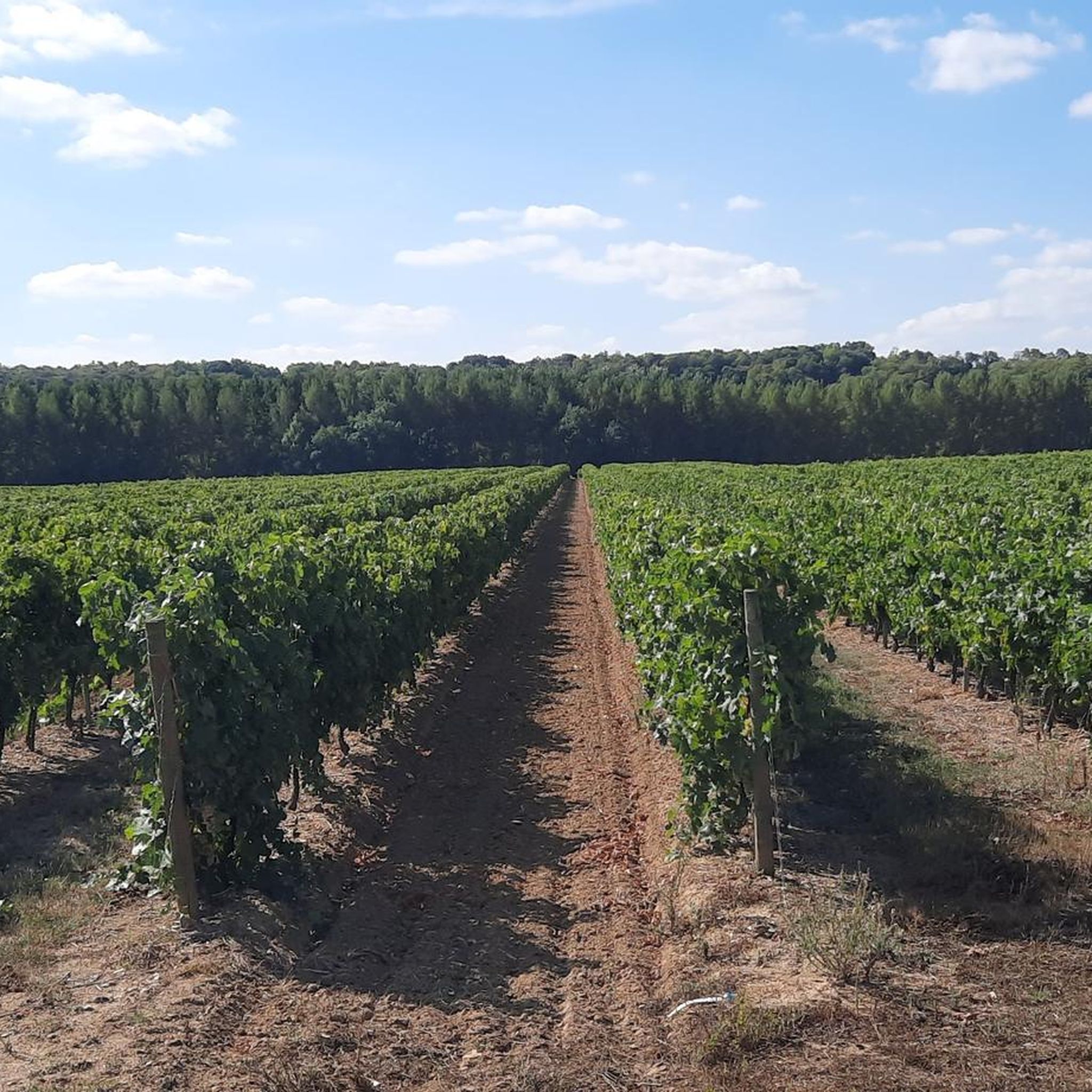
Jogging routes around Julienne traverse a landscape characterized by gentle river valleys, vineyards, and historic châteaux. The region offers a mix of open paths and wooded sections, with routes often following the Charente River and its tributaries. Elevations are generally modest, providing accessible running experiences across varied terrain.
Best jogging routes around Julienne
- The most popular jogging route is Chateau des Chabannes – Vibrac Bridge loop from Bourg-Charente, a 22.3 miles (35.8 km) trail that takes 3 hours 46…
Last updated: June 27, 2026
5.0
(1)
199
runners
10.2km
01:03
50m
50m
Moderate run. Good fitness required. Mostly paved surfaces. Suitable for all skill levels.
4.0
(1)
100
runners
21.8km
02:28
230m
220m
Hard run. Very good fitness required. Mostly paved surfaces. Suitable for all skill levels.

Sign up for free
4.0
(1)
41
runners
8.48km
01:01
90m
90m
Moderate run. Good fitness required. Mostly paved surfaces. Suitable for all skill levels.
5.0
(1)
68
runners
10.1km
01:09
40m
40m
Moderate run. Good fitness required. Mostly paved surfaces. Suitable for all skill levels.
4.5
(4)
56
runners
11.8km
01:17
40m
30m
Moderate run. Good fitness required. Mostly paved surfaces. Suitable for all skill levels.
Get access to more routes and recommendations from other explorers.
Sign up for free
Already have an account?
Our route recommendations are based on thousands of hikes, rides, and runs completed by other people on komoot.
Start today with a free account
Your next adventure awaits.
Login or Signup

Tips from the Community

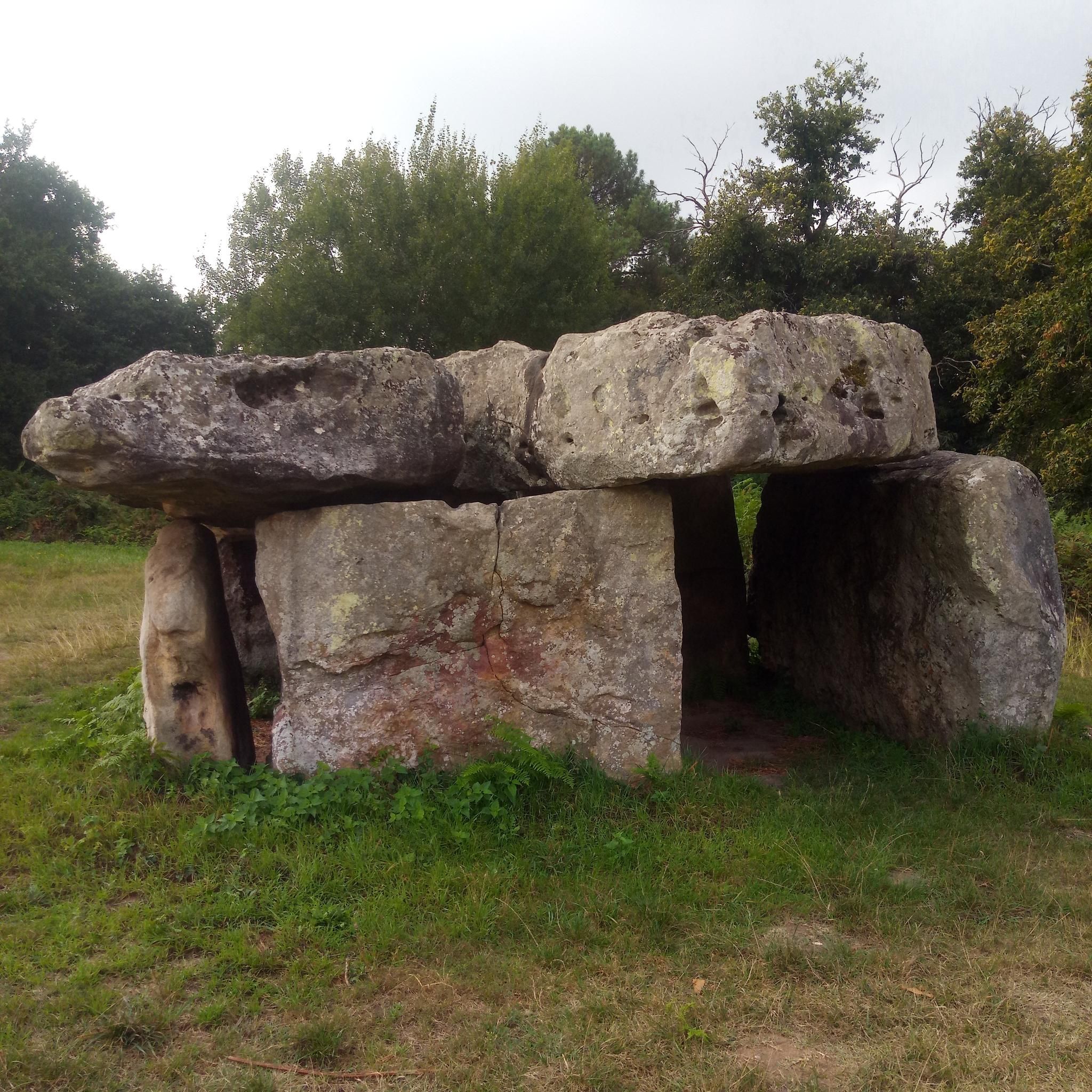
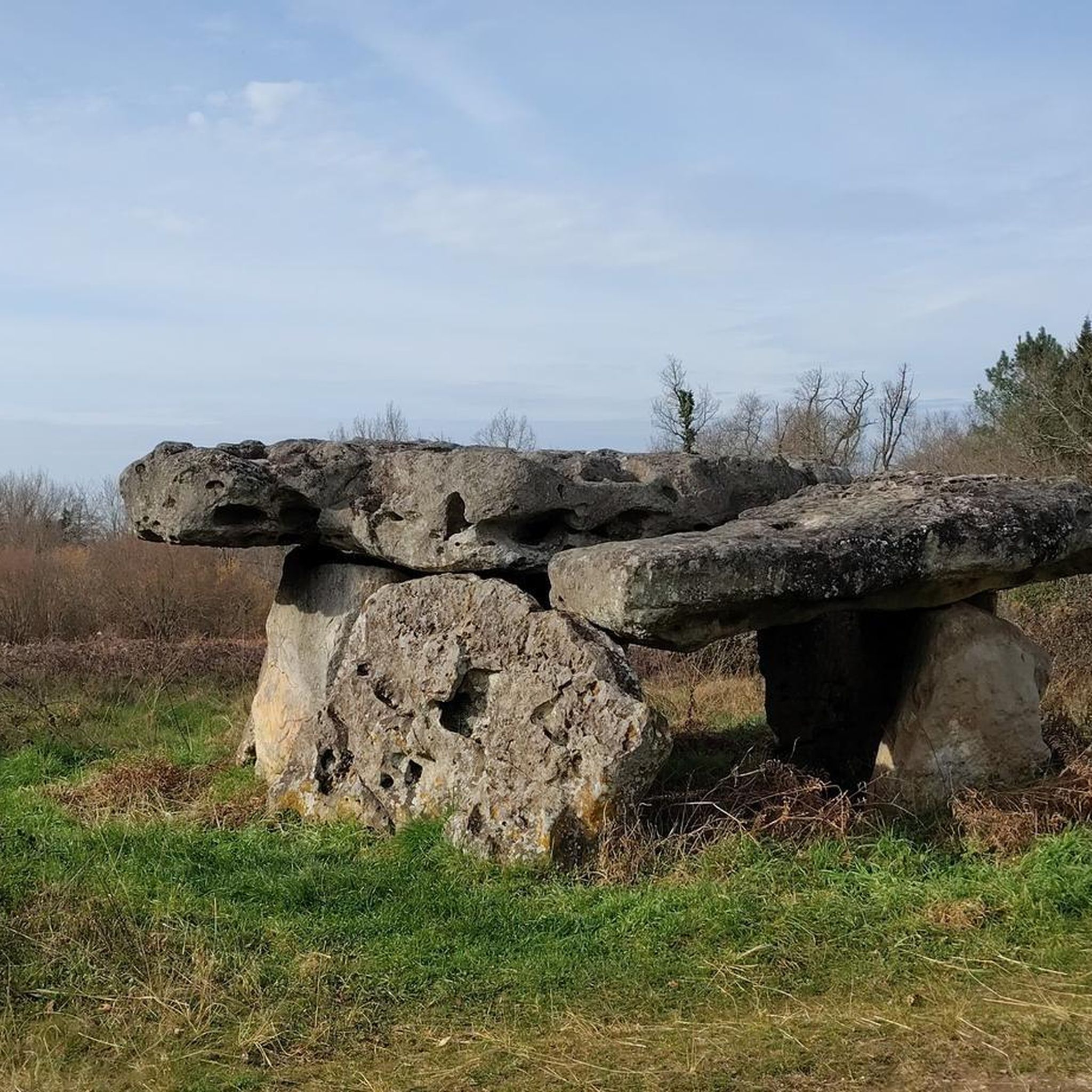
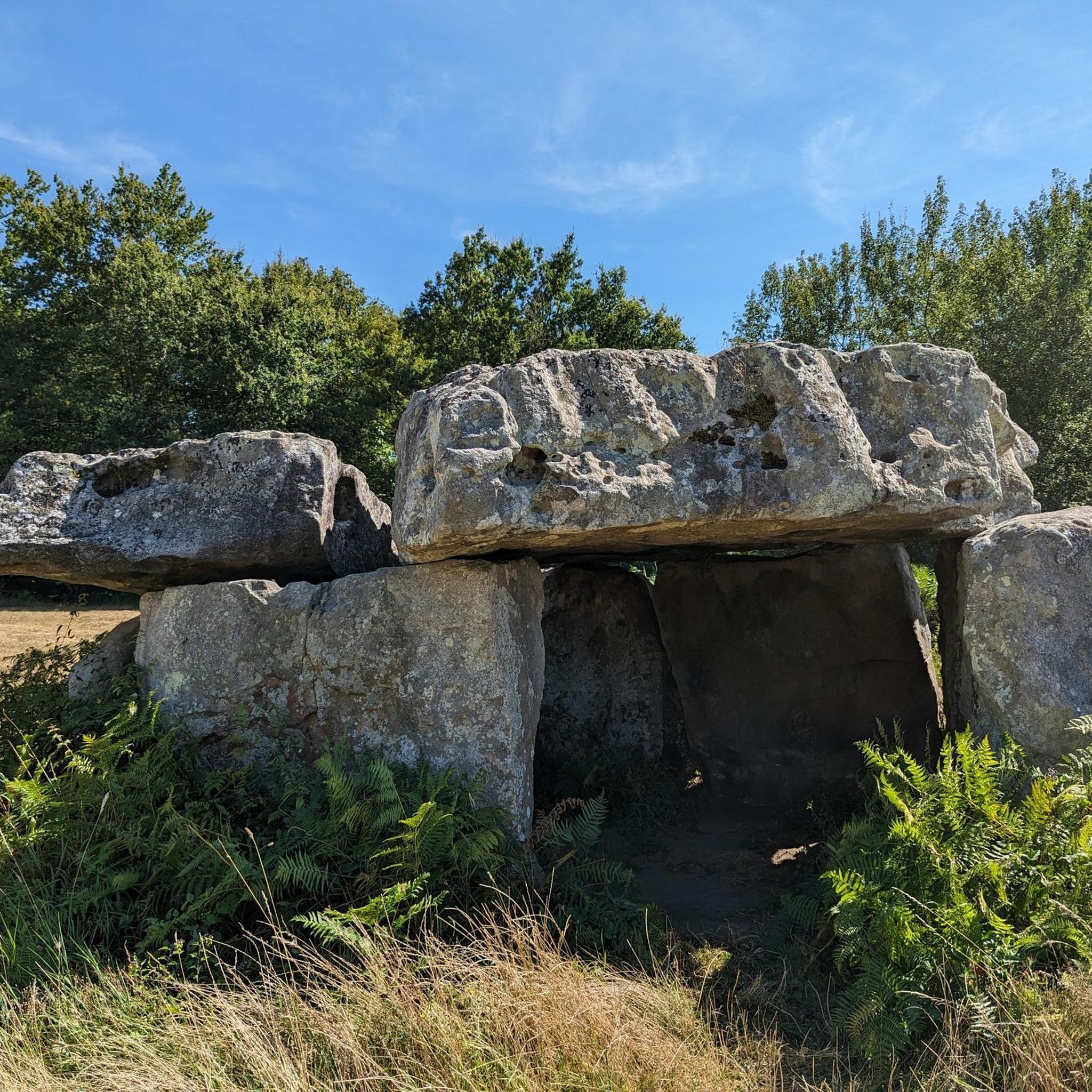
The Garde-Épée dolmen is classified as a historic monument. It is made up of five slabs which delimit the room and slabs which cover it. The dolmen is five meters long and more than two meters high.
0
0

Bourg-Charente castle is a 17th century mansion. Nestled on a rocky promontory, it is located a few kilometers from Cognac. It also houses the remains of a medieval fortress. Acquired in the 20th century, this château houses cellars for producing Grand Marnier. It can be visited from Monday to Friday from 8 a.m. to 5 p.m.
0
0

It is in this castle that the cognac cellars of the Marnier-Lapostolle family are located, used for the production of Grand Marnier cognac.
4
0


In 1262, the land of Bourg already belonged to the Ollivier family. In 1363, Sir Ollivier, Baron de Bourg, paid homage to the Prince of Wales, the remarriage of Eleanor of Aquitaine having made the castle of Bourg-Charente an English possession. It then passed to the Bragier, Gouffier, Pons de Pons families, to the Count of Miossens (lord of Pons and governor of Guyenne). The current castle was built by Pons de Pons, to replace the fortified castle destroyed by Marshal de Sancerre while trying to take it back from the English. A Le Camus de Neville was the last lord. In 1921, it was bought by the Marnier-Lapostolle family to set up its cognac cellars there, necessary for the production of Grand Marnier. Since 2012, there are also stills used for the distillation of bitter oranges used in the recipe for Grand Marnier liqueurs.
1
0
12th century Romanesque church, perfectly preserved. Nave and transept with apse and apsidioles. The bays are domed. The façade has three series of superimposed arcades and is crowned by a pediment. The apse also has arcades and rich symbolic ornamentation on the corbels.
1
0
Construction of the second half of the 19th century, the castle of Gademoulin stands proudly in the town of Gensac-la-Pallue. Neo-Gothic in style, it takes place on the remains of an old medieval castle destroyed in the 16th century during the protests against the salt tax. Sold as national property under the French Revolution, it now houses a luxury accommodation space.
0
0
Frequently Asked Questions
How many running routes are available in Julienne?
Julienne offers a wide variety of running experiences, with over 260 routes available on komoot. These routes cater to all levels, from easy jogs to challenging long-distance runs, ensuring there's something for every runner.
What kind of terrain can I expect on jogging routes in Julienne?
The jogging routes around Julienne traverse diverse landscapes. You can expect gentle river valleys, picturesque vineyards, and historic châteaux. The terrain often features a mix of open paths and wooded sections, with many routes following the Charente River and its tributaries. In areas like the Fonds Sainte-Julienne estate in Belgium, you'll find undulating landscapes with forests, open spaces, and even challenging climbs, descents, and stairs. For Sainte-Julienne in Quebec, trails can range from easy to very difficult, including natural settings with lakes, sandpits, and streams.
Are there running routes suitable for beginners in Julienne?
Yes, Julienne offers several options for beginners. There are 14 easy running routes available, perfect for those just starting out or looking for a relaxed jog. These paths generally feature modest elevations and accessible terrain.
What about more challenging or long-distance running options?
For experienced runners seeking a challenge, Julienne has 46 difficult routes. One notable long-distance option is the Chateau des Chabannes – Vibrac Bridge loop from Bourg-Charente, a difficult 35.8 km trail that takes nearly 4 hours to complete, featuring riverside paths and countryside roads. The Fonds Sainte-Julienne estate in Belgium also hosts events with 6 km and 15 km courses designed to test runners with varied terrain and elevation changes.
Are there circular running routes available?
Yes, many of the running routes in Julienne are circular, allowing you to start and finish at the same point. For example, the Bourg-Charente – Bourg-Charente Castle loop from Bourg-Charente is a moderate 10.2 km circular path offering views of the local castle and vineyards. Another option is the Bois de la Jette loop from Bourg-Charente, a moderate 9.3 km route through wooded areas.
What scenic attractions or landmarks can I see while running in Julienne?
Julienne's running routes often pass by beautiful landmarks and natural features. You can explore historic sites like the Bourg-Charente Castle or the Chateau des Chabannes. In the Quebec region, the Réserve naturelle Beauréal offers trails where you can admire lakes, sandpits, streams, a grotto, and a beaver dam. The Fonds Sainte-Julienne estate in Belgium is known for its woodlands, ponds, and the Sainte-Julienne stream, near the stunning Argenteau castle.
Are there routes that pass by water features like lakes or streams?
Absolutely. Many routes in Julienne incorporate water features. In Sainte-Julienne, Quebec, the Réserve naturelle Beauréal boasts trails alongside lakes, sandpits, and streams. The Fonds Sainte-Julienne estate in Visé, Belgium, is also renowned for its ponds and the Sainte-Julienne stream, offering serene waterside running experiences.
Can I bring my dog on the running trails in Julienne?
While specific regulations vary by location, many natural parks and trails in regions like Sainte-Julienne, Quebec, and the Fonds Sainte-Julienne estate in Belgium are generally dog-friendly, especially if dogs are kept on a leash. It's always recommended to check local signage or park websites for the most current rules regarding pets before heading out.
Are there any family-friendly running paths in Julienne?
Yes, several routes are suitable for families. The easier trails, such as the 14 easy routes available on komoot, are generally well-suited for family outings. The Parc Nature Saint-Jacques/Sainte-Julienne in Quebec also offers trails accommodating various fitness levels, making it a good option for families looking to enjoy the outdoors together.
What do other runners enjoy most about jogging in Julienne?
The running experience in Julienne is highly rated by the komoot community, with an average score of 4.4 stars from over 30 reviews. Runners often praise the region's varied terrain, which includes river paths, vineyard trails, and routes connecting historic châteaux. The natural beauty and diverse options for all ability levels are frequently highlighted.
Are there running routes accessible by public transport in Julienne?
While specific public transport links to every trailhead can vary, many routes in Julienne are located near towns and villages that may have public transport connections. For instance, routes starting from Bourg-Charente, like the Bourg-Charente – Derivant caves loop from Bourg-Charente, might be more accessible. It's advisable to check local transport schedules for the specific starting point of your chosen route.
Is parking available near the running trails?
Parking is generally available near popular trailheads and in the towns and villages that serve as starting points for many routes in Julienne. For example, areas like Bourg-Charente, which is a common starting point for several komoot tours, typically offer parking facilities. In natural areas like Parc Nature Saint-Jacques/Sainte-Julienne, dedicated parking lots are usually provided for visitors.
Most popular attractions around Julienne

Get inspired with the komoot mobile app


Explore more
Browse the best Running Trails & Routes in other regions.
