Top 5 Castles around Chalezeule
Best castles around Chalezeule include historical structures that blend architectural charm with significant pasts. The area features the Demeure dite Château de la Juive, also known as Château de Clementigney, a notable Neo-Gothic castle situated near Besançon. This region offers a mix of historical sites and impressive fortresses, many of which are recognized for their architectural and cultural importance. These structures provide insights into military history and 19th-century architectural design.
Best castles around Chalezeule
- The most popular castles is View…
Last updated: May 11, 2026
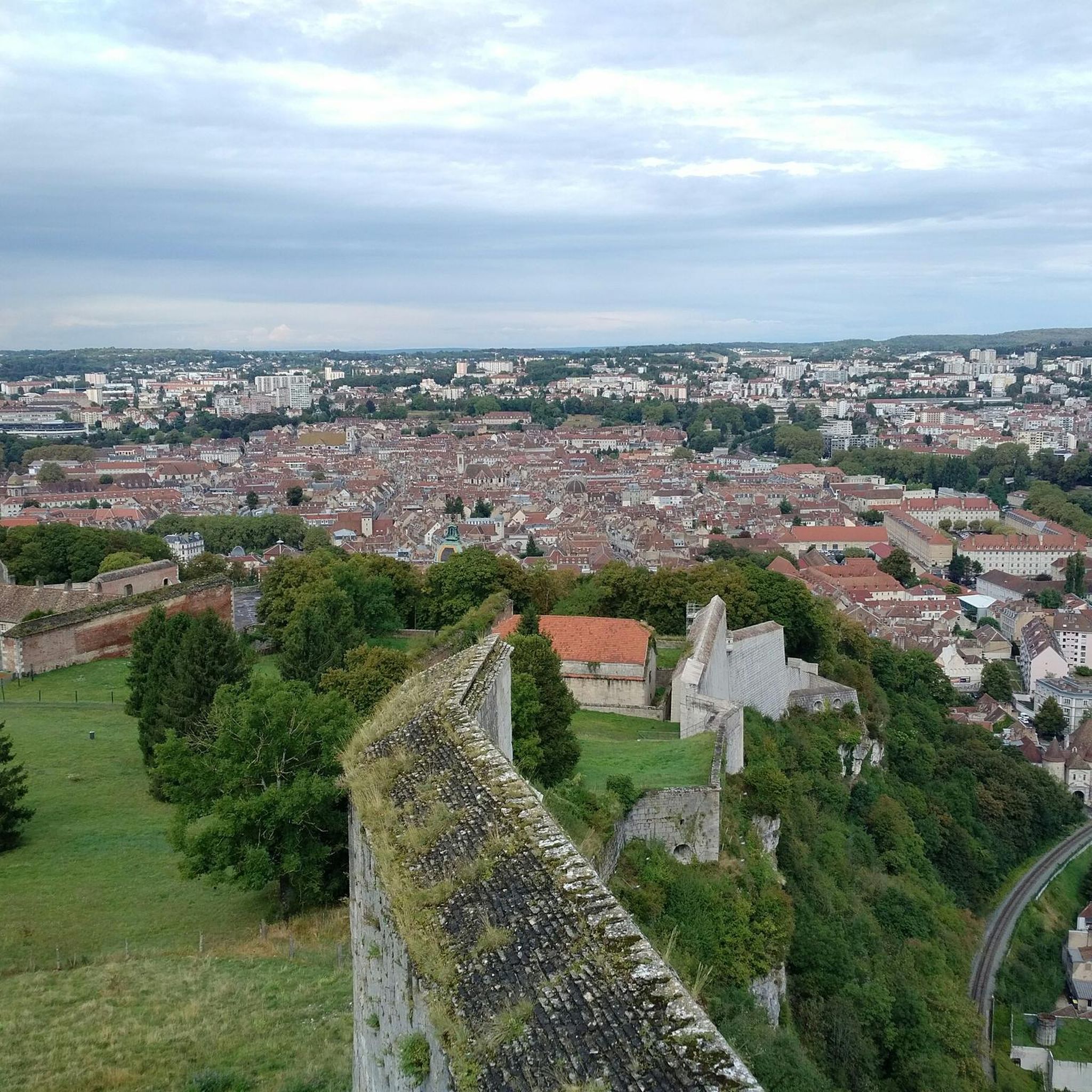
Citadel of Besançon
Highlight • Viewpoint
Construction of the Citadelle began in 1668 under the direction of the …
Translated by Google •
Tip by

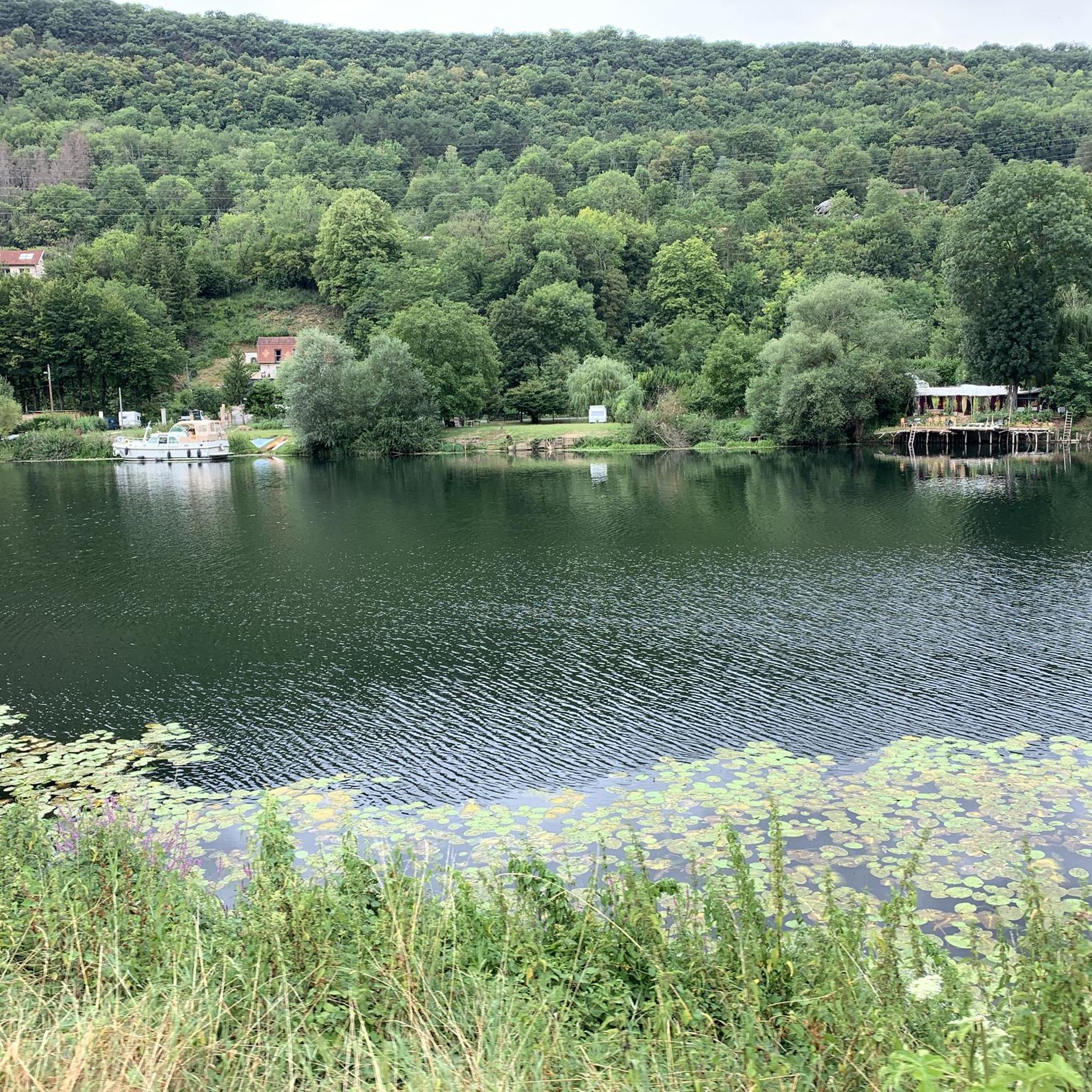
View of the Besançon citadel from the greenway
Highlight • Viewpoint
Translated by Google •
Tip by

Sign up now to discover places like this
Get recommendations on the best single tracks, peaks, & plenty of other exciting outdoor places.
Sign up for free
Citadel of Besançon
Highlight • Castle
Construction of the Citadelle began in 1668 under the direction of the …
Translated by Google •
Tip by
Vauban Citadel
Highlight • Historical Site
This first access is free and therefore allows you to enter and appreciate …
Translated by Google •
Tip by

Fort de Chaudanne
Highlight • Historical Site
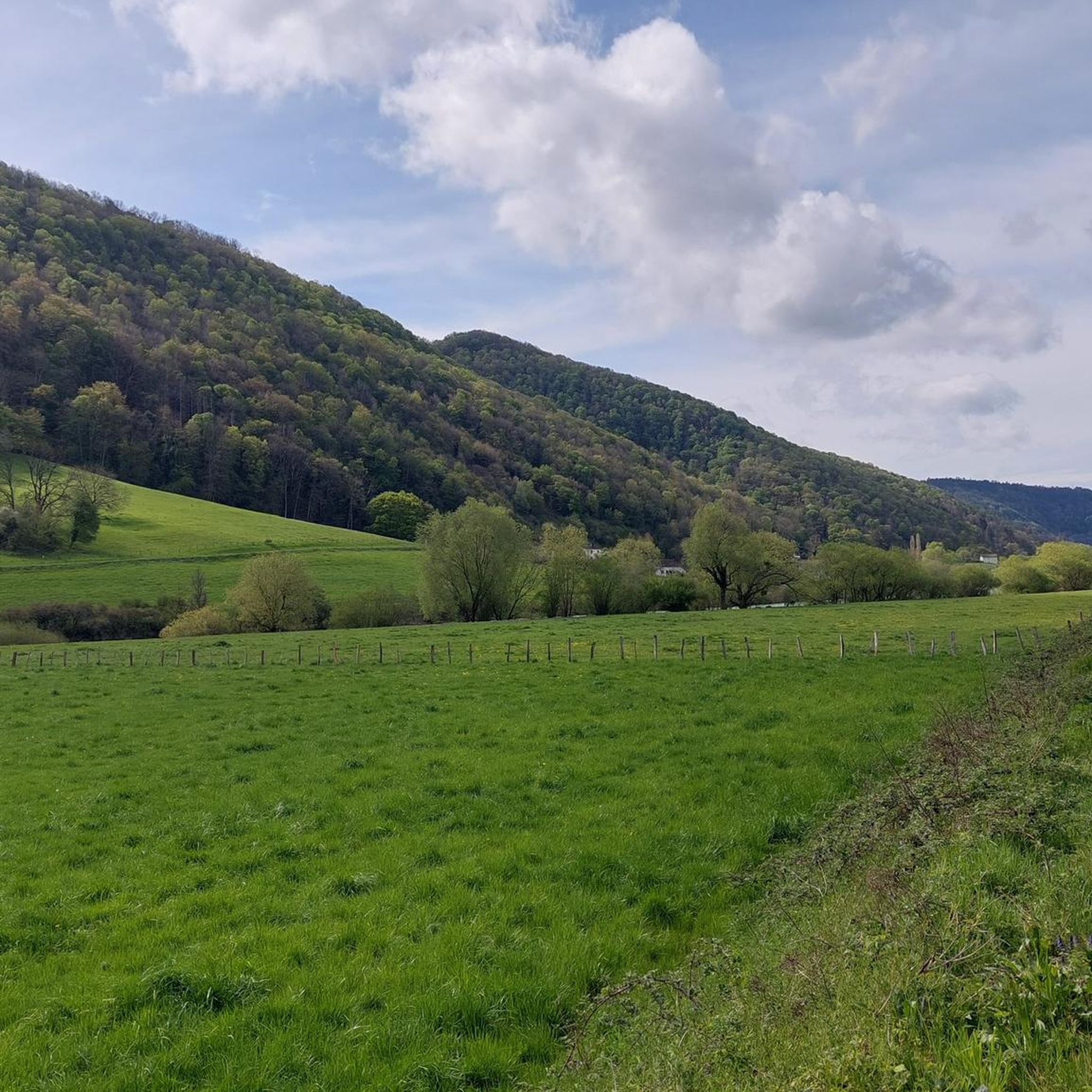
If it cannot be visited, you can however go around it and appreciate its fortifications as well as the trench …
Translated by Google •
Tip by
Sign up for free to discover even more castles around Chalezeule.
Sign up for free
Already have an account?
Start today with a free account
Your next adventure awaits.
Login or Signup
Tips from the Community

Imposing complex which is worth a visit.
0
0

I loved it, but it was closed when I arrived, what a shame, I would have loved to walk around it.
0
0

UNESCO World Cultural Heritage
0
0

An impressive building from the 17th century, today it attracts visitors, in addition to exploring the building itself, with museums, a small zoo, and a magnificent view.
2
0
UNESCO World Heritage, what more can be said except that the Doubs Valley and the splendid ruins of old medieval castles from the top of wild cliffs have watched over the valley for centuries?
0
0

I have cycled this cycle path several times (different years) and each time I have passed these horrible looking factory ruins on the opposite bank - a very poor reception from Besançon - a real shame.
1
0

The Citadelle de Besançon is an impressive fortress located on Mont Saint-Étienne, high above the city of Besançon. Construction of the Citadelle began in 1668 under the direction of the French military engineer Vauban, who is known for his fortifications. The fortress served as an important military stronghold and played a crucial role in the defense of France's eastern borders. The Citadelle is a masterpiece of military architecture, with bastions, ramparts, underground tunnels and other defenses. Its design reflects Vauban's innovative approaches at the time. UNESCO World Heritage Site: The Citadelle de Besançon is part of the "Fortifications of Vauban", which were recognized as a World Heritage Site by UNESCO in 2008. This group of fortifications spread across France bears witness to Vauban's military designs. Within the Citadelle are several museums and attractions, including the Museum of French Resistance and Deportation, the Comtois Museum which highlights regional history, and the Besançon Zoo, one of the oldest zoos in France. The Citadelle offers breathtaking views of the city of Besançon and the surrounding valley. It is a popular tourist destination for its historical importance, architectural splendor, and panoramic views.
9
0
the Citadelle and Besançon are worth a trip. The citadel is impressive and there is an incomparably beautiful view all around. Besançon has a beautiful old town and you can eat well.
3
0
Frequently Asked Questions
What are some must-see castles or historical sites near Chalezeule?
The most prominent historical site is the Citadel of Besançon, a UNESCO World Heritage Site known for its military architecture, museums, and zoo. Another significant structure is the Demeure dite Château de la Juive (also known as Château de Clementigney) in Chalezeule itself, which is a Neo-Gothic castle with a rich history.
What kind of architecture can I expect to see in the castles around Chalezeule?
You'll encounter a mix of military architecture, exemplified by the bastions and ramparts of the Citadel of Besançon, a masterpiece by Vauban. The region also features Neo-Gothic styles, notably seen in the Château de la Juive, which was largely recomposed in the 19th century with elements like staircase turrets and watchtowers.
Are there good viewpoints to see the castles from?
Yes, there are several excellent viewpoints. The View of the Besançon citadel from the greenway offers a superb perspective of the UNESCO-listed citadel. Additionally, Fort de Chaudanne provides many viewpoints over different areas of Besançon, including a great angle of the Citadel.
What outdoor activities can I do near these castles?
The area around Chalezeule and its castles is great for outdoor activities. You can find numerous routes for gravel biking, mountain biking, and road cycling. For example, there are challenging gravel routes like 'Loue Loue Land' and various MTB trails, including 'The Citadel of Besançon – Doubs loop'. You can explore these and more on the Gravel biking around Chalezeule, MTB Trails around Chalezeule, and Road Cycling Routes around Chalezeule guides.
Is the Citadel of Besançon family-friendly?
Yes, the Citadel of Besançon is very family-friendly. It houses several attractions, including the Museum of French Resistance and Deportation, the Comtois Museum, and the Besançon Zoo, one of France's oldest zoos. These diverse offerings make it an engaging destination for all ages.
What is the best time to visit the castles around Chalezeule?
The best time to visit is generally during spring, summer, and early autumn when the weather is pleasant for exploring the outdoor fortifications and enjoying the panoramic views. Many attractions, like the Citadel of Besançon, are open year-round, but the surrounding trails and viewpoints are most enjoyable in milder conditions.
Are there any dog-friendly trails near the castles?
While specific dog-friendly policies for castle interiors vary, many of the surrounding natural areas and greenways are suitable for walks with dogs. For instance, the greenway along the Doubs, which offers views of the Citadel of Besançon, is a popular spot for strolls.
What do visitors enjoy most about the castles and historical sites in this region?
Visitors particularly appreciate the breathtaking views, the rich historical significance, and the impressive architectural splendor. The Citadel of Besançon, in particular, is highly rated for its UNESCO World Heritage status, its museums, and the unique experience of exploring a well-preserved military fortress.
Is public transport available to reach the castles?
Besançon, where the Citadel and Fort de Chaudanne are located, has a public transport network. Specific routes to the castles would depend on your starting point within the city. For the Château de la Juive in Chalezeule, local bus services might be available, but checking local schedules is recommended.
Are there any unique historical facts about the castles in Chalezeule?
The Château de la Juive, for example, has a fascinating history of transformation. Originally a manorial house, it was largely recomposed between 1850 and 1870 into a Neo-Gothic castle by architect Delacroix. It's also connected to the local industrial history through the Lippmann family, founders of the LIP watchmaking factory. You can find more historical context on its Wikipedia page.
Are there any cafes or restaurants near the castles?
Yes, the Château de la Juive itself functions as a restaurant, offering a unique dining experience within a historical monument. Near the Citadel of Besançon, you will find various cafes and restaurants within Besançon city center, which is easily accessible from the fortress.
Most popular routes around Chalezeule
Most popular attractions around Chalezeule

Get inspired with the komoot mobile app


Explore more
Looking for the best castles somewhere else? Discover other guides around Chalezeule:
