Attractions and Places To See around Saône - Top 20
Best attractions and places to see around Saône include a variety of historical sites, viewpoints, and natural features. The region offers diverse experiences, from exploring ancient fortifications to enjoying scenic river paths. It is characterized by its blend of historical significance and natural landscapes, providing opportunities for exploration.
Best attractions and places to see around Saône
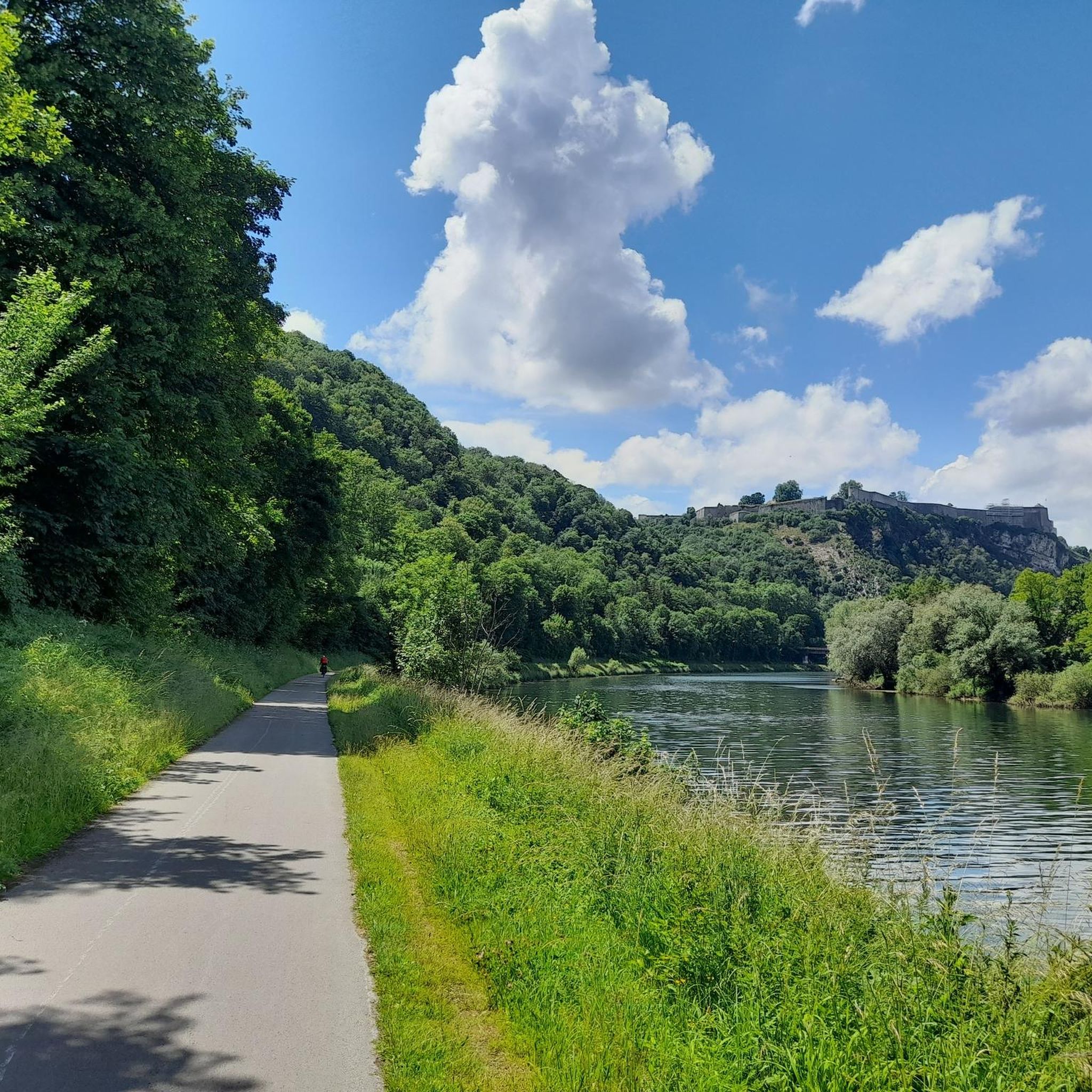
- The most popular attractions is View of the Besançon citadel from the greenway, a viewpoint that offers a superb view of the UNESCO…
Last updated: June 22, 2026
Citadel of Besançon
Highlight • Viewpoint
Construction of the Citadelle began in 1668 under the direction of the …
Translated by Google •
Tip by

Along the Doubs River
Highlight (Segment) • River
Translated by Google •
Tip by

Sign up now to discover places like this
Get recommendations on the best single tracks, peaks, & plenty of other exciting outdoor places.
Sign up for free
Citadel Canal Tunnel
Highlight (Segment) • Bridge
Translated by Google •
Tip by
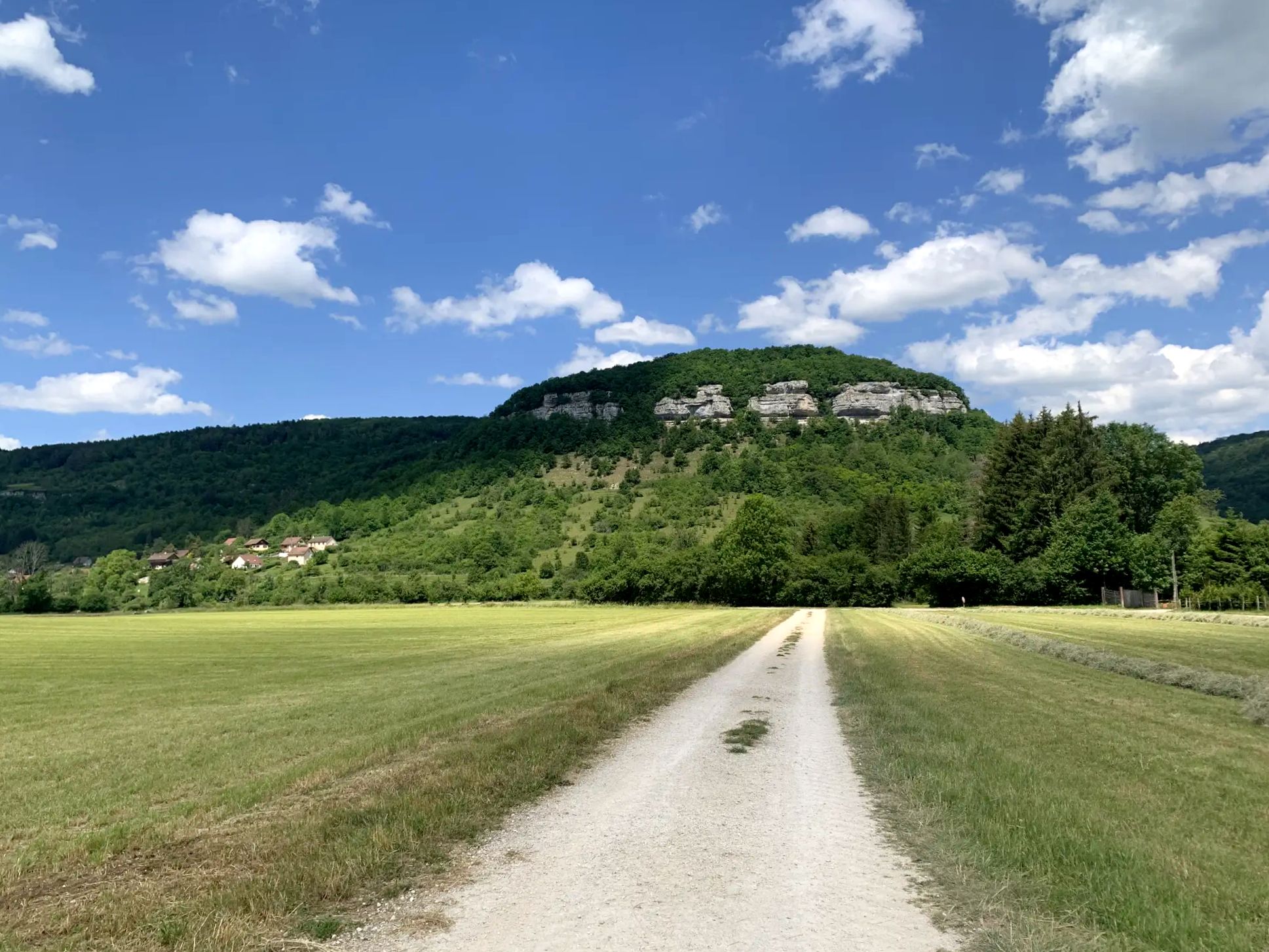
View of the Besançon citadel from the greenway
Highlight • Viewpoint
Translated by Google •
Tip by

Citadel of Besançon
Highlight • Castle
Construction of the Citadelle began in 1668 under the direction of the …
Translated by Google •
Tip by
Sign up for free to discover even more attractions around Saône.
Sign up for free
Already have an account?
Start today with a free account
Your next adventure awaits.
Login or Signup

Other adventures around Saône

Tips from the Community

Imposing complex which is worth a visit.
0
0

UNESCO World Cultural Heritage
0
0
UNESCO World Heritage, what more can be said except that the Doubs Valley and the splendid ruins of old medieval castles from the top of wild cliffs have watched over the valley for centuries?
0
0

I have cycled this cycle path several times (different years) and each time I have passed these horrible looking factory ruins on the opposite bank - a very poor reception from Besançon - a real shame.
1
0

Cycling through the ship tunnel, don't forget to take off your sunglasses 😎
5
0

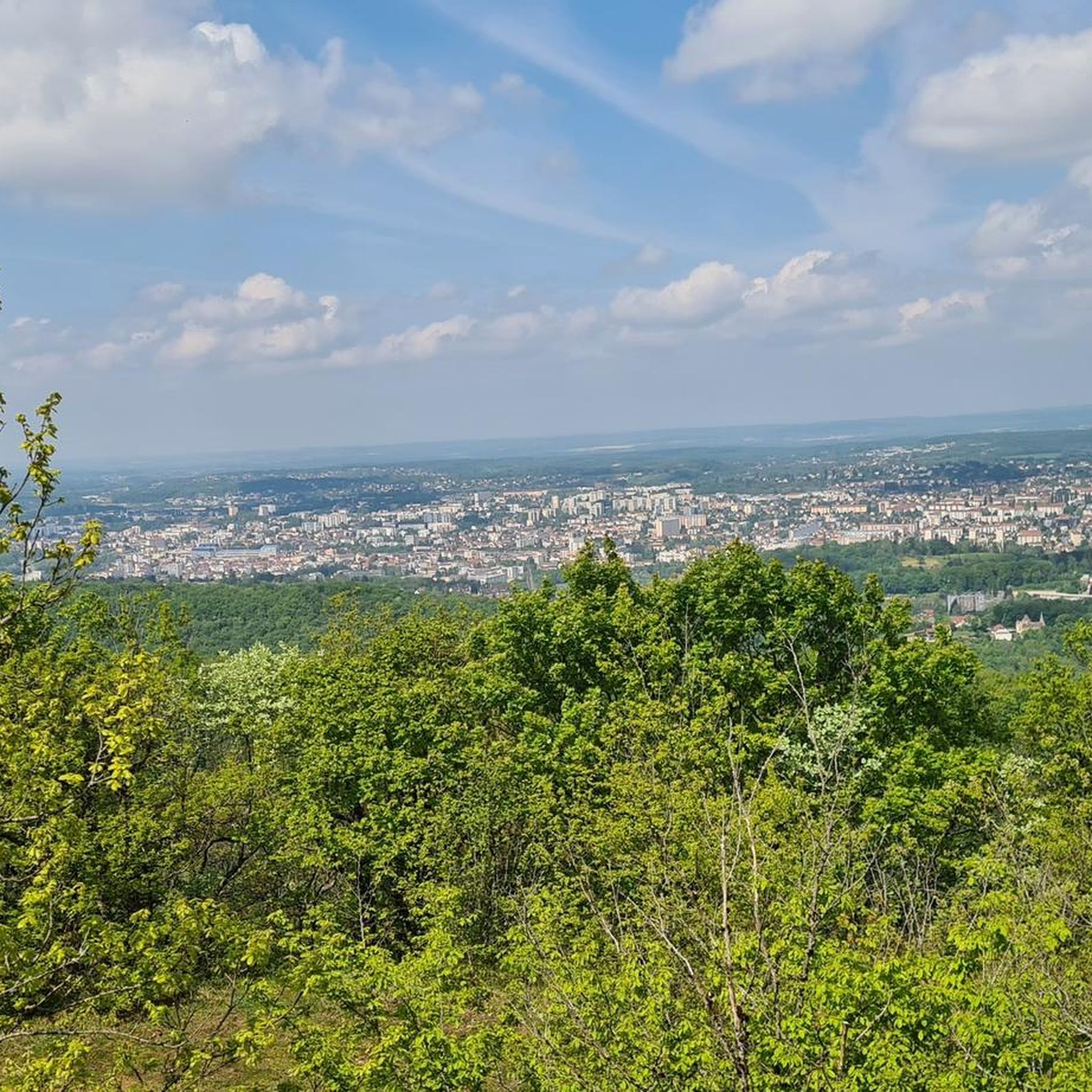
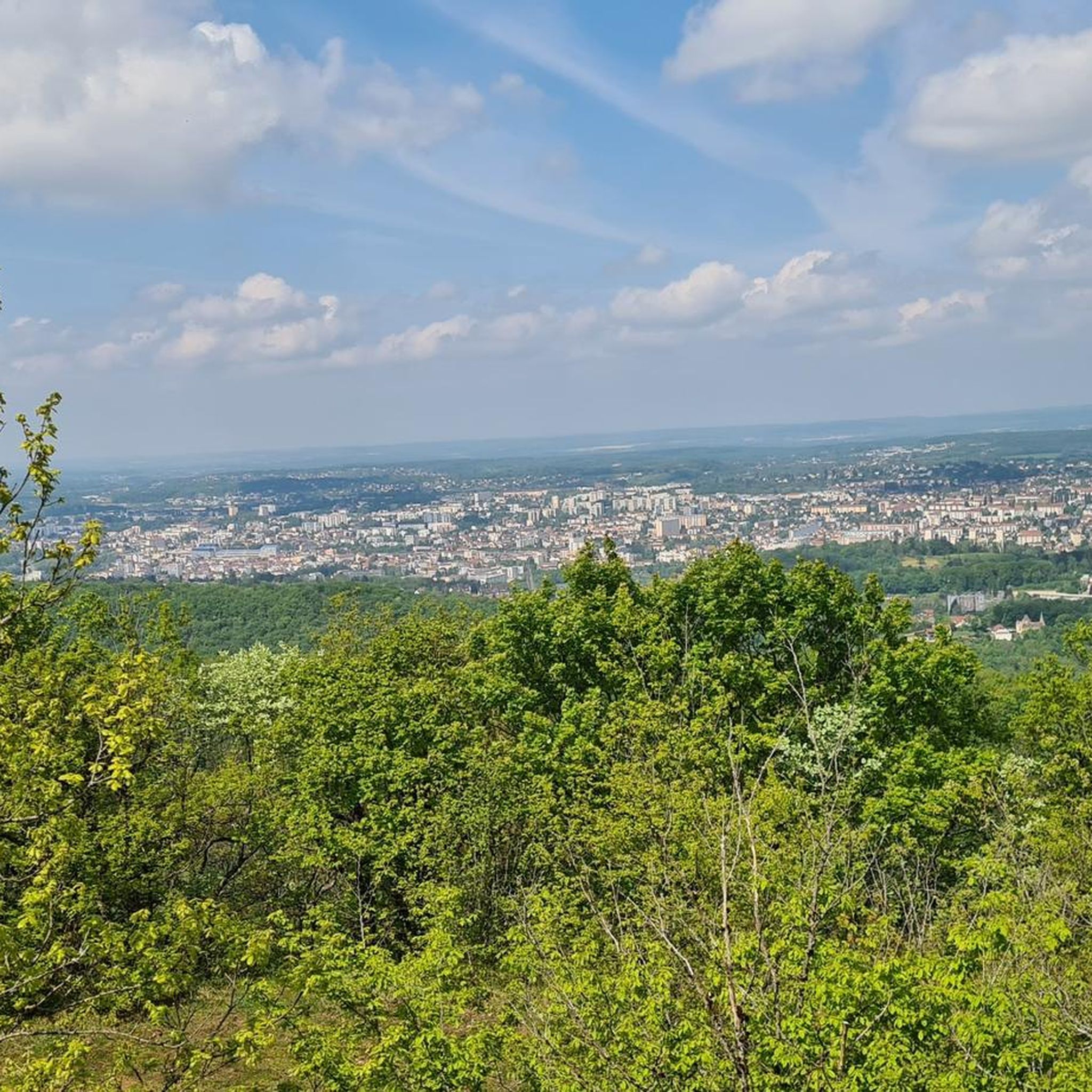
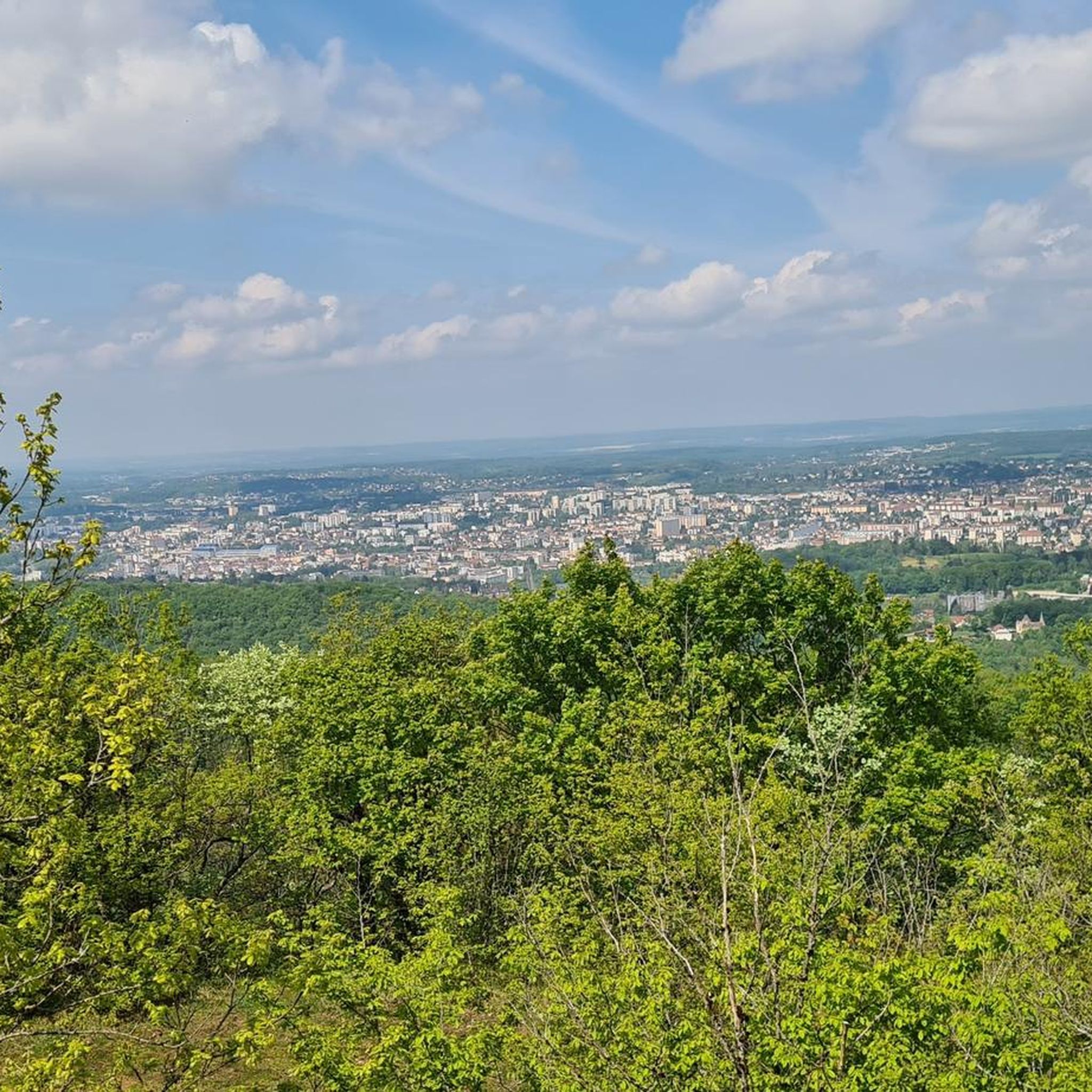
The Citadelle de Besançon is an impressive fortress located on Mont Saint-Étienne, high above the city of Besançon. Construction of the Citadelle began in 1668 under the direction of the French military engineer Vauban, who is known for his fortifications. The fortress served as an important military stronghold and played a crucial role in the defense of France's eastern borders. The Citadelle is a masterpiece of military architecture, with bastions, ramparts, underground tunnels and other defenses. Its design reflects Vauban's innovative approaches at the time. UNESCO World Heritage Site: The Citadelle de Besançon is part of the "Fortifications of Vauban", which were recognized as a World Heritage Site by UNESCO in 2008. This group of fortifications spread across France bears witness to Vauban's military designs. Within the Citadelle are several museums and attractions, including the Museum of French Resistance and Deportation, the Comtois Museum which highlights regional history, and the Besançon Zoo, one of the oldest zoos in France. The Citadelle offers breathtaking views of the city of Besançon and the surrounding valley. It is a popular tourist destination for its historical importance, architectural splendor, and panoramic views.
9
0
the Citadelle and Besançon are worth a trip. The citadel is impressive and there is an incomparably beautiful view all around. Besançon has a beautiful old town and you can eat well.
3
0
Beautiful to see how the Citadel of Bresançon (VAUBAN, UNESCO World Heritage Site) dominates its surroundings. If you continue towards Besançon you can soon cycle through a tunnel under the citadel. The Voie Verte you are on is part of the EuroVélo 6 that connects the Atlantic Ocean in France with the Black Sea in Romania.
4
2
Frequently Asked Questions
What historical sites can I explore around Saône?
The region is rich in history. A prominent site is the Citadel of Besançon, a UNESCO World Heritage site and a masterpiece by Vauban. Further afield, you can visit the impressive remains of Cluny Abbey, once a major spiritual center, or explore Autun with its rich Gallo-Roman heritage, including the Temple of Janus and an ancient theater. Paray-le-Monial also boasts the magnificent Basilica of the Sacred Heart.
Are there any family-friendly attractions in the Saône area?
Yes, several attractions cater to families. The Citadel of Besançon is a great option, offering not only historical exploration but also museums and a zoo within its walls. The Saône River itself provides opportunities for serene boat trips, and many towns along its banks have parks and easy walking paths suitable for all ages.
What natural features or scenic viewpoints are there?
The Saône River offers a serene and picturesque journey, with banks lined by scenic paths. For stunning vistas, the View of the Besançon citadel from the greenway provides a superb perspective of the fortress. Another notable natural site is La Roche de Solutré, offering panoramic views over the Mâconnais vineyards and a prehistory museum at its base.
What outdoor activities can I do near these attractions?
The region offers a variety of outdoor activities. You can enjoy running on trails like the 'Marais de Saône loop' or 'Creux des Poissons loop'. For hiking, consider routes such as 'Creux sous roche – Le marais de Saône loop' or 'Château de Montfaucon loop'. Cycling is also popular, with routes like 'Cléron Castle – Nice view from the bridge loop'. You can find more details and routes in the Running Trails around Saône, Hiking around Saône, and Cycling around Saône guides.
Are there specific hiking trails suitable for different difficulty levels?
Yes, there are hiking trails for various levels. Many routes around Saône are rated as 'moderate', such as the 'Creux sous roche – Le marais de Saône loop' (9 km) or 'Château de Montfaucon loop' (5.4 km). There are also easier options like the 'Montfaucon Viewpoint – Montfaucon Viewpoint loop' (3.1 km). For a comprehensive list, refer to the Hiking around Saône guide.
What are some charming towns or villages along the Saône River?
Several charming towns dot the Saône River. Chalon-sur-Saône is known for its historical and cultural heritage, including the Nicéphore Niépce Museum. Mâcon offers colorful architecture and is famous for its wines. Tournus features the stunning Saint-Philibert Abbey, a masterpiece of Romanesque architecture. Other notable towns include Saint-Jean-de-Losne with its large river port and Seurre, a port town with a Saône Environmental Museum.
What is the best way to experience the Saône River itself?
The Saône River is best experienced through serene river cruises, which allow you to appreciate the tranquil flow and historic towns along its course. Its banks are also lined with scenic bike paths and walking trails, passing through wide meadows and villages with multi-colored Burgundian roofs, offering a different perspective.
What do visitors enjoy most about the attractions around Saône?
Visitors particularly appreciate the blend of historical significance and natural beauty. The Citadel of Besançon is highly rated for its impressive architecture, historical importance, and breathtaking panoramic views. The serene landscapes along the Doubs River and the quiet, comfortable cycling paths are also frequently praised for offering pure nature experiences.
Are there any unique cultural experiences in the region?
Beyond the major historical sites, the region offers unique cultural insights. In Chalon-sur-Saône, you can delve into the history of photography at the Nicéphore Niépce Museum. Seurre hosts the Saône Environmental Museum, which includes a boat-building workshop. The Charolais-Brionnais region is known for its Romanesque churches and the distinctive Charolais cattle farms, offering a glimpse into local agricultural heritage.
Where can I find information about cycling routes along the Saône River?
The Saône-et-Loire department pioneered Voie Verte (Greenway Cycle Routes), converting old railway lines and canal towpaths into car-free paths. A popular stretch connects Chalon-sur-Saône to Mâcon through vineyards and forests. The Cycling around Saône guide provides details on various routes, including those with challenging elevations and easier options.
What is the Val de Saône Classified Site?
The Val de Saône Classified Site is a protected natural area covering 1,260 hectares. It is remarkable for its ecological wealth, featuring wet meadows, islands, ponds, and alluvial woodlands. This site harbors diverse plant and animal species, making it an excellent spot for nature photography, hiking, and birdwatching.
Can I find any castles or châteaux in the area?
Yes, the region features several notable castles and châteaux. The Citadel of Besançon is a magnificent fortress and a UNESCO World Heritage site. Further south, between Tournus and Cluny, lies the Château de Cormatin, a 17th-century château famed for its sumptuous apartments and formal gardens. Additionally, the Château de Pierre-de-Bresse is a significant Renaissance-style castle with extensive formal gardens.
Most popular attractions around Saône

Get inspired with the komoot mobile app


Explore more
Still not found the Highlight you’re looking for? See guides of the top attractions in other regions:
