Attractions and Places To See around Langonnet - Top 19
Best attractions and places to see around Langonnet include a mix of historical landmarks, cultural sites, and natural features within the Morbihan department of Brittany, France. The region is characterized by its rolling Breton countryside, the Ellé River valley, and the nearby Black Mountains. Visitors can explore ancient sites, religious buildings, and significant engineering marvels. Langonnet offers diverse landscapes and points of interest for those seeking to discover its unique heritage.
Best attractions and places to see around Langonnet
- The…
Last updated: July 2, 2026
The Glomel Cut
Highlight (Segment) • Monument
Translated by Google •
Tip by

Great Trench of the Nantes to Brest Canal
Highlight • Monument
Translated by Google •
Tip by

Sign up now to discover places like this
Get recommendations on the best single tracks, peaks, & plenty of other exciting outdoor places.
Sign up for free
Sainte-Barbe Chapel and Renaissance Staircase, Le Faouët
Highlight • Religious Site
Translated by Google •
Tip by

Kerhun Lock No. 191 on the Nantes–Brest Canal
Highlight • Structure
Tip by

Stone Arch Bridge on the Nantes–Brest Canal
Highlight • Bridge
Translated by Google •
Tip by
Sign up for free to discover even more attractions around Langonnet.
Sign up for free
Already have an account?
Start today with a free account
Your next adventure awaits.
Login or Signup



Tips from the Community

A pretty iron bridge, built for farmers at the time. Here the path along the water was in a bad state in April 2026 (a warning was installed on one side of the section, but a detour through the forest is possible).
0
0

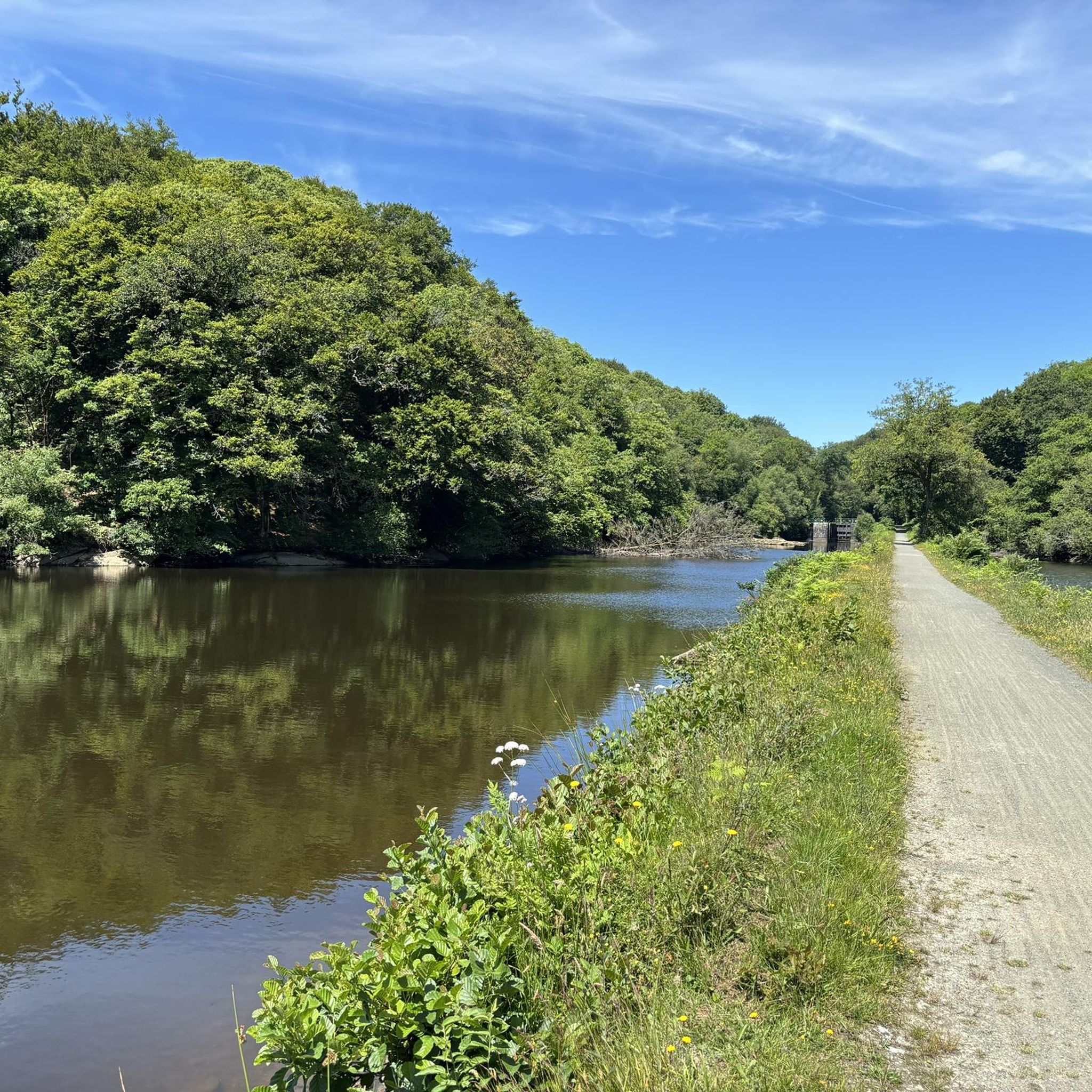
This is one of the very few straight sections of the canal.
0
0
Here the canal meanders through the landscape.
0
0
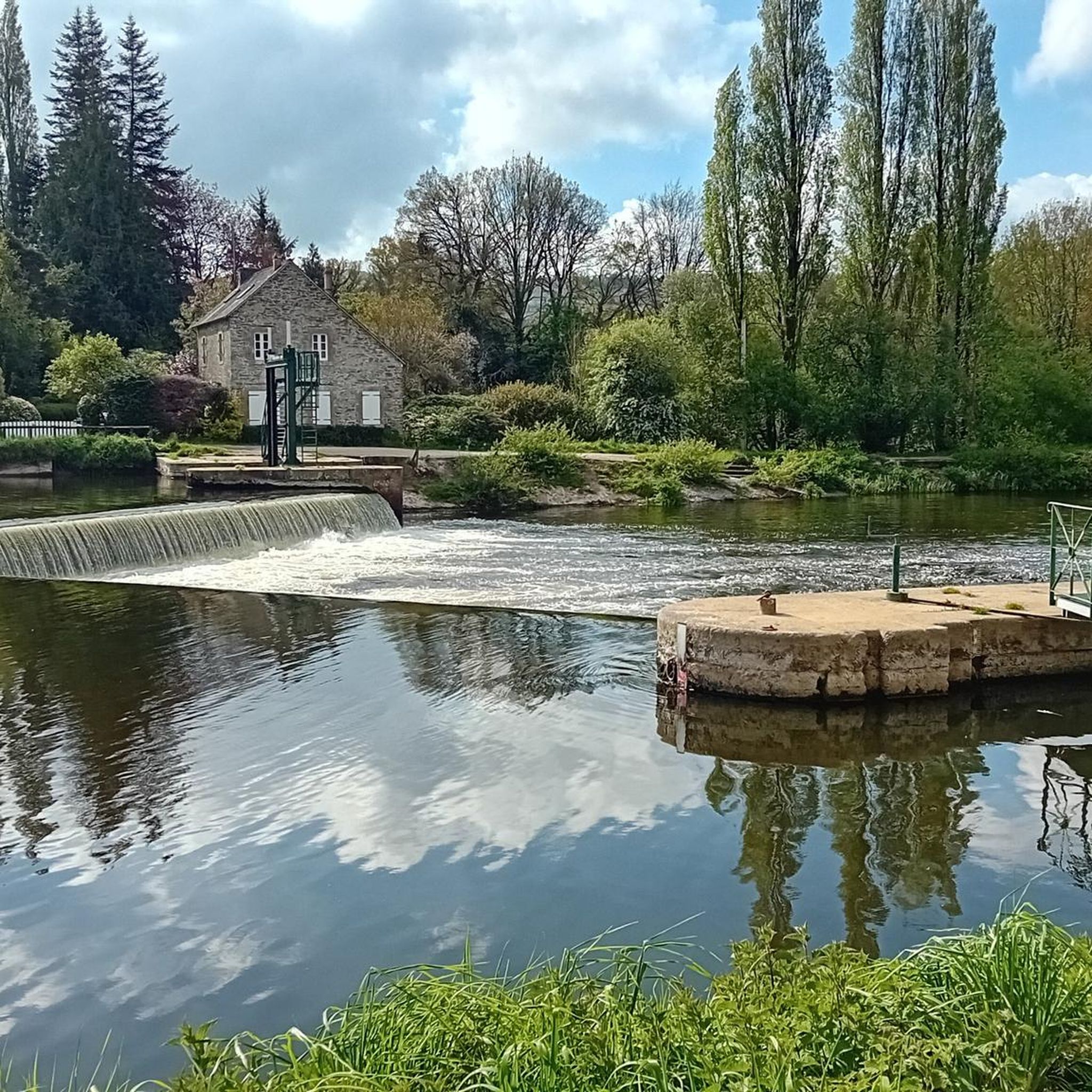
Yes - a very beautiful lock keeper's house. We were able to take a relaxing break here! Someone has invested a lot of love and time here and turned it into a gem. 💎
0
0

Beautiful lock and vintage car
0
0
A welcome breath of fresh air
0
0

At an altitude of 184 m, the Glomel trench is the highest point of the Nantes-Brest canal and the watershed between the Blavet and Aulne basins. The canal project and its passage through the center of Brittany dates back to Vauban, the decision and the route to Napoleon. The impressive trench allows the Aulne and Blavet watersheds to communicate via the canal. The Grande Trenche of the Canal from Nantes to Brest was dug in the 19th century by deserters from the army of Louis XVIII. The 4000 convicts of Glomel had to move as much earth and rock as was necessary for the construction of a great pyramid in Egypt. It took 9 years to create this trench, more than 3 kilometers long, 100 meters wide and 23 meters deep.
0
0

North of the village of Le Faouët, on a ridge, stands the late Gothic Chapel of Sainte-Barbe, built between 1489 and 1512. A remarkable Renaissance staircase leads down to the chapel, which is located just below the summit plateau. - https://de.wikipedia.org/wiki/Le_Faou%C3%ABt_(Morbihan)#Kapelle_Sainte-Barbe - https://www.france-voyage.com/frankreich-stadte/le-faouet-20502/kapelle-sainte-barbe-15016.htm
2
0
Frequently Asked Questions
What historical sites can I explore in Langonnet?
Langonnet offers a rich history with several notable sites. You can visit the Sainte-Barbe Chapel and Renaissance Staircase, Le Faouët, a late Gothic chapel with a remarkable Renaissance staircase. The area also features the ancient The Glomel Cut and the Great Trench of the Nantes to Brest Canal, both significant 19th-century engineering feats. Beyond these, the Abbaye Notre-Dame de Langonnet, founded in 1136, houses a Museum of African Arts, and the Church of St. Peter and St. Paul is a rare example of Romanesque art in Central Brittany. You can also find ancient tumuli like the Tumulus of Kermain and the Menhir de Bodero.
Are there any notable religious buildings in the Langonnet area?
Yes, Langonnet is home to several significant religious buildings. The Sainte-Barbe Chapel and Renaissance Staircase, Le Faouët, is a prominent late Gothic chapel. The Abbaye Notre-Dame de Langonnet, with its 13th-century chapter house, is another key site. Additionally, the Church of St. Peter and St. Paul showcases Romanesque art, and the Trinity Church in La Trinité-Langonnet is a significant point of interest. Several historic chapels dot the landscape, including Chapel of St. Magdalene, Chapel of Our Lady of Mercy, Chapel St. Guénolé, Chapel of St. Isaac and St. Cornély, Chapel Saint-Germain, Chapel of St. Brandan, and Chapel Neuve.
What natural features can I see around Langonnet?
The region around Langonnet boasts diverse natural beauty. The Ellé River flows along the eastern border, offering scenic views in the Ellé Valley. The nearby Black Mountains provide varied landscapes and hiking opportunities. For panoramic vistas, visit Calotte Saint Joseph, the highest point in the commune. You can also explore the Forest of Conveau and the larger Langonnet Forest, or enjoy walks around Pontigou Pond and along the Ster Loutanteg Nature Trail.
Are there hiking trails near Langonnet attractions?
Yes, Langonnet offers beautiful hiking trails that allow you to discover the rolling Breton countryside. You can find routes like the Saint-Maur/Minez-Levenez trail and the Roi Morvan trail. For more specific options, explore the Hiking around Langonnet guide, which includes trails around Lac du Bel-Air in Priziac and the Langonnet Abbey.
What cycling opportunities are available around Langonnet?
Langonnet and its surroundings provide excellent cycling opportunities. You can explore various road cycling routes, such as loops from La Trinité-Langonnet to Kerdiston lake or Carhaix-Plouguer. For off-road adventures, there are gravel biking routes, including challenging loops around the Nantes to Brest Canal and Kerdiston lake. Discover more details in the Road Cycling Routes around Langonnet and Gravel biking around Langonnet guides.
Are there family-friendly attractions or activities in Langonnet?
Many attractions around Langonnet are suitable for families. The Great Trench of the Nantes to Brest Canal and Kerhun Lock No. 191 on the Nantes–Brest Canal are both marked as family-friendly, offering interesting historical insights and pleasant spots for a break. The Pontigou Pond is also a pleasant spot for walks and outdoor activities with children. Exploring the various chapels and the Kergoff Mill can also be engaging for families.
What is the best time to visit Langonnet for outdoor activities?
Brittany generally enjoys a mild climate, making many outdoor activities pleasant throughout much of the year. Spring and early autumn often offer comfortable temperatures for hiking and cycling, with fewer crowds. Summer is also popular, especially for enjoying the natural sites like the Ellé Valley and Pontigou Pond. Always check local weather forecasts before your visit.
Where can I find panoramic views in Langonnet?
For breathtaking panoramic views, head to Calotte Saint Joseph. At 292 meters, it's the highest point in the commune and offers a vast 360-degree vista, particularly towards La Trinité-Langonnet. Additionally, the Sainte-Barbe Chapel and Renaissance Staircase, Le Faouët, located on a ridge, provides magnificent views of the chapel nestled in the valley.
What do visitors enjoy most about the attractions around Langonnet?
Visitors appreciate the blend of historical significance and natural beauty. The engineering marvels of the Nantes-Brest Canal, such as Kerhun Lock No. 191, are often highlighted for their beautifully restored features and pleasant atmosphere. The historical context of sites like The Glomel Cut, with its stories of 19th-century labor, also captivates many. The scenic views from places like the Sainte-Barbe Chapel are frequently praised, as are the opportunities for tranquil walks and cycling along the canal and through the countryside.
Are there any unique local spots or hidden gems in Langonnet?
Beyond the main attractions, Langonnet holds several unique spots. The Abbaye Notre-Dame de Langonnet, with its unexpected Museum of African Arts, offers a distinctive cultural experience. The Kergoff Mill, a carefully restored water mill, provides insight into the commune's artisanal past. The numerous historic chapels, each with its own character and history, such as the Chapel of St. Isaac and St. Cornély with its polychrome wood statues, are also considered local gems. The Calvaire de Langonnet in the heart of the commune is another point of interest.
Are there any dog-friendly walks or attractions in Langonnet?
While specific dog-friendly designations for attractions are not always listed, the natural areas around Langonnet are generally welcoming for walks with dogs. The extensive hiking trails, such as those found in the Hiking around Langonnet guide, and the paths along the Ellé Valley, Pontigou Pond, and through the Langonnet Forest, are excellent options for dog owners. Always ensure dogs are kept on a leash where required and respect local regulations.
What is the significance of the Nantes-Brest Canal attractions near Langonnet?
The Nantes-Brest Canal attractions near Langonnet are significant for their historical and engineering importance. The Glomel Cut and the Great Trench of the Nantes to Brest Canal represent the canal's highest point, requiring immense labor in the 19th century. These sections highlight the monumental effort involved in connecting the Blavet and Aulne basins. Kerhun Lock No. 191, with its restored lock guardian's house, offers a glimpse into the canal's operational history and provides a pleasant resting spot.
Most popular routes around Langonnet

Get inspired with the komoot mobile app


Explore more
Still not found the Highlight you’re looking for? See guides of the top attractions in other regions:
