Attractions and Places To See around Javols - Top 20
Best attractions and places to see around Javols include a rich blend of historical, cultural, and natural sites. The village is centered around its past as the ancient Gallo-Roman capital of Anderitum, offering insights into Roman history. The surrounding Lozère and Aubrac regions feature varied natural landscapes, from extensive pastures to gorges and mountains. Visitors can explore archaeological sites, historical buildings, and diverse natural features.
Best attractions and places to see around Javols
- The most popular attractions is Aubrac Highlands…
Last updated: June 22, 2026
Aubrac Highlands
Highlight • Natural
Translated by Google •
Tip by

Aubrac landscape
Highlight • Other
Translated by Google •
Tip by
Sign up now to discover places like this
Get recommendations on the best single tracks, peaks, & plenty of other exciting outdoor places.
Sign up for free
Saint-Alban-sur-Limagnole
Highlight • Historical Site
During 1764, the castle of Saint-Alban became one of the gathering points to organize the hunts to eliminate …
Translated by Google •
Tip by

Saint Stephen's Church
Highlight • Other
Translated by Google •
Tip by
Saint Stephen's Church, Aumont-Aubrac
Highlight • Religious Site
Translated by Google •
Tip by

Sign up for free to discover even more attractions around Javols.
Sign up for free
Already have an account?
Start today with a free account
Your next adventure awaits.
Login or Signup

Tips from the Community

We passed and enjoyed this during our Camino trip in 2025: https://youtu.be/xZkbnoCtUzE
0
0
We passed and enjoyed this during our Camino trip in 2025: https://youtu.be/xZkbnoCtUzE
0
0
We passed and enjoyed this during our Camino trip in 2025: https://youtu.be/xZkbnoCtUzE
1
0
We passed and enjoyed this during our Camino trip in 2025: https://youtu.be/xZkbnoCtUzE
1
0

The existence of this fortified castle is mentioned as early as the 12th century. It is believed to have been built on an even older fortress. In 1764, the Château de Saint-Alban was requisitioned as headquarters to organize raids aimed at eliminating the Beast of Gévaudan.
1
0

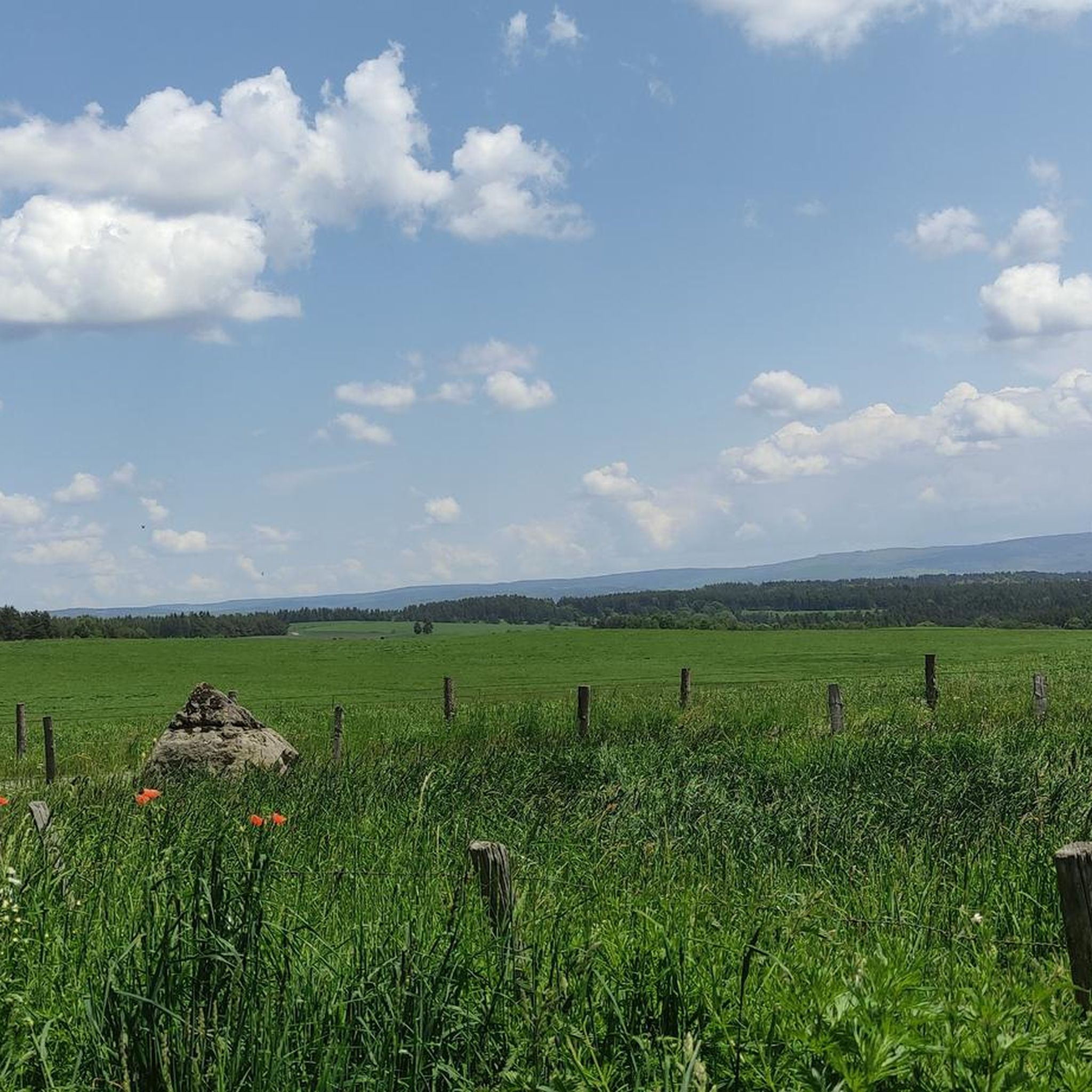
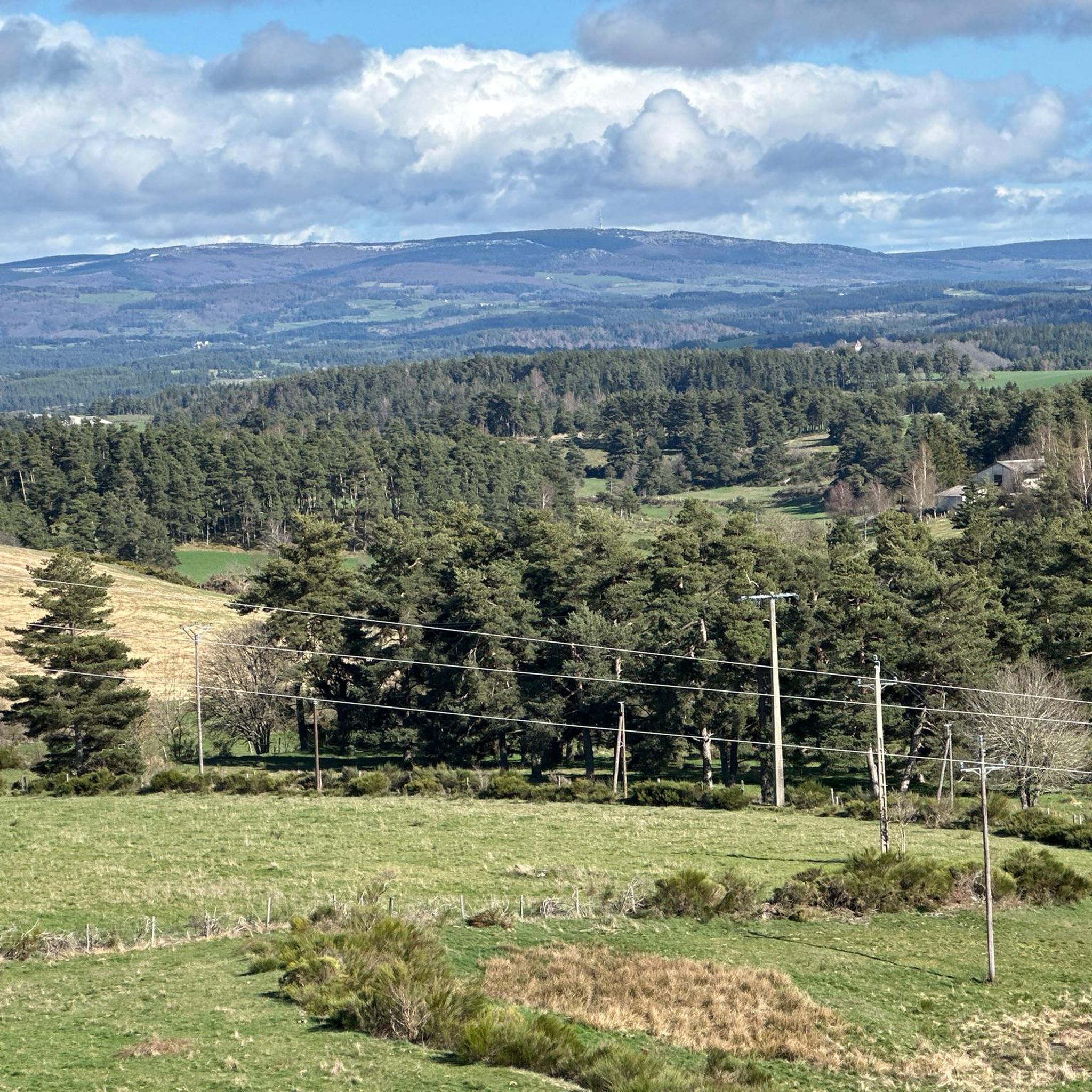
The feeling that dominates the most here is space, nature.
2
0

The village of Aumont-Aubrac is home to the Saint-Etienne church with a mix of Romanesque and Baroque styles. Mentioned as early as 1106, it is today an essential stopover for shell hikers. Remodeled during the 19th century, the church retains a trace of each period of its construction. The apse is the oldest part while the nave seems to predate the 14th century. It has a square bell tower ending in a spire, raised in 1809 with stones from the cemetery. Its pointed arched south portal is one of the most remarkable in the region. Its granite rubble facade is typical of local architecture. If the architecture remains sober and typical of the Romanesque style, the decoration lets its contemporaneity shine through. The magnificent stained glass windows dated 1967 are the work of a contemporary artist named Ménard. In its nave, at the entrance to the south chapel, is a superb painting representing the Virgin carrying the Child and the young John the Baptist.
1
0

Saint Stephen “Saint-ETIENNE” is one of the seven first deacons of the early Jerusalem community and is also the first martyr (martyr) of early Christianity. The church remembers him on Boxing Day, December 26th. When Stephen uttered aloud his vision of the open heaven, "And being filled with the Holy Spirit, he looked up into heaven and saw the glory of God, and Jesus standing at the right hand of God" (Acts chapter 7 verse 55), the people were so indignant that that they drove him out of the city and stoned him.
4
0
Frequently Asked Questions
What historical sites can I explore in Javols itself?
Javols is primarily known for its rich Gallo-Roman past. You can explore the Archaeological Site of Javols (Anderitum), which was once the capital of the Gabales tribe. This 'archaeological garden' features remnants of a Roman city, including public buildings like a forum and baths. The Archaeological Museum of Javols, located in the village, houses artifacts unearthed from the site, such as a statue of the forest god Silvan-Sucellus and a 1st-century mosaic.
Are there other notable historical landmarks near Javols?
Yes, several historical sites are within easy reach. Just 6 km away is Aumont-Aubrac, home to Saint Stephen's Church, part of an 11th-century Benedictine priory. Approximately 16 km from Javols, you can visit Saint-Alban-sur-Limagnole, a historical site with a castle first mentioned in the 12th century. Further afield, Marvejols (16 km) offers historic monuments, and Mende (23 km) boasts a notable cathedral.
What natural landscapes can I discover around Javols?
The region around Javols offers diverse natural beauty. The Aubrac Highlands, a slightly undulating basalt and granite plateau, feature extensive pastures and traditional houses. You can also find the stunning Gorges du Tarn (37 km away) and the varied landscapes of Cevennes National Park (39 km). Other natural highlights include the Cascade du Déroc (22 km) and the scenic Lac du Moulinet (10.4 km).
Are there opportunities for hiking or outdoor activities near these attractions?
Absolutely! The area around Javols is excellent for outdoor activities. You can find numerous routes for running, gravel biking, and cycling. For example, there are several running loops from Aumont-Aubrac, and challenging gravel biking routes like the Aumont-Aubrac – Truc de l'Homme loop. Cycling enthusiasts can explore longer routes such as the Aumont-Aubrac – Aubrac Plateau loop. You can find detailed routes and guides for these activities on the Running Trails around Javols, Gravel biking around Javols, and Cycling around Javols guide pages.
What kind of terrain can I expect on trails around Javols?
The terrain around Javols, particularly in the Aubrac Highlands, is characterized by a slightly undulating basalt and granite plateau. Trails often consist of gravel field paths, passing through pastures and small clusters of trees. You'll encounter wide-ranging views and panoramic horizons, with hamlets nestled in small valleys. The landscape can be quite open, reminiscent of the Black Forest in some areas.
Are there family-friendly attractions around Javols?
Yes, there are several options for families. The Saint-Alban-sur-Limagnole castle, while its interior is not always open, often hosts temporary exhibitions that can be engaging. For wildlife encounters, consider the Réserve de bisons d'Europe de Sainte-Eulalie (16 km away) or the Parc à loups du Gévaudan (39 km away), where you can observe European bison and wolves in semi-natural environments.
What is the best time of year to visit Javols for outdoor activities?
The best time to visit Javols for outdoor activities is generally from late spring to early autumn (May to October). During these months, the weather is typically mild and pleasant, ideal for hiking, cycling, and exploring the natural landscapes. Summer offers warmer temperatures, while spring and autumn provide beautiful scenery with fewer crowds. Winters can be cold and snowy, making some outdoor activities more challenging.
What do visitors enjoy most about the attractions around Javols?
Visitors particularly appreciate the blend of historical depth and natural beauty. The ancient Roman ruins of Anderitum and the artifacts in the Archaeological Museum offer a unique glimpse into the past. The expansive and scenic Aubrac Highlands are highly praised for their wide-ranging views, peaceful pastures, and traditional architecture. The sense of history combined with the tranquility of the natural environment makes for a memorable experience.
Are there any unique cultural experiences near Javols?
Beyond the Gallo-Roman history, the region offers a glimpse into traditional French culture. The nearby town of Laguiole (39 km) is famous for its artisanal knives, offering a unique cultural and shopping experience. Additionally, the historic Routes of Santiago de Compostela pass near Javols, providing insight into a significant European pilgrimage heritage.
Can I find viewpoints with scenic vistas around Javols?
Yes, the Aubrac Highlands are renowned for their panoramic views and horizons stretching up to 30 km. The undulating plateau offers numerous spots where you can enjoy wide-ranging vistas of pastures, small clusters of trees, and traditional granite houses. The higher elevations of Mont Mouchet and Mont Lozère also provide spectacular natural beauty and scenic overlooks.
Are there any lakes or water features for recreation near Javols?
Yes, there are a couple of notable lakes in the vicinity. Lac du Moulinet is approximately 10.4 km from Javols, offering natural scenery. Further away, Lac du Bouchet (around 43 km) also provides a beautiful natural setting. While specific recreational activities vary by lake, these spots are generally good for enjoying nature and peaceful surroundings.
What is the significance of the wayside crosses found in the region?
You may encounter several wayside crosses, such as this wayside cross, throughout the region. These crosses are significant cultural markers, often erected as visible signs of Christian hope and popular piety. Each cross can tell its own story, reflecting the motivations of those who placed them, and they serve as places for reflection, silence, or prayer within the landscape.

Get inspired with the komoot mobile app


Explore more
Still not found the Highlight you’re looking for? See guides of the top attractions in other regions:
