Attractions and Places To See around Saint-Nicolas-De-Redon - Top 20
Best attractions and places to see around Saint-Nicolas-De-Redon are found at the crossroads of Brittany and Pays de la Loire, situated on the left bank of the Vilaine river. This commune features a mix of historical heritage and natural landscapes. Visitors can explore ancient chapels, a 14th-century castle, and operational bread ovens. The region is also defined by its waterways, including the Vilaine River and the Canal de Nantes à Brest, offering various hiking routes and easy walks.
Best attractions…
Last updated: July 2, 2026
Redon
Highlight • Settlement
Translated by Google •
Tip by

Towpath along the Vilaine
Highlight • Other
Translated by Google •
Tip by
Sign up now to discover places like this
Get recommendations on the best single tracks, peaks, & plenty of other exciting outdoor places.
Sign up for free
Towpath on the Nantes-Brest canal
Highlight (Segment) • Cycleway
Translated by Google •
Tip by

Canal de Nantes à Brest
Highlight • Other
Translated by Google •
Tip by

Lock No. 19 of Maclaye-Painfaut
Highlight • Structure
Tip by

Sign up for free to discover even more attractions around Saint-Nicolas-De-Redon.
Sign up for free
Already have an account?
Start today with a free account
Your next adventure awaits.
Login or Signup
Popular around Saint-Nicolas-De-Redon
Brittany by bike – cycling from Nantes to Mont-Saint-Michel
Cycling around Saint-Nicolas-De-Redon
MTB Trails around Saint-Nicolas-De-Redon
Road Cycling Routes around Saint-Nicolas-De-Redon
Gravel biking around Saint-Nicolas-De-Redon
Hiking around Saint-Nicolas-De-Redon

Running Trails around Saint-Nicolas-De-Redon
Other adventures around Saint-Nicolas-De-Redon

Tips from the Community

In 832, Conuvoion, a Breton monk, founded the Abbey of Saint-Sauveur in Redon with the support of the Carolingian Emperor Louis the Pious. A small rural community slowly grew up around the abbey. During the Middle Ages, the town benefited from its location on the Vilaine River, as trade goods could be transported upstream to Redon on ocean-going vessels. There, the goods were transshipped and transported further on inland waterway barges towards Rennes, the capital of Brittany. In the 19th century, Redon experienced another period of prosperity with the construction of the Nantes-Brest Canal. Even today, the old shipowners' houses and the large harbor basin bear witness to its history as a trading port.
1
0

Redon has managed to retain its quiet, small-town character, despite its intense activity (and traffic). Following the floods of 2024, the campsite is closed. The pedestrian street is pleasant and not overcrowded with shops. Just what you need. A visit to the port is also a pleasant experience.
0
0

through the countryside, always nice to find the canal again
0
0

A lock keeper and his dream of a little paradise...
0
0

A "treidelpfad" (towpath) that runs alongside the river or canal's bed was an essential part of the transport infrastructure in earlier times. Before ships could be powered by motors, horses walked along the bank, pulling the boat against the current. This was called "treideln" (towing), and this is how the towpaths got their name, which has been passed down to this day. Where these paths, located directly along the bank, have been preserved, they are popular with hikers and cyclists.
0
0

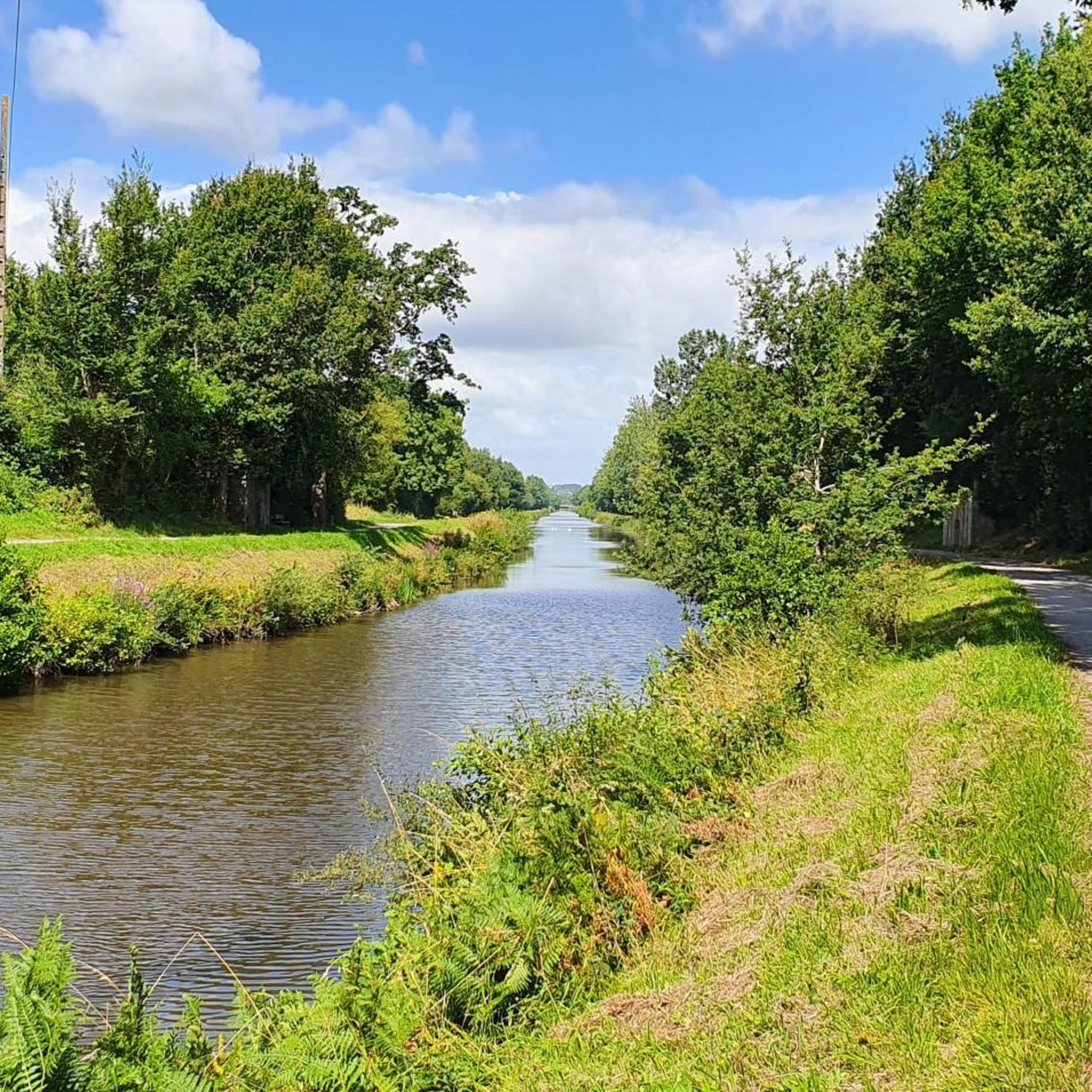
The Nantes-Brest Canal, at Redon, offers a peaceful stroll along its green banks. This river crossroads, where the Vilaine and the canal meet, is ideal for cycling enthusiasts. The tree-lined towpaths allow you to enjoy the calm of nature while admiring the boats passing by.
0
0

This path which runs along the banks of the Vilaine was built in the 18th century. At the time, it allowed barges to be pulled, most often by horses. It now allows you to cycle or walk in complete peace of mind!
1
0
Frequently Asked Questions
What outdoor activities can I enjoy around Saint-Nicolas-De-Redon?
The region offers a variety of outdoor activities, particularly along its waterways. You can enjoy cycling or walking along the Towpath on the Nantes-Brest canal and the Towpath along the Vilaine. The nearby hiking trails and running routes provide opportunities to explore the bocage landscapes. For water sports, Étang Aumée offers swimming, windsurfing, and sailing.
Are there good hiking trails near Saint-Nicolas-De-Redon?
Yes, several marked hiking trails allow you to explore the village and its surroundings. Notable circuits include the 'Circuit de Gargantua,' which covers woods and marshes, and the 'GR de Pays des Trois Rivières,' a longer route. You can find more options in the hiking guide for Saint-Nicolas-De-Redon, with routes like the easy 'Port of Redon – Redon loop' or the moderate 'Étang Aumée loop'.
Where can I go cycling in Saint-Nicolas-De-Redon?
Saint-Nicolas-De-Redon is excellent for cycling, especially along its canals and rivers. The Towpath on the Nantes-Brest canal and the Towpath along the Vilaine offer peaceful, tree-lined routes. The road cycling guide features routes like the 'View of the Vilaine loop' for longer rides.
What historical sites can I visit in Saint-Nicolas-De-Redon?
The commune is rich in history. You can visit the 19th-century Église Saint-Nicolas, the 17th-century Chapelle Sainte-Anne de Rotz, and the 1840 Chapelle Saint-Joseph. Other historical points of interest include the 14th-century Château du Châtelet, the 13th-century Manoir de la Chapelainie, and the 17th-century Ruins of the Maison du Contrebandier. Don't miss the operational Fours à pain (bread ovens) in Quinsignac, La Provotaie, and La Jostais, which are still used during special events.
Are there any water-based activities available?
Yes, Étang Aumée, located between Saint-Nicolas-de-Redon and Fégréac, is a popular spot for water activities. It offers swimming, windsurfing, and sailing courses. The Vilaine River and the Canal de Nantes à Brest also provide opportunities for peaceful boat trips or kayaking, allowing you to enjoy the natural surroundings from the water.
What family-friendly attractions are there in Saint-Nicolas-De-Redon?
Families can enjoy the nautical activities at Étang Aumée, including swimming and sailing. The towpaths along the Canal de Nantes à Brest and the Vilaine River are perfect for easy walks or bike rides. Near Lock No. 19 of Maclaye-Painfaut, there's a high ropes course, offering an adventurous outing for children and adults alike.
What are some hidden gems or unique places to discover?
Beyond the main attractions, consider visiting the Grotte d'Etriel, an original work by sculptor Pierre Evain housing a statue of the Virgin Mary. The three operational Fours à pain (bread ovens) in Quinsignac, La Provotaie, and La Jostais offer a glimpse into traditional life, especially during special events when they are used to bake bread. The 'Circuit de Gargantua' hiking trail leads to a mysterious rock associated with a local legend, providing a unique exploration.
What is the best time to visit Saint-Nicolas-De-Redon for outdoor activities?
The best time to visit for outdoor activities is generally from spring to early autumn (April to October) when the weather is mild and pleasant for hiking, cycling, and water sports. The natural landscapes, especially along the canals and rivers, are particularly vibrant during these months.
What natural features define the landscape of Saint-Nicolas-De-Redon?
Saint-Nicolas-De-Redon is characterized by its waterways and marshlands. It sits on the left bank of the Vilaine River, and the Canal de Nantes à Brest also passes through the commune. The vast Marais de Vilaine (Vilaine Marshes) are a significant natural feature, offering unique landscapes. Étang Aumée provides a large body of water for recreation and wildlife observation.
What is there to see in the nearby town of Redon?
Just 1 km away, Redon is a historic town with an active port and cobbled streets. It is home to the magnificent Benedictine Abbaye Saint-Sauveur, an important historical site in Brittany. Redon's history as a trading port is evident in its old shipowners' houses and large harbor basin, making it a charming place to explore.
Are there any impressive architectural structures or viewpoints?
The Viaduc de Saint-Nicolas-de-Redon is an impressive modern architectural feat, spanning 670 meters across the Vilaine river and connecting two departments. While not a traditional viewpoint, it offers a striking visual landmark. For historical architecture, the 14th-century Château du Châtelet, with its entrance flanked by two towers, provides a glimpse into the region's past.
What do visitors enjoy most about the attractions in Saint-Nicolas-De-Redon?
Visitors particularly enjoy the peaceful atmosphere and scenic beauty of the towpaths along the Nantes-Brest canal and the Vilaine River, which are ideal for cycling and walking. The historic charm of nearby Redon and the authentic natural landscapes, especially around the locks like Maclaye-Painfaut, are also highly appreciated.
Most popular routes around Saint-Nicolas-De-Redon

Get inspired with the komoot mobile app


Explore more
Still not found the Highlight you’re looking for? See guides of the top attractions in other regions:
