Attractions and Places To See around Île-D'Aix - Top 20
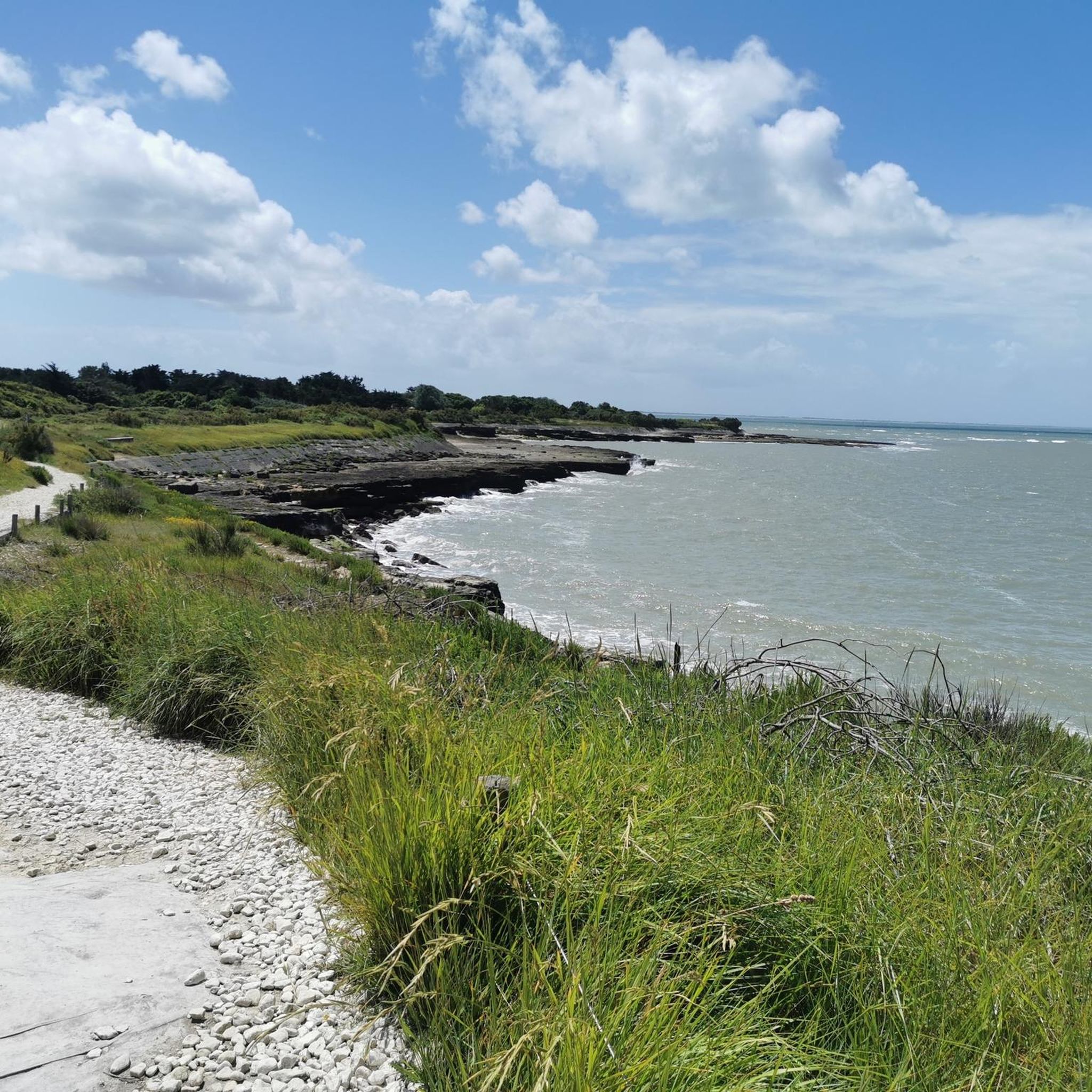
Best attractions and places to see around Île-D'Aix include a car-free island off the French Atlantic coast, known for its history, natural beauty, and charming village. The crescent-shaped island offers diverse landscapes from sandy coves and cliffs to rocky shores and forests. It is accessible exclusively by boat, providing a tranquil environment for exploration. The island is historically significant as the last French land Napoleon I set foot on before his exile.
Best attractions and places to see around Île-D'Aix
…Last updated: May 9, 2026
Châtelaillon Beach
Highlight • Beach
The slope of the beach is gentle and the waves are small to ensure safe swimming. …
Translated by Google •
Tip by

Baudissière Huts
Highlight (Segment) • Other
Here you should set the pace and enjoy the scenery. The small, nicely made huts are very charming. Apparently, there are nice handcraft shops …
Translated by Google •
Tip by

Sign up now to discover places like this
Get recommendations on the best single tracks, peaks, & plenty of other exciting outdoor places.
Sign up for free
Saumonards State Forest
Highlight • Forest
Translated by Google •
Tip by

Fort de Fouras
Highlight • Castle
Tip by

Casino JOA de Châtelaillon
Highlight • Structure
Tip by
Sign up for free to discover even more attractions around Île-D'Aix.
Sign up for free
Already have an account?
Start today with a free account
Your next adventure awaits.
Login or Signup

Tips from the Community

pretty seaside resort, very charming where life is good 🚶🏻♀️🚶♂️😍☀️🏊♀️🏊♂️
0
0

Enjoy cycling in this remarkable dune forest, covering almost 700 hectares. It's the result of a large-scale reforestation campaign in the 19th century, aimed at halting the dune advance, which was gradually encroaching on villages.
0
0

I love the atmosphere of a casino—the excitement, the glowing screens, the feeling that luck is within reach. I used to go to brick-and-mortar gyms, but due to work and other things, I didn't have enough time. I spent a lot of time searching for a regular site until I found https://www.11croco.com/de. I liked the simple interface and the really large selection of slots. Now, whenever I have a free minute, I go there—the thrill is almost like being in a real casino, only without the dress code and waiting lines.
0
0

Very beautiful and picturesque!
0
0
Super application wonderful ballads !!!
0
1

Fort Fouras was actually built on the site of a Roman castle. Its purpose is to defend the mouth of the river against invasions. It was in service and actively occupied and used until 1927.
2
0

very good course for children. Secured.
1
0

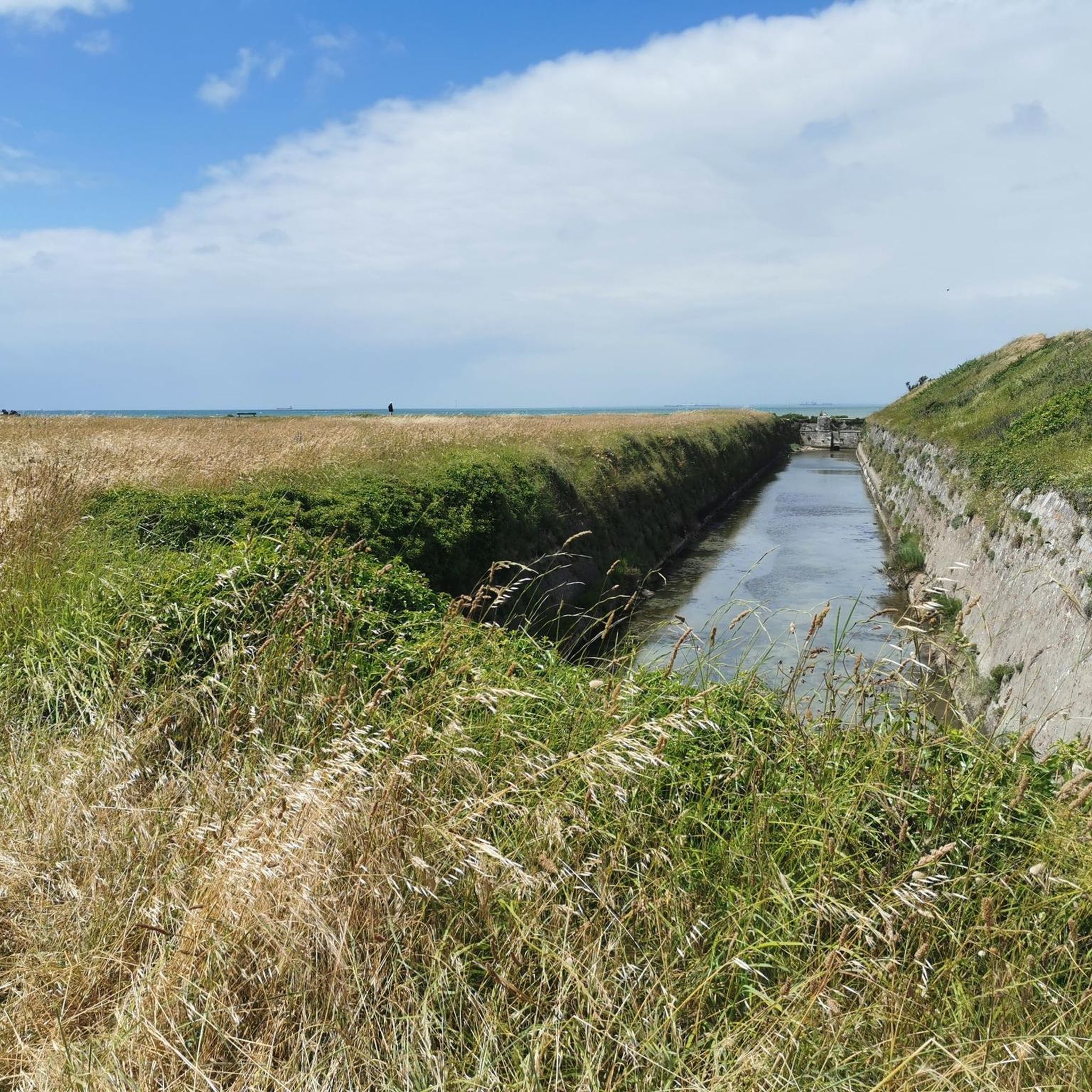
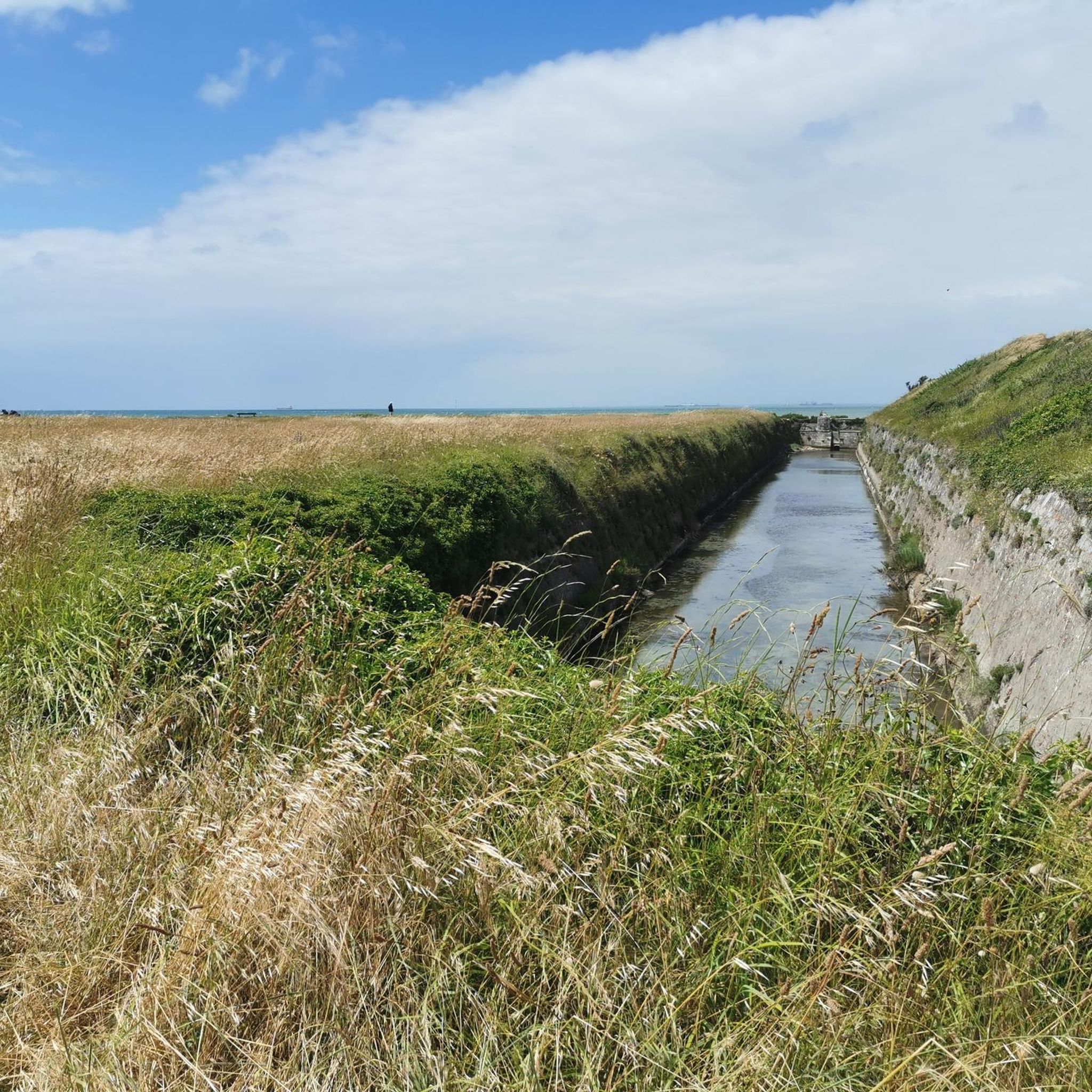
This building is improperly called "Fort Vauban" by tourist brochures, while the construction of the original citadel is much earlier than the modification carried out by Vauban. The mouth of the Charente was a strategic site at all times. In Roman times the site of Fouras was on an island and around 58 BC a Roman castrum called “Caesar’s Castle” occupied the site. In the 11th century, the châtellenie of Fouras legally returned to the Rochefort family who obtained the rights to exercise high, medium and low justice, and to tax (toll) boats using the river. In 1305, Philippe le Bel bought Fouras and attached him to the crown, then again conceded this stronghold which would change lord several times, until Jehan II de Brosse, lord of L'Aigle in 1449 (1454?), Who had built the keep from 1480 to 1490. It was the end of the Hundred Years War. During the wars of religion, the strategic position of Fouras allowed him to escape the destruction ordered by Louis XIII for all the strongholds after the capture of La Rochelle. He made it a royal fortress. During the Dutch War (1672 to 1678), Fouras protected the arsenal of Rochefort built in 1666 by defending the mouth of the Charente. From 1689 to 1693, under the supervision of Vauban, François Ferry, engineer of Louis XIV, transformed the old feudal residence into a "fort by the sea". It thickens the walls of the keep and creates, 36 m above the sea, a firing platform for 9 cannons. He reinforced the medieval rampart and gained the sea by building a false braie intended to carry the bulk of the cannons. In 1705 Ferry had barracks built on the current parking lot. It housed the garrison and served as a rampart for the keep. The fort will be equipped with 50 cannons spread over 3 levels of fire: the false braie, the courtyard and the top of the keep, and will have a garrison of 300 to 600 men. Its shape is reminiscent of a warship: the horseshoe structure at the front (bow), the high medieval courtyard (upper deck), the keep (mast) and the ramparts (bridge). Fort de Fouras did not fire a shot, even during the two British attacks on the harbor, in 1757 and 1809. It would remain in service until the arsenal was closed in 1927. The fort and the citadel were classified as a historical monument on March 13, 1987
1
0
Frequently Asked Questions
What historical landmarks can I explore on Île-D'Aix?
Île-D'Aix is rich in history. You can visit Fort Liédot, a 19th-century naval fortress commissioned by Napoleon, which offers guided tours. There's also Fort de la Rade, an older Vauban-designed fortification near the village, offering scenic walks around its exteriors. Don't miss the Église Saint-Martin d'Aix, a remnant of an 11th-century priory with a Romanesque crypt. The iconic Twin Lighthouses (Phare de l'Île d'Aix) are also inscribed as historical monuments.
What natural features and beaches can I visit on Île-D'Aix?
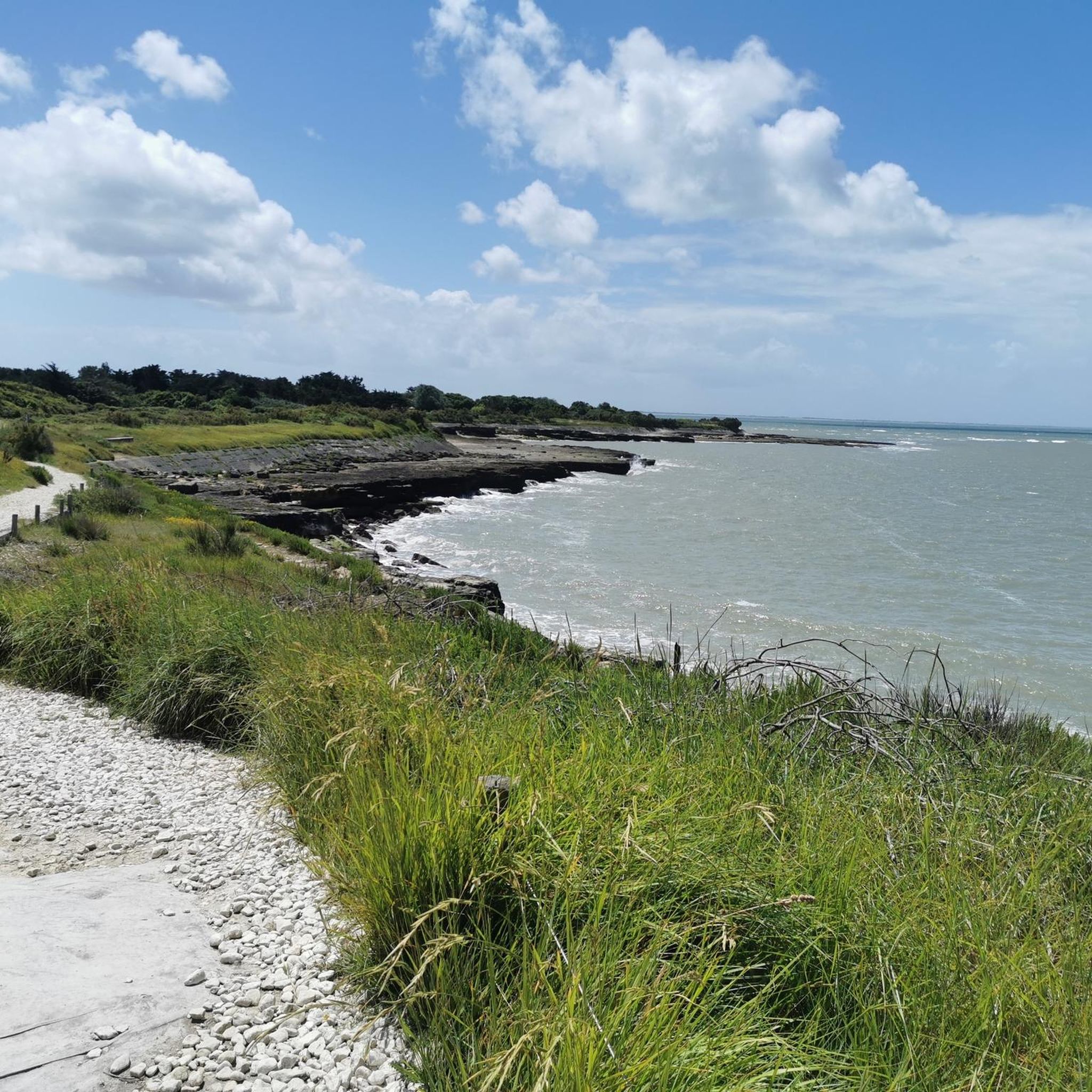
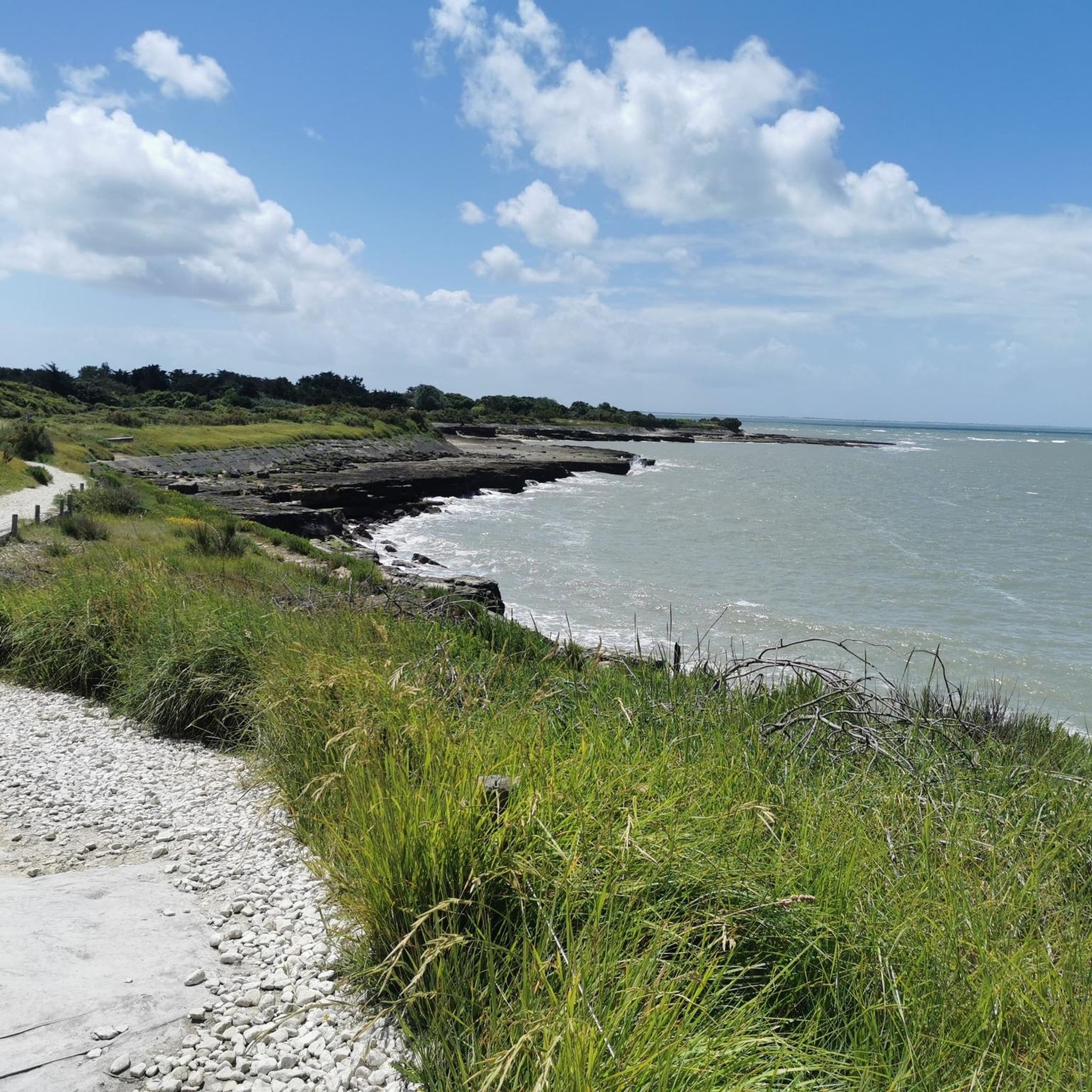
The island boasts five pristine beaches. Anse de la Croix is a popular sandy cove for swimming, offering distant views of Fort Boyard. La Grande Plage is the largest, stretching over a kilometer with oyster beds at low tide. Other notable beaches include Sables Jaunes and Baby Plage. The island's coastal paths provide diverse landscapes, from sandy coves and cliffs to rocky shores and lush forests, particularly in the wooded northern part.
Are there any unique cultural sites to visit on Île-D'Aix?
Yes, the island offers several unique cultural experiences. You can visit the Musée Napoléon, located in the house where Napoleon spent his last days in France. Opposite, the Musée Africain houses zoological and ethnographic collections. For a truly unique experience, explore the Maison de la Nacre (Mother of Pearl House), which is both a museum and the workshop of France's last mother-of-pearl craftsman.
What outdoor activities are available around Île-D'Aix?
The region around Île-D'Aix is excellent for outdoor enthusiasts. You can find numerous routes for various sports. For example, there are several MTB Trails around Île-D'Aix, including an easy 'Paradis Beach loop from Île-d'Aix'. Gravel biking is also popular, with routes like the 'Fortified Village of Île d'Aix – Paradis Beach loop from Île-d'Aix' available in the Gravel biking around Île-D'Aix guide.
Are there good hiking trails on Île-D'Aix?
Absolutely! Île-D'Aix is perfect for walking due to its car-free environment. A popular option is the 'Tour of Ile d'Aix' which covers about 7.9 km. Other easy loops include 'Île d'Aix – Anse de Saint-Eulard loop' and 'Fort Liédot – Île d'Aix loop'. You can find more details and routes in the Hiking around Île-D'Aix guide.
Can I cycle around Île-D'Aix?
Yes, cycling is an excellent way to explore Île-D'Aix. The island is car-free, making it very pleasant for bike rides. You can follow the coastal paths, which offer diverse landscapes. There are also shaded cyclable paths in the northern forest area. You can even find easy gravel biking routes like the 'Fortified Village of Île d'Aix – Paradis Beach loop from Île-d'Aix' in the Gravel biking around Île-D'Aix guide.
How do I get to Île-D'Aix?
Île-D'Aix is exclusively accessible by boat. Regular ferry services depart from Fouras, and seasonal cruises are available from other coastal towns. The journey itself is part of the experience, offering scenic views as you approach the island.
Is Île-D'Aix car-free?
Yes, Île-D'Aix is a car-free island, with the exception of service vehicles. This contributes significantly to its tranquil atmosphere, making it ideal for leisurely strolls, bike rides, or even horse-drawn carriage tours. It's a key part of the island's charm and appeal.
Is Île-D'Aix suitable for families with children?
Yes, Île-D'Aix is very family-friendly. The car-free environment makes it safe for children to explore. Beaches like Anse de la Croix are ideal for swimming, often monitored in summer. The island's gentle terrain is suitable for easy walks and bike rides, and the historical sites offer educational opportunities. Nearby, Châtelaillon Beach is also known for its safe swimming conditions with gentle slopes and small waves.
What is the best way to explore Île-D'Aix?
Given its car-free nature and compact size, the best ways to explore Île-D'Aix are on foot, by bicycle, or via a horse-drawn carriage. These methods allow you to fully immerse yourself in the island's tranquil atmosphere, charming village, and diverse natural landscapes, from coastal paths to wooded areas.
What local specialties can I experience on Île-D'Aix?
On Île-D'Aix, you can enjoy fresh-caught fish and shellfish, reflecting the island's coastal location. Oyster farming is an important local economic activity, so you'll find opportunities for oyster tasting directly from local farmers, offering an authentic taste of the region.
Where can I find the best panoramic views on Île-D'Aix?
For a truly panoramic experience, head to Le Sémaphore. This location offers a stunning 360° view of the entire island and its surrounding seascape, providing an excellent vantage point to appreciate the unique geography and landmarks of Île-D'Aix.
What are some popular attractions near Île-D'Aix but not on the island itself?
While Île-D'Aix has plenty to offer, nearby attractions include Châtelaillon Beach, known for its long stretch of fine sand and safe swimming. Another must-see is Saumonards State Forest, a remarkable dune forest with pleasant, shaded cyclable paths. Visitors also appreciate Fort de Fouras, a well-preserved castle right on the beach with great views. And of course, the famous Fort Boyard can be admired from the island's beaches, with boat tours often departing from Île-D'Aix for a closer look.
Most popular routes around Île-D'Aix

Get inspired with the komoot mobile app


Explore more
Still not found the Highlight you’re looking for? See guides of the top attractions in other regions:
