Attractions and Places To See around Étel - Top 20
Best attractions and places to see around Étel include a blend of historical landmarks, cultural sites, and natural features. Located in the Morbihan department of Brittany, France, Étel is known for its distinctive Ria d'Étel, an estuary characterized by tidal movements. The area offers a variety of points of interest that reflect its maritime history and ancient heritage. Visitors can explore sites ranging from prehistoric monuments to significant religious buildings.
Best attractions and places to see around Étel
- The most…
Last updated: July 7, 2026
Giant Dolmen of Crucuno
Highlight • Historical Site
Translated by Google •
Tip by

Notre-Dame-des-Fleurs Chapel
Highlight • Religious Site
Translated by Google •
Tip by

Sign up now to discover places like this
Get recommendations on the best single tracks, peaks, & plenty of other exciting outdoor places.
Sign up for free
Narbon Mill
Highlight • Other
It is a windmill where only the roof frame, attached to the mechanism, is adjustable.
Translated by Google •
Tip by

Ria of Étel
Highlight • Other
Translated by Google •
Tip by

Saint-Cado Island
Highlight • Settlement
Translated by Google •
Tip by
Sign up for free to discover even more attractions around Étel.
Sign up for free
Already have an account?
Start today with a free account
Your next adventure awaits.
Login or Signup
Other adventures around Étel

Tips from the Community

Built in the 16th century, the chapel opposite Plouharnel Bay is listed as a historic monument. It was enlarged in the 18th century, damaged during the Revolution and World War II, and subsequently restored. The chapel houses beautiful furniture, the most notable of which is an alabaster relief depicting the Tree of Jesse. This 16th-century sculpture is listed as a historic monument.
0
0
The dolmen stands in the middle of the village, close to a house. It once had a long passage and measured 27 meters in length. The cover plate weighs approximately 40 tons. For a long time, it served as a barn.
0
0

sandy paths often impassable by bike
0
0

Great view! A place out of time!
1
0

This dolmen would have long served as a stable. It is made up of nine pillars and the covering slab weighs more than 40 tonnes. Access to the dolmen was formerly via a long corridor of 27 meters which no longer exists.
1
1

Great chapel in Plouharnel that is still alive in 2023 thanks to pictures of the residents
1
1

a beautiful dolmen but a pity that there is a house right next to it
0
0
Frequently Asked Questions
What natural attractions can I explore around Étel?
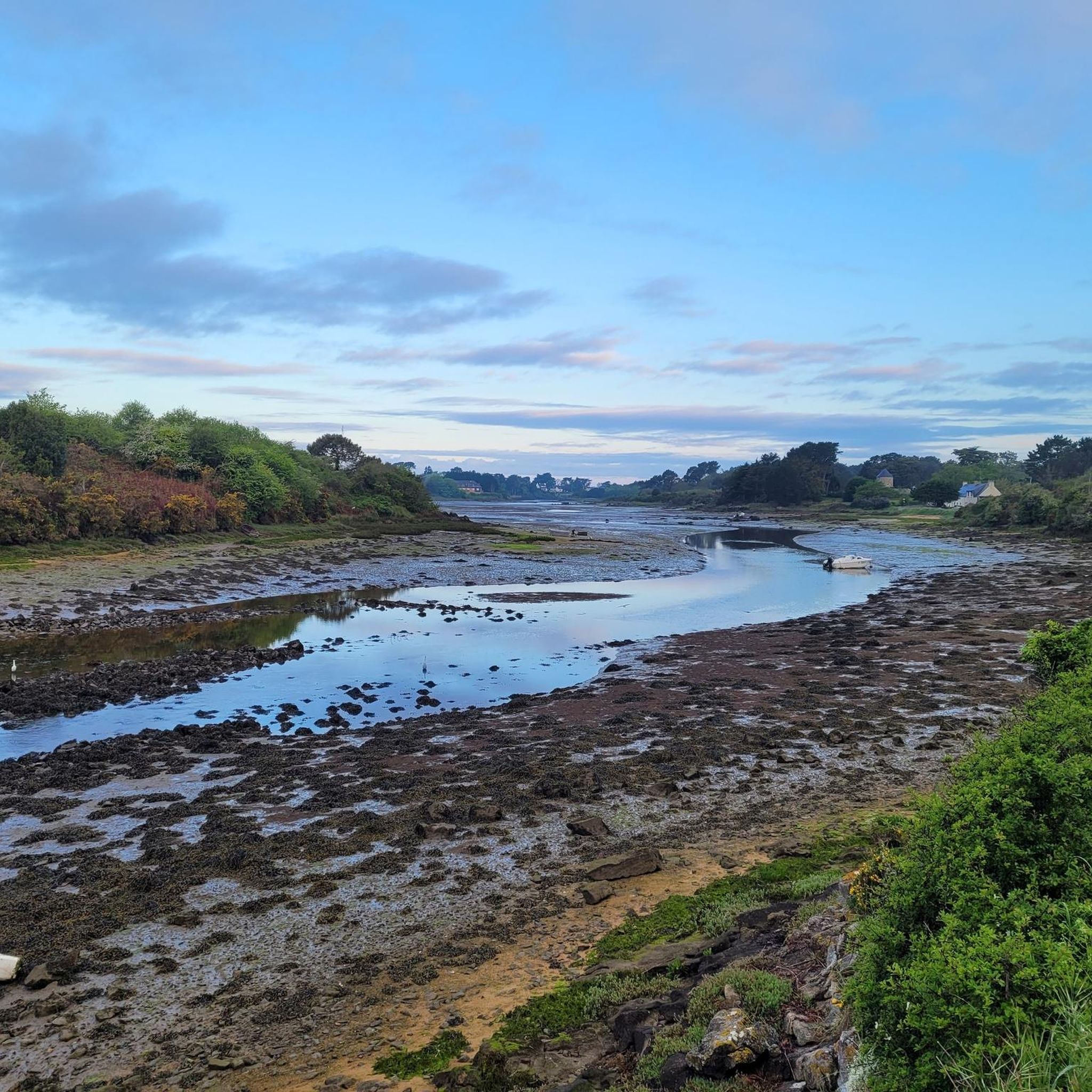
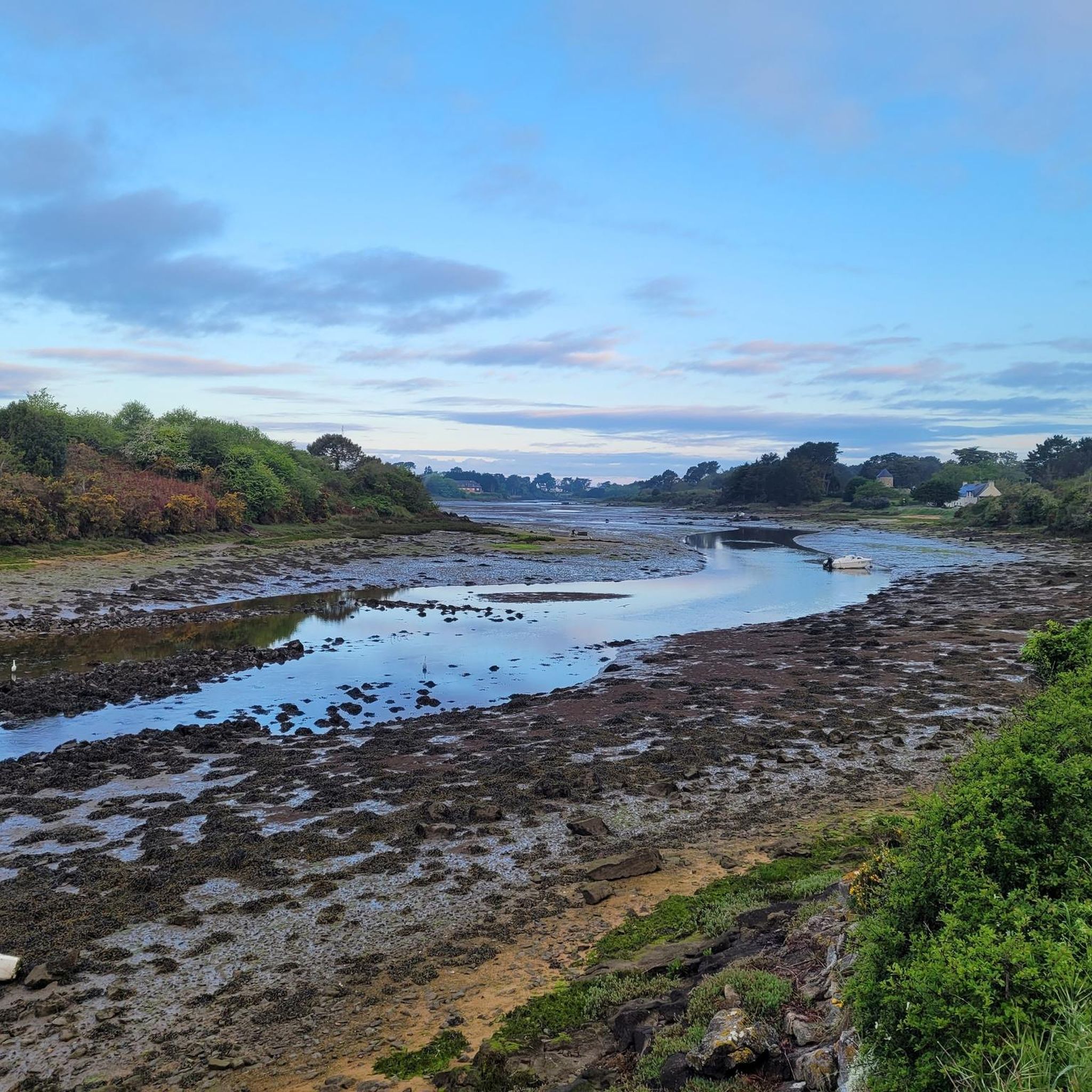
The most prominent natural feature is the Ria of Étel, a unique estuary where ocean waters fill and empty with the tides, creating a fascinating natural spectacle. While not suitable for swimming due to strong currents, its surrounding landscapes offer opportunities for cycling and hiking.
Are there any historical sites to visit near Étel?
Yes, Étel is rich in history. You can visit the Giant Dolmen of Crucuno, an ancient megalithic structure once used as a stable, or the Notre-Dame-des-Fleurs Chapel, a 16th-century religious building housing a notable alabaster relief. Another historical gem is the Narbon Mill, an 1805 windmill with a unique adjustable roof frame.
What kind of outdoor activities can I do around Étel?
The region around Étel is ideal for various outdoor activities. You can find numerous trails for hiking, including routes like the Port Niscop – Sac'h Tidal Mill loop. There are also dedicated running trails, such as the Kerminihy Beach Trail, and options for gravel biking, like the Ria of Étel – Kerhillio Beach loop.
Are there any family-friendly attractions in the Étel area?
Many attractions around Étel are suitable for families. The Giant Dolmen of Crucuno and the picturesque Saint-Cado Island offer engaging experiences for all ages. Exploring the Ria of Étel and its surrounding paths also provides gentle outdoor activities for families.
What is special about Saint-Cado Island?
Saint-Cado Island is a charming spot connected to the mainland by a small bridge. It's famous for its tiny house with blue shutters on a rocky islet and the 18th-century Saint-Cado Fountain, whose waters are traditionally believed to have healing properties. It's perfect for a leisurely stroll and enjoying picturesque views.
What do visitors enjoy most about the attractions around Étel?
Visitors frequently appreciate the blend of historical depth and natural beauty. The unique tidal movements of the Ria of Étel are often highlighted as a fascinating natural spectacle. The ancient history of sites like the Giant Dolmen of Crucuno and the serene atmosphere of the Notre-Dame-des-Fleurs Chapel also receive positive feedback.
Can I find any unique architectural or cultural sites in the region?
Beyond the chapel and dolmen, the Narbon Mill stands out as a unique architectural site. Built in 1805, this windmill is notable for its dry stone enclosure and a roof frame that can be adjusted to protect its wings from the wind, a distinctive feature in the region.
Are there opportunities for hiking near the attractions?
Absolutely. Many attractions are situated within or near scenic hiking routes. For instance, you can find trails that pass by the Giant Dolmen of Crucuno or offer views of the Ria of Étel. For a comprehensive list of routes, refer to the Hiking around Étel guide.
What is the significance of the Chapel of Notre-Dame-des-Fleurs?
The Notre-Dame-des-Fleurs Chapel is a significant 16th-century religious building, later enlarged in the 18th century and restored after wartime damage. It is listed as a historic monument and houses beautiful furniture, most notably a 16th-century alabaster relief depicting the Tree of Jesse, which is also a listed historic monument.
Is Étel known for any specific maritime history?
Yes, Étel has a rich maritime past. The Port of Étel was once a significant tuna fishing port. The area is also known for its challenging navigation conditions due to the dangerous underwater sandbank, the 'barre d'Étel,' within the Ria of Étel. The Saving Station of Étel also has a history of rescue efforts.
Are there any viewpoints to enjoy scenic vistas around Étel?
Many locations around Étel offer scenic views, particularly along the Ria of Étel and from elevated points near the coast. The Notre-Dame-des-Fleurs Chapel is also noted for its nice views of the surrounding area, and Saint-Cado Island provides picturesque coastal vistas, especially at sunset.
Most popular attractions around Étel

Get inspired with the komoot mobile app


Explore more
Still not found the Highlight you’re looking for? See guides of the top attractions in other regions:
