Top 8 Castles around Moval
Castles around Moval offer a journey through centuries of history and architectural evolution. This region is characterized by its historical fortifications, many of which have played significant roles in past conflicts. Visitors can explore a variety of defensive structures, from medieval strongholds to 19th-century forts. The landscape provides a backdrop for these historical sites, inviting exploration.
Best castles around Moval
- The most popular castles is Citadel of Belfort, a historical site that reflects five centuries of fortifications. Built after…
Last updated: October 2, 2026
Citadel of Belfort
Highlight • Historical Site
Translated by Google •
Tip by

Fort de Vézelois
Highlight • Historical Site
Translated by Google •
Tip by

Sign up now to discover places like this
Get recommendations on the best single tracks, peaks, & plenty of other exciting outdoor places.
Lion of Belfort
Highlight • Monument
Translated by Google •
Tip by

Mont Vaudois Fort
Highlight • Historical Site
Translated by Google •
Tip by

Citadel of Belfort and Lion of Belfort
Highlight • Historical Site
Translated by Google •
Tip by

Sign up for free to discover even more castles around Moval.
Already have an account?
Start today with a free account
Your next adventure awaits.
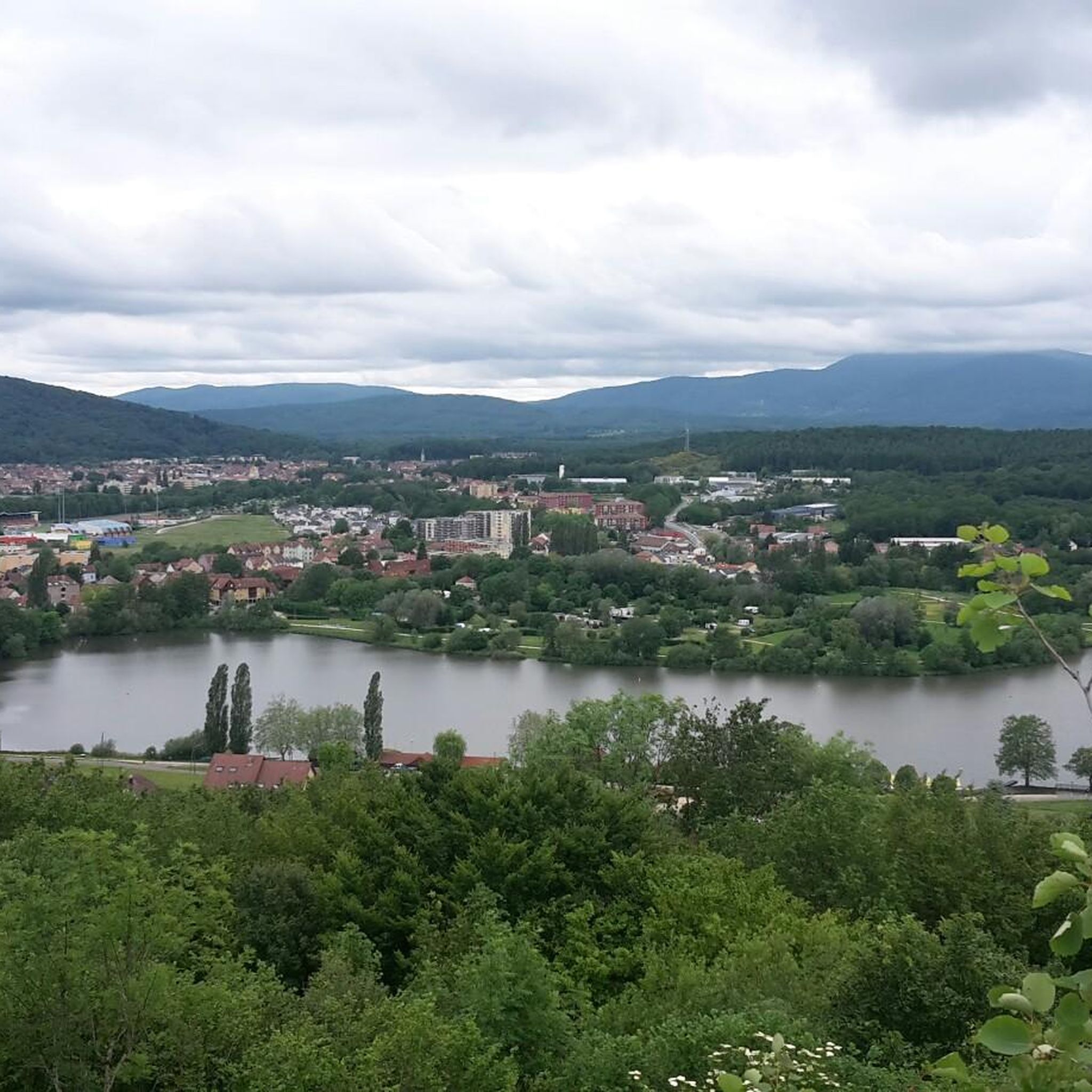
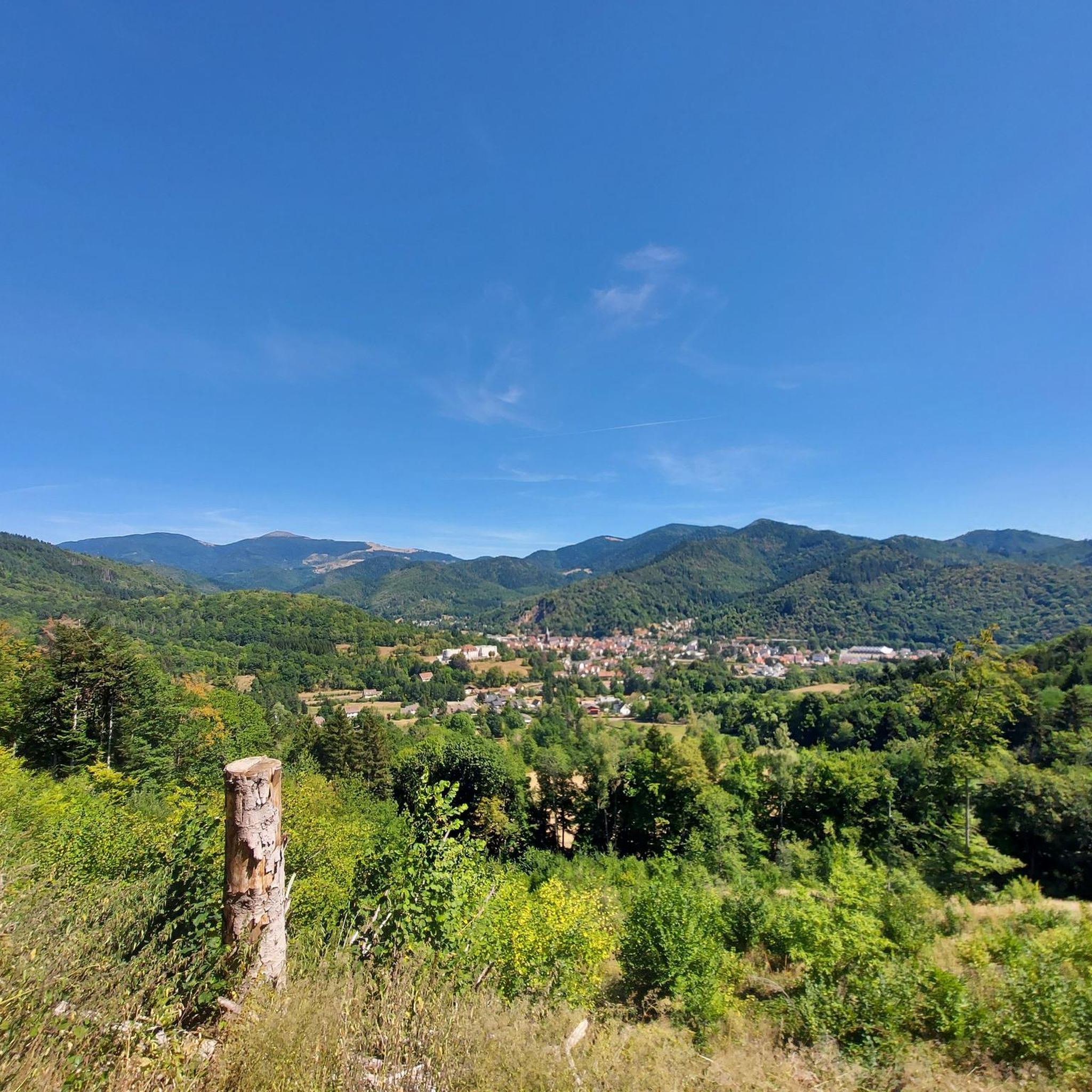
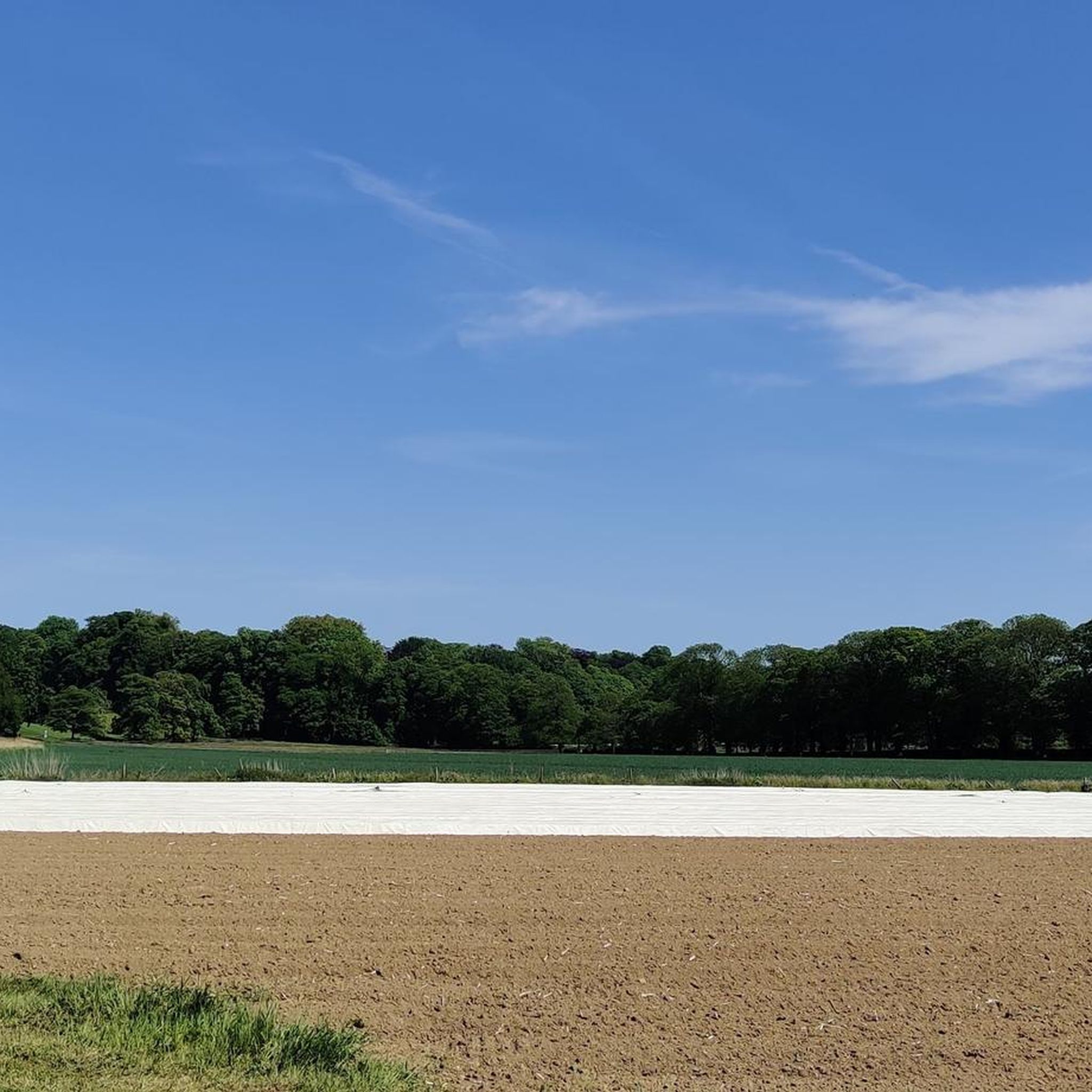
Tips from the Community

This is completely in the wrong place! It is nowhere near the citadel or the lion
0
0

The Citadel of Belfort is a historically complex building, reflecting five centuries of fortifications. It was built after the conquest of the city in 1687, replacing a medieval castle that previously stood on this rocky outcrop.
5
0

impressive Vauban work , free access except for the museum
0
0

Beautiful sculpture and coat of arms of Belfort, below the fortress.
0
0

Impressive complex with the lion towering over it. Well-paved paths lead through the complex. From the top you have a great view of the city of Belfort. At night the lion and the fortress are illuminated. Simply beautiful.
3
0

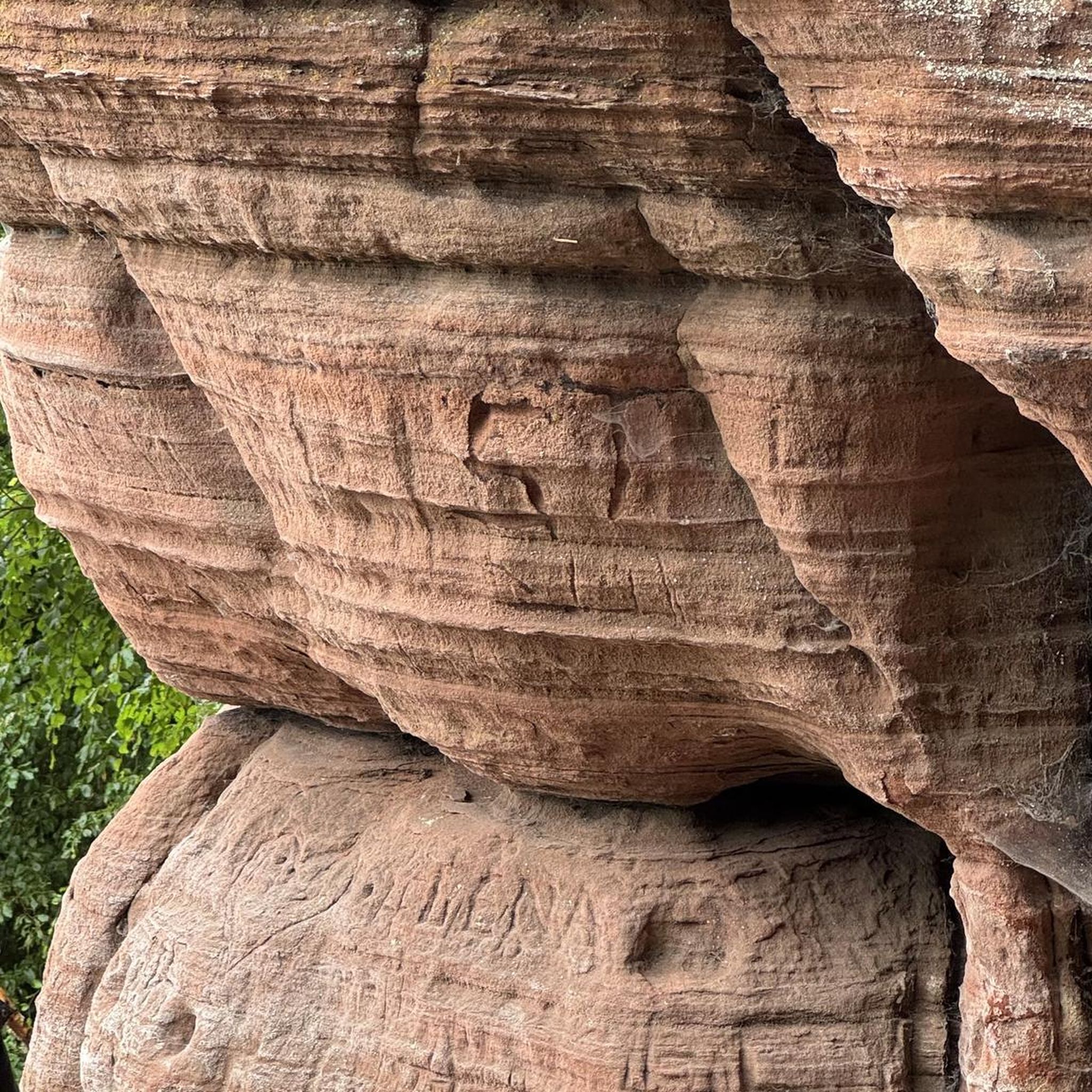
It is a monumental sculpture from 1880 created by Frédéric Auguste Bartholdi, the sculptor of the Statue of Liberty. Completed in 1880, it is entirely made of red sandstone. The blocks that make it up were sculpted individually, then moved to the cliff below Belfort Castle to be assembled there. Twenty-two meters long and 11 meters high, the colossal work dominates the local landscape.
5
1

imposing large fortress with a great view of the city and the surrounding area. Visiting the entire complex without the museums is free.
3
0

Allow enough time, lots of steps and last entry at 5:30 p.m
0
0
Frequently Asked Questions
What are the most historically significant castles and forts around Moval?
The region around Moval is rich in historical fortifications. Key sites include the Citadel of Belfort, a complex reflecting five centuries of defensive architecture built after 1687. Another significant site is Fort de Vézelois, constructed between 1883 and 1886 as part of a fortified system to control strategic routes. The Mont Vaudois Fort, built from 1874 to 1877, also played a role in military history, including during World War II.
Are there any family-friendly activities at the castles around Moval?
Many of the historical sites, such as the View of the Belfort citadel, are categorized as family-friendly. Exploring the vast grounds, bastioned towers, and underground systems of the Citadel of Belfort can be an engaging experience for all ages. The sheer scale and historical context offer an educational adventure.
What kind of views can I expect from the castles in the Moval area?
The fortifications around Moval often offer impressive panoramic views. For instance, the Citadel of Belfort provides a great vantage point over the city and its surrounding area. Similarly, the View of the Belfort citadel highlight specifically points out scenic perspectives of the citadel itself and the landscape.
What outdoor activities can I do near these castles?
The Moval region offers various outdoor activities. You can explore numerous cycling routes, including gravel biking and road cycling, with routes like the 'Fort Senarmont, Bessoncourt – Fort de Vézelois loop' or 'Lac du Malsaucy – Véronne Pond loop'. There are also several running trails, such as the 'Ouvrage de Moval loop' near Meroux-Moval.
Are there walking trails connecting the castles around Moval?
While specific walking trails directly connecting all castles are not detailed, the region's fortifications were historically linked. For example, Fort de Vézelois was part of a fortified system and linked to other forts by a strategic railway from 1893. You can find various running and cycling routes that pass by or near these historical sites, allowing for exploration on foot or bike.
What is the best time of year to visit the castles in the Moval area?
The Citadel of Belfort is generally open year-round, with extended hours during the summer months (July 1st to August 31st, 8 am to 8 pm). From September 1st to June 30th, it's open daily from 8 am to 6:30 pm (except Tuesdays at 5 pm). Visiting during spring or autumn can offer pleasant weather for exploring the outdoor fortifications and trails, while summer provides longer daylight hours.
Is there an entrance fee for the castles around Moval?
For the Citadel of Belfort, visiting the entire complex without entering the museums is free. Specific museums or guided tours within the fortifications might have separate fees. Information on other forts like Fort de Vézelois or Mont Vaudois Fort regarding entry fees would need to be checked with local visitor information centers.
What do visitors enjoy most about the castles and forts in the Moval region?
Visitors frequently appreciate the historical depth and architectural complexity of the fortifications. The Citadel of Belfort is particularly noted for its ingenious defensive system, including bastioned towers and underground passages. The impressive views of the city and surrounding area from these elevated sites are also a major draw. The komoot community has shared over 100 photos and given more than 100 upvotes for these highlights, indicating strong positive engagement.
Are there any specific landmarks or monuments associated with the castles?
Yes, the Citadel of Belfort and Lion of Belfort are closely associated. The Lion of Belfort, created by Bartholdi in 1880, is a significant monument located on the west flank of the citadel and serves as a symbol of the city, commemorating its resistance during the Franco-Prussian War.
Can I find cafes or restaurants near the castles in Moval?
The Citadel of Belfort is located near the city, so you can expect to find various dining options within a reasonable distance. For other forts like Fort de Vézelois, which are often in more rural settings, it's advisable to check local amenities beforehand or plan to bring refreshments.
Are the castles around Moval accessible by public transport?
The Citadel of Belfort is situated in Belfort, a city with public transport options. For forts located further afield, such as Fort de Vézelois or Mont Vaudois Fort, accessibility might require a combination of public transport and walking, or personal vehicle. It's recommended to consult local transport schedules for specific routes.
What is the history behind the fortifications in the Moval region?
The fortifications around Moval, particularly in the Belfort area, showcase various periods of military architecture and defensive engineering. The Citadel of Belfort, for example, was built after 1687, replacing a medieval castle. Later forts like Fort de Vézelois (1883-1886) and Mont Vaudois Fort (1874-1877) were part of more modern defensive systems, adapting to new military technologies like the torpedo shell and playing roles in both World Wars.
Most popular attractions around Moval

Get inspired with the komoot mobile app


Explore more
Looking for the best castles somewhere else? Discover other guides around Moval:
