Attractions and Places To See around Bétête - Top 15
Attractions and places to see around Bétête, a commune in the Creuse department of France, offer a blend of historical, cultural, and natural features. The region is characterized by its historical landmarks, including a 12th-century church and an ancient Cistercian abbey. Natural attractions such as a communal pond and walking circuits provide opportunities for outdoor activities. Visitors can explore various settlements, castles, and natural monuments within the area.
Best attractions and places to see around Bétête
- The most popular attraction…
Last updated: May 21, 2026
Boussac Castle
Highlight • Castle
Translated by Google •
Tip by

Les Pierres Jaumâtres
Highlight • Natural Monument
Translated by Google •
Tip by

Sign up now to discover places like this
Get recommendations on the best single tracks, peaks, & plenty of other exciting outdoor places.
Sign up for free
Toulx-Sainte-Croix
Highlight (Segment) • Settlement
In the center of the village, a …
Translated by Google •
Tip by
Châtelus-Malvaleix
Highlight • Settlement
Translated by Google •
Tip by
Beautiful rocky path
Highlight (Segment) • Other
Tip by

Sign up for free to discover even more attractions around Bétête.
Sign up for free
Already have an account?
Start today with a free account
Your next adventure awaits.
Login or Signup

Tips from the Community

Magnificent and impressive castle. Worth a visit, as is the village.
1
0

Beautiful architecture in the town and adopted commune of actress Anny Duperey.
0
0

Small typical Creuse village.
1
0
The restaurant there is highly recommended.
0
0

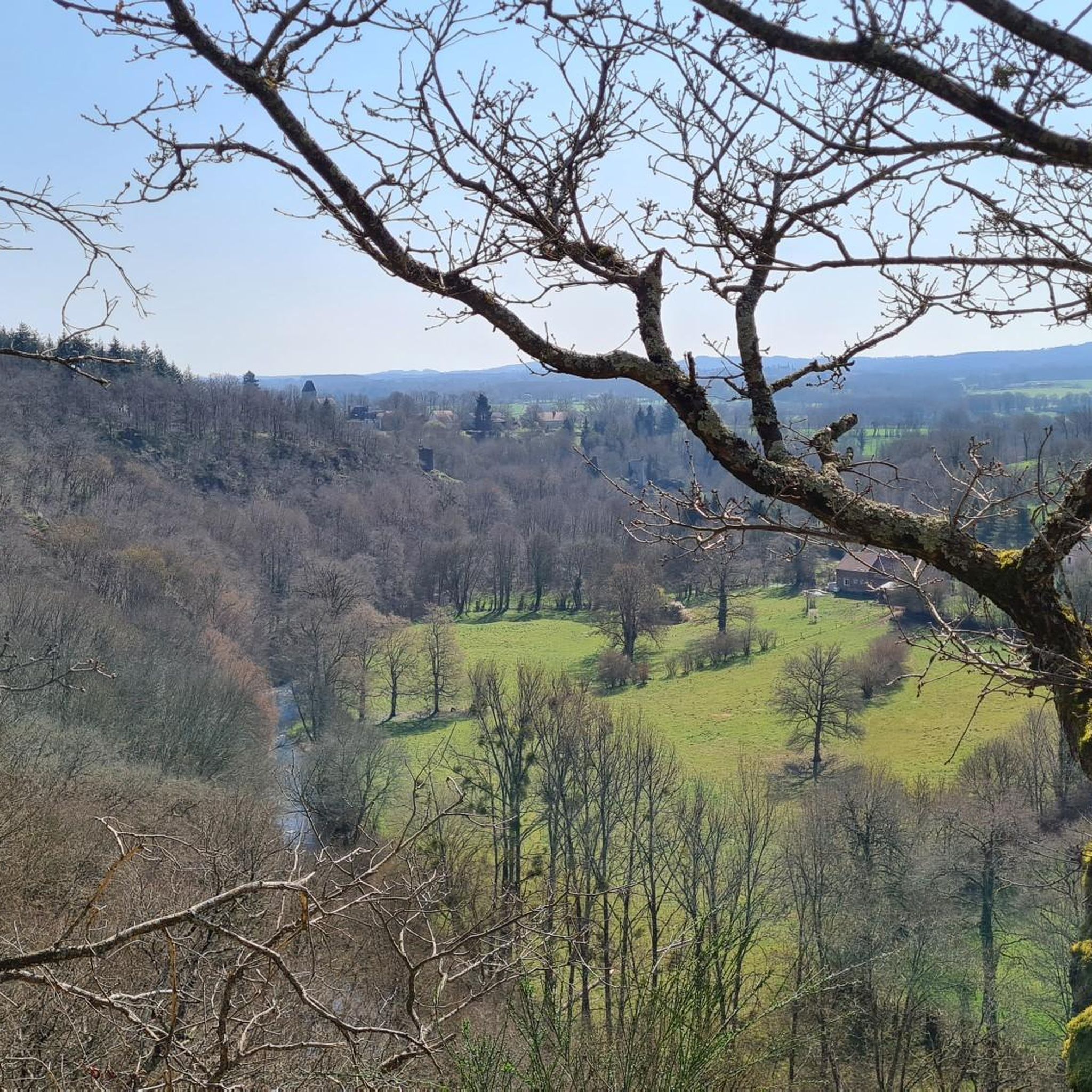
The Yellow Stones, very nice and peaceful. It is possible to stand on the stones to enjoy nature.
0
0

The Château de Boussac is especially famous for having housed two particular occupants: the novelist George Sand and the publisher Pierre Leroux. It was built around the 11th century on a site occupied since Roman times. Destroyed by the English during the Hundred Years War, it was rebuilt in the 14th century. In 1926, a gendarmerie barracks was installed in the castle.
2
0
The Château de Boussac is most famous for having been home to two notable figures: the novelist George Sand and the publisher Pierre Leroux. It was built around the 11th century on a site occupied since Roman times. Destroyed by the English during the Hundred Years' War, it was rebuilt in the 14th century. In 1926, a gendarmerie barracks was established in the château.
2
0
Frequently Asked Questions
What historical and cultural sites can I explore in Bétête itself?
In Bétête, you can visit the 12th-century Romanesque Eglise de Bétête, known for its unique bell tower and stained-glass windows. The village also features the historic Lavoir de la Font-Pérenche with its granite washing stones, and the remnants of the 12th-century Abbaye de Prébenoît. You can find more information about the abbey on Tourisme Creuse.
Are there any castles or significant historical landmarks near Bétête?
Yes, a prominent historical landmark nearby is Boussac Castle. This 12th-century castle has a rich history, having been home to novelist George Sand and publisher Pierre Leroux. Guided tours are available from April to September.
What natural attractions are there around Bétête?
Nature lovers can visit the Les Pierres Jaumâtres, a natural monument featuring impressive granitic rock formations at the top of Mont Barlot. Another natural highlight is the Étang de Bétête, a 1.5-hectare communal pond perfect for walks, picnics, and fishing. More details about the pond can be found on Tourisme Creuse.
Are there family-friendly activities or attractions in the Bétête area?
Absolutely. Les Pierres Jaumâtres is a popular spot for families, offering an engaging natural landscape that children enjoy exploring. The Étang de Bétête is also family-friendly, providing opportunities for walking, picnicking, and fishing. The village of Toulx-Sainte-Croix, with its unique church and tower, is another interesting destination for families.
What kind of outdoor activities can I do near Bétête?
The Bétête area is excellent for outdoor activities. You can enjoy hiking, running, and mountain biking on various trails. For specific routes, explore the Hiking around Bétête, Running Trails around Bétête, and MTB Trails around Bétête guides. An easy 8 km walking loop, the Circuit du moulin, starts from Bétête and offers scenic natural landscapes. You can find more information about this circuit on Tourisme Creuse.
Are there any hidden gems or less crowded spots to discover?
Yes, the Beautiful rocky path, featuring the Yellow Stones, is considered a well-hidden gem in the region, offering a peaceful natural experience away from the crowds. It's a great place to enjoy nature and stand on the unique rock formations.
What is special about the village of Toulx-Sainte-Croix?
Toulx-Sainte-Croix is an extraordinary village known for its huge yellowish granite stones a few kilometers from its center. The village church is unique, with its bell tower separated from the main building. Additionally, a tower built in 1932 on the heights of Toulx-Sainte-Croix is nicknamed 'the lighthouse,' despite being far from any body of water.
Can I find places to swim or fish near Bétête?
The Étang de Bétête is a communal pond where you can enjoy fishing for trout, carp, and other freshwater fish. For swimming, the nearby town of Châtelus-Malvaleix offers the Roussille lake, which has a supervised beach during the summer months.
What is the best time of year to visit Bétête for outdoor activities?
Given the focus on walking, hiking, and enjoying natural sites like the Étang de Bétête and Les Pierres Jaumâtres, the spring, summer, and early autumn months are generally ideal. The weather is typically pleasant for exploring the outdoors, and summer offers the added benefit of supervised swimming at Roussille lake.
Are there any specific walking circuits or trails directly from Bétête?
Yes, the Circuit du moulin is an easy 8 km walking loop that starts directly from Bétête. It offers a journey through natural landscapes with a total positive elevation of 124 meters, providing an opportunity to experience the local environment and potentially discover remnants of old mills. You can find more details on Tourisme Creuse.
What makes Châtelus-Malvaleix an interesting place to visit?
Châtelus-Malvaleix is a charming small town in the Creuse department, known for its remarkable houses, fountains, and wash houses. The Roussille lake nearby offers a supervised beach in summer, making it a great spot for relaxation and water activities.
What do visitors enjoy most about the attractions around Bétête?
Visitors particularly appreciate the blend of historical richness and natural beauty. The historical significance of sites like Boussac Castle and the unique geological formations of Les Pierres Jaumâtres are highly rated. Many also enjoy the peaceful natural experiences offered by places like the Beautiful rocky path and the various walking trails.

Get inspired with the komoot mobile app


Explore more
Still not found the Highlight you’re looking for? See guides of the top attractions in other regions:
