The best walks and hikes around Großrederchingen
4.5
(1749)
7,172
hikers
17
hikes
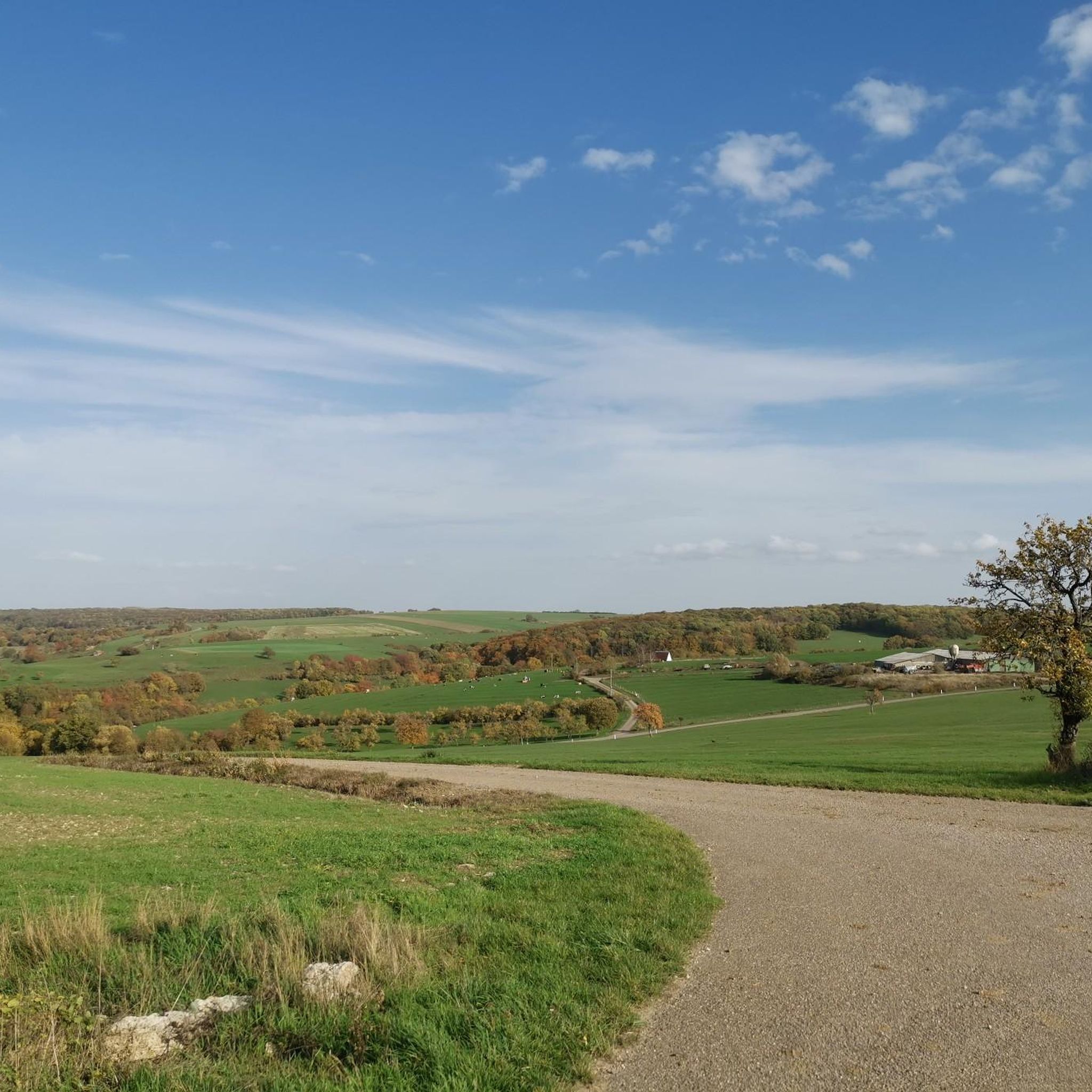
Hiking around Großrederchingen offers diverse landscapes within the Moselle department of France, characterized by rolling hills and extensive wooded areas. The region is nestled in a valley where two streams converge, contributing to its verdant environment. As part of the Northern Vosges Regional Natural Park, it features varied terrain from shaded woodlands to open fields, providing a tranquil setting for outdoor activities.
Best hiking trails around Großrederchingen
- The most popular hiking route is Stop air loop from Gros-Réderching, a…
Last updated: July 1, 2026
3.8
(5)
19
hikers
5.75km
01:34
90m
90m
Easy hike. Great for any fitness level. Easily-accessible paths. Suitable for all skill levels.
5.0
(2)
8
hikers
6.90km
01:55
120m
120m
Easy hike. Great for any fitness level. Easily-accessible paths. Suitable for all skill levels.

Sign up for free
4.0
(2)
8
hikers
9.27km
02:33
150m
150m
Moderate hike. Good fitness required. Easily-accessible paths. Suitable for all skill levels.
3.0
(1)
8
hikers
13.4km
03:38
190m
190m
Moderate hike. Good fitness required. Easily-accessible paths. Suitable for all skill levels.
8
hikers
10.0km
02:43
140m
140m
Moderate hike. Good fitness required. Easily-accessible paths. Suitable for all skill levels.
Get access to more routes and recommendations from other explorers.
Sign up for free
Already have an account?
Our route recommendations are based on thousands of hikes, rides, and runs completed by other people on komoot.
Start today with a free account
Your next adventure awaits.
Login or Signup
Tips from the Community


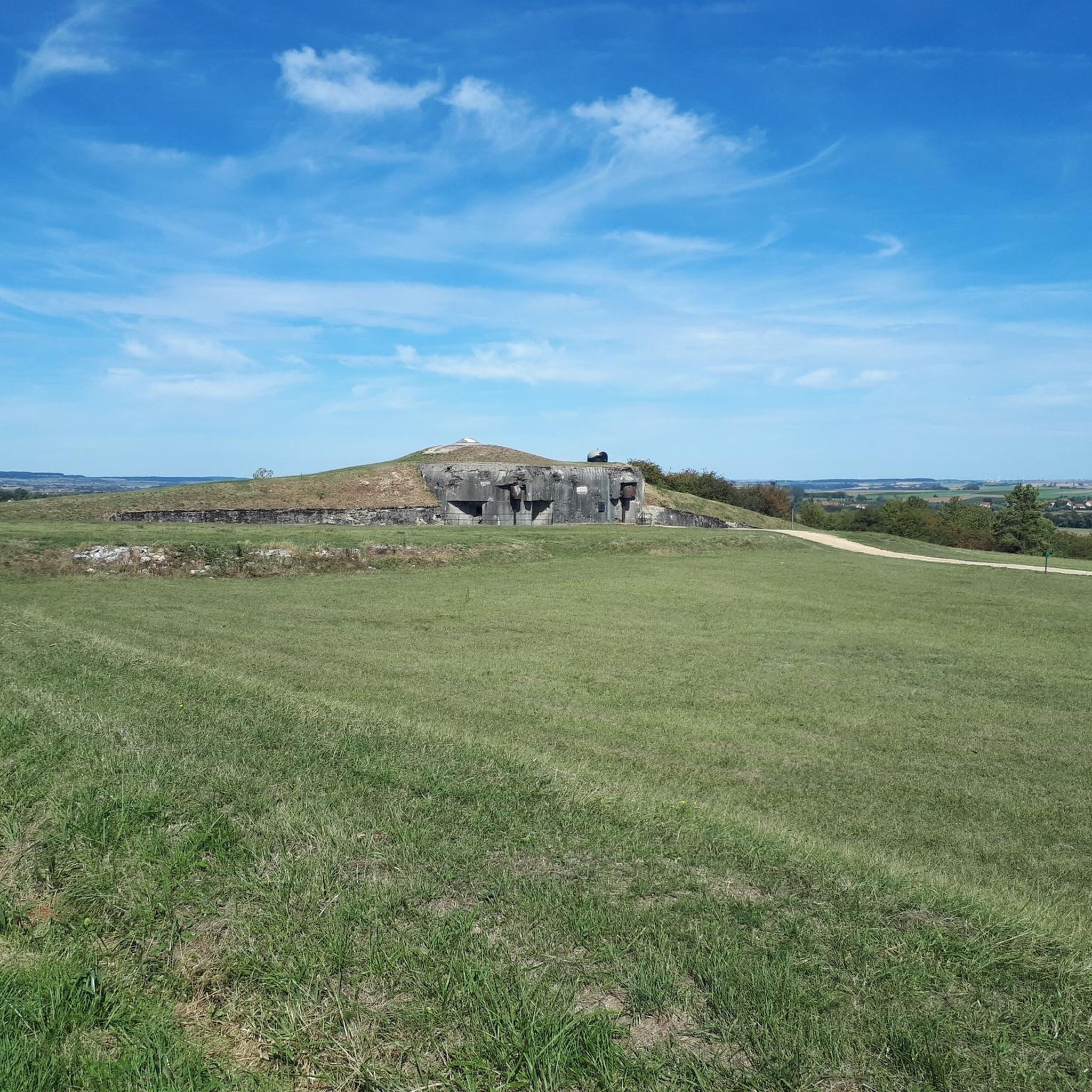
In the Maginot line, a log house was a one-story concrete bunker with a small wall thickness, in which there was at most one standby room next to the battle rooms. The weapons flanked to protect the neighboring plants. The bunkers, occupied by a maximum of 16 people, only had hand-ventilators for gas protection and petroleum lights. The outpost Gros-Réderching Sud was equipped with a Hotchkiss machine gun and 2 light machine guns, each installed in a separate combat room. The Gros Réderching Sud outpost covered the two outposts in Gros Réderching and reported to the Welschhof infantry works.
4
0
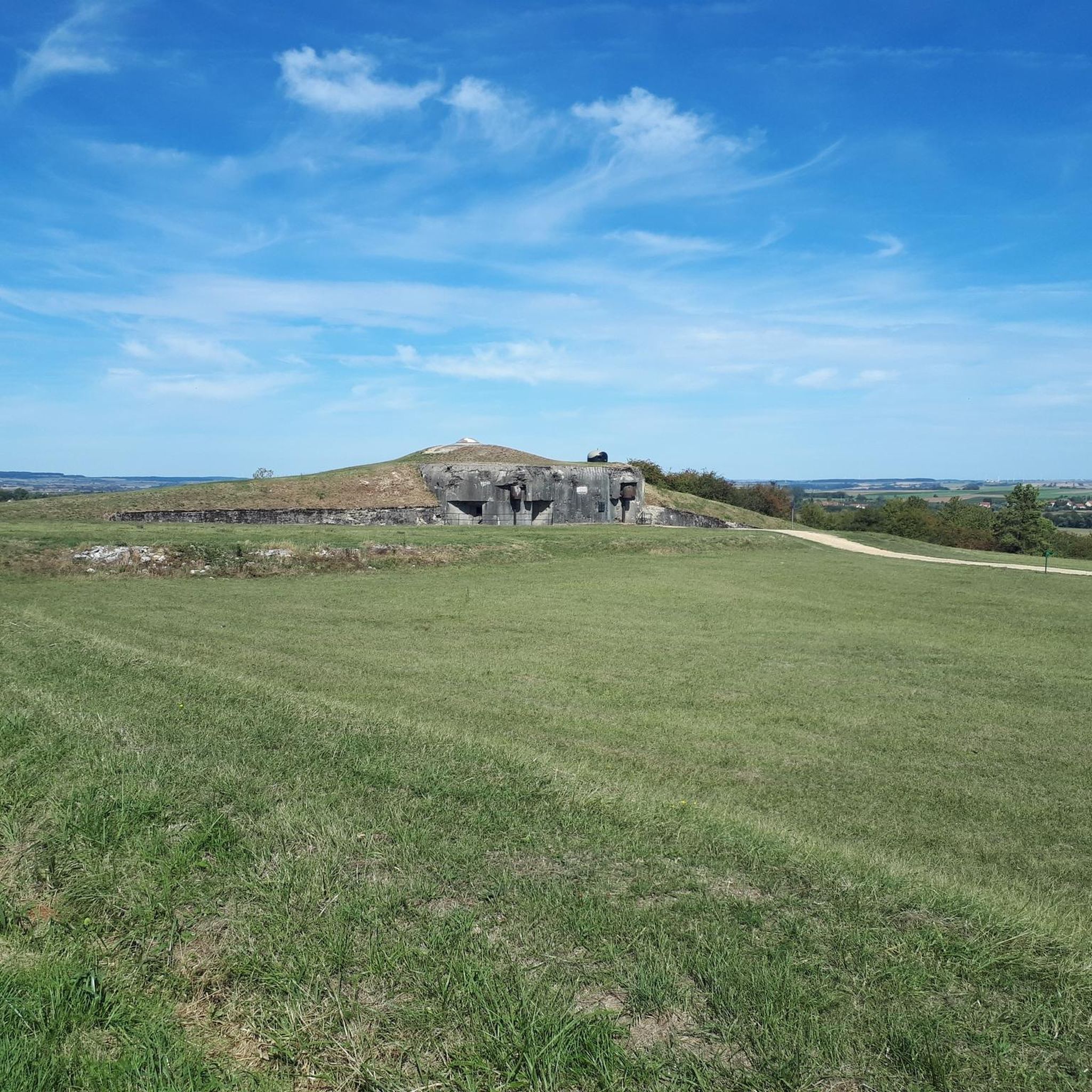
In the Maginot line, a log house was a one-story concrete bunker with a small wall thickness, in which there was at most one standby room next to the battle rooms. The weapons flanked to protect the neighboring plants. The bunkers, occupied by a maximum of 16 people, only had hand-ventilators for gas protection and petroleum lights. The Ferme Welschhof Sud blockhouse was armed with a Hotchkiss machine gun and a light machine gun. The Ferme Welschhof Sud flanked the rear area of the Welschhof infantry plant, so that enemy troops who bypassed the Welschhof and wanted to attack from behind. He could also act on the infantry casemates Nord-Ouest du Singling gauche and Nord-Ouest du Singling droite as well as on the log houses First 1-6. The special feature of the Ferme Welschhof Sud is that the log house is integrated into the Welschhof farmstead and the niches are now bricked up. However, these are still recognizable.
1
0
In the Maginot line, a log house was a one-story concrete bunker with a small wall thickness, in which there was at most one standby room next to the battle rooms. The weapons flanked to protect the neighboring plants. The bunkers, occupied by a maximum of 16 people, only had hand-ventilators for gas protection and petroleum lights. The Ferme Welschhof Nord infantry log house was armed with a Hotchkiss machine gun and 2 machine guns of type FM 24/29. The Ferme Welschhof Nord flanked the rear area of the Welschhof infantry plant, so that enemy troops who bypassed the Welschhof and wanted to attack from behind. Furthermore, the log house had an impact on log houses First 1-6.
2
0
Das Petit-Ouvrage d’infanterie du Welschhof (Infanteriewerk Welschhof) gehört zum Festungsbereich Rohrbach und bildete als äußerst linkes Werk mit dem Petit-Ouvrage Rohrbach (Fort Casso) und den Gros-Ouvrages (Artilleriewerke) Simserhof, Schiesseck und Otterbiel eine Verteidigungslinie. Der Welschhof besteht aus 3 Kampfblöcken. Ursprünglich waren 5 Kampfblöcke angedacht. Dieses Vorhaben wurde allerdings aus Kostengründen wieder verworfen. Die Besonderheit des Welschhofs ist, dass Block 1 als einziges Werk der Maginot-Linie mit einer Scharte für Kombinationswaffen ausgestattet war. Die Besatzung bestand aus ca. 160 Mann. Bewaffnet war der Welschhof wie folgt: Block 1: Kasematte und Mannschaftseingang - 1 Scharte für Reibel MAC 31-Zwillingsmaschinengewehr, austauschbar mit einer 47-mm-Panzerabwehrkanone auf Schiene -Scharte für Reibel MAC 31-Zwillingsmaschinengewehr -Scharte für Mischwaffen (Reibel-Zwillingsmaschinengewehre MAC 31 und 25mm Panzerabwehrkanone) flankiert in Richtung Block 3 -AM-Glocke für Mischwaffen (Reibel-Zwillingsmaschinengewehr MAC 31 und 25mm Panzerabwehrkanone) -2 GFM Typ B Glocken (FM24 / 29 und 50 Mörser) Block 2: Geschützblock -Turm für Mischwaffen (Reibel MAC 31-Maschinengewehren und 25-mm-Panzerabwehrkanonen) -GFM Typ B Glocke (Mörser FM24 / 29 und 50) Block 3: Kasematte -Scharte für Reibel MAC 31-Zwillingsmaschinengewehr, austauschbar mit einer 47-mm-Panzerabwehrkanone auf Schiene -Scharte für Reibel MAC 31-Zwillingsmaschinengewehr -AM-Glocke für Mischwaffen (Reibel-Zwillingsmaschinengewehr MAC 31 und 25mm Panzerabwehrkanone) -2 GFM Typ B Glocken (FM24 / 29 und 50 Mörser) Der Welschhof wurde ab dem 21. Juni 1940 durch das 462. Infanterieregiment der 262. Infanteriedivision der Wehrmacht unter Beschuss genommen. Anfangs konnte man die Vorstöße noch durch Feuer der Nachbarwerke abwehren. Nachdem sich die Nachbarwerke im Saar-Sektor am 22. Juni ergeben hatten, begann am 23. Juni der Angriff auf den Welschhof. Nach mehreren Treffern deutscher 3,7cm-PAK und 150mm-Geschütze im Block 1 ergab sich die Besatzung des Welschhofs am Morgen des 24. Juni 1940. Der Welschhof ist heute in einem leider erbärmlichen Zustand. Metalldiebe und Sprayer haben sich in seinen Räumen und Gängen ausgetobt. Nichtsdestotrotz gibt es noch kleine Highlights, wie z. B. die gekachelte Beschriftung im Stil der Pariser Metro im Kraftwerksraum, Türbeschriftungen oder aufgeklebte Zeitungsausschnitte in den Unterkunftsräumen.
2
0

Unfortunately the access is currently closed
0
0
Frequently Asked Questions
Where is Großrederchingen located?
Großrederchingen, officially Gros-Réderching, is a commune situated in the Moselle department of the Grand Est administrative region in north-eastern France. It's nestled within the larger Pays de Bitche region, known for its diverse landscapes and natural beauty, and is part of the Northern Vosges Regional Natural Park.
How many hiking trails are available around Großrederchingen?
The region around Großrederchingen offers a wide network of hiking opportunities. On komoot, you'll find 17 distinct hiking routes, ranging from easy strolls to more moderate excursions. The broader Pays de Bitche region boasts over 700 kilometers of marked trails, including "14 sentiers d'excellence" developed by the local community.
Are there easy hikes suitable for beginners or families?
Yes, Großrederchingen offers several easy hiking options perfect for beginners or families. For instance, the Hiking loop from Singling is an easy 6.9 km path exploring varied rural landscapes. Another great choice is the Stop air loop from Gros-Réderching, a 5.8 km trail winding through local woodlands.
What kind of landscapes can I expect to see while hiking here?
Hikers in Großrederchingen can expect a picturesque rural setting characterized by rolling hills, extensive wooded areas, and valleys where streams converge. As part of the Northern Vosges Regional Natural Park, the terrain varies from shaded woodlands to open fields, offering a tranquil and scenic environment. You'll also encounter natural features like ponds and peat bogs.
Are there any historical sites or landmarks to discover along the trails?
Absolutely. The region is rich in history. Many trails lead past historical landmarks, including a ruined 14th-century chapel and numerous roadside crosses within Gros-Réderching itself. The area also holds significance due to its position along the Maginot Line, and some routes, like the Stop air – Mown Forest Trail loop from Gros-Réderching, may traverse parts of this historic fortified defense line, featuring bunkers and casemates.
Can I hike with my dog in Großrederchingen?
While specific regulations for dogs on trails can vary, the natural environment of Großrederchingen, with its extensive woodlands and rural paths, generally welcomes dogs. It's always recommended to keep your dog on a leash, especially in areas with wildlife or near livestock, and to follow local signage. The varied terrain offers plenty of opportunities for you and your canine companion to explore.
Are there circular hiking routes available?
Yes, many of the hiking routes around Großrederchingen are designed as loops, offering convenient circular walks. Examples include the Stop air loop from Gros-Réderching, the Hiking loop from Singling, and the longer Altwieserwald loop from Singling.
What do other hikers enjoy most about hiking in Großrederchingen?
The hiking trails around Großrederchingen are highly rated by the komoot community, with an average score of 4.5 stars from over 1500 reviews. Hikers often praise the tranquil setting, the well-preserved natural spaces, and the diverse terrain that combines shaded woodlands with open fields. The blend of natural beauty and historical elements, such as the Maginot Line, also receives positive feedback.
What are some notable natural attractions or viewpoints in the area?
The region offers several natural attractions. You can explore various ponds, such as Mühlenwald Pond or Le Silène Pond, which are often integrated into hiking routes. Some trails also lead to impressive rock formations, like the Altschlossfelsen in nearby Germany, offering scenic viewpoints over the landscape.
What is the best time of year to go hiking in Großrederchingen?
Großrederchingen offers beautiful hiking experiences throughout the year, with each season painting the landscape in different hues. Spring brings lush greenery and blooming wildflowers, while autumn showcases vibrant fall foliage in the extensive woodlands. Summer is ideal for longer days on the trails, and even winter can offer serene, crisp walks through the quiet, snow-dusted forests.
Are there any longer or more challenging hikes available?
While Großrederchingen primarily features easy to moderate trails, there are options for longer excursions. The Altwieserwald loop from Singling, for example, is a moderate 13.4 km trail that takes about 3 hours 37 minutes to complete, leading through the extensive Altwieserwald forest. This offers a more extended experience for those looking for a longer day out.
Most popular routes around Großrederchingen
Most popular attractions around Großrederchingen

Get inspired with the komoot mobile app


Explore more
Browse the best Hikes in other regions.
