Attractions and Places To See around Jussy - Top 20
Best attractions and places to see around Jussy, located in the Moselle department of France, include historical sites and views of the Moselle valley. This former wine-growing village features old houses from the 16th and 17th centuries, a historic church, and a restored wine press. The area offers a blend of cultural heritage and natural landscapes, with nearby Metz providing additional significant landmarks.
Best attractions and places to see around Jussy
- The most popular attractions is Gorze–Metz Roman Aqueduct (Jouy-aux-Arches)…
Last updated: October 5, 2026
Gorze–Metz Roman Aqueduct (Jouy-aux-Arches)
Highlight • Monument
All boards are in French, English and German.
Translated by Google •
Tip by

Moyen Bridge
Highlight • Other
Translated by Google •
Tip by

Sign up now to discover places like this
Get recommendations on the best single tracks, peaks, & plenty of other exciting outdoor places.
Saint-Étienne Cathedral
Highlight • Religious Site
Translated by Google •
Tip by
Porte des Allemands and Metz Cathedral
Highlight • Historical Site
Translated by Google •
Tip by

Porte des Allemands
Highlight • Historical Site
Translated by Google •
Tip by
Sign up for free to discover even more attractions around Jussy.
Already have an account?
Start today with a free account
Your next adventure awaits.

Tips from the Community

great place in front of the cathedral
0
0

It's called the "Lantern of God" because St. Stephen's Church in Metz has almost three times the window area of Chartres Cathedral. Many great artists have attempted to design it – for the 800th anniversary, it will be a woman for the first time.
15
0
Built between 1220 and 1522, it is the result of the merging of two separate churches. With its 42-meter-high nave, it is one of the largest Gothic buildings in Europe. Its 6,500 square meters of stained-glass windows have earned it the nickname "Lantern of the Lord." Created in the 16th and 18th centuries by Hermann von Münster, Thiébault de Lixheim, Valentin Bousch, Jacques Villon, and Marc Chagall, these masterpieces of fire and light are a true encyclopedia of glass art.
15
0

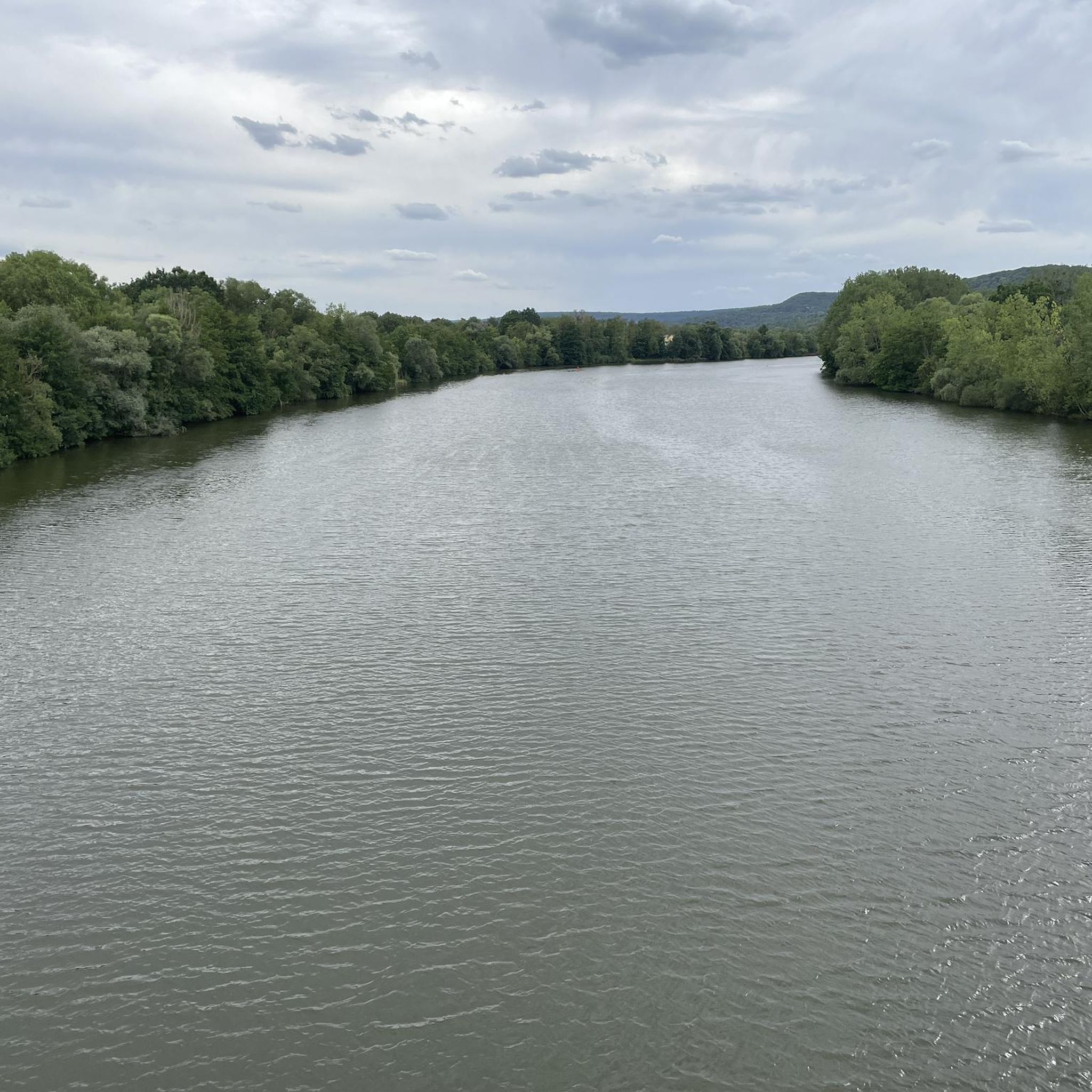
A bridge over the Moselle River offers beautiful views of the Moselle Island. At night, the arches beneath the bridge are illuminated in colorful lights, a beautiful eye-catcher.
5
0
Of the original 17 city gates, only the German Gate in the east remains. Named after the former hospital of the Teutonic Order, which stood nearby, it was built as an entrance to the city on a bridge over the Seuille River. A medieval structure straight out of a picture book.
6
1

Always worth a bike tour! In the old town area, however, you should keep an eye on the ground. The cobblestones are very rough in places and have deep, wide cracks.
1
0

In the evening the bridge is illuminated and looks very beautiful
2
0
Frequently Asked Questions
What historical sites can I explore around Jussy?
The area around Jussy is rich in history. You can visit the impressive Gorze–Metz Roman Aqueduct (Jouy-aux-Arches), a man-made monument that once supplied Metz with water, with 16 arches still preserved. Another significant site is the Porte des Allemands in Metz, a fortified city gate that served as a bridge over the Seille and is a key remnant of Metz's medieval ramparts. Within Jussy itself, explore the Saint-Hilaire Church with its 12th-century Romanesque bell tower and 15th-century Gothic choir, as well as old houses from the 16th and 17th centuries featuring sculpted lintel doors.
Are there family-friendly attractions near Jussy?
Yes, several attractions are suitable for families. The Gorze–Metz Roman Aqueduct (Jouy-aux-Arches) is a fascinating historical site that can be enjoyed by all ages. The Porte des Allemands, a medieval fortified gate, also offers an engaging historical experience for families. Additionally, the nearby city of Metz provides a variety of sights, including the grand Saint-Étienne Cathedral, which can be an awe-inspiring visit for children and adults alike.
What are the best places to see Roman heritage in the Jussy area?
The most prominent Roman heritage site is the Gorze–Metz Roman Aqueduct (Jouy-aux-Arches). This impressive structure, originally 22 kilometers long, was built in the 1st century to transport water to the ancient city of Divodurum (Metz). Today, 16 arches are still visible, offering a tangible link to the Roman past. You can also follow the 'Sur les traces des Romains' nature walk in Jussy to explore the natural surroundings with a historical theme.
What kind of views can I expect around Jussy?
From the château square in Jussy, you can enjoy magnificent views of the Moselle valley and the Metz urban area. The region's elevated positions offer scenic panoramas of the surrounding landscapes, including the river and historical cityscapes. For specific city views, the Moyen Bridge in Metz provides lovely perspectives of the Temple Neuf and the island of Petit-Saulcy.
Can I go cycling near Jussy's attractions?
Yes, there are several cycling opportunities around Jussy. You can find various routes, including easy options like the 'Idyll on the Moselle – High water column loop from Ars-sur-Moselle' (15.5 km) or the 'Porte des Allemands – Metz Cathedral loop from Moulins-lès-Metz' (27.2 km). For more cycling routes, explore the Cycling around Jussy guide.
Are there running trails available near Jussy?
Absolutely. The area offers a selection of running trails. You could try the 'View of the River Moselle – Moselle Left-Bank Cycle Path loop from Moulins-lès-Metz' (12 km, moderate) or the 'Staircase of the 360 Steps loop from Lessy' (10.7 km, moderate). For more options, check out the Running Trails around Jussy guide.
What are the most popular attractions in the wider Metz area, near Jussy?
Beyond Jussy, the city of Metz offers significant attractions. The Saint-Étienne Cathedral is a must-see, known for its Gothic architecture, vast stained-glass windows (including some by Chagall), and high vaults. Another highlight is the Porte des Allemands, a medieval fortified bridge and city gate. The Moyen Bridge also offers picturesque views within Metz.
What can I learn about Jussy's traditional architecture and heritage?
Jussy is home to old houses dating from the 16th and 17th centuries, many featuring distinctive sculpted lintel doors and niches with statuettes. The village also preserves a restored old wine press from 1877, which includes elements from the 14th century, reflecting its past as a wine-growing village. The 1850 stone lavoir (wash house) in the village center near the Château square is another example of its historical infrastructure.
What do visitors particularly enjoy about the attractions around Jussy?
Visitors appreciate the blend of historical significance and scenic beauty. The Gorze–Metz Roman Aqueduct is often highlighted for its impressive scale and historical context, with information available in multiple languages. The Porte des Allemands is valued as a significant vestige of Metz's medieval past. The overall area is praised for its beautiful old town centers, Gothic architecture, and pleasant promenades along the Moselle.
Are there opportunities for gravel biking near Jussy?
Yes, gravel biking is a popular activity in the region. You can find routes like the 'Mount Saint-Quentin – Le Petit Canada loop from Moulins-lès-Metz' (30.6 km, moderate) or the 'Metz Cathedral – German Gate loop from Ars-sur-Moselle' (65.3 km, moderate). For more gravel biking adventures, consult the Gravel biking around Jussy guide.
Where can I find information about the Saint-Étienne Cathedral in Metz?
The Saint-Étienne Cathedral in Metz is a magnificent Gothic structure built between the 13th and 16th centuries. It is renowned for having the largest surface area of stained-glass windows in France and some of the highest vaults among French churches. Be sure to look for the famous Chagall windows during your visit.
What is the 'Devil's Tower' in Jussy?
Jussy features a historical watchtower locally known as the 'Devil's Tower'. This landmark adds to the village's rich historical tapestry and offers a glimpse into its past defensive structures.
Most popular attractions around Jussy

Get inspired with the komoot mobile app


Explore more
Still not found the Highlight you’re looking for? See guides of the top attractions in other regions:
