Attractions and Places To See around Le Chastang - Top 12
Attractions around Le Chastang include a tranquil rural commune in the Corrèze department of France, offering access to local points of interest and broader regional attractions. The area is characterized by its traditional Auvergnat-style architecture and natural features like the Ruisseau de Brauze. Visitors can explore various landscapes, from forests to waterways, with numerous hiking trails originating from the village. Le Chastang is also situated near Coiroux Lake, providing additional outdoor opportunities.
Best attractions and places to see around Le…
Last updated: June 23, 2026
Cascade
Highlight • Waterfall
Tip by

Canal des Moines of Aubazine
Highlight • Monument
Translated by Google •
Tip by

Sign up now to discover places like this
Get recommendations on the best single tracks, peaks, & plenty of other exciting outdoor places.
Sign up for free
Puy de Pauliac Summit
Highlight • Summit
Translated by Google •
Tip by

Canal des moines and its streams
Highlight (Segment) • Other
Translated by Google •
Tip by

Les 4 moulins
Highlight • Other
Translated by Google •
Tip by
Sign up for free to discover even more attractions around Le Chastang.
Sign up for free
Already have an account?
Start today with a free account
Your next adventure awaits.
Login or Signup



Tips from the Community

A beautiful hike. The waterfalls are magnificent.
0
0

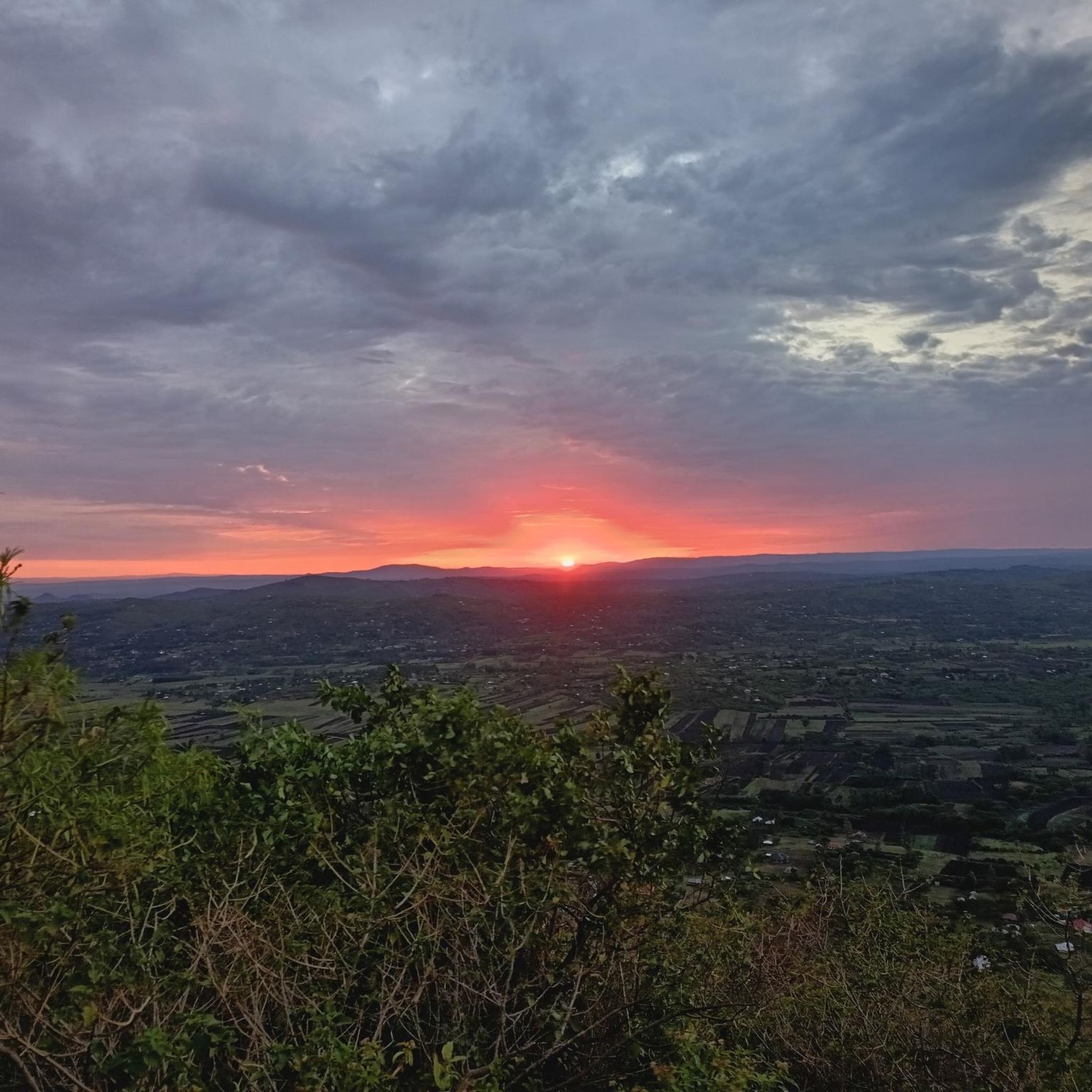
The Puy de Pauliac is one of the most popular peaks among Corrèze residents because it offers a very open panorama of the Corrèze landscapes. From here, you can perfectly see the gentle, hilly terrain composed of oaks and pines.
3
0

One of the heritages of Corrèze
0
1

Why Visit Puy de Pauliac? For the panorama: Enjoy breathtaking views of Corrèze, ideal for photography and landscape enthusiasts. For hiking: Explore a preserved natural setting thanks to hiking trails suitable for all levels. For serenity: Recharge your batteries in a quiet location, away from the hustle and bustle, surrounded by nature. Puy de Pauliac is an authentic place of discovery in Corrèze, perfect for those seeking natural beauty, tranquility, and outdoor activities.
2
0
The Puy de Pauliac is a peak located in the Corrèze department, in the Nouvelle-Aquitaine region. Although less well-known than some of the region's other peaks, it offers beautiful panoramic views and a preserved natural setting, ideal for hikers and nature lovers. Points of Interest at the Puy de Pauliac: Corrèze Landscapes: The Puy de Pauliac offers an exceptional panorama of the rolling and wooded landscapes of Corrèze. On clear days, visitors can observe distant horizons and the small valleys that shape this rural region. Preserved Natural Setting: The vegetation surrounding the summit is typical of Corrèze forests, with oaks, pines, and a rich diversity of local flora. Hiking Activities: Marked Trails: The Puy de Pauliac is accessible via several hiking trails. The trails are generally well-marked, offering hikers of all levels the opportunity to explore the surrounding area in peace and quiet. Natural Discovery: In addition to the panoramic views, hikers can appreciate the region's ecological richness, observe local wildlife, and immerse themselves in nature. Place of Serenity: Spirit of Relaxation: This is a perfect place for those seeking peace and quiet away from the hustle and bustle of the city. The summit is often a peaceful place, conducive to reflection or contemplation of the surrounding nature. Heritage and Local History: A Place of Remembrance: The Puy de Pauliac can also be linked to certain local histories, particularly those related to the Resistance or the history of Corrèze, although it is less well-known than other historical sites in the region.
2
0
Hiking Along the Canal: Marked Trail: A hike follows the canal along part of its route, with sections accessible to all, although some portions are steep and require a little attention. Historical Discovery: Along the trail, explanatory panels provide information on the history of the canal and the lives of the monks who built and maintained it. It is an excellent way to combine hiking and cultural discovery. A Masterpiece of Water Management: Agricultural Use: Originally, the canal was used to divert water for irrigation of the land, but also to supply water to the abbey buildings, gardens and mills. Even today, you can admire the way in which the water is precisely guided along the route. Medieval Engineering: The structure, despite its age, is still in good condition and demonstrates the excellence of medieval water management techniques. Why Visit the Canal des Moines? For its historical and architectural heritage: The canal is a medieval masterpiece that demonstrates the expertise of the Cistercian monks in hydraulics and natural resource management. For the beauty of the hike: The path along the canal offers a pleasant walk with breathtaking views of the valley and the forest, ideal for nature and walking lovers. For the cultural experience: The site allows you to discover a little-known aspect of monastic life and understand how the monks transformed the landscape to meet their needs. The Canal des Moines is a place where history, nature and human ingenuity combine, offering a beautiful getaway in Corrèze, both for hiking enthusiasts and heritage enthusiasts.
1
0
The Canal des Moines de Coyroux, located near Aubazine in Corrèze, is a remarkable hydraulic structure built in the 12th century by the Cistercian monks of the Aubazine Abbey. This canal, dug into the mountainside, was used to irrigate the abbey's lands and supply water to the mills. Today, it is an exceptional site both for its historical interest and for the beauty of its natural setting. Points of Interest of the Canal des Moines: Unique Historical Structure: Ingenious design: The canal was dug manually over a length of more than 1.5 kilometers, cut into the rock with carefully calculated slopes to bring water from the Coiroux River to the farmland of the Aubazine Abbey. It is a testament to the know-how of the Cistercian monks, experts in hydraulics. Cistercian heritage: The canal is part of the architectural and technical heritage left by the monks of the Aubazine Abbey, who left their mark on the region with their innovations in water management and land development. Spectacular Natural Setting: On the mountainside: The canal winds along the cliffside, offering impressive views of the Coiroux Valley and the surrounding forest. The walk along the canal offers exceptional panoramas in a calm and preserved environment. Peaceful environment: The site is surrounded by lush nature, with oak and chestnut forests. The murmur of the flowing water adds to the tranquility of the place, conducive to meditation and relaxation.
1
0
Canal Walk: Marked Trail: A walk follows part of the canal's route, with sections accessible to all, although some are steep and require a little care. Historical Discovery: Along the trail, explanatory panels provide information on the history of the canal and the lives of the monks who built and maintained it. It's an excellent way to combine hiking and cultural discovery. A Masterpiece of Water Management: Agricultural Use: Originally, the canal diverted water for irrigation, but also to supply the abbey buildings, gardens, and mills. Today, you can still admire the way the water is precisely guided along the route. Medieval Engineering: The structure, despite its age, is still in good condition and demonstrates the excellence of medieval water management techniques. Why Visit the Canal des Moines? For its historical and architectural heritage: The canal is a medieval masterpiece that demonstrates the expertise of Cistercian monks in hydraulics and natural resource management. For the beauty of the hike: The path along the canal offers a pleasant walk with breathtaking views of the valley and forest, ideal for nature and walking lovers. For the cultural experience: The site allows visitors to discover a little-known aspect of monastic life and understand how the monks transformed the landscape to meet their needs. The Canal des Moines is a place where history, nature, and human ingenuity combine, offering a beautiful getaway in Corrèze for both hiking enthusiasts and heritage enthusiasts.
2
0
Frequently Asked Questions
What historical and architectural sites can I explore near Le Chastang?
Le Chastang itself features the Church of Sainte Foy with its 12th-century Romanesque heart and the Senta Caquita Fountain from 1578, known for its pilgrimage history. Nearby, you can visit Canal des Moines of Aubazine, an exceptional 12th-century canal dug by Cistercian monks. The village of Aubazine, just 5 km away, also boasts an important 12th-century abbey church. Further afield, explore the distinctive red sandstone villages of Collonges-la-Rouge and Meyssac, or the medieval center of Turenne with its ancient castle.
Are there any notable natural attractions or viewpoints in the area?
Yes, the region offers several natural wonders. The Cascade is a beautiful waterfall system, though some sections require careful negotiation. For panoramic views, head to Puy de Pauliac Summit, which offers expansive vistas of the Corrèze landscapes. The Gimel Waterfalls and Gouffre de la Fage are also significant natural sites within 18 km, and the Chastang Dam provides spectacular panoramic viewpoints.
What hiking opportunities are available around Le Chastang?
Le Chastang is an excellent base for hiking. Several trails start directly from the village, allowing you to discover the local landscape and woods. A popular option is the path along the Canal des Moines of Aubazine, which combines historical discovery with a pleasant walk. For more options, you can find numerous routes in the Hiking around Le Chastang guide, including trails like the 'Aubazine to Puy de Pauliac loop' and 'Canal des Moines and Puy de Pauliac Loop'.
Can I go cycling near Le Chastang?
Absolutely! The area around Le Chastang offers various cycling routes. You can explore options like the 'Argentat – Old Bridge over the Dordogne loop' or the 'Forest Trail in Corrèze loop from Aubazines'. For a comprehensive list of routes, check out the Road Cycling Routes around Le Chastang guide.
Are there family-friendly activities or attractions in the region?
Families can enjoy exploring the hiking trails around Le Chastang, many of which are suitable for various ages. The Canal des Moines of Aubazine offers an engaging walk with historical context. Additionally, Coiroux Lake, located near Le Chastang, provides opportunities for outdoor activities. The Senta Caquita Fountain in Le Chastang itself has a charming historical tradition that might intrigue children.
What is the best time of year to visit Le Chastang for outdoor activities?
The region is beautiful for outdoor activities throughout much of the year. Spring and autumn offer pleasant temperatures for hiking and cycling, with vibrant foliage in autumn. Summer is ideal for water-based activities at Coiroux Lake. While specific tips for winter activities are not detailed, the natural landscapes remain appealing for those who enjoy cooler weather walks.
What do visitors enjoy most about the attractions around Le Chastang?
Visitors frequently praise the blend of natural beauty and historical significance. The Canal des Moines of Aubazine is particularly appreciated for its ingenious medieval engineering and the serene, scenic walks it offers. The panoramic views from Puy de Pauliac Summit are also a highlight, providing a sense of peace and a broad perspective of the Corrèze landscapes.
Are there any running trails near Le Chastang?
Yes, there are several running trails available. You can find routes like 'Trail d'Aubazine' or 'Forest Path – Forest Trail in Corrèze loop from Aubazines'. For more detailed information and a wider selection of trails, consult the Running Trails around Le Chastang guide.
Where can I find traditional architecture in the Le Chastang area?
Le Chastang itself is known for its traditional Auvergnat-style barns with dormer windows, contributing to its unique architectural character. Beyond the village, the nearby 'Most Beautiful Villages of France' such as Collonges-la-Rouge and Meyssac are renowned for their distinctive red sandstone buildings, offering a glimpse into regional architectural heritage.
What are some lesser-known or 'hidden gems' to discover near Le Chastang?
While not widely publicized, the Senta Caquita Fountain in Le Chastang offers a unique historical anecdote. For a natural escape, exploring the various hiking trails starting from the village can lead to quiet spots along the Ruisseau de Brauze. The viewpoints from the Chastang Dam are also a local treasure, offering stunning vistas away from the main tourist routes.
Is there a lake nearby for water activities?
Yes, Coiroux Lake (Plan d'eau du Coiroux) is located near Le Chastang. It provides opportunities for various water-based activities and is a popular spot for locals and visitors alike.
What are the options for exploring historical canals in the region?
The primary historical canal to explore is the Canal des Moines of Aubazine. This 12th-century canal, manually dug by Cistercian monks, is a remarkable feat of engineering. You can walk along marked trails that follow its route, offering both historical insight and beautiful views of the Coiroux Valley.

Get inspired with the komoot mobile app


Explore more
Still not found the Highlight you’re looking for? See guides of the top attractions in other regions:
