Attractions and Places To See around Saint-Momelin - Top 20
Best attractions and places to see around Saint-Momelin include historical landmarks and natural features within the Audomarois Marsh. This village, situated in the Hauts-de-France region, offers a tranquil setting connected to surrounding wetlands. Visitors can explore a blend of cultural sites and natural environments, characterized by wet meadows and waterways. The area provides opportunities to discover historical vestiges and significant natural reserves.
Best attractions and places to see around Saint-Momelin
- The most popular attractions is Watten Hill, a summit…
Last updated: May 25, 2026
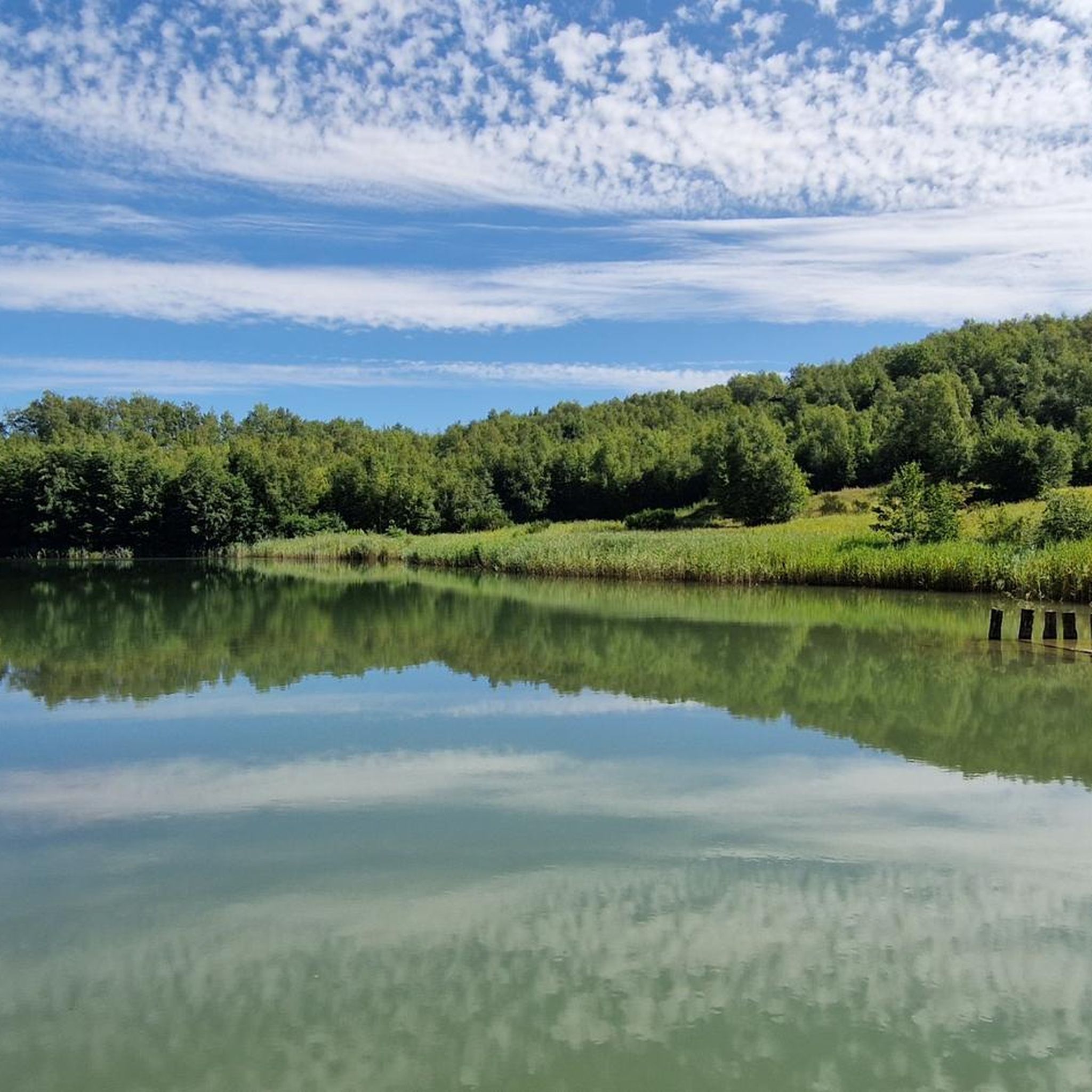
Romelaëre Ponds Nature Reserve
Highlight • Other
Translated by Google •
Tip by

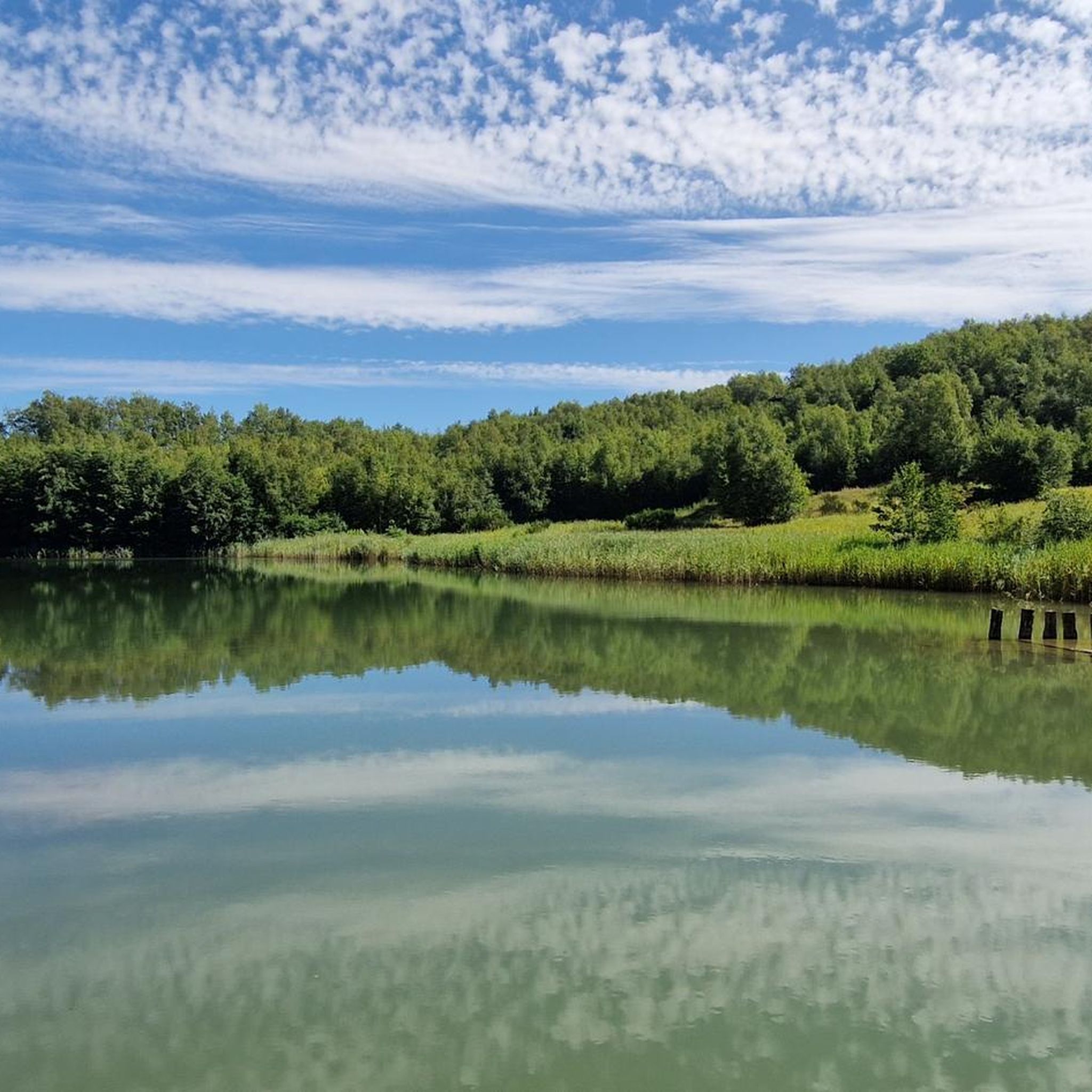
Watten Hill
Highlight • Summit
Translated by Google •
Tip by
Sign up now to discover places like this
Get recommendations on the best single tracks, peaks, & plenty of other exciting outdoor places.
Sign up for free
Saint-Omer station
Highlight • Monument
Translated by Google •
Tip by
Saint-Omer Cathedral
Highlight • Other
Translated by Google •
Tip by
Boat Lift of Fontinettes
Highlight • Monument
Translated by Google •
Tip by
Sign up for free to discover even more attractions around Saint-Momelin.
Sign up for free
Already have an account?
Start today with a free account
Your next adventure awaits.
Login or Signup


Tips from the Community

After being closed for several years, the Saint-Omer train station has been given a facelift. The new, completely renovated building is dedicated to travelers, of course, but also to artists, craftspeople, entrepreneurs… La Station isn't just a station; it's "a space for innovation with a station inside." (c) https://nl.tourisme-saintomer.com/verwonderend/erfgoed-wonderen/meesterwerken-bewonderen/het-station-een-station-en-een-plaats-voor-innovatie/
0
0

nature reserve where you can take a short circular walk (1 hour) and go to the observatory
0
0

Worth seeing small boat lift.
0
0

ship lift from 1888 can be visited as a museum, see www.ascenseurabataux.com with interesting audio tour
0
0

A midweek walk in March, outside of school holidays. Few people. A joy.
0
0

Located in Saint-Omer, France, the Gare de Saint-Omer has a rich history dating back to the 19th century. The first version of the station opened on September 1, 1848, as part of the railway line from Lille to Calais. The original building was modest and located outside the city walls, between the Porte de Lyzel and the Porte du Haut-Pont. In 1904, a new, monumental station building was inaugurated, designed by the architect Clément Ligny. This building, with its neoclassical architecture, was built with high-quality materials such as blue stone from Soignies and white stone from Creil. The design reflects the grandeur of a 17th-century castle, complete with symmetrical pavilions and decorative elements such as triglyphs and pediments.
9
0
This cathedral, the former "Cloître Notre-Dame" of the canons, is the most beautiful religious building in the region. The shape and dimensions are impressive. The choir dates from 1200, the transept from the 13th century, the nave from the 14th-15th century. The 50 m high facade tower is decorated with vertical blind arches and crowned with watchtowers (15th century). On the middle buttress of the southern portal there is a statue of the Virgin Mary (14th century), and on the tympanum a Last Judgement with very few chosen ones. In the corner next to the choir there is an octagonal Romanesque tower.
9
0
You will see the tomb of St. Audomarus and the mausoleum of Eustache de Croy, chapter provost in Saint-Omer and bishop of Arras, a moving work by Jacques Dubroeucq (16th century). He shows the deceased kneeling, in bishop's robes, but also lying down and naked, as in classical antiquity. Note the 15th-century tombstones with inscriptions and the Descent from the Cross by Rubens (first bay of the right aisle). The tombs are 15th century, the alabaster statues 16th and 17th centuries. Other eye-catchers are the Madonna with cat (right aisle), the statue (13th century) of Notre-Dame des Miracles that attracts pilgrims every September, a Nativity of Christ from the 13th century and the tomb (8th century) of St. Erkembode, abbot of Saint-Bertin - here they leave shoes of children who have difficulty learning to walk. Above the astronomical clock (1558) a jaquemart tolls the hours (transept left). Above it is a rose window in flamboyant style. The statue group Grand Dieu de Thérouanne (13th century) stood 20 m above the portal of the cathedral of Thérouanne, which was destroyed by Charles V. The figures seem distorted, but the artist foreshortened them so that they had the correct perspective from below (transept left).
10
0
Frequently Asked Questions
What natural attractions can I explore near Saint-Momelin?
The primary natural attraction is the Audomarois Marsh itself, a tranquil wetland environment with wet meadows and waterways. You can also visit the Romelaëre Ponds Nature Reserve, a 108-hectare area featuring ponds, canals, and diverse flora and fauna, a remnant of 19th-century peat cutting. The former clay quarry, Argilière de l'Aa, has also been redeveloped into a natural space.
Are there historical sites to visit in Saint-Momelin?
Yes, Saint-Momelin is rich in history. The most prominent historical site is the Saint-Omer Cathedral, a beautiful religious building with parts dating back to the 13th century, featuring a 50m high facade tower and significant artworks. Within Saint-Momelin, the Église Saint-Momelin, a 15th-century Gothic church, is a historical monument housing a 16th-century reliquary and a painting of the Adoration of the Magi. You can also observe the 19th-century Château de Saint-Momelin from the exterior, and traces of 17th-century forts, old Flemish farms, small chapels, and roadside crosses throughout the area.
What kind of outdoor activities are available around Saint-Momelin?
The region is ideal for outdoor activities, particularly hiking and cycling. You can explore the 'boucle de randonnée autour de Saint-Momelin,' an easy 8 km loop through the village, fields, marsh, and woods. The 'chemin de halage du marais' (towpath of the marsh) is excellent for walking or cycling alongside the watergangs. For more options, you can find various hiking trails, cycling routes, and MTB trails in the Audomarois Marsh, connecting to neighboring communes.
Where can I find panoramic views near Saint-Momelin?
For panoramic views, head to Watten Hill. This 72-meter summit offers expansive views of the city and its surroundings. It also features a restored 18th-century mill and the ruins of an abbey, adding to its scenic appeal.
Are there any unique engineering marvels to see?
Yes, you can visit the Boat Lift of Fontinettes. This historic hydraulic engineering marvel, built between 1881 and 1887, connected the Lys River with the Aa, facilitating inland navigation. It's a unique example of its kind in France and offers a fascinating glimpse into industrial history.
What is the Romelaëre Ponds Nature Reserve like?
The Romelaëre Ponds Nature Reserve is a beautiful 108-hectare natural space, a remnant of 19th-century peat cutting. It features a network of ponds, canals, and bridges, supporting a rich diversity of plant and animal life. Visitors can enjoy a peaceful walk, cross a stream via a chain ferry, and utilize an observatory for birdwatching. Please note that dogs are not allowed in the reserve.
Can I experience the Audomarois Marsh by boat?
While direct boat embarkation points might not be available in Saint-Momelin itself, nearby options like "Les Faiseurs de Bateaux" in Saint-Omer or Isnor in Clairmarais offer guided and self-guided boat tours. These provide an excellent way to experience the marsh from the water, navigating its numerous small waterways.
What kind of local culture can I experience in Saint-Momelin?
Saint-Momelin offers an authentic atmosphere with its traditional Flemish estaminets, where you can enjoy regional dishes and local beers. The village's connection to Saint Momelin, an Irish monk from the 7th century, is evident in the Église Saint-Momelin, which remains a place of pilgrimage, particularly for children with speech difficulties.
Are there easy walking trails suitable for everyone?
Yes, the 'boucle de randonnée autour de Saint-Momelin' is an easy 8 km loop that passes through the village, fields, marsh, and woods. Additionally, the 'chemin de halage du marais' (towpath) offers a calm and flat environment perfect for easy walking or cycling, with the sounds of birds and lapping water.
What is the significance of the Église Saint-Momelin?
The Église Saint-Momelin is a 15th-century Gothic church, classified as a historical monument. It features colorful stained glass, a vaulted ceiling, and houses a 16th-century silver reliquary containing the skull of Saint Momelin. The church site also holds historical significance as the location of an original monastery founded around 640 AD and remains a place of pilgrimage, especially for children with speech difficulties.
What is there to see at Saint-Omer station?
The Saint-Omer station is a historical site with a rich 19th-century history. Its current monumental building, inaugurated in 1904, showcases neoclassical architecture with high-quality materials. Recently renovated, it serves not only as a transport hub but also as a space for innovation, artists, and entrepreneurs, making it an interesting blend of history and modernity.
Most popular routes around Saint-Momelin
Most popular attractions around Saint-Momelin

Get inspired with the komoot mobile app


Explore more
Still not found the Highlight you’re looking for? See guides of the top attractions in other regions:
