Attractions and Places To See around Vignols - Top 17
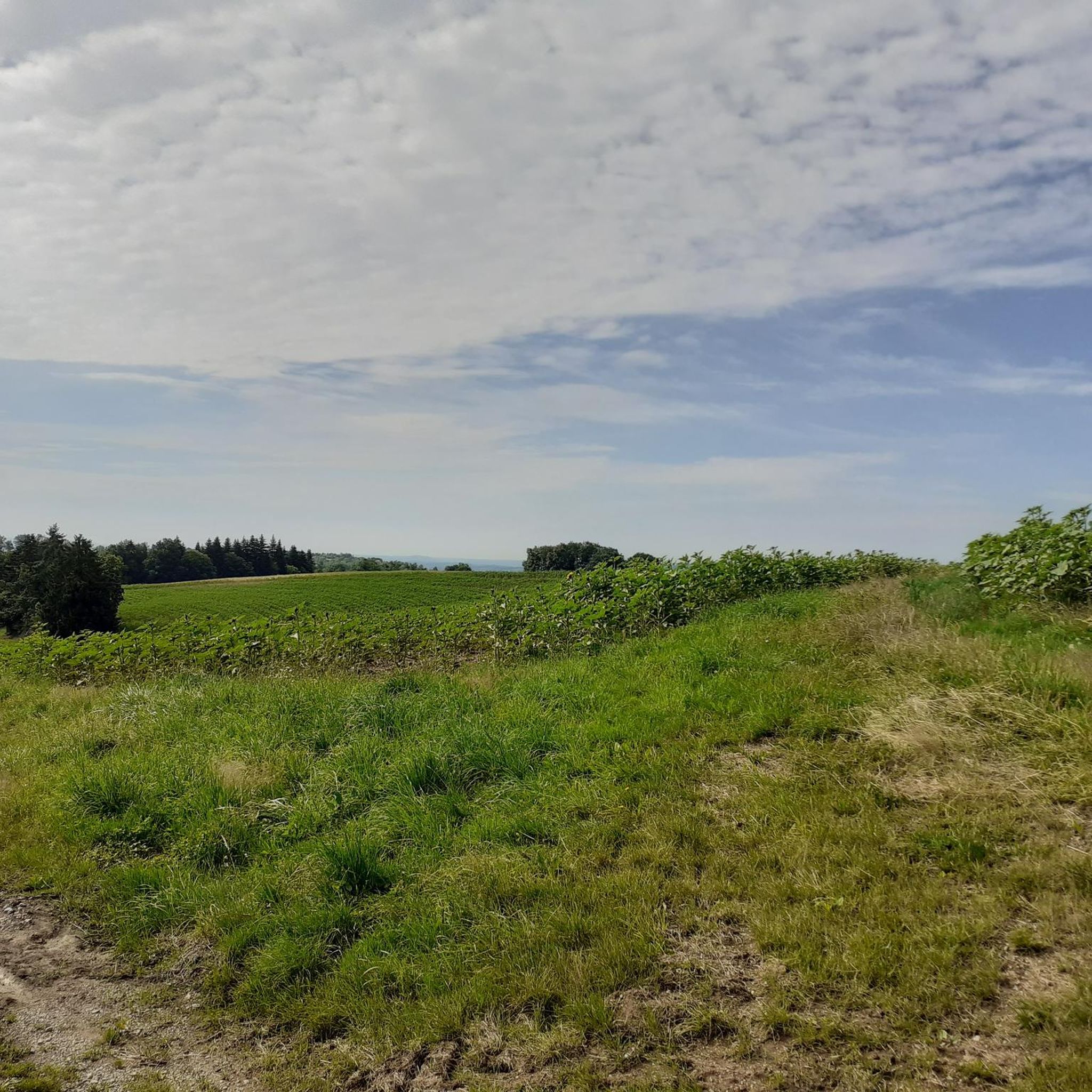
Best attractions and places to see around Vignols include a blend of historical landmarks, cultural sites, and natural beauty in the Corrèze department of France. The region features rolling hills, prairies, dense woodlands, and apple orchards, with valleys and streams. Vignols also serves as a gateway to numerous attractions in the surrounding Nouvelle-Aquitaine region.
Best attractions and places to see around Vignols
- The most popular attractions is Saillant Chapel and Marc Chagall Stained Glass Windows, a religious building built…
Last updated: May 21, 2026
Church of the Transfiguration of Our Lord
Highlight • Other
Translated by Google •
Tip by

Château de Saillant
Highlight • Castle
Translated by Google •
Tip by

Sign up now to discover places like this
Get recommendations on the best single tracks, peaks, & plenty of other exciting outdoor places.
Sign up for free
Saillant Chapel and Marc Chagall Stained Glass Windows
Highlight • Religious Site
Translated by Google •
Tip by

Old mine
Highlight • Other
Translated by Google •
Tip by

Stone Cross Memorial
Highlight • Monument
Translated by Google •
Tip by
Sign up for free to discover even more attractions around Vignols.
Sign up for free
Already have an account?
Start today with a free account
Your next adventure awaits.
Login or Signup



Tips from the Community


beautiful bridge
0
1

This stone cross rising from the brick base may appear intact at a first glance, but it's worth a second closer look: the cross apparently once had a body, which has since been removed. Where the longitudinal and transverse beams meet, the outlines of the corpus that was formerly attached can still be seen in the stone. Also clearly visible are the holes that marked the nails on the outstretched arms and feet, with which the figure of Christ crucified had been fixed to the stone.
3
0
This church is not - as is usually the case - dedicated to one of the many people we venerate as saints, or to Mary the Mother of God or her son. Instead, it bears a biblical event as its patronage title, namely the "TRANSFIGURATION de NOTRE SEIGNEUR" (called "Transfiguration of the Lord" in German-speaking countries). => "In the middle of everyday life, three disciples have an Easter experience with Jesus: They see Jesus in a mysterious light, and Moses and Elijah talk to him. In this way, the deepest identity of Jesus as the "beloved son" of God is revealed to the disciples." This is what is said in brief in a work aid from the Bible work for the Feast of Transfiguration, which is celebrated in all Christian denominations on August 6th. This event, which is attested to in the New Testament - see Mark (chapter 9) and Luke (chapter 9) as well as Matthew (chapter 17) - is located on Mount Tabor in Israel. A basilica was built there to commemorate (see https://www.komoot.de/highlight/266239), which can therefore be considered the original church for the patronage of this place of worship.
2
0

This former chapel has the last windows, designed by Chagall. These windows were commissioned by Mr. de Lasteyrie du Saillant, (owner of the 15th century castle, not visited). The stained glass windows (including so famously blue) represent the East: Creation and West: Two bouquets symbolize love. The windows of the nave are representative grisailles fieldwork in Salient sublimated by their symbolic symbol of the Eucharist through the harvest, wine through the harvest, the Shepherd and Servant through Christ's sheep through the fishery. Access to the chapel is open from 9am to 6pm.
1
0
A royal villa under the Merovingians, the land of the Saillant - Orbaciacus - was then a vassal of the Church, dependent in the 9th century on the abbey of Beaulieu and from the 11th century on the bishop of Limoges. The rectangular construction from the 15th century includes the remains of a primitive keep and was originally supposed to be enclosed by corner towers. The powerful stone corbels supporting the roof overhang come from the old machicolations whose upper part has been amputated and adapted to their new role. The cellars preserve remains of the primitive keep with openings in a slightly broken arch or semicircular. On the ground floor there is a monumental fireplace in the hall, the hood of which is decorated with murals. Staggered constructions from the 17th to the 20th century: openings, mansard roof, Periods of construction: 15th century, 17th century, 19th century
2
0

On a single, path between stones in an old mine. Sheltered by the trees it is pleasant to be in the shade in summer.
1
0

formerly attached to the castle of the salient it was built in 1620
1
0
Frequently Asked Questions
What historical and cultural sites can I visit in Vignols?
Vignols is rich in history. You can explore the Church of the Transfiguration of Our Lord, whose oldest sections date back to the 12th century and whose apse is a designated Historical Monument. Also, don't miss the Saillant Chapel and Marc Chagall Stained Glass Windows, featuring the artist's final stained glass designs. The impressive 19th-century Viaducts of Vignols are also a significant historical engineering feat.
Are there any castles or châteaux to visit near Vignols?
Yes, the area around Vignols offers several notable châteaux. Within Vignols itself, you can see Château de Saillant, a 15th-century castle with remains of a primitive keep and a monumental fireplace. Further afield, consider visiting Château de Hautefort with its extensive gardens (20 km away) or Château de Pompadour and its national stud farm (9 km away).
What natural features and landscapes can I explore in the Vignols region?
The Vignols region is known for its diverse and peaceful natural environment. You'll find rolling hills, expansive prairies, dense woodlands, and traditional apple orchards. Mysterious valleys with small streams crisscross the terrain, offering picturesque scenery. The Vignols stream valley is a protected Natura 2000 site, important for species like bats, yellow-bellied toads, and stag beetles.
Are there opportunities for hiking or walking around Vignols?
Absolutely. The local hiking association has established numerous marked walking circuits suitable for various skill levels, ranging from hedged farmlands (bocage) to deep forests. For specific routes, you can explore options like the 'Around the Couade Trail' or the 'Hike of Estivaux' found in the Hiking around Vignols guide.
What cycling routes are available near Vignols?
Vignols offers excellent opportunities for both road cycling and gravel biking. You can find various routes, including challenging gravel loops like 'Gateway – Saint-Viance 50-Minute Loop' or moderate road cycling routes such as 'Saillant Bridge – Saillant Bridge loop from Vignols'. Discover more options in the Gravel biking around Vignols and Road Cycling Routes around Vignols guides.
Are there any 'Most Beautiful Villages of France' accessible from Vignols?
Yes, Vignols serves as a great base to visit several villages listed among 'Les Plus Beaux Villages de France'. These include Ségur-le-Château (14 km), Saint-Amand-de-Coly (30 km), Turenne (33 km), and Collonges-la-Rouge (35 km), all offering unique charm and heritage.
What are some unique or hidden attractions near Vignols?
Beyond the main landmarks, you might enjoy discovering the Old mine, which offers a shaded path between stones, providing a pleasant retreat in summer. Another point of interest is the Stone Cross Memorial, a historical religious monument with an intriguing past.
What kind of wildlife can I expect to see in the Vignols area?
The protected Vignols stream valley, part of the Natura 2000 network, is a significant habitat for various species. You might encounter a large colony of bats roosting in the pillars of the SNCF viaducts, as well as species like the yellow-bellied toad and stag beetle. The diverse natural environment also supports a rich variety of flora and fauna along its walking trails.
Are there any impressive natural wonders or caves to visit nearby?
Yes, the wider region offers several impressive natural sites. Consider visiting the Gouffre de la Fage (a chasm, 26 km away), the Cascades de Gimel (waterfalls, 36 km away), or the Grotte du Grand Roc (caves, 52 km away) for stunning natural formations.
What do visitors particularly enjoy about the attractions around Vignols?
Visitors appreciate the blend of historical depth and natural beauty. Highlights like the Saillant Chapel and Marc Chagall Stained Glass Windows are noted for their artistic and spiritual significance, while the Church of the Transfiguration of Our Lord offers a glimpse into centuries of history. The overall peaceful and varied landscape, with its marked walking trails, is also a major draw for those seeking outdoor exploration.
Where can I find more information about Vignols and its attractions?
For additional local information and visitor services, you can consult the Brive Tourist Office website: brive-tourisme.com.

Get inspired with the komoot mobile app


Explore more
Still not found the Highlight you’re looking for? See guides of the top attractions in other regions:
