The best walks and hikes around Médis
4.6
(620)
6,677
hikers
238
hikes
Hiking around Médis, located in Charente-Maritime, offers diverse landscapes for outdoor activities. The region features peaceful rural landscapes with extensive fields and vineyards, alongside wooded areas and the expansive Pousseau marsh. Its proximity to the Atlantic Ocean and the Gironde Estuary provides varied terrain for exploration. Trails often traverse agricultural settings, forests, and wetlands, with gentle elevation changes.
Best hiking trails around Médis
- The most popular hiking route is Gironde Estuary Bike Trail, a 5.0 miles (8.1 km) trail…
Last updated: November 1, 2026
5.0
(2)
62
hikers
8.05km
02:05
40m
40m
Hike the 5.0 miles (8.1 km) La Grande Conche and the pointe des Vallières loop from Royan, featuring beaches and coastal views.
77
hikers
Easy hike. Easily walkable paths.

15
hikers
6.46km
01:39
30m
30m
Easy hike. Easily walkable paths.
5.0
(4)
105
hikers
Moderate hike. Good fitness required. Easily walkable paths.
4.7
(7)
119
hikers
12.3km
03:10
60m
60m
Moderate hike. Good fitness required. Easily walkable paths.
Get access to more routes and recommendations from other explorers.
Already have an account?
Our route recommendations are based on thousands of hikes, rides, and runs completed by other people on komoot.
Start today with a free account
Your next adventure awaits.
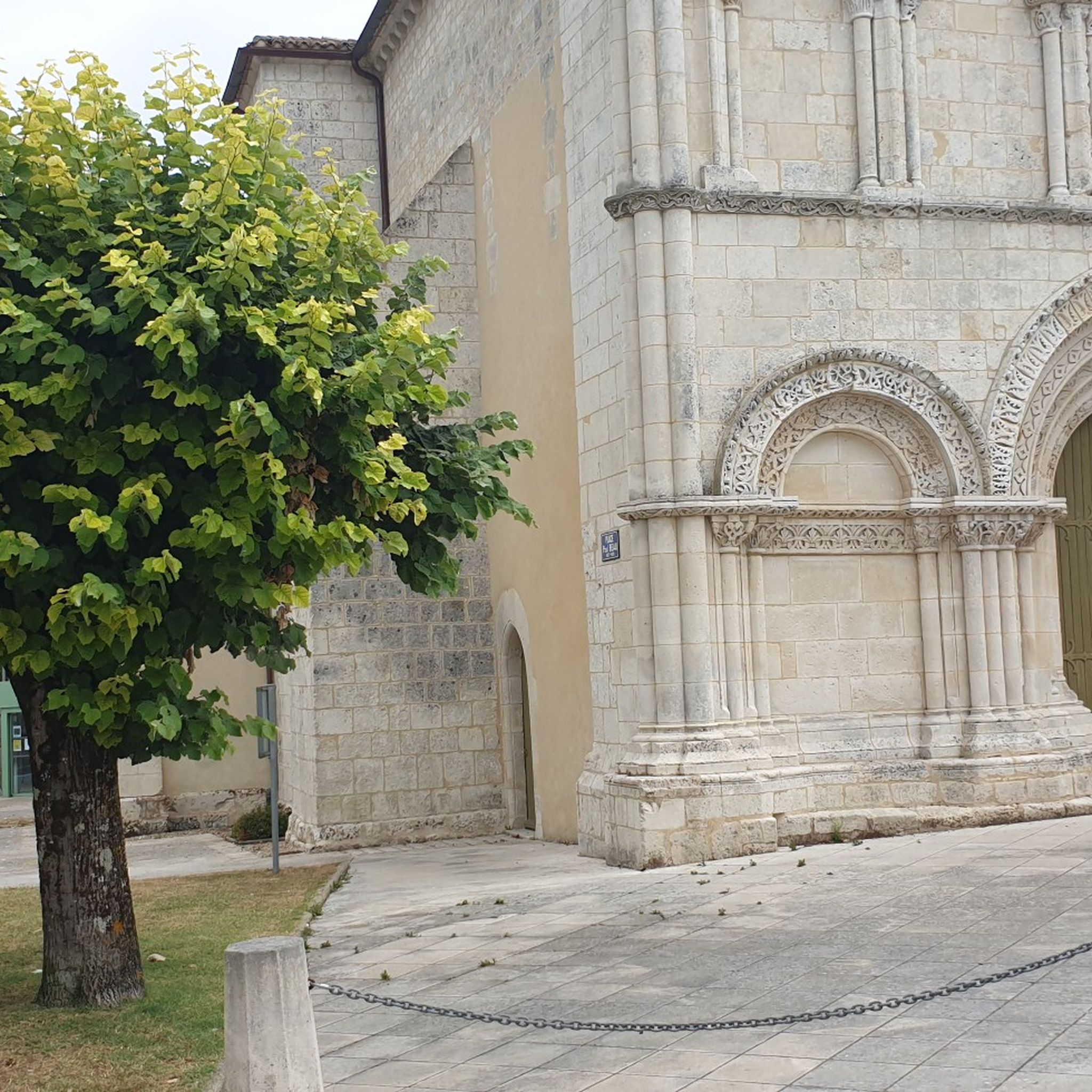
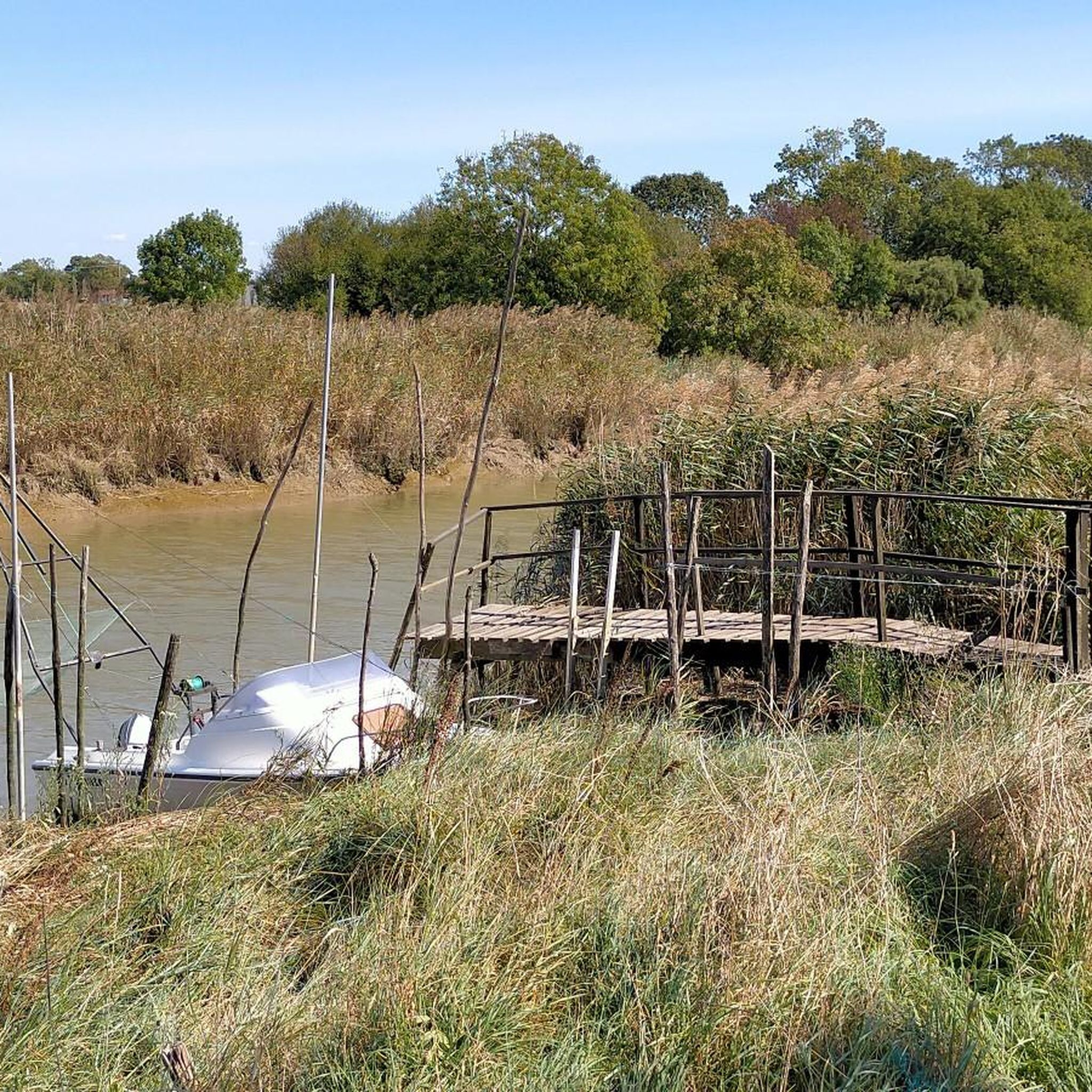
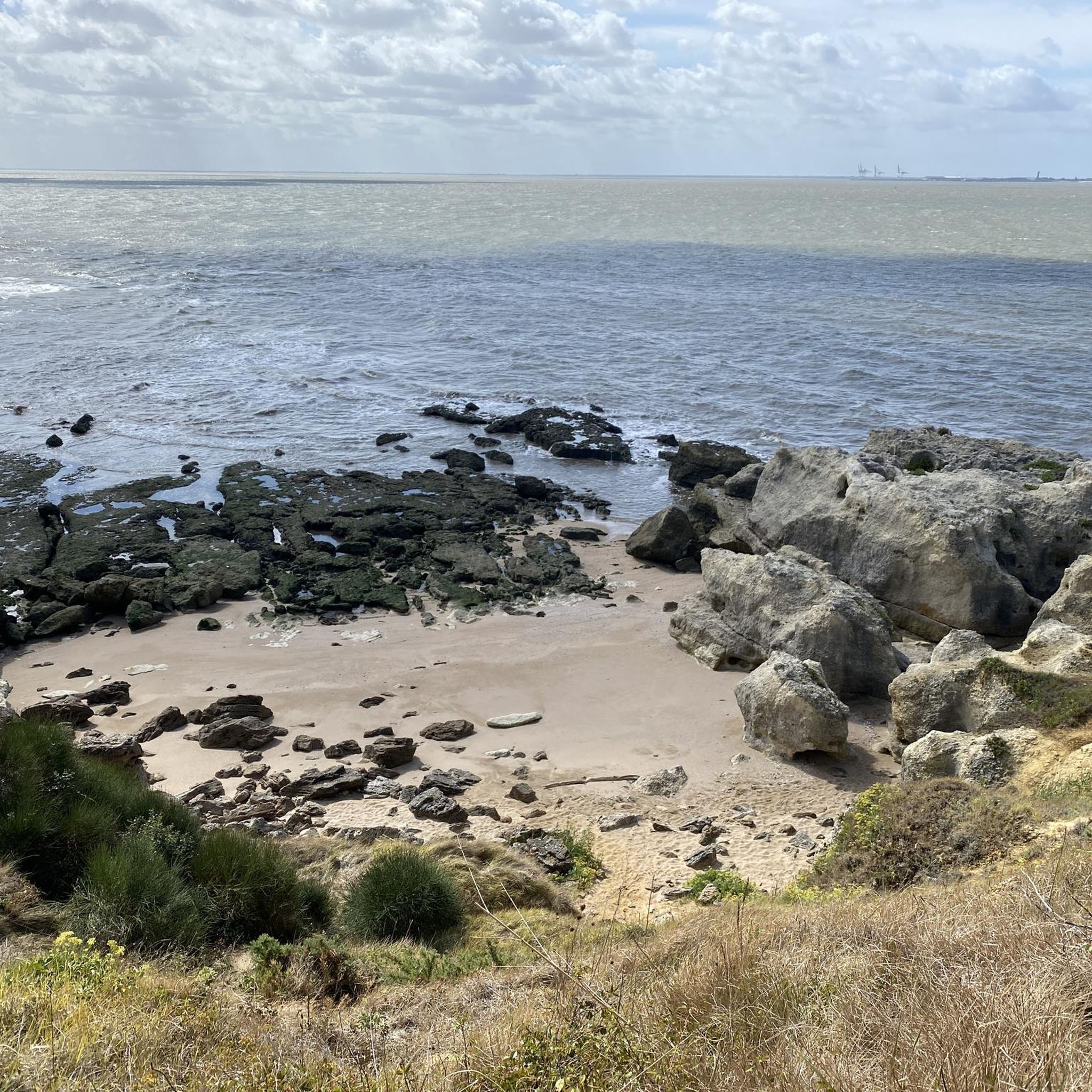

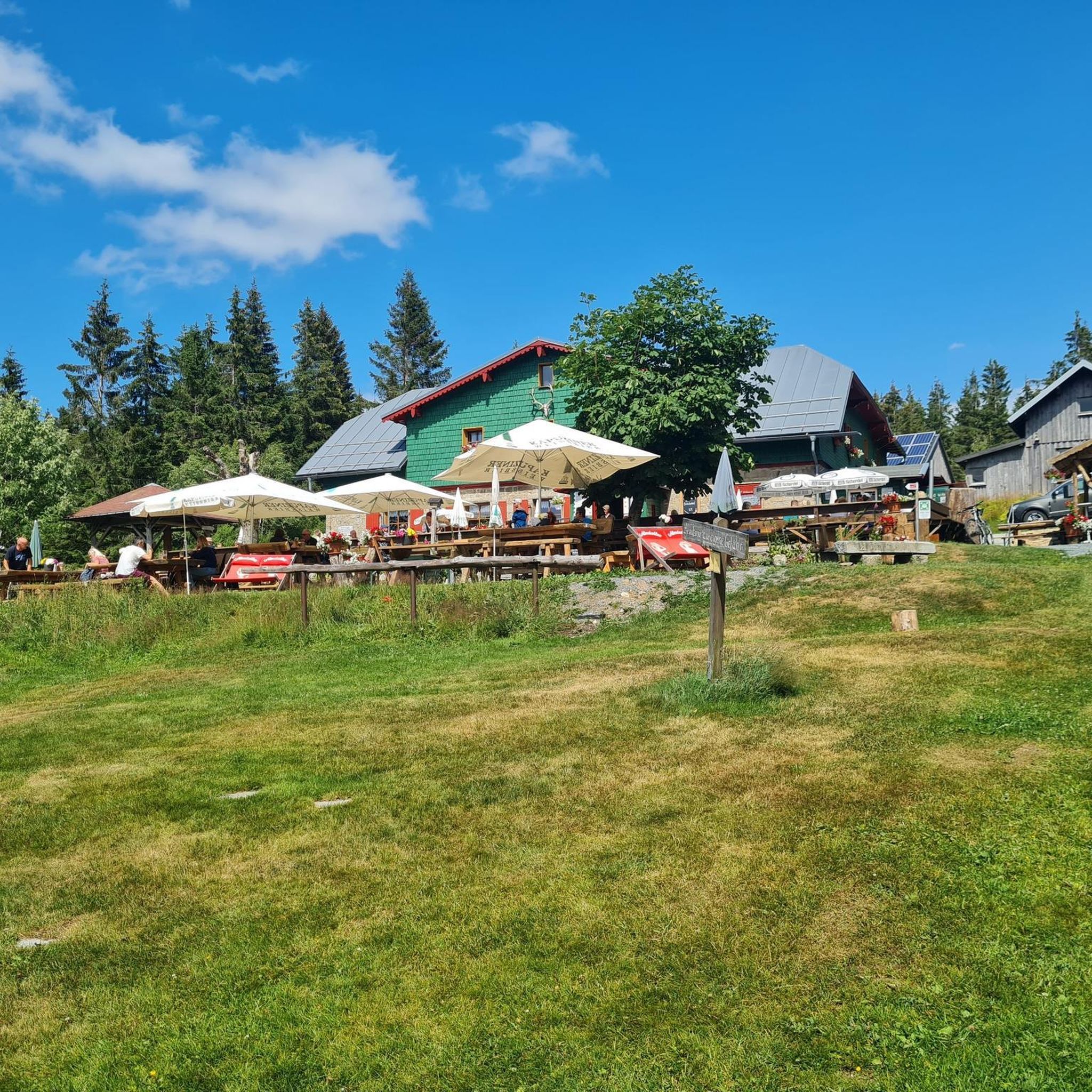
Tips from the Community

Built from 1955 and consecrated in 1958, the Notre-Dame de Royan church symbolizes the city standing tall and proud again. The reinforced concrete monument thus fits into the general trend of renewal in sacred art after the sad events the world experienced in the 1940s. It is considered today as a feat and a masterpiece of modern architecture. "Upon entering this concrete cathedral, be silent. Here, everything is momentum, rigor, roughness, austere beauty. The twilight sings the elusive, the divine, variable and constant like the sea." ANDRÉ MALRAUX Minister of Cultural Affairs (1958-1969)
1
0

Beautiful market hall with a great selection of regional products. Closes around noon.
0
0

The Riveau de Vallières (or Riveau de Boube) is a small stream that: • marks the border between Royan and Saint-Georges-de-Didonne, • serves as a natural outlet for the waters of the Boube and Belmont marshes, • flows into the Grande Conche beach after a section has been channeled. Today, some sections of the stream are buried or channeled due to urbanization.
0
0
The Jardin du Parc and Riveau de Vallières is located in the Parc district of Royan (Charente-Maritime), bordering Saint-Georges-de-Didonne. It is both a small urban park and a natural area crossed by a stream called the Rive au. Origin and History Originally, this area was occupied by a large dune system behind the Grande Conche beach. From the 18th century onwards, these dunes were planted with vegetation and landscaped to stabilize the coastline and create a promenade. In 1886, a true leisure park was inaugurated: it included a restaurant, a pastry shop, a bandstand, games, and an open-air theater. At that time, a tramway connected the center of Royan to the park for visitors and vacationers. The Park Today The public garden includes: - a children's playground, a mini-golf course, - a Basque pelota court, - walking paths in a wooded area. The site is also designated a biodiversity refuge by the League for the Protection of Birds (nesting boxes, ecological management of the areas). Originally, this area was occupied by a large dune system behind the Grande Conche beach. From the 18th century onwards, these dunes were planted with vegetation and landscaped to stabilize the coastline and create a walking area. In 1886, a true leisure park was inaugurated: it included a restaurant, a pastry shop, a bandstand, games, and an open-air theater. At that time, a tramway connected the center of Royan to the park for visitors and vacationers.
0
0
The Church of Our Lady of the Assumption is located in the Parc district, a neighborhood that had been developing well before the war. In response to the wishes of the residents of the Parc residential neighborhood, which had been developing along the Grande Conche River, the Church of Our Lady of the Park was built in the 1950s by architects Jean Bauhain, René Baraton, and Marc Hébrard. Largely inspired by the principles of modern architecture, particularly the buildings of Brazilian architect Oscar Niemeyer (Saint Francis of Assisi in Belo Horizonte), the building nevertheless remains traditional in its exterior appearance (harmonic façade), its interior space (a single nave punctuated by six parabolic arches without supporting posts, side chapels), and its decoration (use of stained glass and earthenware tiles). The materials used reflect this blend of tradition and modernity, combining concrete, which was used to create the parabolic arches, and cut stone, which was used for the building's base and the construction of the bell tower. The building's simple plan corresponds to the original program, and the opening created in the choir to increase summer capacity is an ingenious solution to meet the needs of this type of building located in a seaside town. The decoration is elaborate and utilizes various materials, such as stained glass and Gien earthenware in the exterior tympanum. The exterior wall cladding itself features an interesting texture, adorned with sinuous, wave-like lines that create subtle lighting effects. To realize the decorative program, the architects enlisted the help of numerous artists close to Maurice Denis's school of sacred art: the painters Maurice Rocher and André Trébuchet, as well as the master glassmaker Jean Barillet. Of particular note: the remarkable façade, which features an imposing ceramic decoration depicting the Virgin in Majesty, and the modern stained-glass windows designed by the expressionist painter Maurice Rocher. This building is all the more interesting because it is a concrete embodiment of the project the architects had envisioned for the Notre-Dame de Royan church and thus echoes this flagship monument of Royan's construction, making its protection and conservation judicious. It is the second church of the Reconstruction of Royan. The Eglise du Parc is certainly less impressive than the Notre-Dame Church in the center of Royan, a true symbol of the city's modernist reconstruction, but it does not leave one indifferent.
0
0
Located in the town center and close to the port, La Grande Conche stretches over 2,600 meters of fine sand. The supervised area, marked by colored flags, and totems to facilitate navigation, its amenities, and its calm waters make it an ideal beach for families. Nearby, the always lively seafront with its restaurants, ice cream parlors, cafes, and shops. Municipal decree 22-1388, prohibiting access to the town's beaches to animals, even on leashes, applies from April 1st to September 30th. Special signage is posted at each site indicating the mandatory health measures. Nudist activities are prohibited. From the structures in place to cleanliness (daily cleaning) and the quality of bathing water (regular sampling), Royan beaches receive great attention from municipal technical services and the Urban Community. Due to its urban setting and reasonable size, it's relatively easy to find your way around using the lifeguard station or a building as a landmark. Similarly, during the season, they set up information huts on both sides of the beach, tents (canvas beach huts) to provide tourists with some shade, totems to make it easier to find their way around, deckchairs/sun loungers, and a specially designed path (rigid plastic slabs that clip together). Rankings & Labels: Blue Flag Location Details: Footpath nearby. - Sandy beach - Cycle path/route within 500 m - Coastline - Public transport stop within 500 m On-site activities: Water sports - Beach / Swimming area -
0
0
Newspaper vendors, carriages traversing the rocky paths, the ringing of the bell as the tram passes, absinthe drinkers on terraces... These photographs reflect the spirit and breath of a peaceful and carefree era before the First World War. Royan experienced the fruits of this "Belle Époque" when the seaside resort trend, which had come from across the Channel, gradually elevated this small fishing and farming village to the status of a seaside resort. The Bordeaux elite, and later the whole of Paris, took to the train to travel to the seaside resort. The town was connected to the national railway network in 1875. It has been served locally by a tramway since 1890. Royan then developed an infrastructure and leisure offering in line with this new tourist economy. The town was covered in casinos. Of the five establishments that were established there between 1843 and 1960, only one remains today. The former Sporting, on Pontaillac beach, was built at the dawn of the 1930s, with its back to the sea. The new location was built in a concrete setting in the Art Deco style. After the war, it saw the cream of French showbiz (Bécaud, Montand, Aznavour, Brel, Ferré, and Brassens, among others). The final bombings of 1945 reduced the architecture of the Belle Époque and the Roaring Twenties to dust. Only the former Jules Ferry school (1907), the Émile Zola college (1904), and the former Hôtel du Golf in Pontaillac remain. Approximately 250 of the 4,000 seaside villas recorded before the war also escaped destruction. These villas, characteristic of a triple stylistic influence (chalet, mansion, or cottage), line Boulevard Frédéric-Garnier, along the banks of the Grande Conche. Today, more than 200 residences are survivors of a bygone era. Some of them are associated with great names in culture who came here to seek inspiration. Émile Zola was invited by his publisher, who was having a large house built in the Parc (the future "Paradou," demolished in 1978). Forty years later, the playwright Sacha Guitry fell in love with the Charente resort, where he spent several summers. He regularly met up with his neighbor at number 100, the photographer Jacques-Henri Lartigue, who was staying for two seasons at the famous Villa Aigue-Marine. From 1926, he settled in the Villa Rose Rouge, built six years earlier (at number 38). The Spanish painter Pablo Picasso found refuge in the seaside resort on the eve of the declaration of war on September 2, 1939. He moved into the Hôtel du Tigre, then to the Villa Gerbier de Jonc, and ended up renting a studio on the third floor of the Villa Les Voiliers from 1940. The latter is located a stone's throw from the Café des Bains, which he immortalized in a famous painting five years before its destruction. Also worth seeing in the same area is the astonishing Villa Kosiki (1885). The storefront, adorned with an oriental-style terrace depicting a Japanese pagoda, is one of Royan's great heritage attractions. Guided tours of Royan allow visitors to learn more about this prosperous period for the town and discover its remarkable villas.
0
0
The Botton Gallery appears to us at the Rond-Point de la Poste, on the left facing the Post Office. It is a shopping mall with sinuous lines. It was delivered in 1956. It took over the function of the pre-war Botton Gallery, named after the engineer Botton who in 1847 had worked on the development of the seaside resort of the time.
0
0
Frequently Asked Questions
What kind of terrain can I expect on hiking trails around Médis?
Hiking around Médis offers a diverse landscape. You'll find peaceful rural paths through extensive fields and vineyards, as well as trails winding through forests and undergrowth. A significant feature is the Pousseau marsh, providing a unique wetland ecosystem. While Médis is inland, its proximity to the Atlantic Ocean and Gironde Estuary means coastal scenery is easily accessible for varied experiences.
Are there many easy hiking trails in Médis?
Yes, Médis offers a good selection of easy trails. Out of over 200 routes, 138 are classified as easy. An example is the Hiking loop from La Triloterie, an easy 3.0-mile path through rural landscapes and fields, typically completed in about 1 hour 13 minutes.
What are some natural features or landmarks I can see while hiking in Médis?
Médis trails often combine natural beauty with historical insights. You can explore wooded areas like Leuse wood and Cormiers woods, or the expansive Pousseau marsh. Historically, you might encounter architectural heritage such as the 'old cross' dating back to 1573, traditional Charente residences, and the 18th-century Moulin de la Giraudière. Nearby natural attractions include Saint-Georges-de-Didonne Beach and Suzac Forest.
Are there any circular hiking routes available in Médis?
Yes, Médis features several circular routes. For instance, the Vallières Point – The Grande Conche loop from Royan is a 7.4-mile trail that takes you through coastal scenery. Another option is the Vallières lighthouse – Vallières Point loop from Saint-Georges-de-Didonne, a moderate 7.5-mile hike.
What is the best time of year to go hiking in Médis?
The diverse landscapes of Médis, including fields, forests, and marshes, can be enjoyed throughout much of the year. The region's proximity to the Atlantic coast suggests milder winters and pleasant springs and autumns, ideal for exploring the rich wild plant flora in the woods or enjoying the rural paths. Summer offers warmth, but coastal breezes can make it comfortable.
Are the hiking trails in Médis suitable for families with children?
Many trails in Médis are suitable for families, especially the numerous easy routes. The gentle paths through agricultural settings and forests provide a pleasant environment for children. Consider shorter, easy loops like the Hiking loop from La Triloterie for a family-friendly outing.
Can I bring my dog on the hiking trails around Médis?
While specific regulations for each trail may vary, generally, the rural landscapes, forests, and marshlands around Médis are welcoming for dogs. It's always advisable to keep your dog on a leash, especially near agricultural areas or wildlife, and to check for any local signage regarding pet access on specific routes or protected areas.
What do other hikers enjoy most about hiking in Médis?
The area is highly rated by the komoot community, with an average score of 4.6 stars from over 500 reviews. Hikers often praise the varied terrain, from peaceful rural landscapes to wooded areas and marshlands, and the accessibility of trails. The blend of natural beauty with glimpses of local heritage is also a highlight for many.
Are there any trails that offer views of the Gironde Estuary?
Yes, some trails provide views of the Gironde Estuary. The Gironde Estuary Bike Trail, though primarily for bikes, is also suitable for hikers and offers scenic views of the estuary along its 5.0-mile moderate route.
Are there any places to explore near the trails, like beaches or other attractions?
Absolutely. Médis's proximity to the coast means you can easily combine hiking with visits to nearby beaches. For example, Saint-Georges-de-Didonne Beach and Chay Beach are accessible. You can also explore natural monuments like the Caillaud cliff at Talmont sur Gironde or the Grottes de Matata.
How long do hikes around Médis typically take?
Hikes around Médis vary in length and duration. Easy paths like the Hunting lock – Saujon Water Park loop from Saujon can be completed in about 1 hour 25 minutes for its 3.5 miles. Longer, moderate routes, such as the Vallières Point – The Grande Conche loop from Royan, might take around 3 hours 3 minutes for 7.4 miles.
Most popular attractions around Médis

Get inspired with the komoot mobile app


Explore more
Browse the best Hikes in other regions.
