The best walks and hikes around Marsal
4.5
(37)
268
hikers
45
hikes
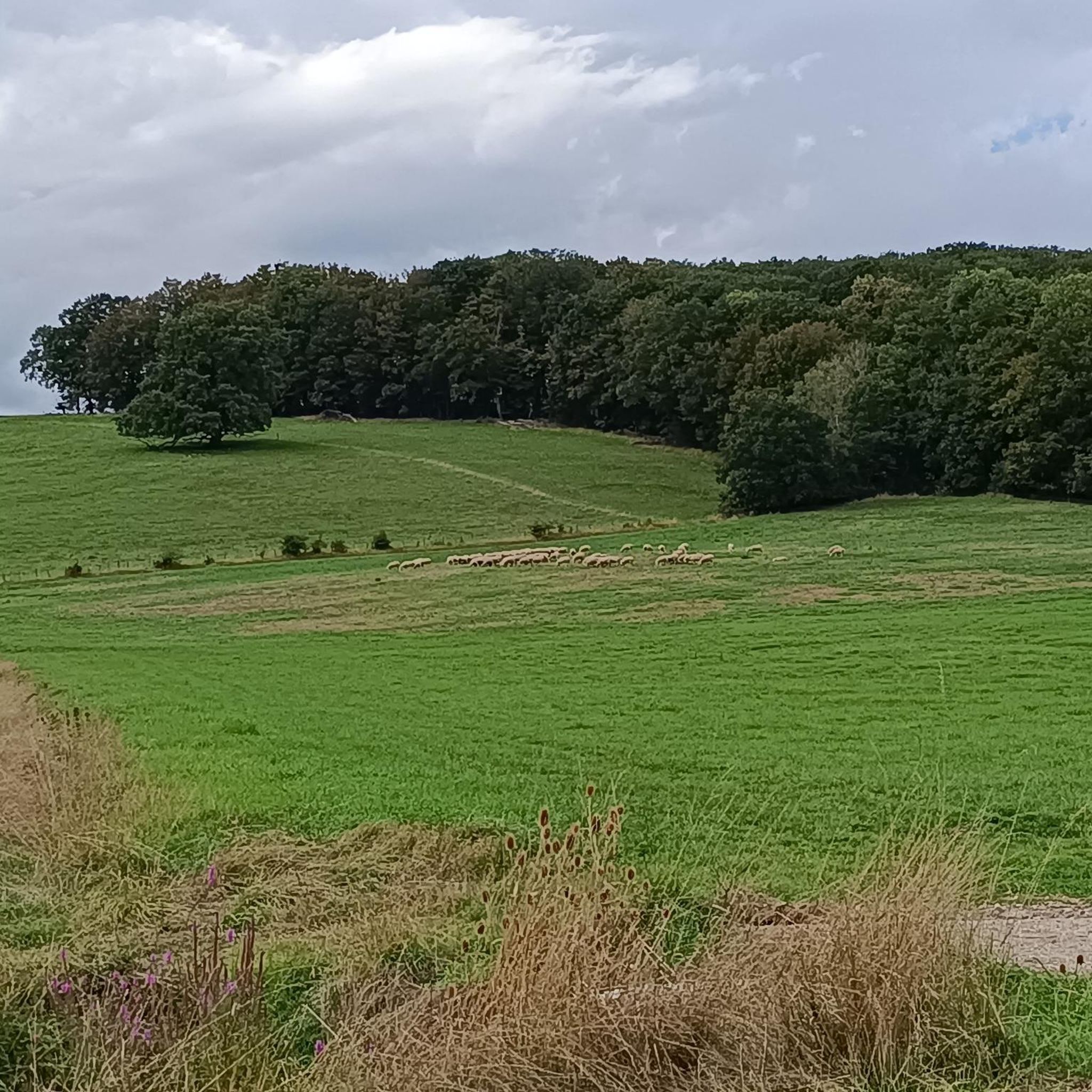
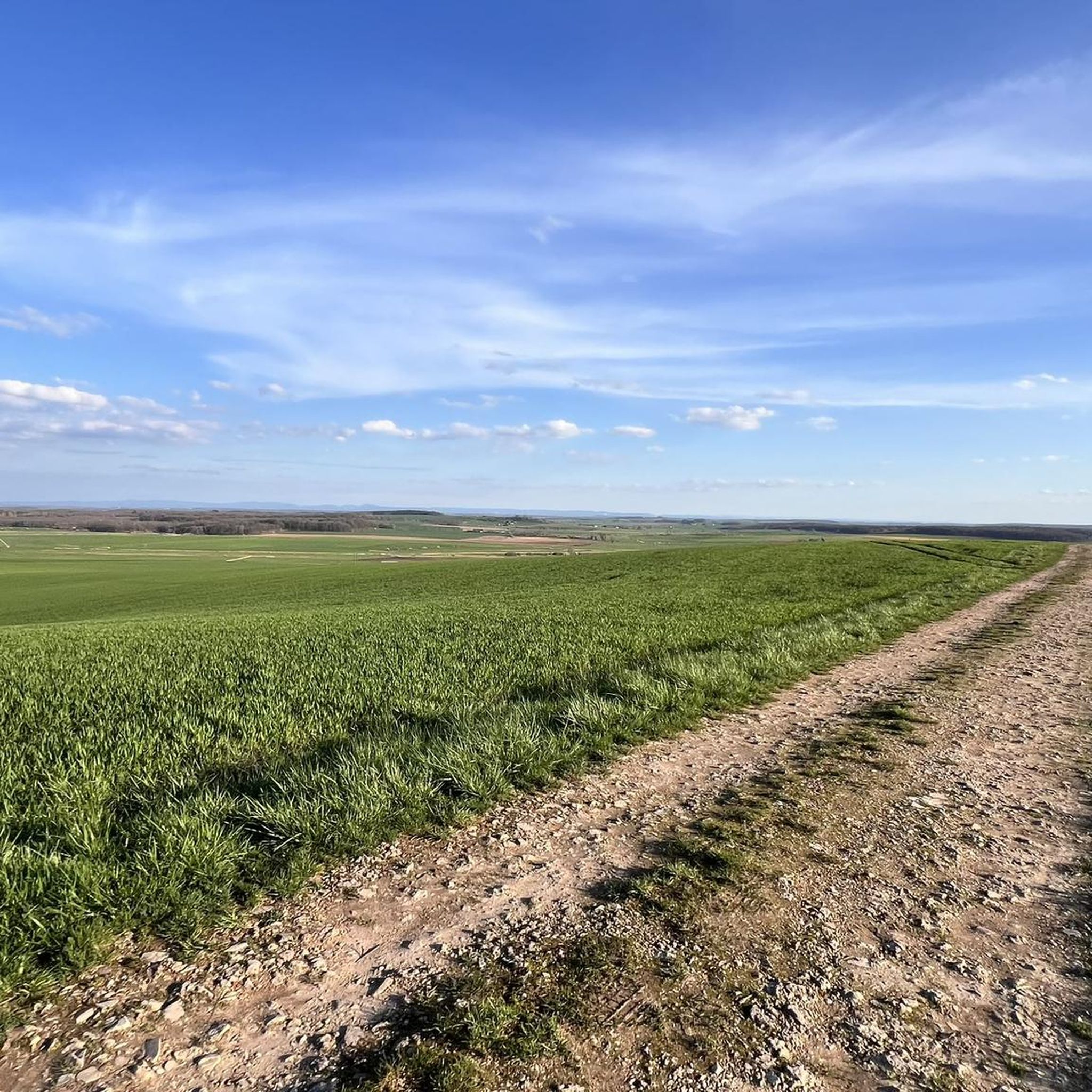
Hiking around Marsal offers routes through a landscape characterized by rural paths, open fields, and areas around local water bodies. The terrain features gentle elevation changes, making it suitable for various hiking experiences. The region provides a network of trails connecting natural features with historical points of interest, including a notable collegiate church.
Best hiking trails around Marsal
- The most popular hiking route is Marsal – Saint-Léger Collegiate Church loop from Marsal, a 9.8 miles (15.7 km) trail that…
Last updated: July 2, 2026
5.0
(2)
14
hikers
16.6km
04:18
100m
100m
Moderate hike. Good fitness required. Easily-accessible paths. Suitable for all skill levels.
4.7
(3)
10
hikers
16.0km
04:21
230m
230m
Moderate hike. Good fitness required. Easily-accessible paths. Suitable for all skill levels.

Sign up for free
4.7
(3)
9
hikers
19.6km
05:24
320m
320m
Hard hike. Very good fitness required. Easily-accessible paths. Suitable for all skill levels.
11
hikers
9.94km
02:42
140m
140m
Moderate hike. Good fitness required. Easily-accessible paths. Suitable for all skill levels.
11
hikers
2.65km
00:41
10m
10m
Easy hike. Great for any fitness level. Easily-accessible paths. Suitable for all skill levels.
Get access to more routes and recommendations from other explorers.
Sign up for free
Already have an account?
Our route recommendations are based on thousands of hikes, rides, and runs completed by other people on komoot.
Start today with a free account
Your next adventure awaits.
Login or Signup
Tips from the Community

The Collegiate Church of Saint-Léger de Marsal is a former collegiate church located in the French commune of Marsal, in the Moselle department. Originally built in the Romanesque style, it has undergone several significant modifications up to the present day. Dedicated to Saint Léger, the foundation stones of the current church were laid in the 12th century. The building was then in the Germanic tradition with a deep chevet and two oriented chapels, as well as an impressive Westwork, a western massif. The parish church was elevated to the title of collegiate church in 1222 by Abbess Clémence de Neumunster. She then installed a chapter of seven canons there. The collegiate church of Marsal has been united with that of Vic-sur-Seille since the 18th century.
0
0

Museum for the city's great son from the 17th century
0
0

Hôtel de la Monnaie (Vic-sur-Seille) This remarkable civil building, dating from 1456–1484, is often mistaken for a mint. In reality, it was probably the home of a wealthy money-changer, possibly the d’Hoffelize family. The building is a magnificent example of flamboyant Gothic architecture, with early Renaissance influences. The richly decorated facades and roofs have been protected as historical monuments since 1930.
8
0
Hôtel de la Monnaie (Vic-sur-Seille) This remarkable civil building, dating from 1456–1484, is often mistaken for a mint. In reality, it was probably the home of a wealthy money-changer, possibly the d’Hoffelize family. The building is a magnificent example of flamboyant Gothic architecture, with early Renaissance influences. Its richly decorated facades and roofs have been protected as historical monuments since 1930. It now houses the information office.
1
0

Very well preserved medieval house. It now houses the tourist information office.
1
0

Vic-sur-Seille, which benefits from the label "Small cities of character", is an essential place of passage for itinerants who cross the region. If its old stones undeniably recall the history of the village, its leisure center invites you to rest and relax. The village has all the amenities, from accommodation to restaurants. Take the time to visit the museum which takes its name from Georges de La Tour, born in 1593 in Vic-sur-Seille. The exhibitions offer many indications on the region and its evolution.
3
0
Marsal is a small hamlet with a very salty history: from the Bronze Age until the middle of the 17th century, the village knew how to use its salt water sources to prosper in the salt trade. Today, nothing remains of the saltworks and Marsal today looks like a peaceful village. If you wish, you can organize a guided tour with the Pays du Saulnois Tourist Office on 03 87 01 16 26.
1
0
South of Dieuze, the Etang de Lindre belongs to the 134 ponds that make up what is called the country of ponds. Large over six square kilometres, the body of water becomes an Eden for walkers and fishermen during the summer.
1
0
Frequently Asked Questions
What kind of hiking terrain can I expect around Marsal?
Hiking around Marsal features rural paths, open fields, and routes that often follow local water bodies like Lindre Pond and the Marne–Rhine Canal. The terrain generally has gentle elevation changes, making it accessible for various hiking experiences.
How many hiking trails are available in Marsal, and what are their difficulty levels?
Marsal offers a diverse network of over 40 hiking routes. You'll find options for all abilities, including 10 easy trails, 24 moderate routes, and 6 more challenging hikes for experienced adventurers.
Are there any circular hiking routes around Marsal?
Yes, many of the trails around Marsal are designed as loops. For example, the popular Lindre Pond loop from Quartier Maréchal Lyautey is a moderate 9.6-mile (15.5 km) route, and the Marsal – Saint-Léger Collegiate Church loop from Marsal offers a 9.8-mile (15.7 km) exploration of the local area.
What are the typical lengths and durations of hikes in Marsal?
Hikes in Marsal vary significantly in length and duration. You can find shorter, easy strolls like the Viewing Platform Over the Lake loop from Dieuze, which is about 1.6 miles (2.6 km) and takes around 40 minutes. Longer, more challenging routes, such as the Marsal – Saint-Léger Collegiate Church loop from Hampont, can extend to 12.2 miles (19.6 km) and take over 5 hours.
What natural features or landmarks can I see along the hiking trails in Marsal?
The trails often connect natural features with historical points of interest. You can explore areas around Lindre Pond, walk alongside the Marne–Rhine Canal, or discover historical sites like the Church of St Privat de Salonnes and Château d'Alteville.
Are there family-friendly hiking options in Marsal?
Yes, Marsal offers several easy trails suitable for families. These routes typically feature gentle terrain and shorter distances, perfect for a leisurely outing with children. Look for trails marked as 'easy' in the komoot guide for the best family-friendly options.
Can I bring my dog on the hiking trails around Marsal?
While specific regulations for dogs on every trail are not detailed, many rural paths and open landscapes in the Marsal area are generally dog-friendly. We recommend keeping your dog on a leash, especially near livestock or in populated areas, and always cleaning up after your pet.
What do other hikers enjoy most about hiking in Marsal?
The hiking routes in Marsal are highly rated by the komoot community, with an average score of 4.6 stars from over 39 reviews. Hikers often praise the peaceful rural paths, the open landscapes, and the connection to local landmarks and water bodies that define the region's charm.
Is there public transport available to reach the hiking trails in Marsal?
Information regarding specific public transport links directly to the trailheads in Marsal is not readily available. It is generally recommended to plan for personal transportation to access the starting points of the various hiking routes in the region.
Where can I find parking for the hiking trails in Marsal?
While specific parking locations for every trailhead are not listed, most hiking routes in rural areas like Marsal typically have designated parking areas near their starting points, or allow for roadside parking where safe and permitted. We advise checking local signage upon arrival.
What is the best time of year to go hiking in Marsal?
The Marsal region, with its rural paths and open fields, is generally pleasant for hiking during spring, summer, and autumn. Spring offers blooming landscapes, summer provides warm weather for longer days, and autumn brings beautiful foliage. Winter hiking is possible, but conditions may vary, and some paths could be muddy.
Most popular attractions around Marsal

Get inspired with the komoot mobile app


Explore more
Browse the best Hikes in other regions.
