Attractions and Places To See around Cambayrac - Top 20
Best attractions and places to see around Cambayrac, a commune in the Lot department of southwestern France, offers a blend of historical sites and natural beauty. This small Quercy village serves as a base for exploring its surroundings. The region features traditional architecture, historical estates, and natural streams. It provides opportunities to experience local culture and landscapes.
Best attractions and places to see around Cambayrac
- The most popular attractions is Valentré Bridge, a man-made monument that is one of…
Last updated: July 6, 2026
Valentré Bridge
Highlight • Monument
Showing Translation
Tip by

Albas
Highlight • Settlement
Translated by Google •
Tip by

Sign up now to discover places like this
Get recommendations on the best single tracks, peaks, & plenty of other exciting outdoor places.
Sign up for free
Cahors Railway Bridge
Highlight • Bridge
Translated by Google •
Tip by
Albas suspension bridge
Highlight • Other
Albas la Jolie, mostly built on a cliff above the Lot, one of the most beautiful “spots” in the Lot valley.
Albas was once a port from …
Translated by Google •
Tip by

The Chartreux Fountain
Highlight • Natural Monument
Translated by Google •
Tip by

Sign up for free to discover even more attractions around Cambayrac.
Sign up for free
Already have an account?
Start today with a free account
Your next adventure awaits.
Login or Signup
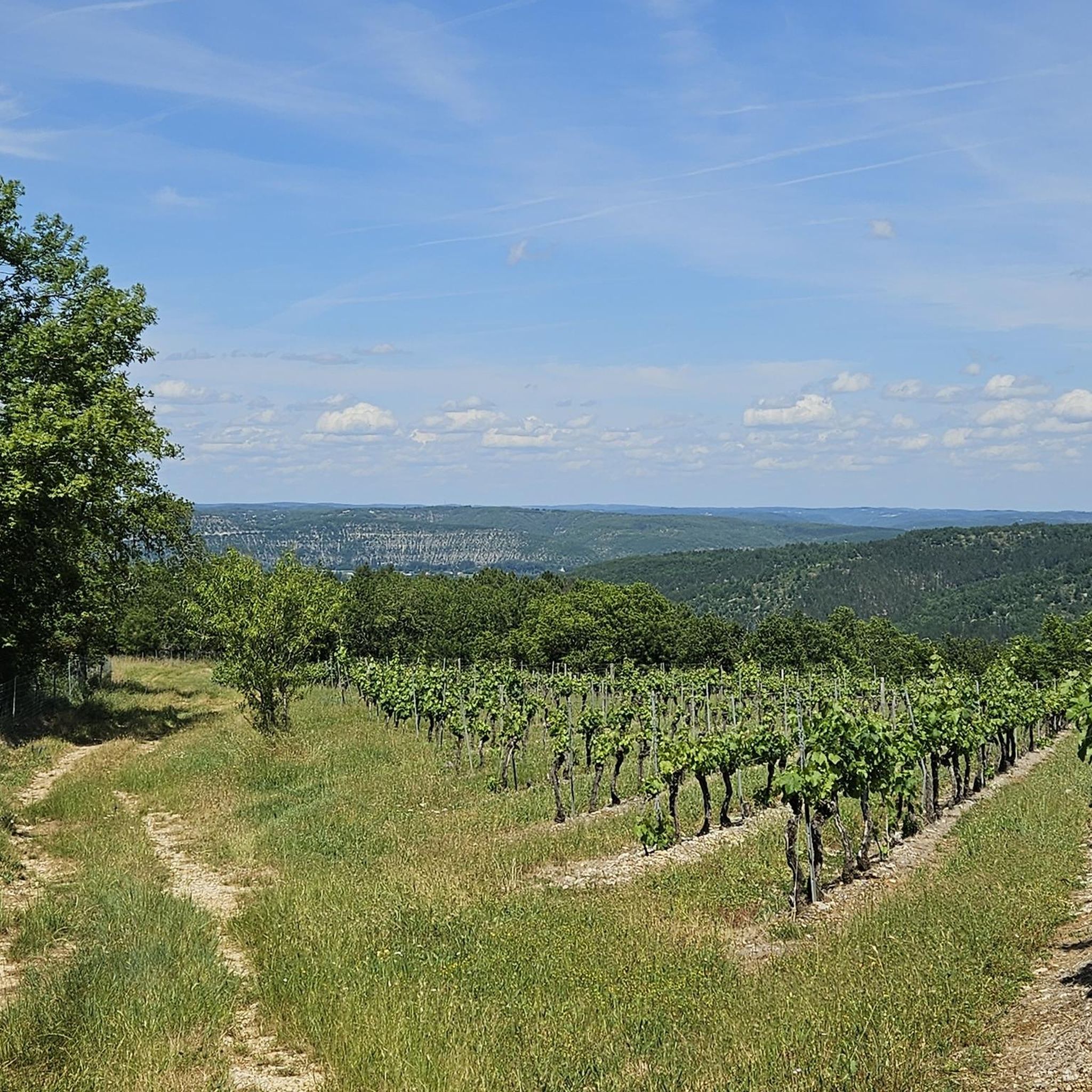
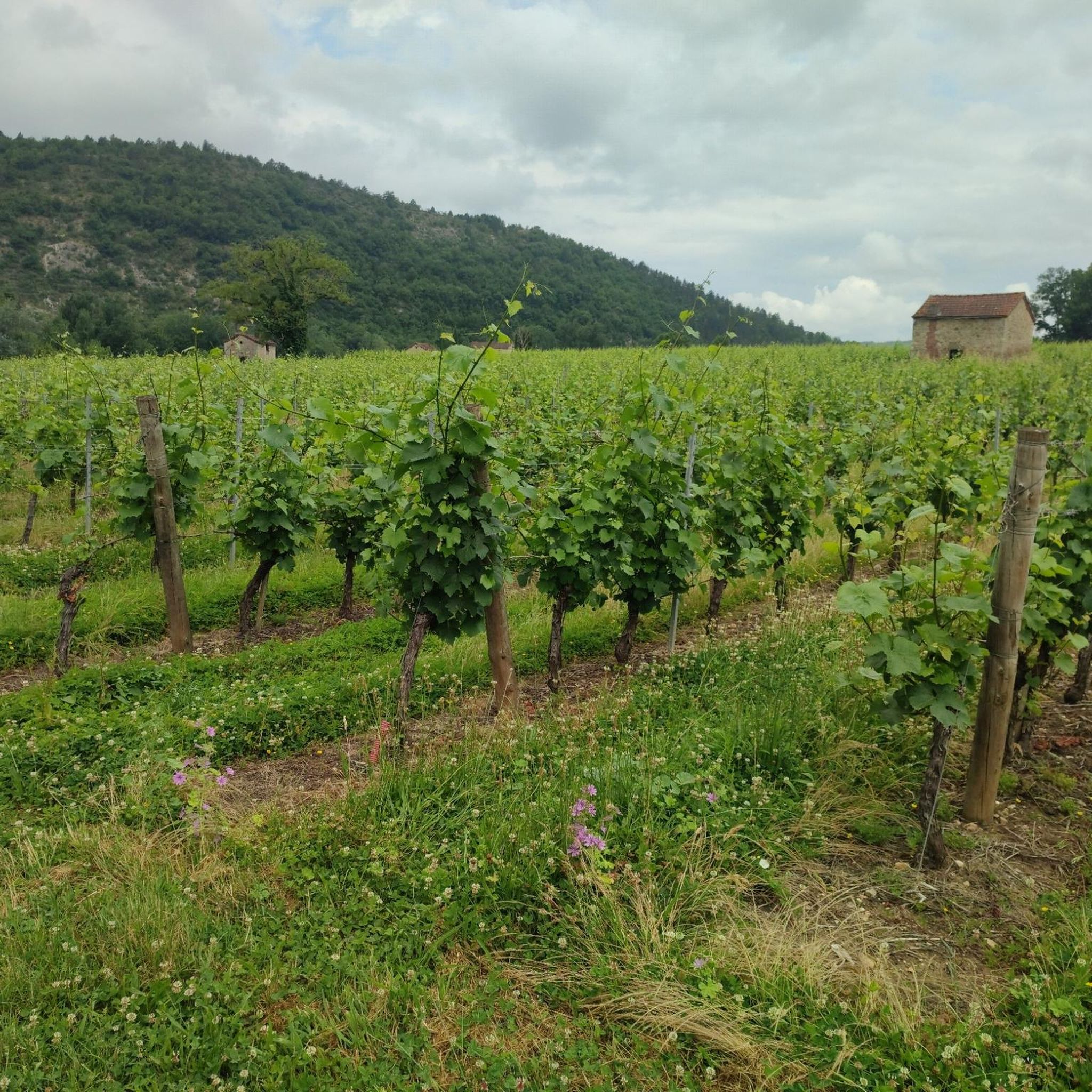

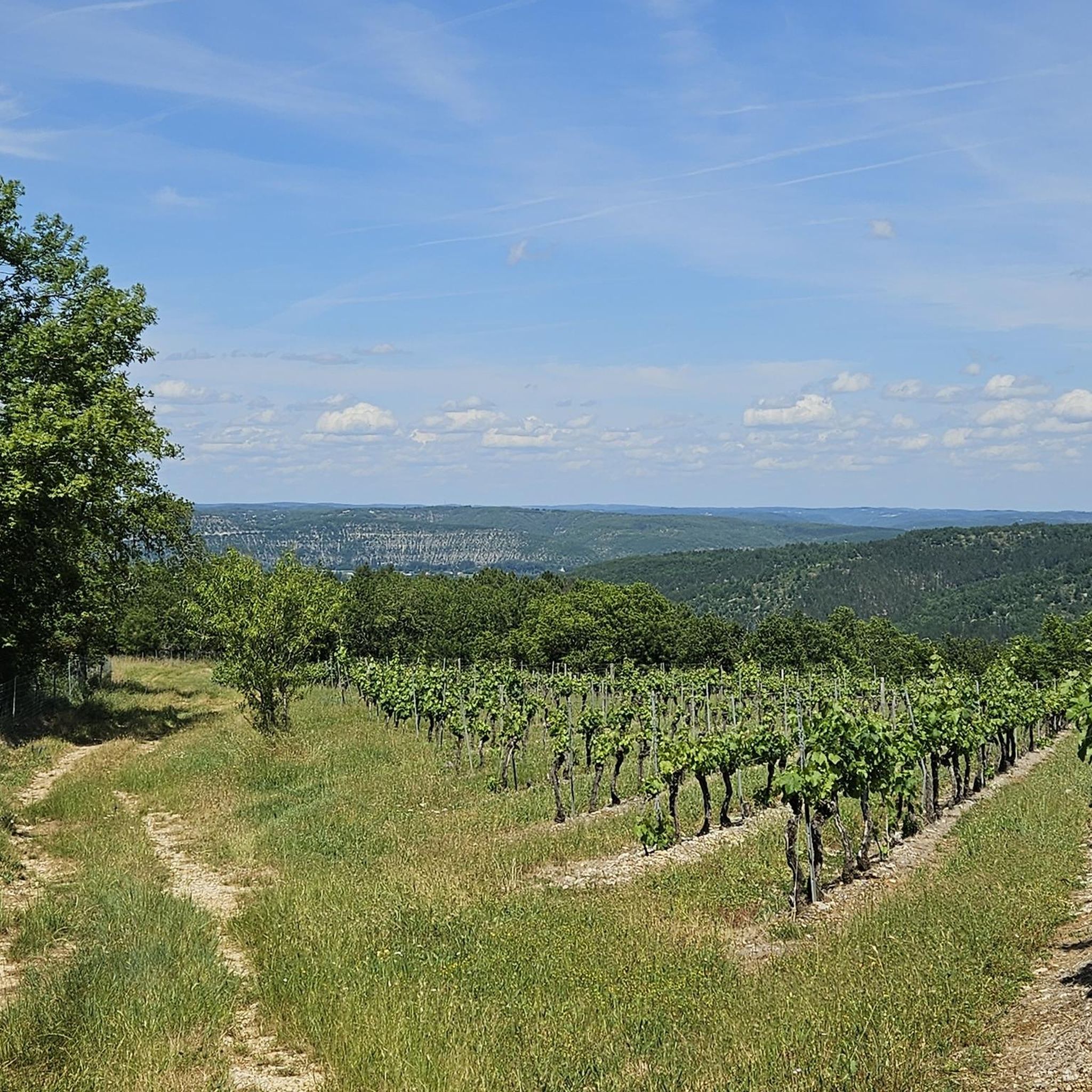
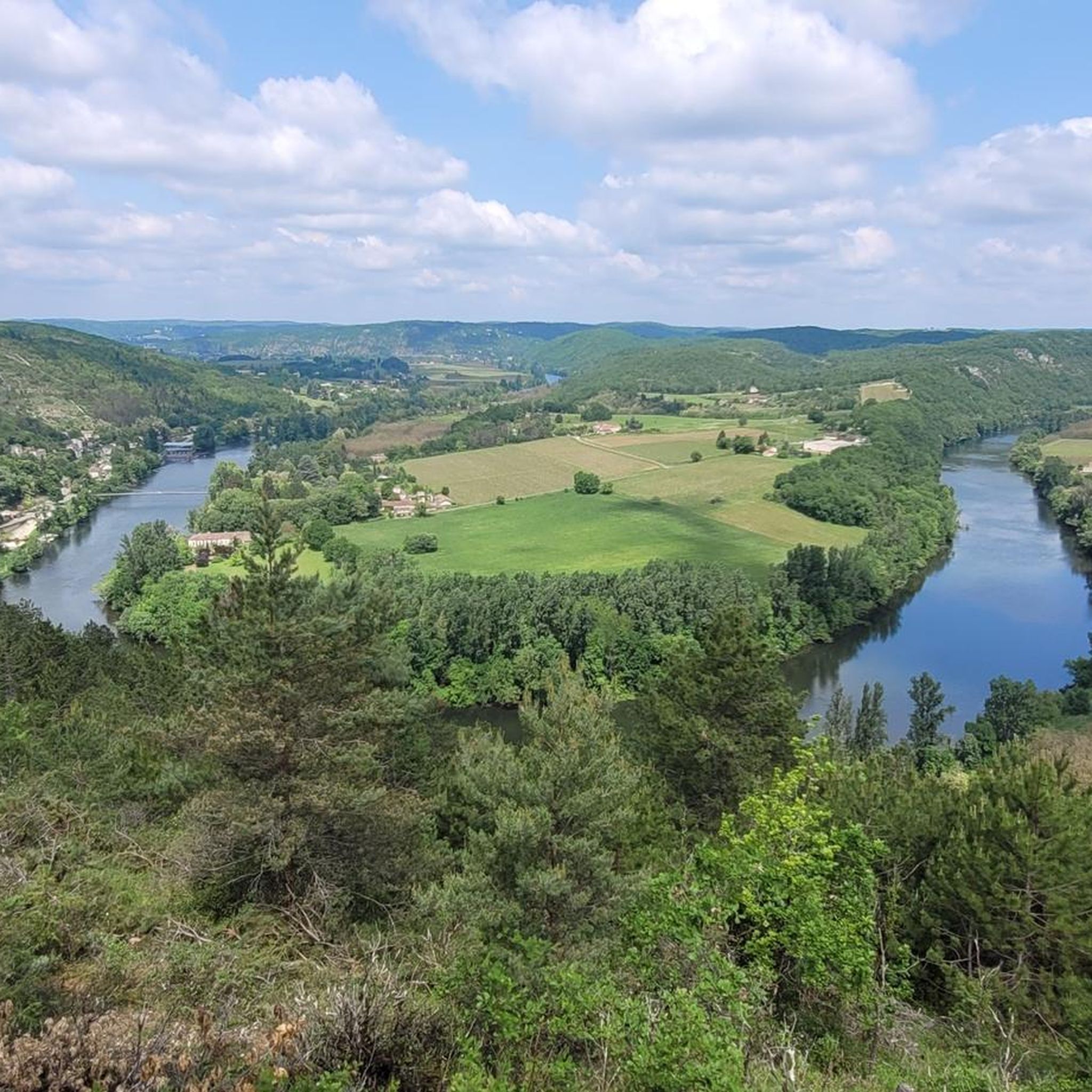
Tips from the Community

This railway bridge was built on the Montauban-Brive line, an axis declared of public interest because it corresponded to the shortest route between Toulouse and Paris. Built at an angle to the riverbed, it combines traditional techniques and implementations typical of industrial architecture. The structure was built between 1880 and 1883 by the engineers Jean LANTEREIS and Jean-Louis LACAZE, employed by the Fives-Lille company. It consists of 5 arches with an opening of 36 meters. The pillars decorated with pilasters are made of hewn Cantal granite. The industrially manufactured metal trusses were melted down in the Fourchambault workshops on behalf of the Orléans company and transported to the location by rail.
1
0

From the 1st century BC to the 1st century AD, the Fontaine des Chartreux was a center of worship of Divona, goddess of the waters in the Celtic tradition, as evidenced by the Roman coins found during archaeological explorations in 1989. In the Middle Ages, a mill used the waters of the spring: the spring was ceded to the Charterhouse of Cahors and was known thereafter by the name of this religious order. In the 19th century, some of the stones lining the pool were replaced by tombstones from the church of Notre Dame de la Daurade, destroyed in 1808. Since 1853, when the Cabazat pumping station (now Maison de l'Eau) was put into operation, this Vauclusian spring, whose depth of 137 meters acts as a real filtering system, supplies the town with drinking water. From 1926, electric pumps were installed in this building, right next to the Fontaine des Chartreux, and this is still the pumping station today. The water is pumped into reservoirs hollowed out of the cliffs and then through pipes laid under the
0
0

According to my research this bridge has nothing to do with Eiffel. The history of the Cahors railway bridge is intertwined with that of the Montauban-Brive line. Declared of public utility by the law of March 11, 1879, it was of capital importance because it was the shortest route between Toulouse and Paris. A first section between Montauban and Cahors led to the construction of several structures: bridges over the Tarn and Aveyron, viaducts and bridge over the Lot. The construction of the latter was entrusted to the Fives-Lille Company. The work, supervised by two civil engineers: Jean Lantereis and Jean-Pierre Lacaze, began in March 1880 and was completed in June 1883. Source: https://www.pop.culture.gouv.fr/notice/merimee/IA46000096
1
2

Nice view of the center from the narrow bridge
0
0

Komoot shows this section as Off Grid. However, the path is well marked and easy to walk on.
1
0

From the builder of the Eiffel Tower
0
1

very nice view Albas suspension bridge
0
0
Frequently Asked Questions
What historical sites can I explore near Cambayrac?
The region around Cambayrac is rich in history. You can visit the impressive Valentré Bridge in Cahors, a fortified medieval bridge known for its unique architecture and the legend of the 'Devil's Bridge'. Another significant historical site is Luzech, a small town clinging to a rocky isthmus with 2000-year-old ruins of the Impernal oppidum. Don't miss the 12th-century Cahors Cathedral of Saint-Etienne or the historic Château de Cambayrac, which dates back 800 years.
Are there any picturesque villages worth visiting close to Cambayrac?
Absolutely! Several charming villages are easily accessible. Albas, situated on the Lot river, is known for its medieval castle and wine festival. Puy-l'Eveque, about 15 km away, is considered one of the most picturesque villages along the Lot. Further afield, Lauzerte is designated as one of France's 'Most Beautiful Villages,' and Saint-Cirq-Lapopie is a stunning village roughly 40 minutes away.
What natural features and viewpoints can I discover in the Cambayrac area?
The landscape around Cambayrac offers beautiful natural sights. The Bouldoire (Bondoire) and Andorre Streams flow at the foot of Cambayrac village, filling the valleys. You can also enjoy views of the Lot River, particularly from villages like Albas and Luzech. The region is characterized by its rolling hills and river valleys, providing numerous scenic viewpoints.
What outdoor activities are available near Cambayrac, especially cycling?
The area is excellent for outdoor enthusiasts. For cycling, you can explore various routes, including road cycling and touring bicycle options. Some popular routes include the 'Pont Valentré – Luzech loop' for road cycling and the 'Oppidum de l'Impernal de Luzech – loop in the Lot valley' for touring. You can find more details on these and other cycling routes in the Road Cycling Routes around Cambayrac and Cycling around Cambayrac guides.
Are there opportunities for hiking or walking trails around Cambayrac?
Yes, the region around Cambayrac provides ample opportunities for hiking and walking. Many trails allow you to explore the beautiful landscapes, from easy walks along the Lot River to more challenging routes. While specific hiking trails are not detailed in the provided data, the general area is well-suited for exploring on foot.
What family-friendly attractions are there near Cambayrac?
Families can enjoy several attractions. The Valentré Bridge in Cahors is an impressive historical site that can capture children's imaginations with its 'Devil's Bridge' legend. The village of Luzech, with its ancient ruins and river setting, also offers an engaging visit. Additionally, the nearby Lot River provides opportunities for canoeing and paddleboarding, which can be fun family activities.
Can I find any unique or 'hidden gem' attractions in the Cambayrac area?
Beyond the well-known sites, you can discover local charm in places like the Église de la Chaire de Saint-Pierre de Cambayrac, with its impressive bell-gable and the old communal 'travail à ferrer' behind it, offering a glimpse into past rural life. The 'secret gardens' in Cahors also provide a delightful and less-traveled route for exploration.
What are the best options for mountain biking near Cambayrac?
For mountain biking enthusiasts, there are several routes available. Options range from moderate to difficult, such as the 'Luzech – Tour de Luzech loop' or the 'Maxi VTT J4 – Cazelle de Trespoux loop.' You can find more detailed information and routes in the MTB Trails around Cambayrac guide.
Are there any caves or prehistoric sites to visit?
Yes, about 40 minutes from Cambayrac, you can visit the Pech Merle caves in Cabrerets, which offer a fascinating glimpse into prehistory with their ancient cave art. Another impressive natural site, the Gouffre de Padirac, is about an hour away and is a must-see destination.
What is the best time of year to visit Cambayrac for outdoor activities?
The region is generally pleasant for outdoor activities for much of the year. Spring and autumn offer mild temperatures ideal for hiking and cycling. Summer is also popular, especially for water activities on the Lot River, though it can be warmer. Local markets and night markets are also popular during the warmer months.
What do visitors particularly enjoy about the attractions around Cambayrac?
Visitors frequently appreciate the blend of historical significance and natural beauty. The Valentré Bridge is often highlighted for its unique architecture and historical context. The charm of riverside villages like Albas and the historical depth of Luzech are also highly rated. The overall appeal lies in the opportunity to explore medieval sites, picturesque towns, and scenic river landscapes.
Are there any specific events or festivals in the area?
The village of Albas, located on the Lot river, is known for its renowned wine festival held each May. Throughout the region, various towns host daily markets offering local produce and specialties, and night markets are also popular for gourmets during the warmer seasons.
Most popular routes around Cambayrac

Get inspired with the komoot mobile app


Explore more
Still not found the Highlight you’re looking for? See guides of the top attractions in other regions:
