Attractions and Places To See around Caniac-Du-Causse - Top 20
Best attractions and places to see around Caniac-Du-Causse offers a blend of historical sites, natural beauty, and cultural experiences in the Lot department of south-western France. The area is characterized by its limestone forests, such as the Forest of Braunhie, and features unique geological formations like sinkholes and dolmens. Its central location within the Regional Natural Park of the Quercy provides access to diverse landscapes and ancient human presence, as evidenced by discoveries like the Pradayrol Cave.
Best attractions and places to see around Caniac-Du-Causse
- The most popular attractions is Marcilhac-sur-Célé, a village organized around its Romanesque church, situated at the foot of large limestone cliffs. It is located on the way to Santiago de Compostela and offers a tranquil setting by the Célé river.
- Another must-see spot is Saint-Sulpice, a balcony village clinging to cliffs. Visitors can expect to see medieval and semi-troglodyte dwellings, a beautiful Romanesque church, and striking views of the Célé valley.
- Visitors also love Church and Abbey of Marcilhac, a historical site and religious building. Though much of the Benedictine abbey is in ruins, its past grandeur is evident, and the adjoining church has been renovated.
- Caniac-Du-Causse is known for its historical sites, natural features, and charming villages. The area offers a variety of attractions to see and explore, from ancient churches and abbeys to picturesque riverside settlements.
- The attractions around Caniac-Du-Causse are appreciated by the komoot community, with 60 upvotes and 34 photos shared by visitors.
Last updated: June 24, 2026
Saint-Sulpice
Highlight • Other
On both sides, the cornice roads offer some of the most striking views of the Célé valley. Besides the ruins of its 12th century feudal castle, the village also has a very beautiful Romanesque church. But if you take a closer look, you will discover other more discreet treasures: pretty low walls, shepherds' shelters, wells, ponds, fountains, and remains of brickyards.
Translated by Google •
Tip by

Church and Abbey of Marcilhac
Highlight • Other
In the 12th century, it was very powerful and had more than a hundred priories, including the church of Rocamadour donated in 1030 by Déodat or Dieudonné, bishop of Cahors.
After many destructions, the abbey has lost its luster, to be today only the shadow of itself. Much of the building is no more than ruins, but by visiting it you will be able to realize its past grandeur. The church adjoining the abbey is on the other hand well renovated.
Translated by Google •
Tip by
Sign up now to discover places like this
Get recommendations on the best single tracks, peaks, & plenty of other exciting outdoor places.
Sign up for free
Marcilhac-sur-Célé
Highlight • Other
Organized around its abbey whose Romanesque church has preserved an austere beauty, this village exudes tranquility and bathes in the freshness of the banks of the Célé.
It seems very tiny next to these large limestone cliffs!
Translated by Google •
Tip by
Old Sauliac
Highlight • Settlement
Translated by Google •
Tip by

Labastide-Murat Town Centre
Highlight • Settlement
Translated by Google •
Tip by
Sign up for free to discover even more attractions around Caniac-Du-Causse.
Sign up for free
Already have an account?
Start today with a free account
Your next adventure awaits.
Login or Signup
Popular around Caniac-Du-Causse
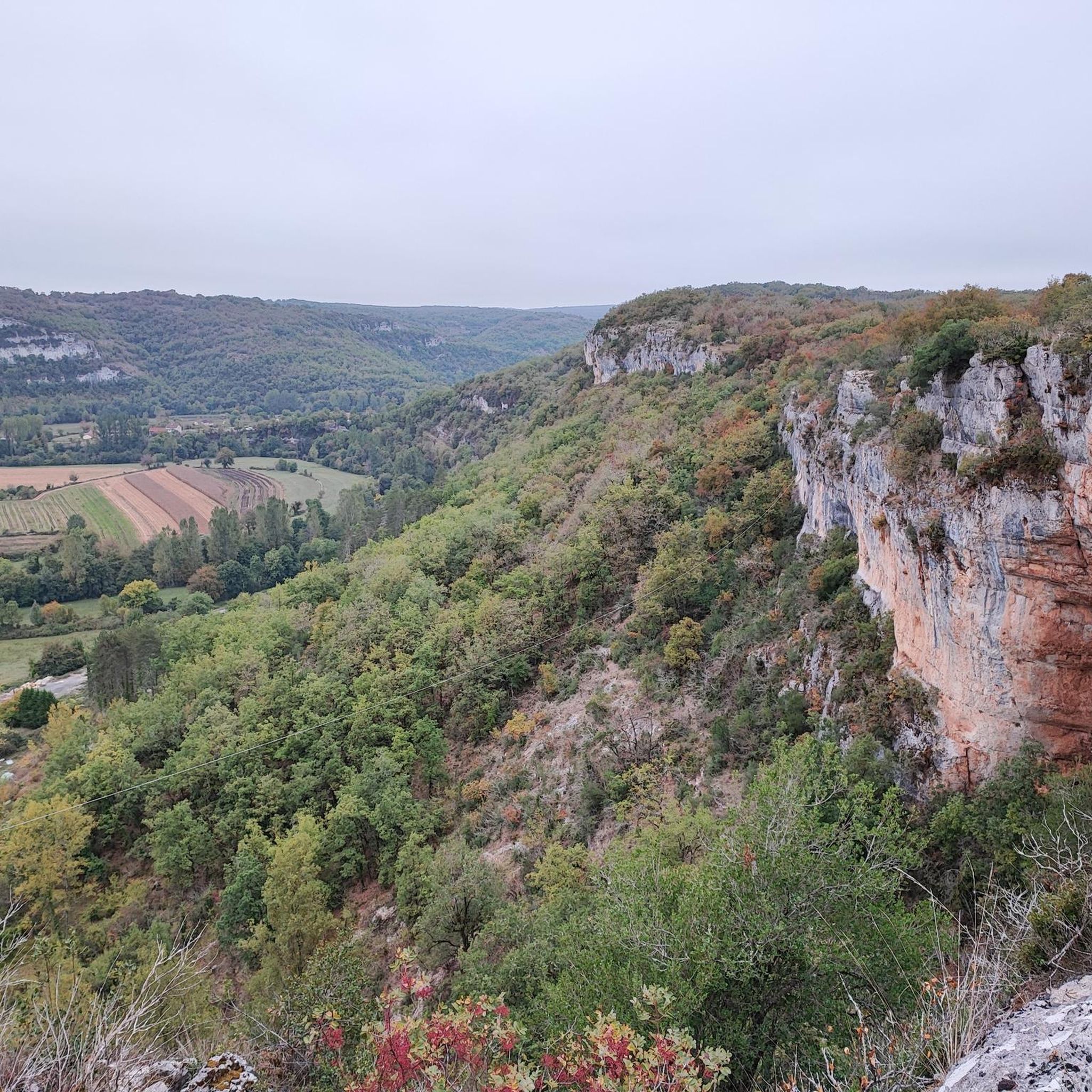
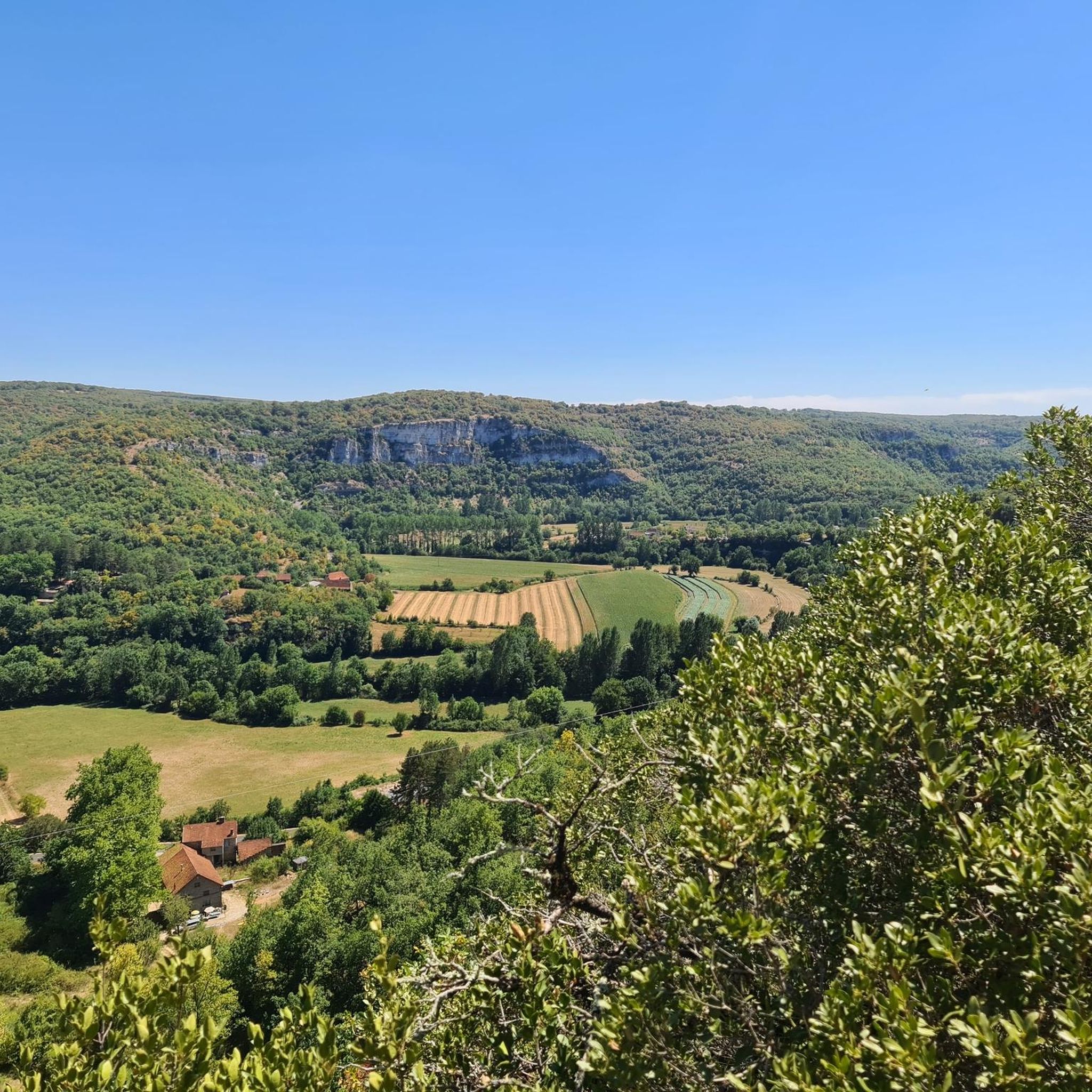
Other adventures around Caniac-Du-Causse

Tips from the Community


The Benedictine monastery of Marcilhac is now only a ruin, but is still absolutely worth seeing. Only remnants remain (12th century). Several imaginatively designed Romanesque capitals can be admired in the chapter house.
1
0

There is something magical about looking out over the valley and cliffs from the vantage point at the top of the road leading into the village.
1
0
Interesting little museum about Joachim Murat (1767-1815), one of Napoleon's most important generals. He was born and grew up in this village inn. Napoleon Bonaparte appointed him King of Naples.
0
0

Labastide-Murat, formerly known as Labastide-Fortunière, owes its name to Joachim Murat, a native of this village. This flamboyant historical figure was the son of an innkeeper. Under Napoleon I, and thanks to his military exploits, he became Marshal of the Empire and King of Naples. By imperial decree of Napoleon III, the village changed its name on April 15, 1852.
1
0

Labastide-Murat, at the exit of the highway where you will find a supermarket, a few shops, cafes, and a bakery all located in the center.
1
0

Small village in balcony on the limestone cliffs of the Céllé valley from where the view is sublime. Clinging to the walls, medieval houses and semi-troglodyte dwellings amaze. The historic market town and village center stretch out to the banks of the river.
2
0
Small village at the foot of the great limestone cliffs of the Célé valley. On the road to Santiago de Compostela, it is organized around a large and beautiful Romanesque church, on the edge of the river.
3
0
Frequently Asked Questions
What unique historical sites can I visit directly in Caniac-Du-Causse?
Within Caniac-Du-Causse itself, you can explore the Church of Caniac-du-Causse and its 12th-century crypt, which is a classified historical monument. The crypt is believed to house relics of Saint Namphaise. Additionally, the Pradayrol Cave is notable for the discovery of a Neanderthal incisive, indicating ancient human presence.
What natural features define the landscape around Caniac-Du-Causse?
The area is characterized by the vast Forest of Braunhie, extending over 5,000 hectares. This limestone forest is part of the Regional Natural Park of the Quercy and features distinctive elements of the Lot Causses, such as dry stone walls, small lakes, sinkholes (igues), and dolmens. You can also find Lac Saint-Namphase within the forest, and the region is known for its low light pollution, making it part of the 'Black Triangle Quercy' ideal for stargazing.
Are there any picturesque villages or settlements to explore nearby?
Absolutely. You can visit Marcilhac-sur-Célé, a tranquil village on the way to Santiago de Compostela, nestled by the Célé river at the foot of limestone cliffs. Another must-see is Saint-Sulpice, a 'balcony village' clinging to cliffs, offering stunning views of the Célé valley with its medieval and semi-troglodyte dwellings. Don't miss Old Sauliac, a superb troglodyte site above the river.
What kind of hiking trails can I find around Caniac-Du-Causse?
The region offers diverse hiking opportunities, especially within the Forest of Braunhie and the wider Regional Natural Park of the Quercy. You can find trails that lead through limestone forests, past dry stone walls, and to geological formations like sinkholes. For more detailed routes, you can explore the hiking guides for the area.
Are there cycling opportunities in the area?
Yes, Caniac-Du-Causse is a great base for cycling. You'll find various routes for different types of cycling. For touring, consider routes like the 'Rocamadour – View of Vers loop'. Road cyclists can enjoy scenic rides such as the 'Marcilhac-sur-Célé – Marcilhac-sur-Célé Village loop'. Explore more options in the cycling guide and road cycling guide for the region.
Where can I go mountain biking near Caniac-Du-Causse?
Mountain biking enthusiasts will find trails that traverse the unique landscape of the Causses. Routes like 'In the heart of the Black Triangle' offer an easy ride, while others such as 'Lac Font del Pech – Igue de Planagrèze loop' provide moderate challenges. Discover more trails in the MTB Trails guide around Caniac-Du-Causse.
Can I visit any ancient caves or prehistoric sites?
Yes, the region is rich in prehistoric history. Besides the Pradayrol Cave with its Neanderthal discovery, you can visit the renowned Grotte du Pech-Merle, famous for its ancient paintings and impressive geological formations. Another spectacular underground site is the Gouffre de Padirac, offering boat trips on its subterranean river.
What historical religious sites are worth seeing in the vicinity?
Beyond the Church of Caniac-du-Causse, you can visit the significant Church and Abbey of Marcilhac. Though partly in ruins, its past grandeur is evident, and the adjoining church has been renovated. The famous pilgrimage site of Rocamadour, with its sanctuaries and the Black Madonna, is also within easy reach. The Romanesque churches of Soulomès and Lunegarde are also notable for their preserved painted decor.
Are there any castles or significant historical figures associated with the region?
Yes, the area has a rich history. You can visit the stunning Château d'Assier, recognized as a UNESCO World Heritage site. The village of Labastide-Murat Town Centre is the hometown of Joachim Murat, one of Napoleon's generals who became King of Naples, and features a museum dedicated to him. Martel, known as the 'city of 7 towers,' was formerly the capital of the Vicomte de Turenne.
What are some family-friendly activities available near Caniac-Du-Causse?
Families can enjoy several attractions in the wider region. Rocamadour offers the Rocher des Aigles (Eagle's Rock) and the Forêt des Singes (Monkey Forest). The Animal Park of Gramat is another excellent option for families. Many of the natural sites, like the Forest of Braunhie, also provide opportunities for easy walks and exploration suitable for all ages.
What do visitors enjoy most about the attractions around Caniac-Du-Causse?
Visitors particularly appreciate the blend of historical depth and natural beauty. The 'balcony village' of Saint-Sulpice is praised for its striking views of the Célé valley and unique medieval dwellings. The Church and Abbey of Marcilhac are valued for their historical significance and impressive renovations. The tranquility and picturesque setting of Marcilhac-sur-Célé, especially along the Célé river, are also frequently highlighted.
What is the best time of year to visit Caniac-Du-Causse?
The region is generally pleasant from spring to autumn. Spring brings blooming wildflowers and mild temperatures, ideal for hiking and exploring. Summer is popular for outdoor activities, though it can be warm. Autumn offers beautiful foliage and comfortable weather for sightseeing. The low light pollution makes the area excellent for stargazing year-round, especially on clear nights.
Are there any attractions that are wheelchair accessible?
While many historical sites and natural trails in the region may have uneven terrain, some larger attractions and town centers offer better accessibility. For specific accessibility information, it's recommended to check directly with the individual sites you plan to visit, such as the Gouffre de Padirac or the Animal Park of Gramat, as they may have dedicated facilities or routes.
Most popular routes around Caniac-Du-Causse

Get inspired with the komoot mobile app


Explore more
Still not found the Highlight you’re looking for? See guides of the top attractions in other regions:
