The best road cycling routes around Cénevières
4.5
(80)
2,563
riders
145
rides
Road cycling routes around Cénevières navigate a landscape characterized by the Lot River valley, limestone cliffs, and rolling hills. The region features a mix of open countryside and areas with dense woodlands, offering varied scenery for road cyclists. Routes often connect picturesque villages and historic sites, providing diverse cycling experiences. The terrain includes both gentle gradients along riverbanks and more challenging climbs into the higher elevations.
Best road cycling routes around Cénevières
- The most popular road cycling route is Cajarc…
Last updated: October 25, 2026
4.7
(3)
153
riders
102km
04:28
920m
920m
Hard road ride. Very good fitness required. Mostly well-paved surfaces and easy to ride.
5.0
(1)
174
riders
Moderate road ride. Good fitness required. Some segments of this route may be unpaved and difficult to ride.

5.0
(4)
96
riders
Moderate road ride. Good fitness required. Some segments of this route may be unpaved and difficult to ride.
5.0
(2)
63
riders
44.3km
02:07
570m
570m
Moderate road ride. Good fitness required. Mostly well-paved surfaces and easy to ride.
61
riders
Moderate road ride. Good fitness required. Some segments of this route may be unpaved and difficult to ride.
Get access to more routes and recommendations from other explorers.
Already have an account?
Our route recommendations are based on thousands of hikes, rides, and runs completed by other people on komoot.
Start today with a free account
Your next adventure awaits.

Tips from the Community

The spectacular silhouette of the Château de Larroque-Toirac is the soul of the village. A bastion of the Hundred Years' War: Built between the 12th and 15th centuries, this listed historic monument has retained its entire original defensive system despite repeated assaults by the English. A living dwelling: Unlike many medieval ruins, the castle has the distinction of always having been inhabited. Its guided tour allows you to discover an intact period kitchen, magnificent 15th-century fireplaces, and superb 16th-century polychrome frescoes. Prehistoric origins: Just behind the building, the cliff face houses troglodytic caves that already served as shelters for humans from the Neolithic period.
0
0
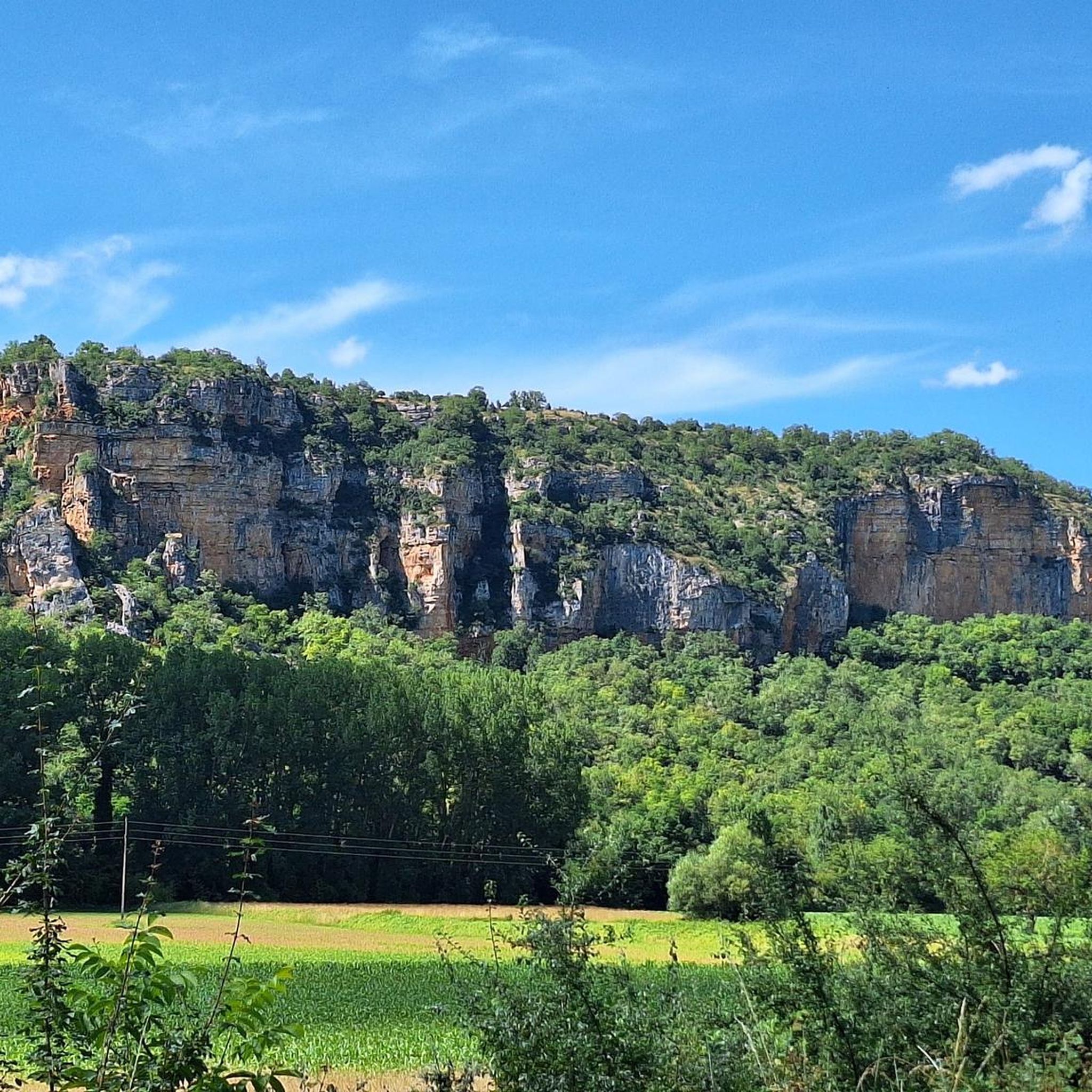
Medieval village perched on a rocky outcrop overlooking the Lot valley, facing the cliffs of Saut de la Mounine, known for the ruins of its 13th-century castle.
0
0
The village retains vestiges of its 14th-century fortifications, the Palais de l'Hébrardie, and picturesque streets lined with arcades.
0
0
The Château de Cénevières is one of the most prestigious testimonies of Renaissance architecture in the Quercy. Perched on a majestic cliff overlooking the Lot valley, this 13th-century fortified castle, transformed into a pleasure residence in the 16th century, offers a spectacular panorama and a rare immersion into the region's history.
0
0
Ideally nestled on the left bank of the Lot, Crégols is located in the heart of the Regional Natural Park of Causses du Quercy, just 2 km from the famous medieval village of Saint-Cirq-Lapopie. It is a perfect destination for lovers of calm, old stones and unusual geological curiosities.
0
0
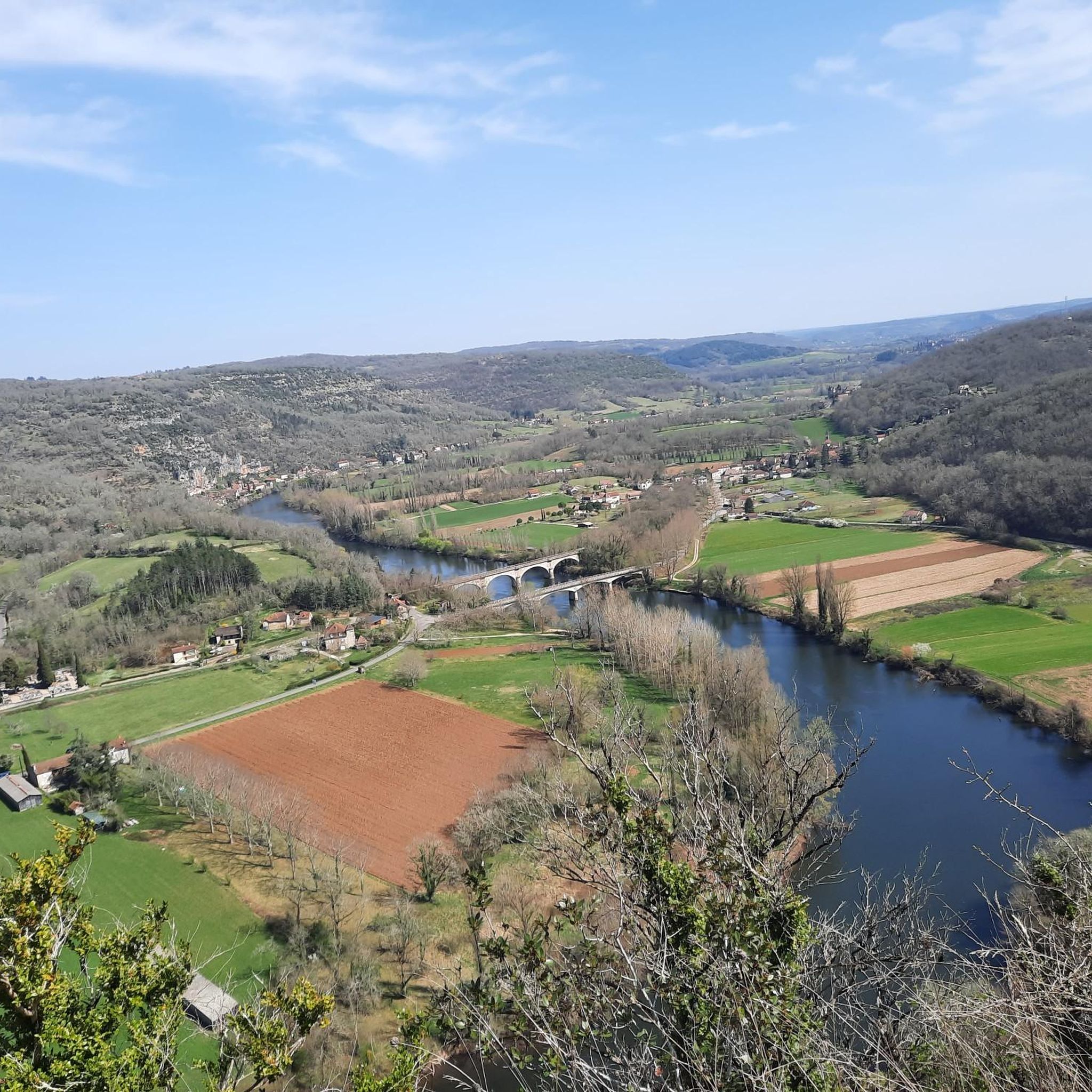
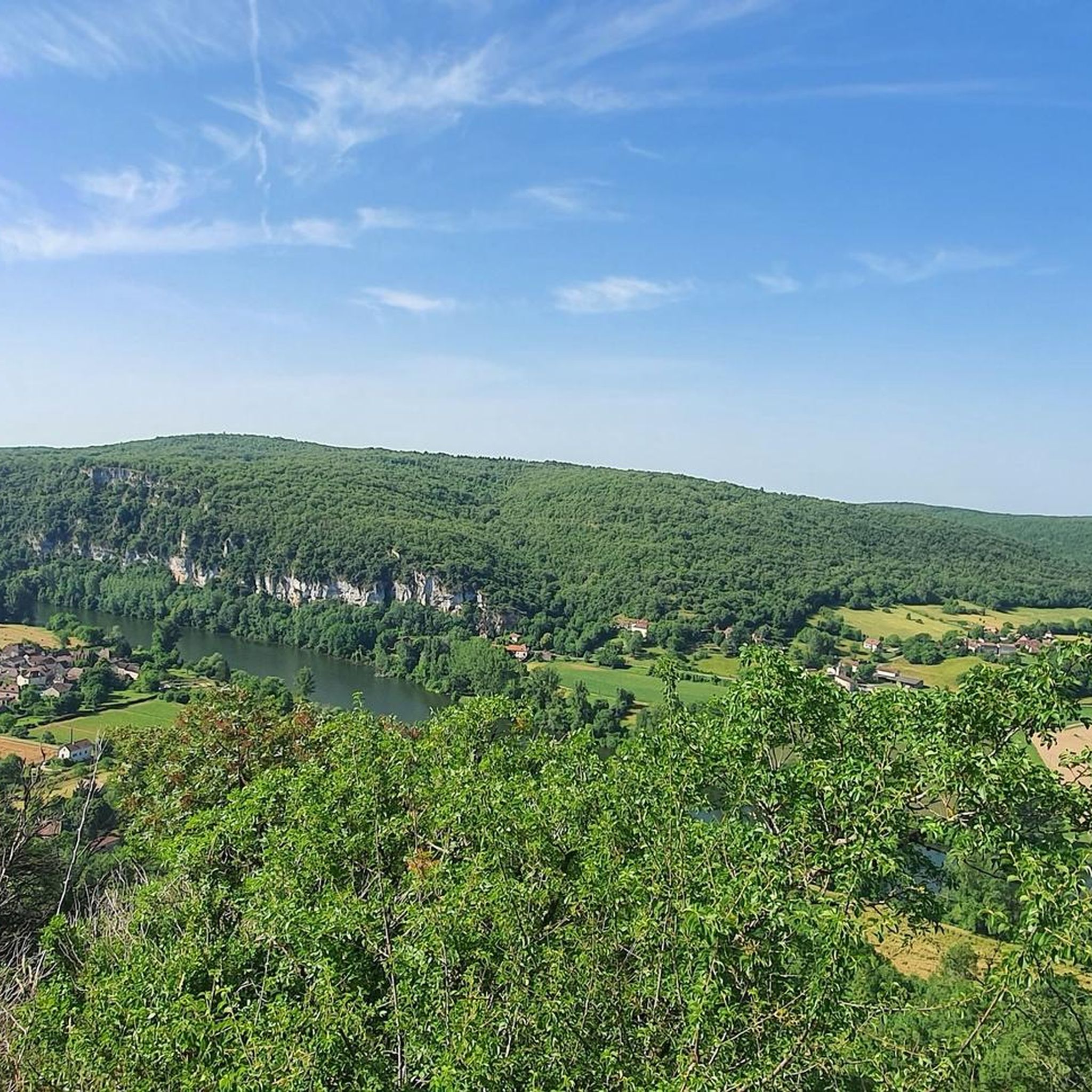
The magnificent cornice route overlooking the meanders of the river is located at the level of the spectacular Lot valley, particularly on the heights of the limestone causses and cliffs. In Saint-Cirq-Lapopie: The Lapopie rock and the Bancourel dovecote offer a spectacular 360-degree plunging view over the river.
0
0
The magnificent corniche road overlooking the meanders of the river is located at the level of the spectacular Lot valley, particularly on the heights of the limestone causse and cliffs. In Saint-Cirq-Lapopie: The Lapopie rock and the Bancourel dovecote offer a spectacular 360-degree plunging view over the river.
0
0
In the heart of the Causses du Quercy Regional Natural Park. Located at the confluence of the Lot and Célé valleys, the village of Bouziès, with around 90 inhabitants, is world-renowned for its spectacular natural and historical heritage. The Château des Anglais: Fortifications from the 11th and 12th centuries anchored directly into the vertical cliff face overlooking the road and the river. This site once served as a fortified refuge for the inhabitants during conflicts.
0
0
Frequently Asked Questions
How many road cycling routes are available around Cénevières?
There are over 150 road cycling routes around Cénevières, offering a wide range of options for different skill levels and preferences. The region's diverse landscape, characterized by the Lot River valley and limestone cliffs, provides varied scenery for every ride.
What is the general difficulty level of road cycling routes in Cénevières?
The routes around Cénevières cater to various abilities. You'll find a mix of terrain, from gentle gradients along riverbanks to more challenging climbs into higher elevations. Approximately 13 routes are considered easy, 98 are moderate, and 43 are difficult, ensuring options for all experience levels.
Are there any beginner-friendly road cycling routes in Cénevières?
Yes, Cénevières offers several routes suitable for beginners. These typically feature gentler gradients, often following the Lot River valley. While specific 'easy' routes are available, many of the moderate routes can also be enjoyed by those looking for a less strenuous ride, especially those that stick to the riverbanks.
Which routes offer a more challenging experience for advanced road cyclists?
For advanced road cyclists seeking a challenge, routes like Wren – Cajarc town centre loop from Larnagol (128.5 km with 1483m elevation gain) or Valentré Bridge – View of Saint-Cirq-Lapopie loop from Saint-Cirq-Lapopie (64.5 km with 939m elevation gain) provide significant climbs and longer distances. These routes venture into the higher elevations and offer a demanding ride.
What kind of scenery can I expect on road cycling routes in Cénevières?
Road cycling routes in Cénevières are incredibly scenic, navigating a landscape of the Lot River valley, dramatic limestone cliffs, and rolling hills. You'll pass through a mix of open countryside and dense woodlands, often connecting picturesque villages and historic sites. Many routes offer stunning viewpoints, such as those overlooking Saint-Cirq-Lapopie or the Cliffs Along the Lot River.
Are there any family-friendly road cycling options in Cénevières?
While specific 'family-friendly' routes are not explicitly categorized, the region's routes with gentle gradients along the riverbanks can be suitable for families with older children or those comfortable with moderate distances. Look for routes that avoid significant elevation changes and stick to quieter roads or dedicated paths where available.
What are some notable landmarks or attractions to see along the routes?
Many routes pass by or offer views of significant landmarks. You can explore the historic village of Saint-Cirq-Lapopie, the unique The English Castle of Bouziès, or the charming town of Cajarc. Natural features like the Ganil lock and towpath and the Igue of Crégols also add to the region's appeal.
Are there many circular road cycling routes around Cénevières?
Yes, many of the road cycling routes in Cénevières are designed as loops, allowing you to start and finish at the same point. For example, the popular Cajarc town centre – Route des falaises loop from Saint-Martin-Labouval and Troglodytic Château des Anglais – View of St Cirq Lapopie loop from Saint-Cirq-Lapopie are excellent circular options.
What do other road cyclists enjoy most about the routes in Cénevières?
The road cycling routes in Cénevières are highly rated by the komoot community, with an average score of 4.6 stars from over 60 reviews. Cyclists frequently praise the diverse scenery, the well-maintained roads, and the opportunity to combine challenging rides with visits to picturesque villages and historic sites.
When is the best time of year for road cycling in Cénevières?
The spring and autumn months generally offer the most pleasant conditions for road cycling in Cénevières, with milder temperatures and less crowded roads. Summer can be warm, especially in the valleys, so early morning rides are recommended during peak season. Winter cycling is possible, but some routes might be affected by colder temperatures or occasional frost.
Are there any cafes or places to stop for refreshments along the road cycling routes?
Yes, many routes pass through or near charming villages such as Saint-Cirq-Lapopie and Cajarc, where you can find cafes, bakeries, and restaurants to refuel. Planning your route with these villages in mind will ensure convenient refreshment stops.
Where can I find parking for road cycling trails in Cénevières?
Parking is generally available in the villages and towns that serve as common starting points for routes, such as Saint-Cirq-Lapopie, Cajarc, and Saint-Martin-Labouval. Look for designated public parking areas, often near the village centers or tourist information points. It's advisable to check local signage for any parking restrictions.
Most popular routes around Cénevières
Most popular attractions around Cénevières

Get inspired with the komoot mobile app


Explore more
Browse the best Road cycling routes in other regions.
