Attractions and Places To See around Grandfontaine - Top 20
Best attractions and places to see around Grandfontaine include a variety of historical sites, cultural landmarks, and natural features. Situated in the Bas-Rhin region of France within the northern Vosges mountains, the area is characterized by its natural beauty and historical significance, particularly around the Donon mountain. Visitors can explore ancient mines, Roman ruins, and significant historical monuments. The region offers diverse points of interest for those interested in history and outdoor exploration.
Best attractions and places to see around…
Last updated: July 6, 2026
Citadel of Besançon
Highlight • Viewpoint
Construction of the Citadelle began in 1668 under the direction of the …
Translated by Google •
Tip by

Citadel Canal Tunnel
Highlight (Segment) • Bridge
Translated by Google •
Tip by
Sign up now to discover places like this
Get recommendations on the best single tracks, peaks, & plenty of other exciting outdoor places.
Sign up for free
View of the Besançon citadel from the greenway
Highlight • Viewpoint
Translated by Google •
Tip by

Citadel of Besançon
Highlight • Castle
Construction of the Citadelle began in 1668 under the direction of the …
Translated by Google •
Tip by
Thoraise Tunnel
Highlight • Historical Site
On the upstream side, pay attention to the curtain …
Translated by Google •
Tip by

Sign up for free to discover even more attractions around Grandfontaine.
Sign up for free
Already have an account?
Start today with a free account
Your next adventure awaits.
Login or Signup
Tips from the Community

Imposing complex which is worth a visit.
0
0

UNESCO World Cultural Heritage
0
0
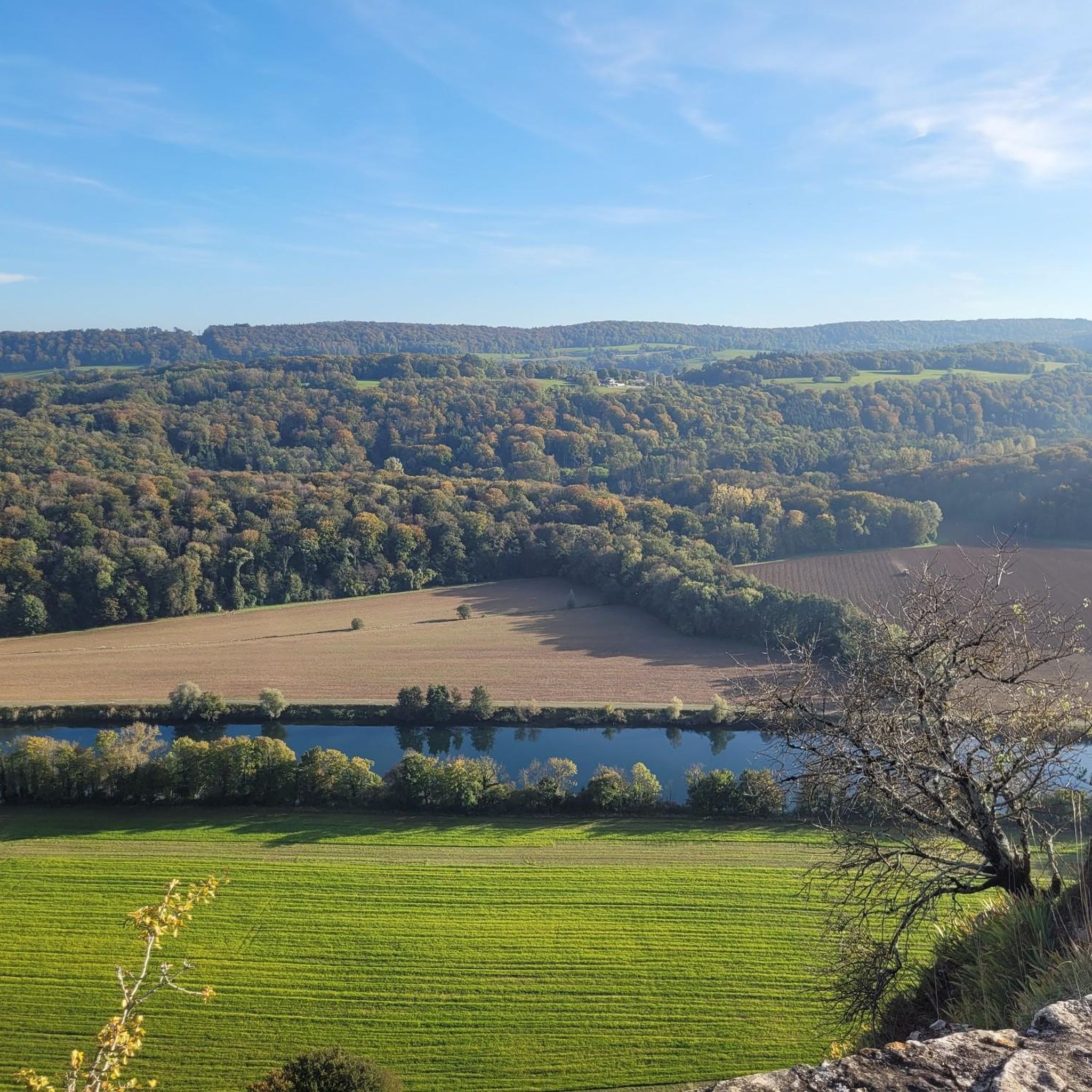
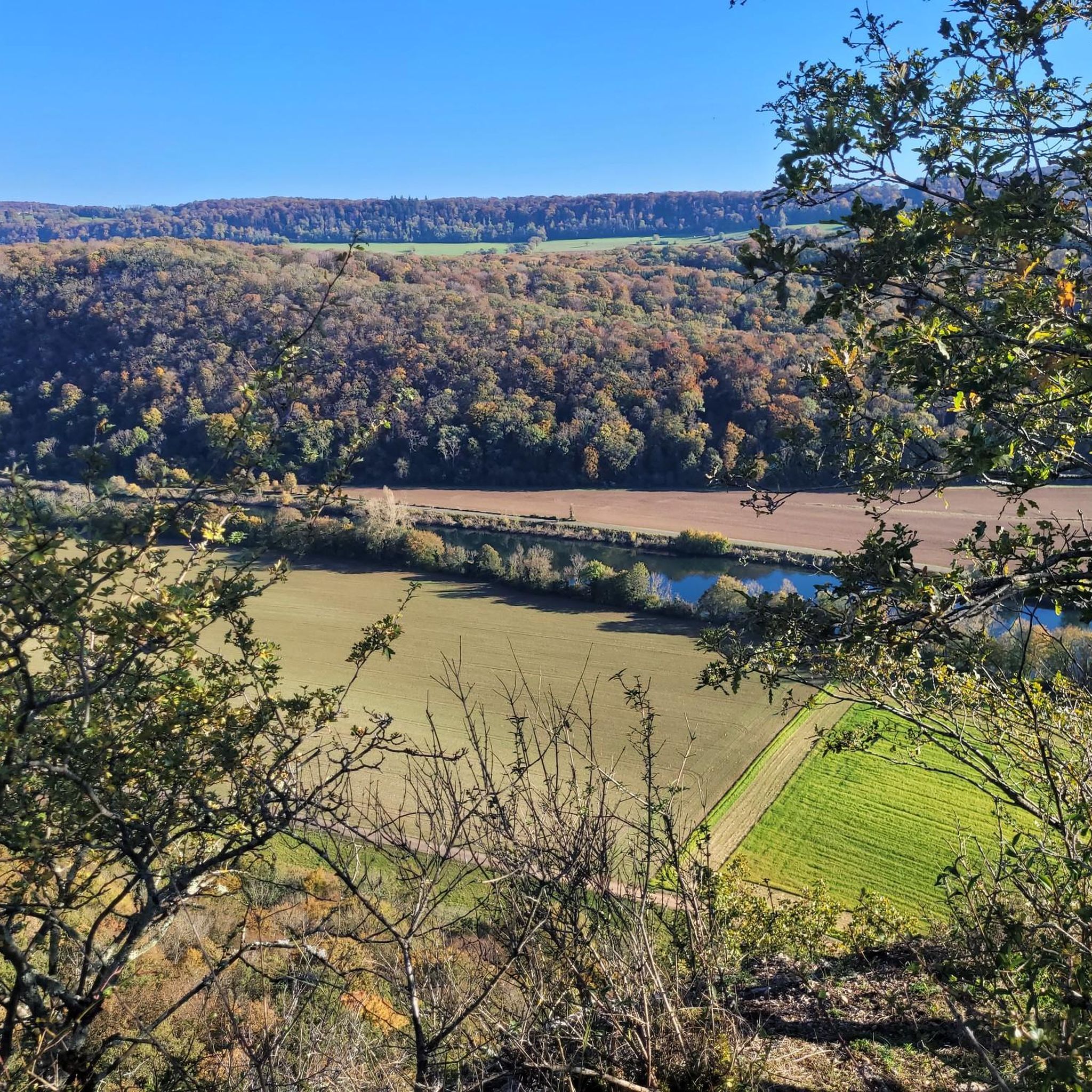
UNESCO World Heritage, what more can be said except that the Doubs Valley and the splendid ruins of old medieval castles from the top of wild cliffs have watched over the valley for centuries?
0
0

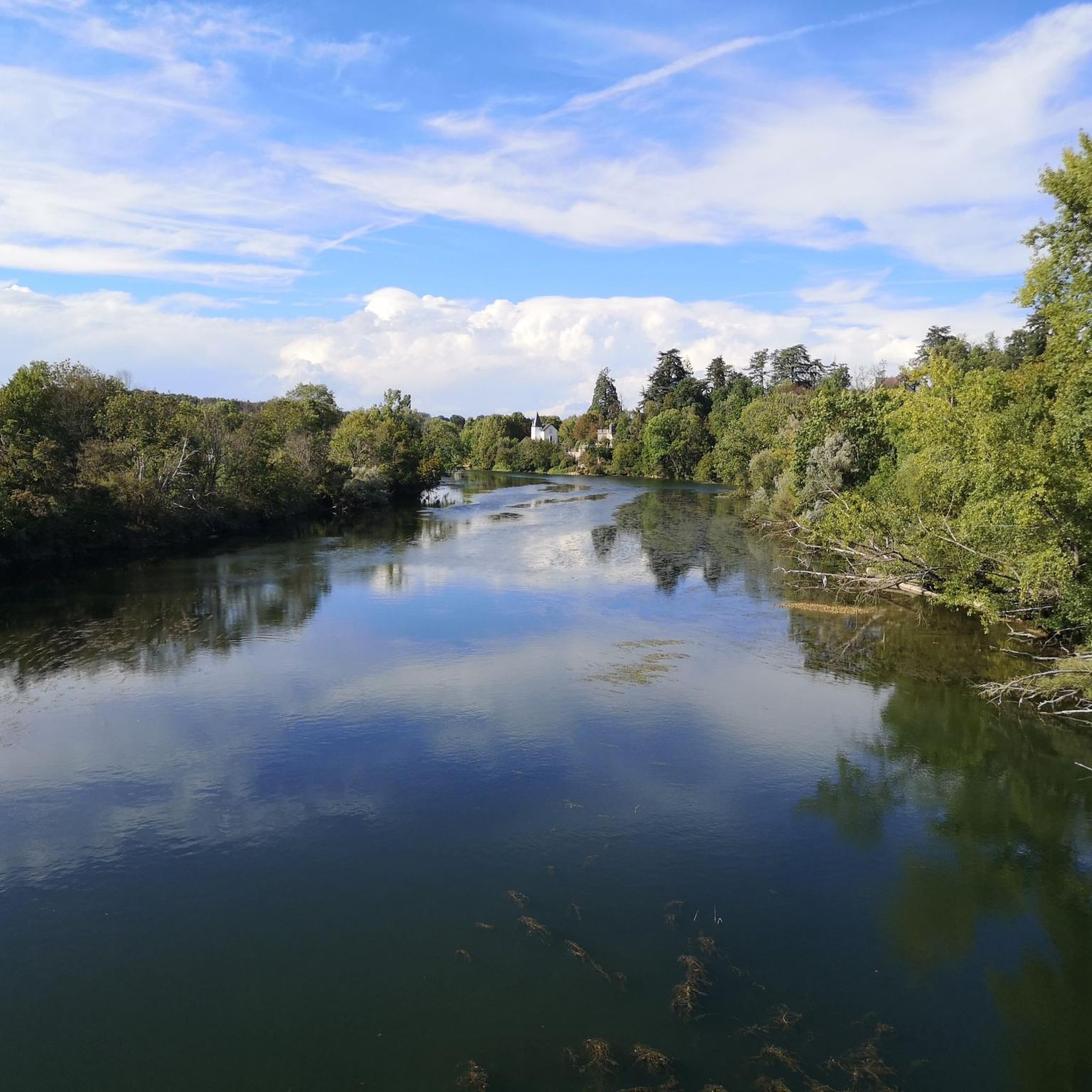
I have cycled this cycle path several times (different years) and each time I have passed these horrible looking factory ruins on the opposite bank - a very poor reception from Besançon - a real shame.
1
0

A ship tunnel (1810) that can be walked through from the side as a shortcut for the Le Doubs river canal. On the other side of the canal there is a lock about 3-4 m high. There is a water curtain at both portals and the interior is beautifully and decoratively lit. Worth seeing.
2
0

Cycling through the ship tunnel, don't forget to take off your sunglasses 😎
5
0

The Citadelle de Besançon is an impressive fortress located on Mont Saint-Étienne, high above the city of Besançon. Construction of the Citadelle began in 1668 under the direction of the French military engineer Vauban, who is known for his fortifications. The fortress served as an important military stronghold and played a crucial role in the defense of France's eastern borders. The Citadelle is a masterpiece of military architecture, with bastions, ramparts, underground tunnels and other defenses. Its design reflects Vauban's innovative approaches at the time. UNESCO World Heritage Site: The Citadelle de Besançon is part of the "Fortifications of Vauban", which were recognized as a World Heritage Site by UNESCO in 2008. This group of fortifications spread across France bears witness to Vauban's military designs. Within the Citadelle are several museums and attractions, including the Museum of French Resistance and Deportation, the Comtois Museum which highlights regional history, and the Besançon Zoo, one of the oldest zoos in France. The Citadelle offers breathtaking views of the city of Besançon and the surrounding valley. It is a popular tourist destination for its historical importance, architectural splendor, and panoramic views.
9
0
It is also possible to walk through the tunnel.
5
0
Frequently Asked Questions
What historical sites can I visit around Grandfontaine?
The region is rich in history. You can explore the ancient Citadel of Besançon, a UNESCO World Heritage site known for its military architecture and museums. Another significant historical landmark is the Thoraise Tunnel, a unique canal passage. Further afield, the Porte Noire (Black Gate) in Besançon is a well-preserved Roman triumphal arch dating back to the 2nd century AD. The Mines de Grandfontaine offer a glimpse into the industrial heritage of the Vosges massif.
Are there any family-friendly attractions in the Grandfontaine area?
Yes, the Citadel of Besançon is a great option for families, as it houses several museums, including the Comtois Museum and the Besançon Zoo, one of France's oldest zoos. The greenway along the Doubs also offers pleasant strolls with views of the citadel, suitable for all ages.
Where can I find the best panoramic views around Grandfontaine?
For exceptional panoramic views, visit the Citadel of Besançon, which offers breathtaking vistas over the city and the surrounding valley. Another excellent spot is the View of the Besançon citadel from the greenway, providing a superb perspective of the UNESCO site. Additionally, the sacred Donon mountain (1009 m) offers expansive views across the northern Vosges.
What natural features are prominent in the Grandfontaine region?
The region is characterized by its natural beauty, especially around the Donon mountain. You can discover the fascinating Porte de Pierre (Stone Gate), a pink sandstone monolith, and the expansive Forêt Domaniale du Donon, ideal for immersing yourself in nature. The Source de la Sarre Blanche, one of the sources of the Sarre River, is also located at the base of the Donon.
What outdoor activities are available near Grandfontaine's attractions?
The area around Grandfontaine is excellent for outdoor enthusiasts. You can find numerous cycling routes, such as those listed in the Cycling around Grandfontaine guide, including loops around the Citadel of Besançon and the Canal du Rhône au Rhin. For hikers, the Hiking around Grandfontaine guide features trails like the 'Percée de Thoraise' loop and the 'Crête and Bois Rapin Trail'.
Are there any specific hiking trails I should consider around Grandfontaine?
Yes, for an easy walk, consider the 'Percée de Thoraise — loop by the canal du Rhône au Rhin' (4.3 km). A moderate option is the 'Crête and Bois Rapin Trail' (7.1 km). You can find more details and routes in the Hiking around Grandfontaine guide.
What is the significance of the Donon mountain in this region?
Le Donon is the highest peak in the northern Vosges (1009 m) and holds significant cultural and historical importance. It has been revered as a sacred mountain since prehistory and is home to archaeological remains of a Gallo-Roman sanctuary. It also offers exceptional panoramic views and is recognized as a Category 2 climb in the Tour de France.
What do visitors enjoy most about the attractions around Grandfontaine?
Visitors particularly appreciate the historical depth and architectural splendor of sites like the Citadel of Besançon, often highlighting its UNESCO status and the breathtaking views it offers. The unique experience of passing through the Thoraise Tunnel, with its water curtain, is also frequently mentioned as a memorable highlight.
Are there any waterfalls or unique rock formations to see?
Yes, the region boasts several natural wonders. The Porte de Pierre (Stone Gate) is a fascinating monolith of pink sandstone. Nearby, you can find the picturesque Cascade de l'Andlau in Le Hohwald and the Cascade de la Serva, both offering beautiful natural excursions.
Can I find any memorials or educational sites related to the region's history?
Yes, the region has poignant sites for reflection. The Mémorial Alsace-Moselle in Schirmeck serves as an important site for memory, history, and education, commemorating the region's tumultuous past. Additionally, the Struthof - Former Concentration Camp in Natzwiller offers a powerful and significant historical experience.
What is the best time of year to visit Grandfontaine for outdoor activities?
While specific seasonal recommendations for Grandfontaine are not detailed, the expansive forests and mountains of the Vosges, particularly around the Donon massif, are generally ideal for hiking and outdoor activities during spring, summer, and early autumn when the weather is mild and trails are clear. Winter can offer opportunities for snow-related activities, but some trails might be challenging.
Most popular routes around Grandfontaine
Most popular attractions around Grandfontaine

Get inspired with the komoot mobile app


Explore more
Still not found the Highlight you’re looking for? See guides of the top attractions in other regions:
