The best road cycling routes around Verreries-De-Moussans
4.7
(39)
845
riders
44
rides
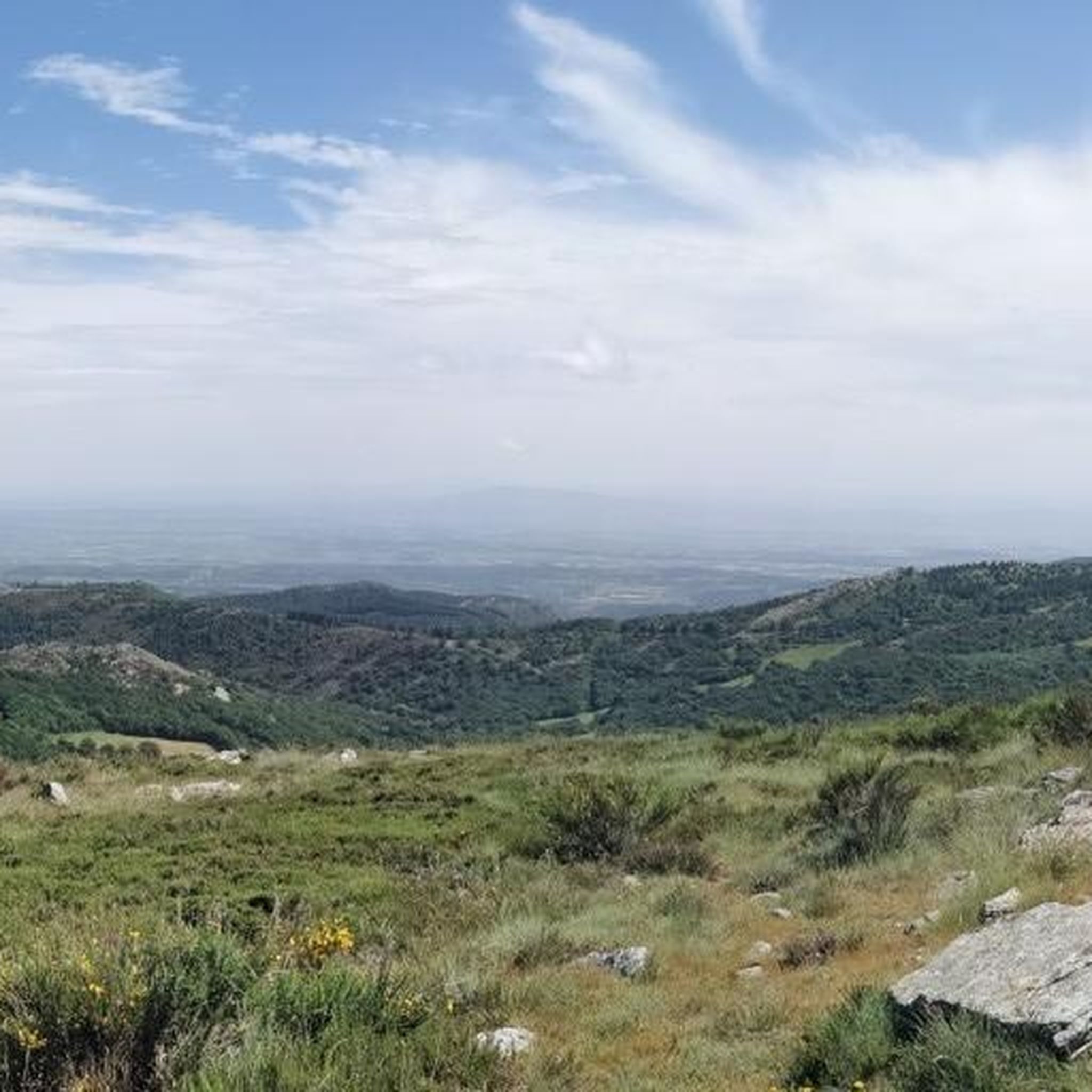
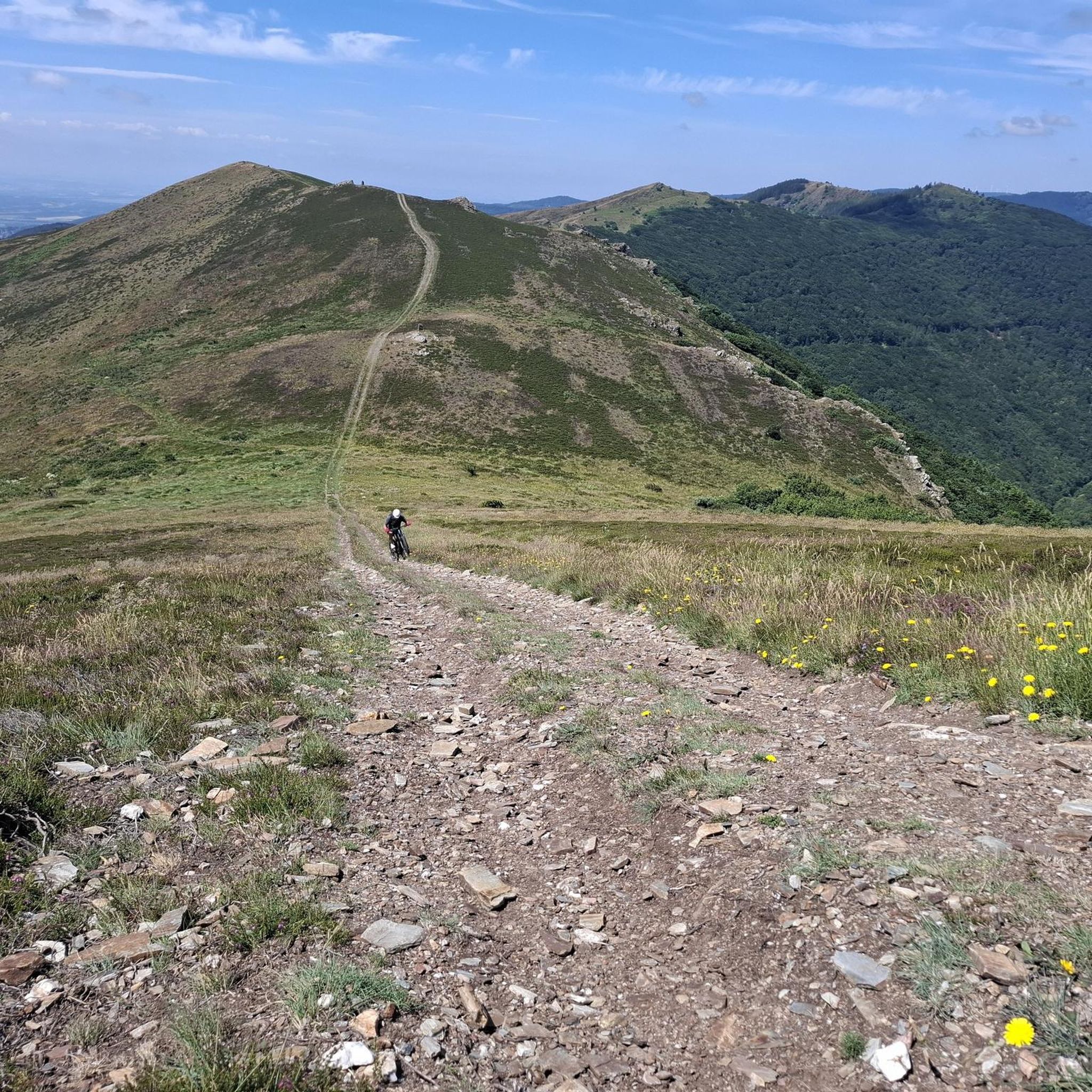
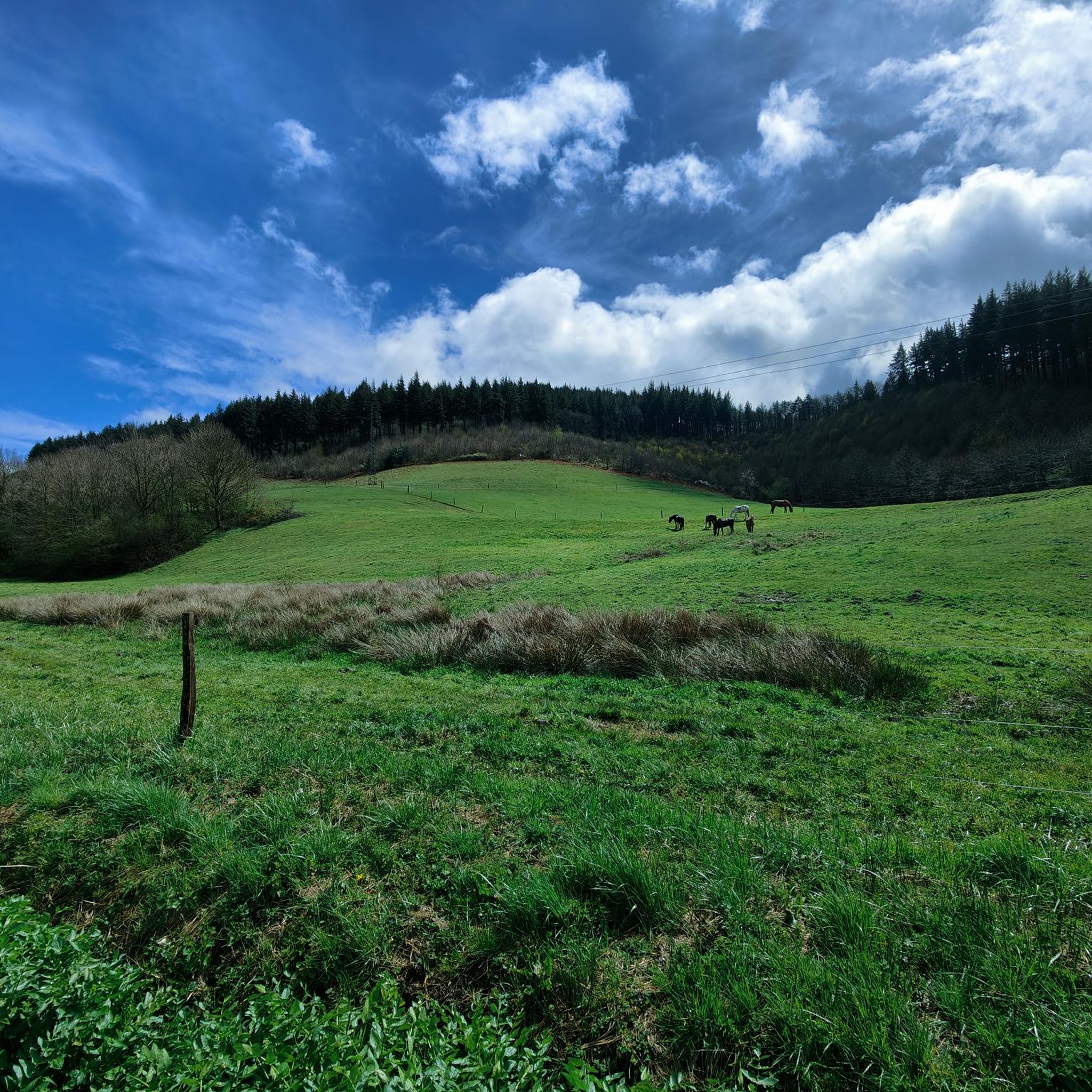
Road cycling routes around Verreries-De-Moussans traverse a diverse landscape within the Haut-Languedoc Regional Nature Park. The terrain features a mix of mountains, dense forests, rolling hills, and river valleys, providing varied gradients for cyclists. Routes often wind through vineyards and garrigue, offering both challenging climbs and descents. The region is characterized by its "small roads" and natural formations such as gorges.
Best road cycling routes around Verreries-De-Moussans
- The most popular road cycling route is Loop of the Gorges du Banquet…
Last updated: July 4, 2026
17
riders
59.2km
03:10
1,020m
1,020m
Hard road ride. Very good fitness required. Mostly well-paved surfaces and easy to ride.
3.0
(1)
10
riders
45.0km
02:41
920m
920m
Hard road ride. Very good fitness required. Mostly well-paved surfaces and easy to ride.

Sign up for free
11
riders
34.4km
01:30
300m
300m
Moderate road ride. Great for any fitness level. Some segments of this route may be unpaved and difficult to ride.
3.0
(1)
7
riders
19.5km
01:02
310m
310m
Moderate road ride. Good fitness required. Some segments of this route may be unpaved and difficult to ride.
8
riders
94.8km
05:16
1,660m
1,660m
Hard road ride. Very good fitness required. Mostly well-paved surfaces and easy to ride.
Get access to more routes and recommendations from other explorers.
Sign up for free
Already have an account?
Our route recommendations are based on thousands of hikes, rides, and runs completed by other people on komoot.
Start today with a free account
Your next adventure awaits.
Login or Signup

Tips from the Community

Located in the Jaur valley, in the heart of the Hauts cantons of the Hérault, Riols is a vast rural village typical of the Haut-Languedoc. The village is intimately linked to the history of the abbey of Saint-Pons-de-Thomières, founded in the 10th century, on which it long depended. From the Middle Ages onwards, Riols was part of a network of monastic possessions. Even today, the old center retains its valley setting, crossed by the Jaur, around which the main routes and activities developed. The Pont-Vieux and several structures on the river bear witness to this close relationship between the village and its watercourse.
0
0

A landmark on the way to Minerve. You'll face a bit of a climb.
0
0
Fairly flat road on asphalt
0
0


Next to the cave reception, you can stop for a coffee, even if you are not visiting the site.
0
0

The village of Riols, a small industrial center specializing in draperies and woolens in the 19th century, is located on the "Passa Païs" greenway. Points of interest include the Banasse bridge over the Jaur river, the Church of Saint Peter and Paul, and its main thoroughfare, Rue Basse.
1
0

When cycling, watch out for pedestrians and animals.
0
0
Frequently Asked Questions
How challenging are the road cycling routes around Verreries-De-Moussans?
The road cycling routes in this area offer a range of difficulties. Out of 50 available routes, 1 is considered easy, 15 are moderate, and 34 are difficult. The region, part of the Montagne Noire, features varying altitudes from 500 to 1000 meters, providing challenging climbs and scenic descents. For instance, the Loop of the Gorges du Banquet is a difficult route with over 1000 meters of elevation gain.
What natural sights can I explore while road cycling in the area?
The region is rich in natural beauty, being part of the Haut-Languedoc Regional Nature Park. You can encounter dramatic gorges, such as those along the Loop of the Gorges du Banquet. Other notable natural features include the Thoré river valley and smaller watercourses like the Beson and Galinier streams. While not directly on road cycling routes, the Grotte de la Devèze and Gouffre de Cabrespine are significant natural sites nearby. You can also find highlights like the Grotte Pont Petite and the Daniel Bridge and the Brian Gorges.
Are there any historical villages or landmarks to visit near the routes?
Yes, the area is dotted with charming historical villages. Minerve, recognized as one of France's most beautiful villages, is dramatically perched on a rock where rivers converge, forming deep canyons. It's a significant Cathar site. You can explore it via routes like the Minerve – Minerve loop from Rieussec. Other nearby attractions include the medieval center of Olargues and the fortified village of Aigne. The region also has a history of glassmaking, reflected in the name Verreries-De-Moussans.
Are there family-friendly road cycling routes in Verreries-De-Moussans?
While many routes are moderate to difficult, there is 1 easy route and 15 moderate routes that might be suitable for families with older children or those looking for a less strenuous ride. The Saint-Pons-de-Thomières – Riols loop from Courniou is a moderate option with less elevation gain. It's important to note that the Passa Païs greenway, while popular for cycling, is unpaved and better suited for hybrid or mountain bikes rather than road bikes.
When is the best time of year for road cycling in Verreries-De-Moussans?
Given its mountainous setting within the Haut-Languedoc Regional Nature Park, spring and autumn generally offer the most pleasant conditions for road cycling. Temperatures are milder, and the natural landscapes are vibrant. Summer can be warm, especially in the valleys, while winter may bring colder temperatures and potential for snow at higher altitudes, making some routes less accessible.
What do other road cyclists enjoy the most about road cycling in Verreries-De-Moussans?
The area is highly rated by the komoot community, with an average score of 4.7 stars from over 36 reviews. Road cyclists often praise the diverse landscapes, challenging climbs through gorges, and the scenic beauty of the Minervois vineyards and the Haut-Languedoc Regional Nature Park. The region's 'small roads' and natural formations are frequently highlighted as key attractions.
Can I find circular road cycling routes in this region?
Yes, many of the road cycling routes around Verreries-De-Moussans are designed as loops, allowing you to start and finish in the same location. Examples include the Fenille Tunnel – Path to the lookout loop from Rieussec and the Ferrals-les-Montagnes – Labastide-Rouairoux loop from Labastide-Rouairoux. This design makes planning your ride and parking more convenient.
Are there any specific viewpoints or panoramic spots along the routes?
While specific viewpoints are not detailed for every route, the region's mountainous terrain, particularly the Montagne Noire, offers numerous opportunities for panoramic views. The Mont Cayroux, though modest at 788 meters, provides a magnificent 360° panoramic view of the surrounding pastoral landscapes and forests. Many routes will offer elevated sections with expansive vistas of the Haut-Languedoc Regional Nature Park.
What kind of terrain can I expect on the road cycling routes?
Expect a diverse mix of terrain. Routes traverse mountains, dense forests, rolling hills, and river valleys, providing varied gradients. You'll encounter challenging climbs, such as the ascent to the Cabarétou pass, and rewarding descents. Many roads wind through vineyards and garrigue, characterized by the region's 'small roads' and natural formations like gorges.
Are there amenities like cafes or shops along the road cycling routes?
While Verreries-De-Moussans itself is a small commune, the routes often pass through or near charming villages like Minerve, Olargues, and Aigne. These villages typically offer basic amenities such as cafes, restaurants, and small shops where you can refuel and rest. It's advisable to check opening times, especially in smaller settlements, and carry sufficient water and snacks for longer stretches.
Is public transport an option for accessing the road cycling routes?
Accessing the more remote road cycling routes directly by public transport might be limited due to the rural nature of Verreries-De-Moussans and the Haut-Languedoc Regional Nature Park. It's generally recommended to arrive by car, especially if you're bringing your own bike. Some larger nearby towns might have bus services, but these may not cater specifically to cyclists or reach the exact starting points of all routes.
Most popular attractions around Verreries-De-Moussans

Get inspired with the komoot mobile app


Explore more
Browse the best Road cycling routes in other regions.
