The best road cycling routes around Puy-L'Évêque
4.4
(101)
2,208
riders
30
rides
Road cycling routes around Puy-L'Évêque traverse the picturesque Lot Valley, characterized by the meandering Lot River, limestone plateaus, and extensive vineyards. The terrain offers a mix of gentle riverside paths and more challenging routes with varied elevation gains through rolling hills and medieval villages. This region provides a diverse landscape for road cyclists, from flat sections along the river to ascents into the surrounding plateaus.
Best road cycling routes around Puy-L'Évêque
- The most popular road cycling route is Albas –…
Last updated: October 30, 2026
4.0
(2)
61
riders
49.9km
02:36
600m
600m
Moderate road ride. Good fitness required. Mostly well-paved surfaces and easy to ride.
5.0
(1)
45
riders
41.0km
01:50
330m
340m
Moderate road ride. Good fitness required. Some segments of this route may be unpaved and difficult to ride.

5.0
(1)
28
riders
54.4km
02:30
600m
600m
Moderate road ride. Good fitness required. Mostly well-paved surfaces and easy to ride.
30
riders
27.8km
01:39
190m
190m
Easy road ride. Mostly well-paved surfaces and easy to ride.
24
riders
107km
05:10
1,320m
1,320m
Hard road ride. Very good fitness required. Mostly well-paved surfaces and easy to ride.
Get access to more routes and recommendations from other explorers.
Already have an account?
Our route recommendations are based on thousands of hikes, rides, and runs completed by other people on komoot.
Start today with a free account
Your next adventure awaits.
Tips from the Community

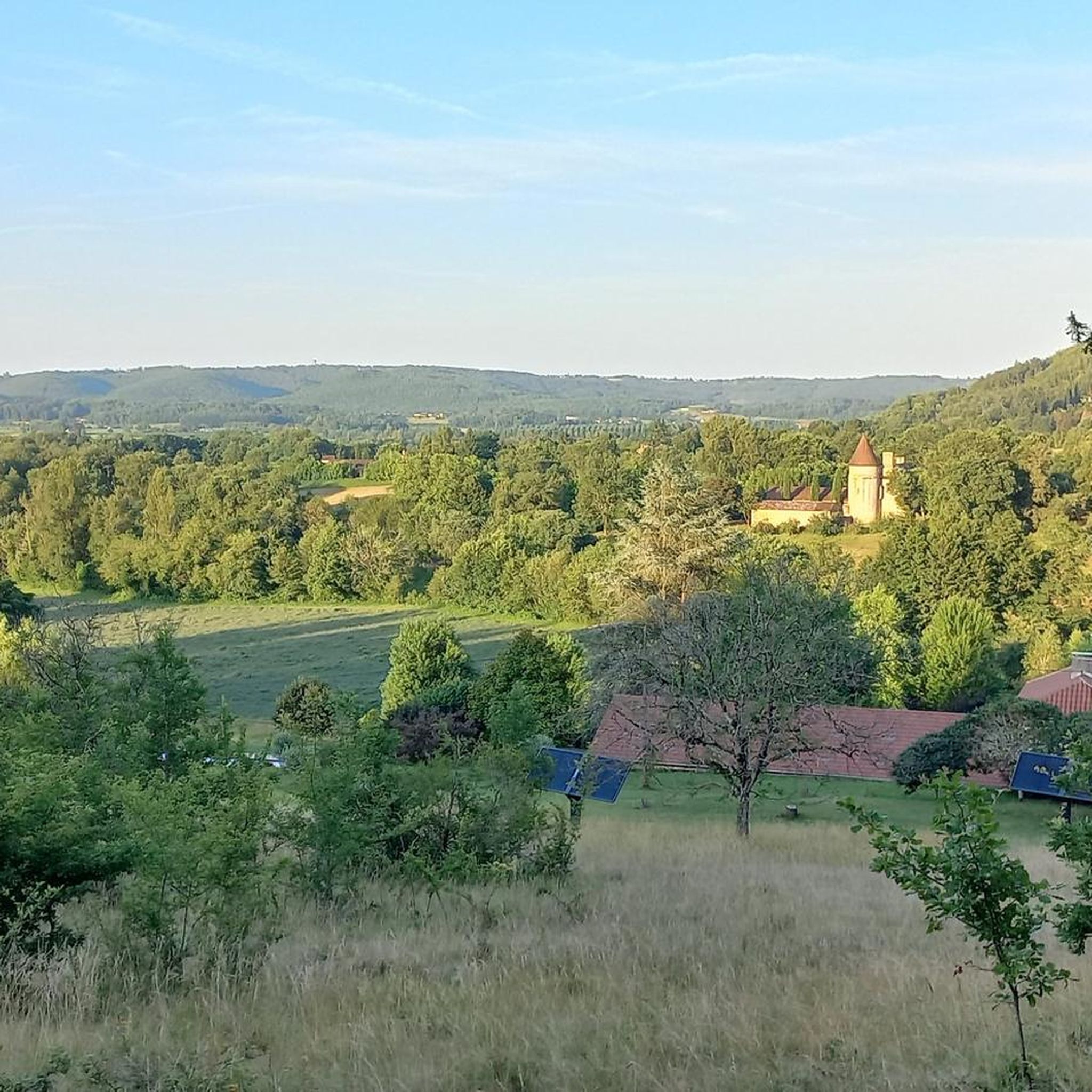
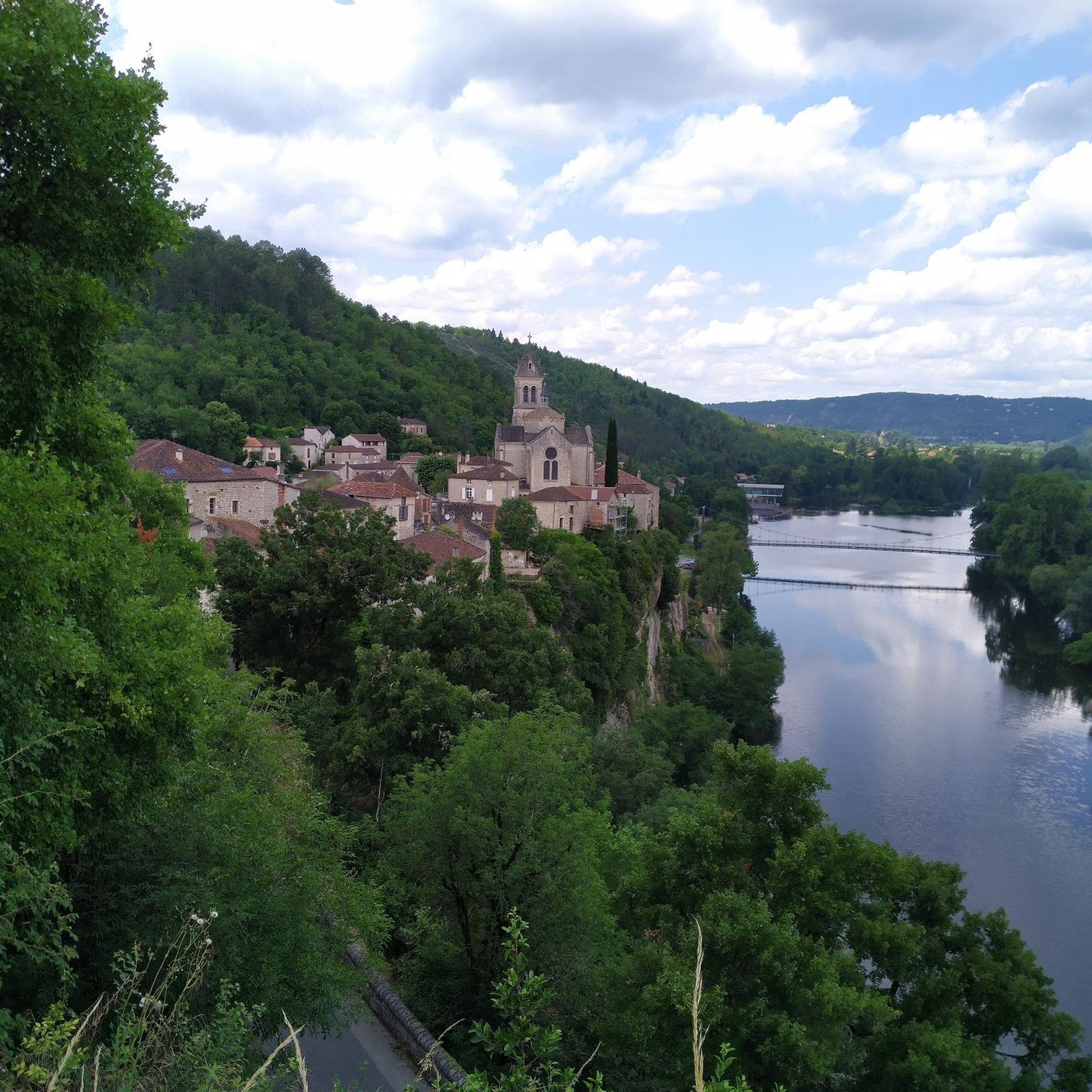
Albas, nicknamed « Albas la Jolie », is a magnificent medieval fortified village nestled in the heart of the Lot valley, in the Occitanie region. Perched on a rocky spur about 20 kilometers downstream from Cahors, the village proudly overlooks the meanders of the Lot river and the famous Cahors vineyard.
0
0
A pleasant grassy beach on the banks of the Lot, ideal for enjoying a cool and shady moment of relaxation, in the heart of this charming bastide village.
0
0
The name of the village comes from the Celtic word Puech (meaning high place) and from Guillaume de Cardaillac, count-bishop of Cahors, who took possession of the fort in 1228 during the Albigensian Crusade. The city became a highly strategic point for controlling river trade on the Lot, where wine and local goods were transported on barges.
0
0
The name of the village comes from the Celtic word Puech (meaning high place) and from Guillaume de Cardaillac, count-bishop of Cahors, who took possession of the fort in 1228 during the Albigensian Crusade. The city became a highly strategic point for controlling river trade on the Lot, where local wine and goods were transported on barges.
0
0
Crowning a 40-meter-high rocky spur, this 11th-century castle was once a stronghold of heretics and later a key bastion of the Hundred Years' War. It stands out for its unusual rock-hewn entrance and its intact 6-story, 70-meter-high keep, offering an exceptional panorama. The history of Gavaudun Castle spans nearly a millennium, marked by heresies, major medieval sieges, and strategic alliances between Périgord and Agenais.
0
0
Former pilgrimage church integrated into a Benedictine priory founded at the end of the 11th century under the authority of the abbey of Aurillac, it is mainly distinguished by the remarkable architecture of its crypt and choir. It is one of the few churches in the region to have a semi-subterranean crypt. Intended to house relics, its presence causes a visible elevation of the transept and choir. Mainly built in the 12th century, the church consists of a main nave flanked by two aisles and a transept topped by a dome on pendentives. The large interior arcades rest on columns adorned with typical Romanesque sculptures depicting mermaids, back-to-back birds, or animals with human heads. The original choir was modified or rebuilt between the 14th and 16th centuries to become larger. On the outside, its facades display a military austerity reminiscent of the defensive roles it played during regional conflicts.
0
0

A magnificent place for both partying and running... Belaye!!!
0
0
Frequently Asked Questions
What kind of terrain can I expect on road cycling routes in Puy-L'Évêque?
The region around Puy-L'Évêque offers a diverse mix of terrain. You'll find gentle, traffic-free paths along the Lot River, such as sections of the Véloroute du Lot, ideal for relaxed rides. Other routes ascend into the surrounding limestone plateaus and rolling hills, providing more challenging climbs and descents through vineyards and medieval villages. The landscape transitions from river valleys to higher ground, ensuring varied cycling experiences.
Are there road cycling routes suitable for beginners or families in Puy-L'Évêque?
Yes, Puy-L'Évêque has several routes perfect for beginners and families. The Saint Vincent Church – Voie Verte Bridge loop from Puy-l'Évêque is an easy 32.5 km trail that leads through the Lot Valley. Another accessible option is the Puy l'Évêque Town Entrance – Puy-l'Évêque Town Hall loop from Grézels, an easy 27.4 km route. These routes often feature mostly paved surfaces and minimal elevation changes, making them enjoyable for all skill levels. The presence of bike rental services, including electric bikes, further enhances accessibility.
What are some challenging road cycling routes around Puy-L'Évêque?
For cyclists seeking more significant elevation gains and longer distances, the region offers challenging options. The Place des Cornières, Monpazier – Biron Castle loop from Puy-l'Évêque is a difficult 106.7 km route with over 1300 meters of elevation gain, taking you through varied landscapes and past historical sites. These routes require good to very good fitness and offer rewarding views.
What landmarks or attractions can I see along the road cycling routes?
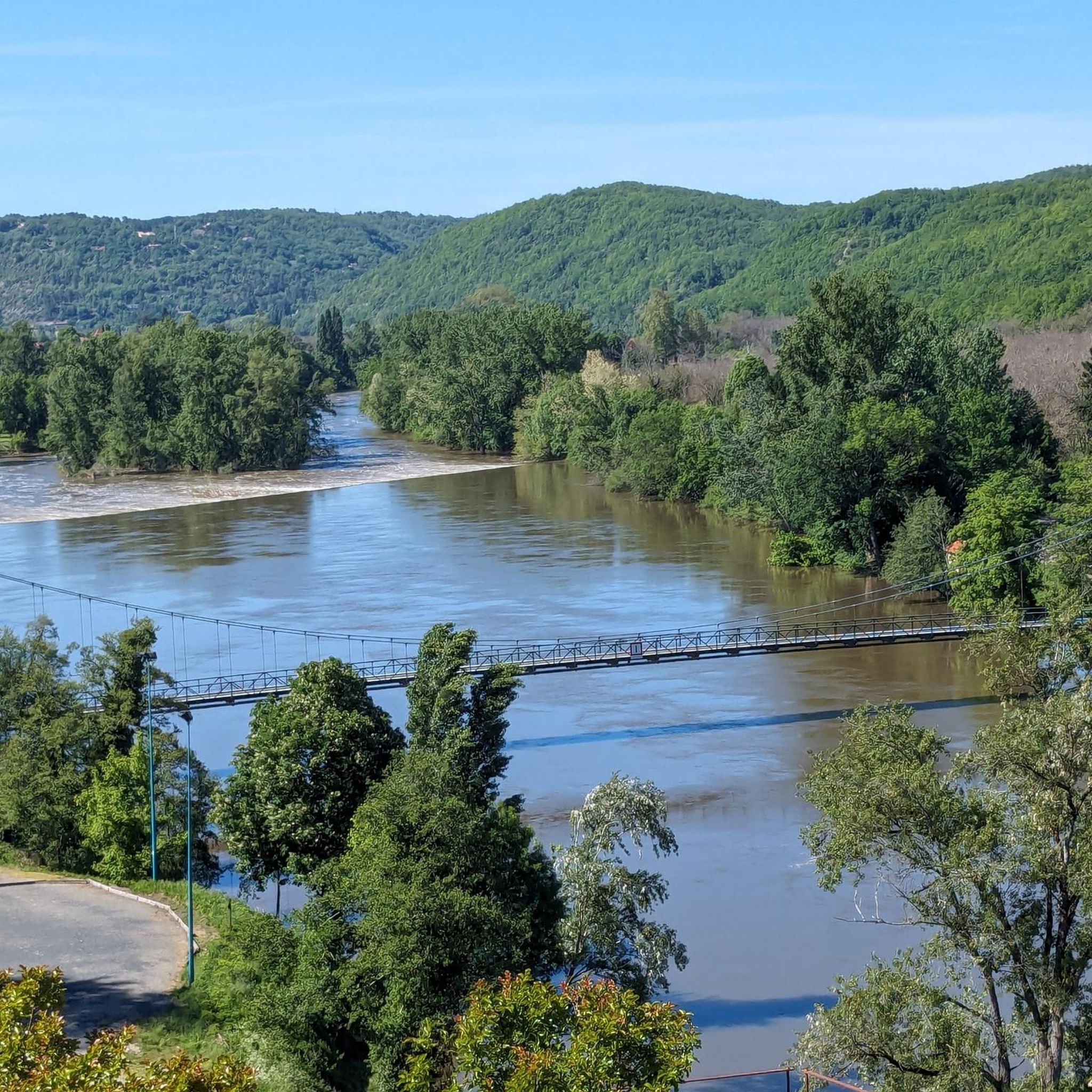
Many road cycling routes in Puy-L'Évêque offer opportunities to explore the region's rich history and natural beauty. You can cycle through the renowned Cahors vineyards, offering opportunities for wine tasting. The town of Albas and its suspension bridge are often part of routes along the Lot River. Further afield, the impressive Château de Bonaguil is about 10km from the area, and the picturesque medieval town of Puy-l'Évêque itself, with its medieval architecture and Gothic church, is a highlight.
Are there any road cycling routes that offer scenic viewpoints?
Absolutely. The region is known for its picturesque landscapes. Routes often wind through the Lot Valley, offering stunning views of the meandering Lot River, especially from elevated sections. Cycling through the Cahors vineyards provides panoramic vistas of the cultivated hillsides. The medieval town of Puy-L'Évêque, perched on a rocky outcrop, offers exceptional views of the river and surrounding countryside, which can be enjoyed from various points along the routes that pass through or near the town.
What is the best time of year for road cycling in Puy-L'Évêque?
The spring and autumn months are generally considered the best time for road cycling in Puy-L'Évêque. During these seasons, the weather is typically mild and pleasant, with comfortable temperatures for longer rides. The vineyards are particularly beautiful in autumn with their changing colors. Summer can also be enjoyable, especially in the mornings or late afternoons, though it can get quite warm in the middle of the day.
Are there any circular road cycling routes in the area?
Yes, many of the road cycling routes around Puy-L'Évêque are designed as loops, allowing you to start and finish at the same point. For instance, the popular Albas – Luzech loop from Puy-l'Évêque is a 50.7 km route that brings you back to your starting point. Another favorite is the Puy-l'Évêque Town Hall – Puy l'Évêque Town Entrance loop from Puy-l'Évêque, a 54.5 km path offering varied rural landscapes.
How many road cycling routes are available around Puy-L'Évêque?
There are over 30 road cycling routes available around Puy-L'Évêque, catering to various skill levels. This includes 4 easy routes, 20 moderate routes, and 8 difficult routes, ensuring options for everyone from casual riders to experienced cyclists.
What do other road cyclists enjoy the most about road cycling in Puy-L'Évêque?
The road cycling experience in Puy-L'Évêque is highly rated by the komoot community, with an average score of 4.4 stars from over 10 reviews. Cyclists often praise the region's varied terrain, which combines gentle riverside paths with challenging climbs, and the picturesque scenery of the Lot River and Cahors vineyards. The well-maintained routes and the opportunity to explore charming medieval villages are also frequently highlighted.
Are there opportunities for wild swimming near road cycling routes in Puy-L'Évêque?
While specific designated wild swimming spots directly adjacent to cycling routes are not explicitly detailed, the Lot River is central to many activities in the region. It offers opportunities for kayaking, paddleboarding, and pedal boating. It is possible to find accessible points along the river for a refreshing dip, especially on warmer days, but always ensure safety and respect local regulations regarding river access.
Where can I find parking for road cycling routes near Puy-L'Évêque?
Puy-L'Évêque, being a popular tourist destination, generally offers public parking options within the town and in nearby villages. For specific routes, it's advisable to check the starting points on komoot, as many routes begin from easily accessible locations where parking is available. Parking near the town center or along the Lot River is usually a good starting point for many local loops.
Are there cafes or places to stop for refreshments along the road cycling routes?
Yes, many road cycling routes in Puy-L'Évêque pass through or near charming villages and towns where you can find cafes, bakeries, and restaurants. The region's focus on vineyards also means there are opportunities for wine tasting stops. Planning your route with komoot allows you to identify these points of interest and integrate refreshment breaks into your ride, especially in towns like Puy-L'Évêque, Albas, or other smaller hamlets along the Lot River.
Most popular attractions around Puy-L'Évêque

Get inspired with the komoot mobile app


Explore more
Browse the best Road cycling routes in other regions.
