Attractions and Places To See around Nuzéjouls - Top 20
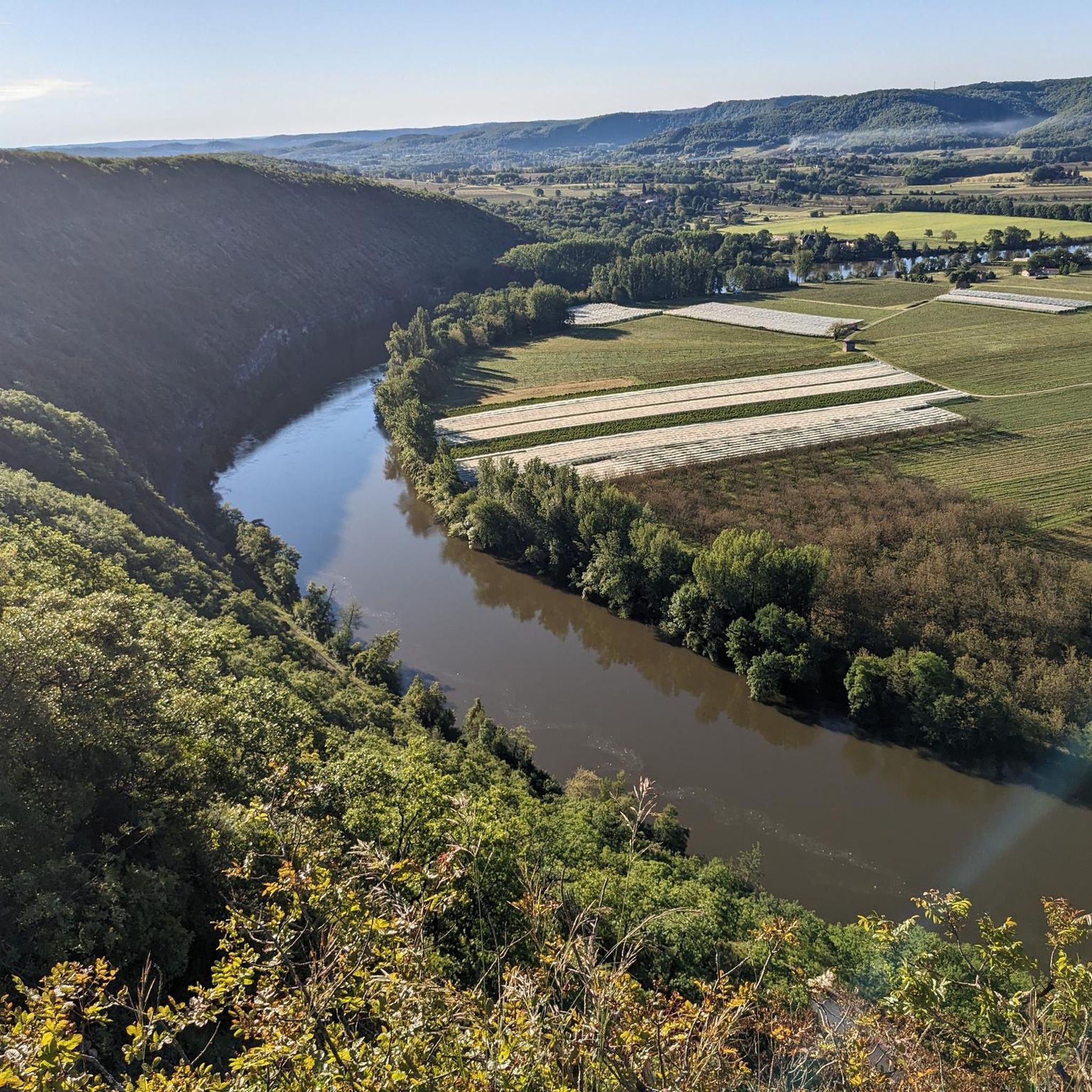
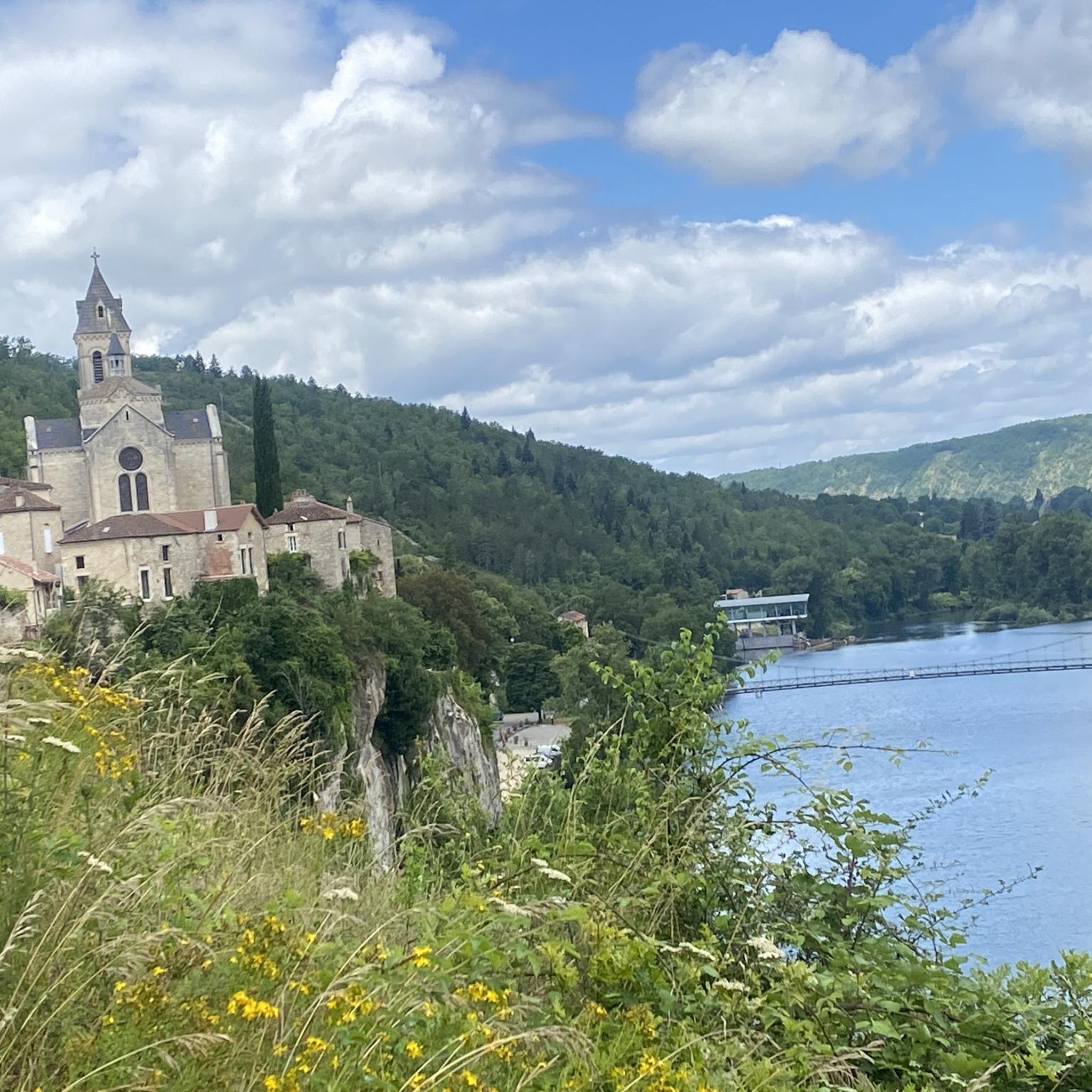
Best attractions and places to see around Nuzéjouls include a blend of historical landmarks, natural features, and cultural experiences in the Occitanie region of France. The village is characterized by its stone houses, narrow alleys, and a connection to water, with an inexhaustible spring and the Boissières stream nearby. The surrounding area offers diverse landscapes, from the picturesque Causses du Quercy to the Lot River, providing opportunities for outdoor activities and exploration.
Best attractions and places to see around Nuzéjouls
…Last updated: July 1, 2026
Valentré Bridge
Highlight • Monument
Showing Translation
Tip by

Saint Stephen's Cathedral
Highlight • Religious Site
Construction began in the late 11th century, but it is said to have taken another 400 years to complete.
Translated by Google •
Tip by

Sign up now to discover places like this
Get recommendations on the best single tracks, peaks, & plenty of other exciting outdoor places.
Sign up for free
Monument des Morts
Highlight • Other
Translated by Google •
Tip by

The Chartreux Fountain
Highlight • Natural Monument
Translated by Google •
Tip by

Cahors
Highlight • Settlement
Translated by Google •
Tip by

Sign up for free to discover even more attractions around Nuzéjouls.
Sign up for free
Already have an account?
Start today with a free account
Your next adventure awaits.
Login or Signup




Tips from the Community

Two large domes dominate the Romanesque nave. They represent the most extraordinary example of the so-called "Aquitanian" architectural style: 16 meters in diameter and 32 meters high; only the Hagia Sophia in Istanbul has a taller dome. Also noteworthy is the small, golden church of Saint-Svair, with its large statue of Emperor Charlemagne, who presented it to the church of Cahors.
2
0

Worth seeing cathedral in Cahors.
0
0

This St. Etienne Cathedral impressed us deeply again! The building dates back to the 11th century and is very unique with its two domes. Only in Perigeux is there a cathedral with similar architecture. The special feature is the Saint Coiffe, a fabric relic in which the veil of Jesus from the tomb is venerated. In one dome you can see frescoes of saints, in the middle of St. Stephen, the first martyr of the Christians in Jerusalem. During our visit (September 2024), pictures by the late impressionist painter Henri Martin were projected onto the other gray dome. It is worth spending some time in the cathedral!
1
0

My personal highlight is Point Valentré. https://de.wikipedia.org/wiki/Cahors https://maps.app.goo.gl/u1Tjd348bKiTPbon7?g_st=ic
2
1

From the 1st century BC to the 1st century AD, the Fontaine des Chartreux was a center of worship of Divona, goddess of the waters in the Celtic tradition, as evidenced by the Roman coins found during archaeological explorations in 1989. In the Middle Ages, a mill used the waters of the spring: the spring was ceded to the Charterhouse of Cahors and was known thereafter by the name of this religious order. In the 19th century, some of the stones lining the pool were replaced by tombstones from the church of Notre Dame de la Daurade, destroyed in 1808. Since 1853, when the Cabazat pumping station (now Maison de l'Eau) was put into operation, this Vauclusian spring, whose depth of 137 meters acts as a real filtering system, supplies the town with drinking water. From 1926, electric pumps were installed in this building, right next to the Fontaine des Chartreux, and this is still the pumping station today. The water is pumped into reservoirs hollowed out of the cliffs and then through pipes laid under the
0
0

We recommend going in once. From here you can explore the city centrally.
0
0

Komoot shows this section as Off Grid. However, the path is well marked and easy to walk on.
1
0

As a memorial to the many dead, such memorials or war memorials are still very important today. "Now, Lord, let your servant go in peace, as you said." However, the people who are commemorated here did not divorce in peace, but became victims of war and tyranny. Therefore, in the meantime, the term "fallen memorial" is sometimes used in the German-speaking area instead of the "war memorial" that was usually used in the past. In the French-speaking world, this aspect of commemorating the dead has long been included in the most commonly used term "MONUMENT AUX MORTS".
2
0
Frequently Asked Questions
What historical sites can I explore in and around Nuzéjouls?
Nuzéjouls and its surroundings are rich in history. Within the village, you can visit the historical Romanesque Église Saint-Pierre-ès-Liens with its 12th-century bell tower, or the renovated Église Saint-Martin de Nuzéjouls. The village itself, with its charming streets, stone houses, and narrow alleys, offers a glimpse into local heritage. Nearby, the city of Cahors features the iconic Valentré Bridge, a medieval fortified bridge, and the unique Saint Stephen's Cathedral. You can also explore Luzech, a historical town nestled in the Cahors vineyard, featuring ancient ruins.
Are there natural attractions or features to visit near Nuzéjouls?
Absolutely. The region boasts diverse natural beauty. You can explore the breathtaking landscapes of the Causses du Quercy, known for its hiking trails. The village of Nuzéjouls is built around water, with an inexhaustible spring and the Boissières stream nearby. The Lot River offers scenic views and activities like kayaking. For stunning panoramic views, consider catching the sunset at Mont Saint-Cirq. The Causse de Gramat also provides serene natural surroundings for relaxation and picnicking. Don't miss the natural wonders like Gouffre des Vitarelles, Gouffre de Padirac, and Grottes de Lacave for an underground adventure.
What outdoor activities are available around Nuzéjouls?
The Nuzéjouls area is perfect for outdoor enthusiasts. You can embark on the marked hiking circuit "Circuit des Eaux Secrètes" which starts in Nuzéjouls. The Causses du Quercy offers numerous hiking experiences. For cyclists, there are various routes available, including road cycling and gravel biking. You can find detailed routes and guides for Road Cycling, Gravel Biking, and MTB Trails around Nuzéjouls. The Lot River also provides opportunities for kayaking and fishing.
Are there family-friendly attractions in the Nuzéjouls area?
Yes, several attractions are suitable for families. Exploring the charming village of Nuzéjouls itself is a pleasant activity. The Valentré Bridge and Saint Stephen's Cathedral in Cahors are historical sites that can engage older children. The natural sites like the Gouffre de Padirac and Grottes de Lacave offer exciting underground explorations. Gentle walks along the Lot River or through local vineyards can also be enjoyable for families.
Where can I go hiking near Nuzéjouls?
Nuzéjouls is an excellent base for hiking. The "Circuit des Eaux Secrètes" is a marked hiking trail that begins right in the village, showcasing natural beauty and rural heritage. The wider Causses du Quercy region provides extensive hiking experiences, with trails ranging from easy walks to more challenging routes. You can find various hiking options and detailed routes in the guides for the Nuzéjouls area.
What are some unique cultural experiences in Nuzéjouls?
Beyond historical sites, Nuzéjouls offers authentic cultural experiences. You can visit the local market to sample fresh produce and find unique handmade souvenirs. The Église Saint-Martin de Nuzéjouls hosts traditional music concerts annually. Exploring the quaint streets of Nuzéjouls, with its stone houses and vibrant gardens, provides a genuine taste of local life. Wine-tasting at local vineyards, known for the Vin de Cahors, is another delightful cultural experience.
Can I find any hidden gems or less-known spots around Nuzéjouls?
Nuzéjouls itself, with its quiet charm and connection to water, can feel like a hidden gem. The Moulin de Boisse, a beautifully preserved windmill, offers a pleasant and less-crowded visit. The "Circuit des Eaux Secrètes" hiking path reveals natural beauty and small rural heritage often overlooked. For a significant nearby 'hidden gem,' consider Rocamadour, a stunning cliffside village and a "Grand Site de France" that offers a unique experience.
What are the options for cycling around Nuzéjouls?
The area around Nuzéjouls is well-suited for cycling. You can enjoy biking through the serene paths amidst the local vineyards. For more structured rides, there are numerous routes for different cycling styles. Explore Road Cycling Routes, Gravel Biking Routes, and MTB Trails, with options ranging from easy loops like "Luzech – Luzech loop from Espère" to more challenging rides.
What are some notable religious buildings in the Nuzéjouls area?
In Nuzéjouls, you can visit the historical Église Saint-Pierre-ès-Liens, known for its 12th-century Romanesque bell tower, and the Église Saint-Martin de Nuzéjouls. A short drive away in Cahors, the Saint Stephen's Cathedral is a significant religious building with a unique architectural blend, featuring Byzantine-like domes and a facade that reflects centuries of modifications.
Are there any day trips I can take from Nuzéjouls?
Yes, Nuzéjouls is conveniently located for several excellent day trips. The city of Cahors, a short drive away, offers the iconic Valentré Bridge and Saint Stephen's Cathedral. Rocamadour, a stunning pilgrimage site built into a cliff, is another highly recommended destination. For natural wonders, consider visiting the Gouffre de Padirac or the Grottes de Lacave for impressive underground cave systems.
What is the best time of year to visit Nuzéjouls?
The Occitanie region generally enjoys pleasant weather, making spring (April-June) and autumn (September-October) ideal for visiting Nuzéjouls. During these seasons, the temperatures are mild, perfect for outdoor activities like hiking and cycling, and the landscapes are particularly beautiful. Summer (July-August) is also popular, especially for river activities, though it can be warmer. Winter offers a quieter experience, with opportunities for peaceful walks.
Where can I experience local cuisine or markets?
To experience local cuisine and culture, visit the local market in Nuzéjouls. Here, you can find fresh produce and regional specialties. The area is also renowned for its Vin de Cahors, so indulging in wine-tasting experiences at one of the local vineyards is a must. Many charming cafes and restaurants in Nuzéjouls and nearby villages offer traditional Occitan dishes.
Are there any water-related attractions or activities?
Nuzéjouls has a strong connection to water, with an inexhaustible spring and the Boissières stream. The Lot River is a major draw, offering gourmet cruises, kayaking, and fishing. You can also visit The Chartreux Fountain, a historical spring in Cahors that has supplied the town with drinking water for centuries and was once a center of worship. The "Circuit des Eaux Secrètes" hiking trail also highlights the region's natural water features.
Most popular routes around Nuzéjouls
Most popular attractions around Nuzéjouls

Get inspired with the komoot mobile app


Explore more
Still not found the Highlight you’re looking for? See guides of the top attractions in other regions:
