Attractions and Places To See around Chevanceaux - Top 13
Attractions and places to see around Chevanceaux include historical sites, natural features, and dedicated greenways. This commune in Charente-Maritime, France, is situated near the Lary river and offers a mix of local landmarks and accessible regional points of interest. The area features diverse landscapes, from shaded paths to bodies of water, providing options for outdoor activities.
Best attractions and places to see around Chevanceaux
- The most popular attractions is La voie verte, a cycle way that offers a paved…
Last updated: May 10, 2026
La voie verte
Highlight (Segment) • Cycleway
Surprising but …
Translated by Google •
Tip by

Blue Lake of Touvérac
Highlight • Lake
Translated by Google •
Tip by

Sign up now to discover places like this
Get recommendations on the best single tracks, peaks, & plenty of other exciting outdoor places.
Sign up for free
Voie verte de 21,5 kilomètres
Highlight • Cycleway
Translated by Google •
Tip by

An abbey turned parish church
Highlight • Other
Translated by Google •
Tip by
View of one of the Guizengeard ponds
Highlight • Lake
Translated by Google •
Tip by

Sign up for free to discover even more attractions around Chevanceaux.
Sign up for free
Already have an account?
Start today with a free account
Your next adventure awaits.
Login or Signup
Tips from the Community

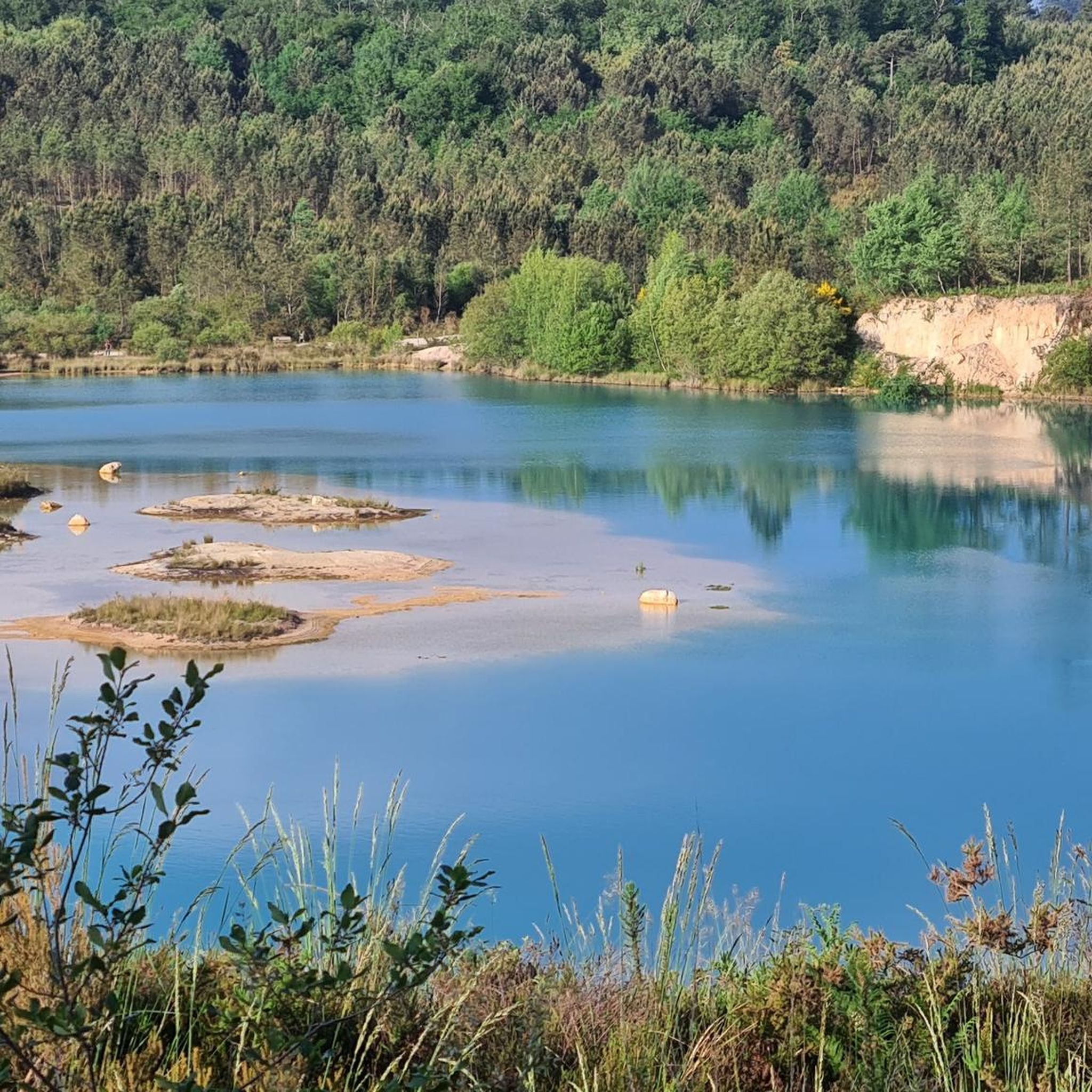
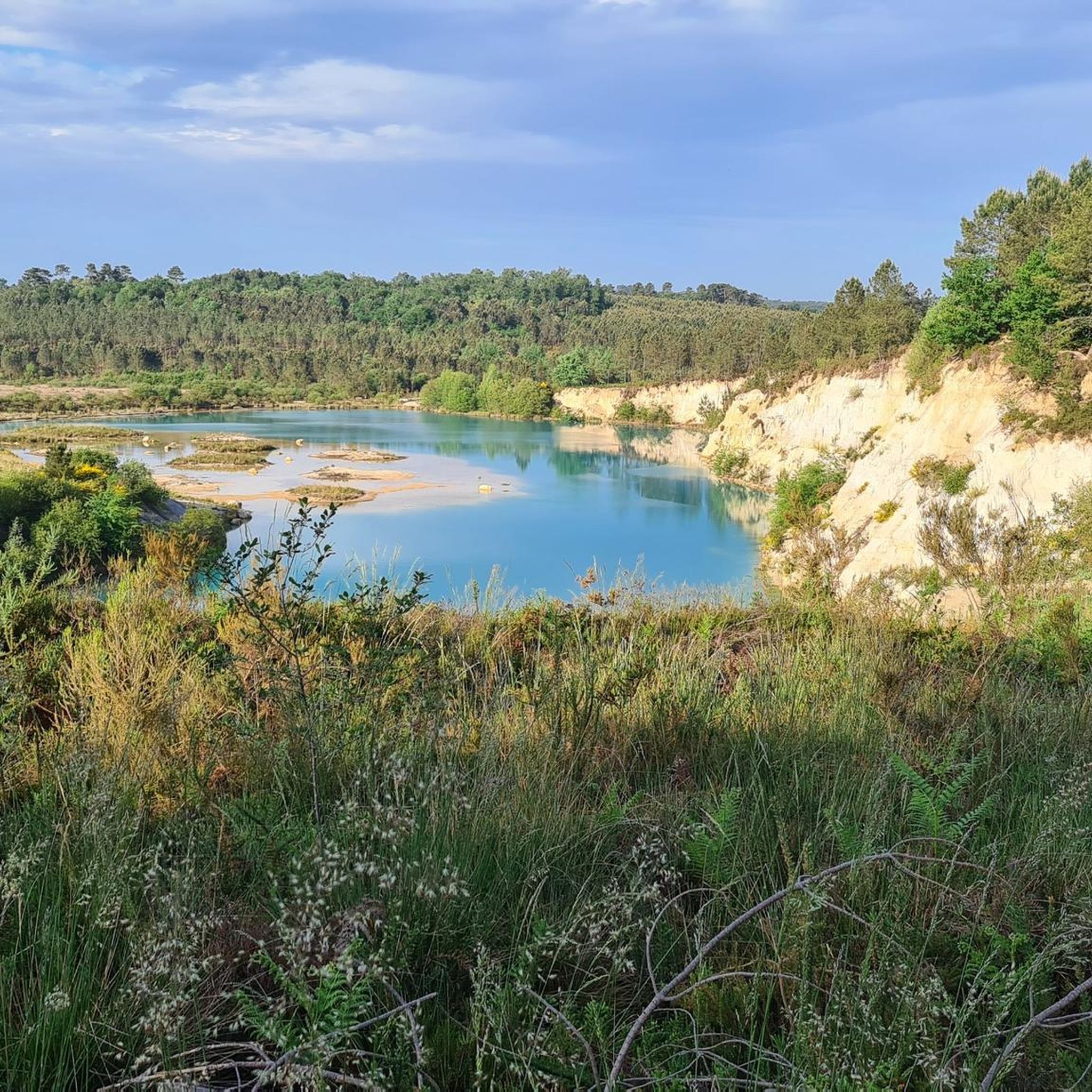
Artificial natural site formed by the exploitation of a clay quarry
2
0

The 21.5-kilometre greenway linking Châteauneuf-sur-Charente to Saint-Mariens Saint Yzan offers a nature getaway through the picturesque landscapes of Charente. This route, perfectly designed for cyclists, winds between vineyards, forests and fields
2
0

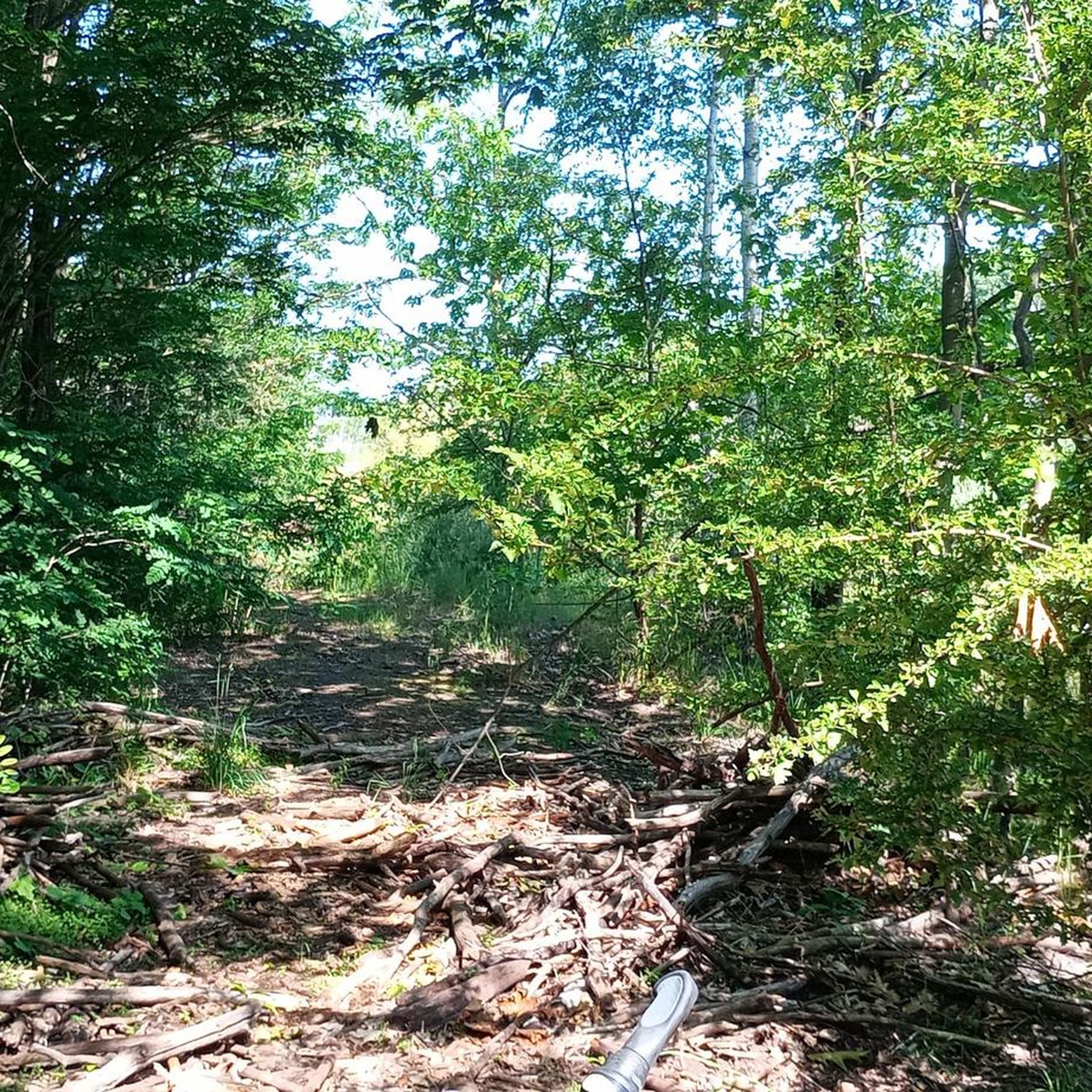
You have to be very careful with the roots of the acacias which lift the bitumen in places as well as the thorns of these trees. Otherwise very pleasant.
0
0
Consider deviating from the cycle path for a few minutes. Church your real the detour
1
0

The trail offers a beautiful view of the blue lake of Guizengard. The water takes on a thousand azure hues, creating an almost unreal setting. The site has great ecological value with the presence of numerous plant and animal species. Among the most remarkable, the bee-eater, this beautiful, brightly colored bird has found refuge here to the delight of walkers.
0
0

Some sections of the track are damaged by tree roots and dangerous on a road bike. I often prefer to go by road.
1
0

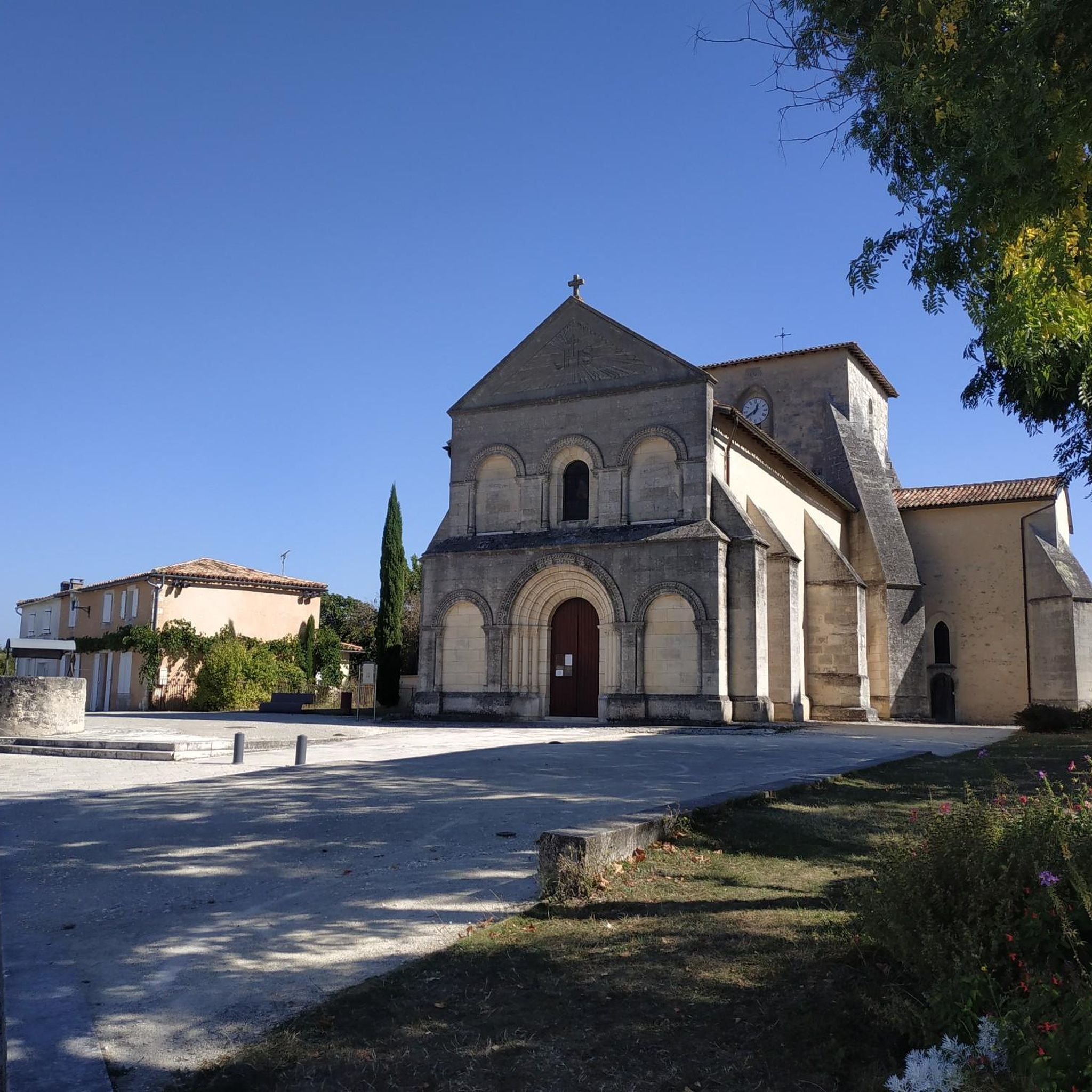
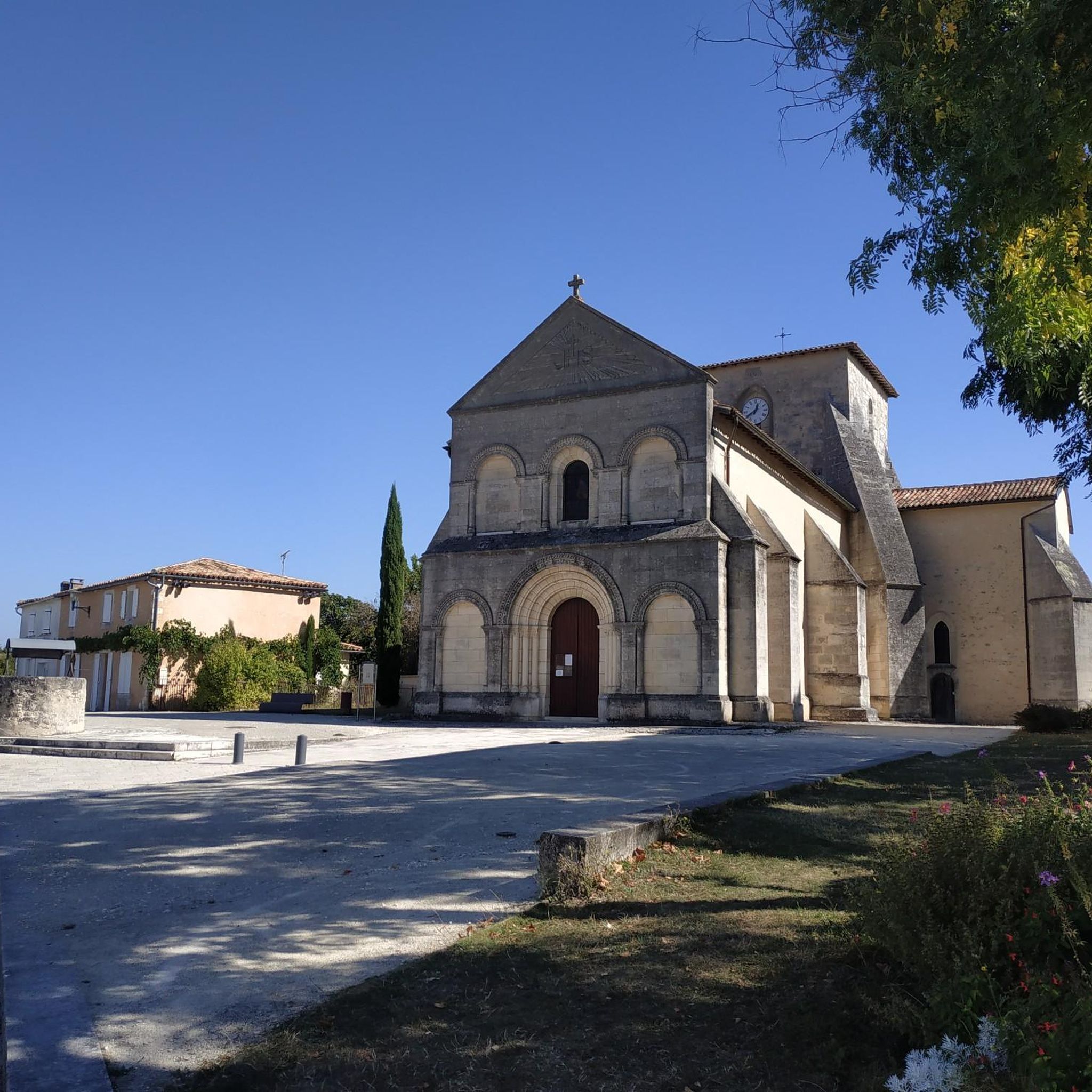
The church is in the form of a rectangle thirty meters long and ten meters wide, flanked by 4 buttresses, one of which is located on the north wing and the 3 others on the south wing, a bell tower and a small extension on the south west part housing a chapel dedicated to the Virgin Massive building, reinforced by buttresses, low and poorly lit, it has a facade with a Romanesque portal surmounted by a large rose window. This gate is made up of 2 straight legs, and a projecting coving made up of 3 semicircular rollers with a keystone. The oculus rose is surrounded by a frieze with a sawtooth motif. The porch opens onto a single nave 22 m long by 9 wide without side aisles. It is made up of 4 bays with semi-circular vaults. The south wall is pierced under the 1st bay with a large semi-circular arch giving access to the chapel. The north wall has a pulpit which bears a monogram which would be that of Louis XIV. The choir of the church, raised from the nave by 3 steps, consists of a flat chevet and a span of semi-circular vaults. The bedside wall is pierced at each end with a rectangular door allowing access to the sacristy. The old sacristy has just been refurbished and has a very modern look with paneling on the floor and ceiling. The chapel of the Virgin is located on the southern extension of the church. It measures 13.50 m long by 7 wide, and consists of a small single nave 10 m long by 7 wide and a choir with a flat apse. The floor of this chapel is 1.25 m lower than the floor of the church corresponding to the initial floor of the old abbey. Access to the bell tower is through a door located on the east wall of the nave of the chapel. It consists of 4 floors and a vaulted ground floor. The facing is made up of medium-sized cut stone for the ground floor and the 1st floor and rubble stone coated with brown lime for the 2nd and 3rd floors.
0
0

Remains of old white clay quarries, these blue lakes constitute a locally protected habitat with its flaura and forna. You have to go slowly and leave no traces. Swimming is prohibited in these lakes.
2
0
Frequently Asked Questions
What are the main outdoor activities available around Chevanceaux?
The region around Chevanceaux is ideal for cycling and walking. You can explore the La voie verte, a 35 km paved cycle path suitable for bikes, rollerblades, and walking. Another excellent option is the Voie verte de 21,5 kilomètres, which winds through vineyards, forests, and fields. For more specific routes, you can find various cycling routes and running trails in the area.
Are there any historical sites to visit in Chevanceaux?
Yes, Chevanceaux and its surroundings offer several historical points of interest. Within the commune, you can find the historic Le Château de Chaux, situated on the Lary river, with parts dating back to 1625. The Eglise Saint Pierre Chevanceaux is also an important religious monument. Nearby, consider visiting An abbey turned parish church in Baignes, which has a rich history dating back to the 11th century.
What natural features can I explore near Chevanceaux?
Nature lovers will appreciate the diverse landscapes. The Blue Lake of Touvérac, formed from old white clay quarries, is a locally protected habitat known for its unique flora and fauna and offers scenic views. Another beautiful spot is the View of one of the Guizengeard ponds, an artificial natural site with ecological value, where you might spot birds like the bee-eater. The Plan d'eau in Chevanceaux is also a popular spot for fishing and enjoying the outdoors.
Are there family-friendly activities or trails around Chevanceaux?
Absolutely. The La voie verte is a fully paved and secure greenway, perfect for family cycling, rollerblading, or walking, with picnic areas available. The Plan d'eau in Chevanceaux offers picnic facilities and is a starting point for easy hikes. The Safari Parc, a short drive away, provides an exciting opportunity to observe wild animals in their natural habitat from a 4x4, which is a great experience for families.
Where can I go for a leisurely walk or an easy hike?
For easy walks, the Voie Verte de Haute Saintonge, starting in Chevanceaux, offers a shaded, paved, and secure path. The Plan d'eau also serves as a starting point for gentle hikes. If you're looking for an easy running trail, the 'Blue Ponds of Guizengeard loop from Guizengeard' is an easy 3.3 km option, as detailed in the Running Trails around Chevanceaux guide.
What are some unique landmarks or hidden gems in the Chevanceaux area?
Beyond the main attractions, Chevanceaux holds a few unique spots. The Le Moulin de Barry (Barry Mill) is an iconic windmill that stands as a historical landmark. The Sophora du Japon Place de l'Eglise, a remarkable Japanese Pagoda Tree in the Church Square, is noted for its natural beauty. For a glimpse into ancient history, the partially collapsed Dolmen de Saint-Palais-de-Négrignac is just 4.2 km away.
Can I go swimming in the Blue Lake of Touvérac or other natural water bodies?
While the Blue Lake of Touvérac is beautiful and offers scenic views, swimming is strictly prohibited as it is a locally protected habitat. The Plan d'eau in Chevanceaux is primarily for fishing and outdoor meals, not swimming.
Are there any specific cycling routes recommended for road bikes or touring bikes?
Yes, the area offers various cycling routes. For road cycling, you can find options like the 'Blue Lake of Touvérac – Saint-Médard Church loop from Touvérac' or the 'Roadbike loop from Touvérac' in the Road Cycling Routes around Chevanceaux guide. For touring bikes, the 'La voie verte – Voie verte de 21,5 kilomètres loop from Chevanceaux' is a moderate 65.5 km route, among others listed in the Cycling around Chevanceaux guide.
What is the best time of year to visit Chevanceaux for outdoor activities?
The region is generally pleasant for outdoor activities from spring through autumn. The Safari Parc is open from April to October, making these months ideal for wildlife viewing. The greenways, like the Voie Verte de Haute Saintonge, are enjoyable during warmer months, offering shaded paths. Summer provides opportunities for outdoor meals and musical evenings at the Plan d'eau.
What are some notable towns or villages near Chevanceaux worth visiting?
Several charming locations are within a short drive. Aubeterre-sur-Dronne, approximately 32 km away, is ranked among 'the most beautiful villages in France' and is famous for its monolithic church. Pons, about 39 km away, features the ancient Hôpital des Pèlerins, a significant monument on French pilgrim routes. The town of Blaye, also around 39 km distant, is known for its extensive citadel and fortifications designed by Vauban.
Are there facilities for equestrian tourism in Chevanceaux?
Yes, Chevanceaux is part of a regional initiative to facilitate equestrian tourism. It features a dedicated Halte Équestre (equestrian stop) with amenities such as a shelter, horse tie-up bars, a picnic table, and a bin, making it convenient for those exploring the area on horseback.
What kind of wildlife can be spotted in the natural areas around Chevanceaux?
The natural sites around Chevanceaux are home to diverse wildlife. At the Guizengeard ponds, you might spot the brightly colored bee-eater, among other plant and animal species. The Safari Parc offers the chance to observe larger wild animals like deer, fallow deer, mouflons, roe deer, and wild boars in their natural habitat.
Most popular routes around Chevanceaux

Get inspired with the komoot mobile app


Explore more
Still not found the Highlight you’re looking for? See guides of the top attractions in other regions:
