The best road cycling routes around Nancras
4.5
(25)
635
riders
73
rides
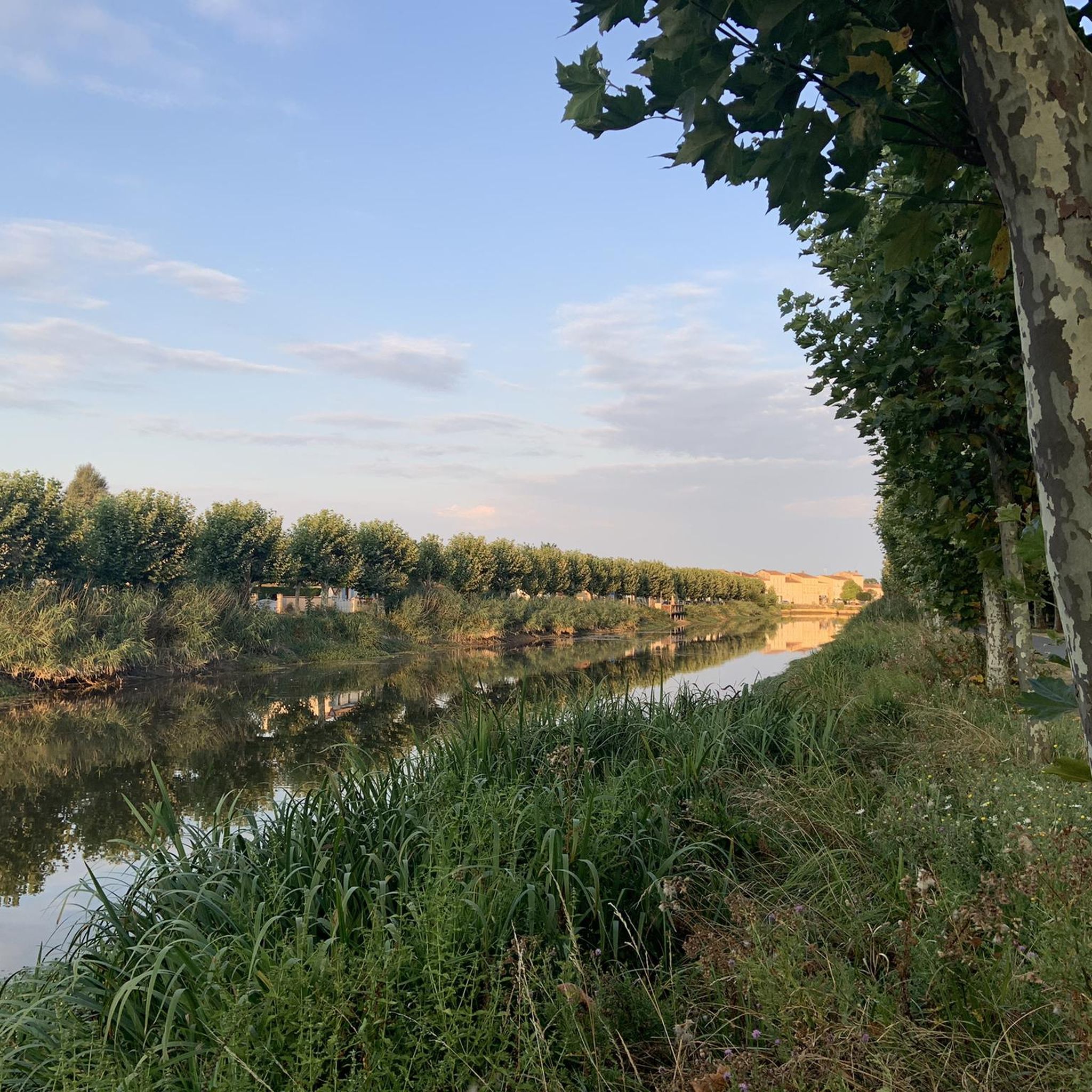
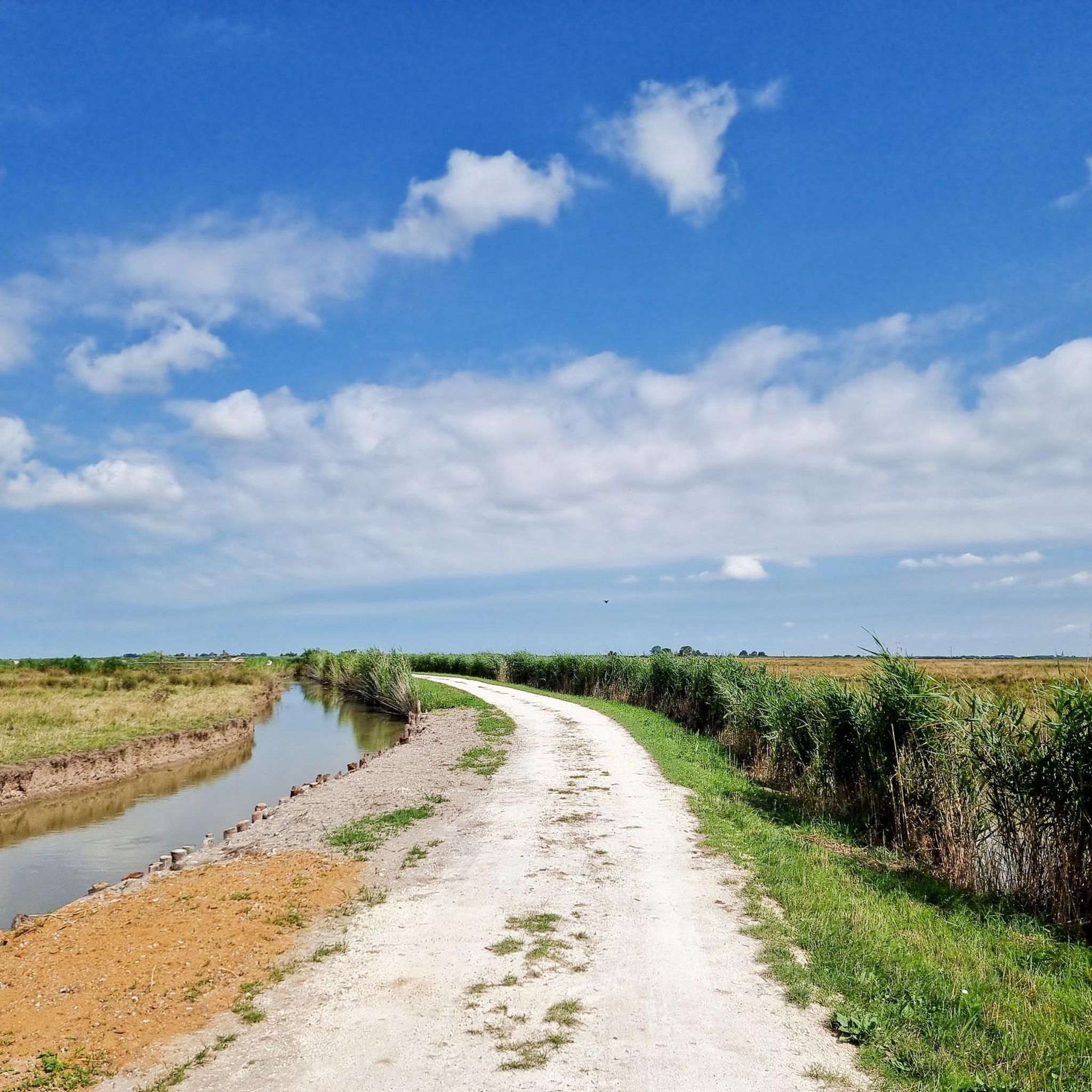
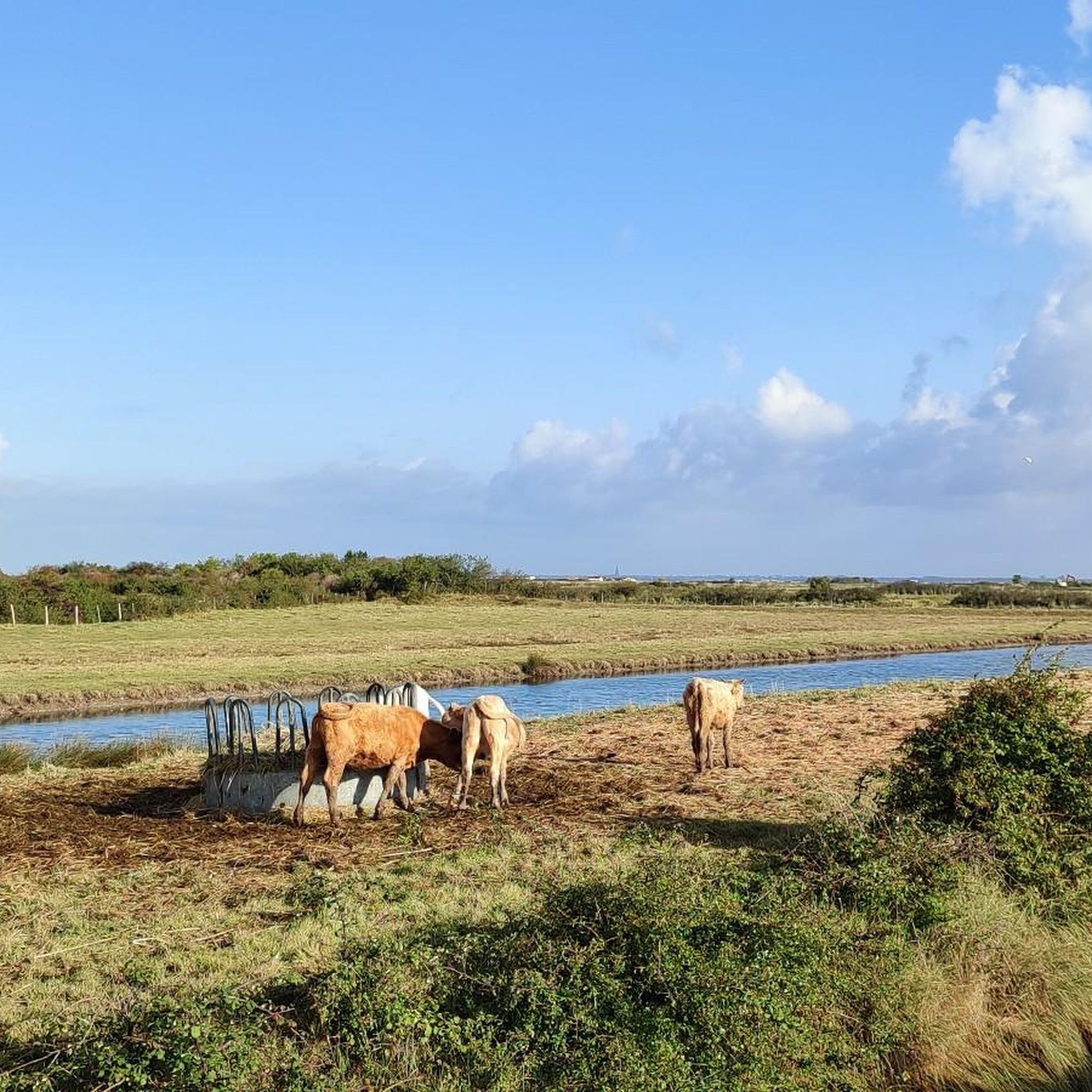
Road cycling routes around Nancras traverse a landscape characterized by flat plains and gentle, rolling terrain, typical of the Charente-Maritime region. The area features a network of quiet country roads passing through agricultural fields, small villages, and historical sites. Elevation gains are generally low, making it suitable for various fitness levels.
Best road cycling routes around Nancras
- The most popular road cycling route is Terre-Nègre Lighthouse – The market halls in Mornac-sur-Seudre loop from Sainte-Gemme - Ferme de Magné,…
Last updated: July 3, 2026
16
riders
Moderate road ride. Good fitness required. Mostly well-paved surfaces and easy to ride.
18
riders
9.59km
00:28
30m
30m
Easy road ride. Great for any fitness level. Mostly well-paved surfaces and easy to ride.

Sign up for free
5.0
(1)
13
riders
Moderate road ride. Good fitness required. Mostly well-paved surfaces and easy to ride.
15
riders
39.3km
01:33
110m
110m
Easy road ride. Great for any fitness level. Mostly well-paved surfaces and easy to ride.
12
riders
Moderate road ride. Good fitness required. Mostly well-paved surfaces and easy to ride.
Get access to more routes and recommendations from other explorers.
Sign up for free
Already have an account?
Our route recommendations are based on thousands of hikes, rides, and runs completed by other people on komoot.
Start today with a free account
Your next adventure awaits.
Login or Signup

Tips from the Community

Here you'll find a romantic little lighthouse, and behind it lies a garden with a bench overlooking the sea, a lovely place to stop for a break. Afterwards, you can continue along the cliff to the right until you reach Euro Velo 1 again.
0
0

Perfect beachside bike trail along the boulevard, with several rest stops with seating and beach acces.
0
0

On the beach of Royan (20,000 inhabitants). This is where the boat that takes you across the Gironde docks/departs.
0
0

The Terre-Nègre lighthouse is a landmark forming a cylindrical tower a little over 26 meters high. Located on the tip of Terre-Nègre, in the commune of Saint-Palais-sur-Mer, in Charente-Maritime, it is intended to mark the southern pass of the Gironde estuary and to signal the presence of a dangerous sandbank, the "Anglais bar". This building forms a tower-column 3.16 meters in diameter and 26.60 meters high. A spiral staircase with a central core of 143 steps leads to a summit platform equipped with a directional light. The tower is painted in two different colors to make it more visible: the upper part is red, the lower part is white. The base of the lighthouse is hidden by a building that once served as the keeper's accommodation. The installation of a beacon at this location was considered as early as 1763. De Kearney took over the beaconing plan four years later. Construction work on the tower began in 1770 and was completed in 1773, probably under the supervision of the Bordeaux engineer Claude Tardy. In 1807, the tower was raised. However, this work was considered insufficient by some of the estuary's navigators. In 1834, sailors from the nearby port of Royan sent a request to the Ministry of the Navy to study the possibility of equipping the tower with a light. However, this request was postponed the following year due to lack of sufficient funds. A new request from sailors prompted the lighthouse commission to experiment with a first light in 1836. Finally, on October 15, 1838, a fixed white 4th order light was permanently installed. The latter was replaced in 1856 by a fixed white light of the 4th order of a small dioptric model with a reinforced sector of the 5th order catoptric. It was equipped with new lights in 1899 and 1904. In 1939, it was electrified. During the German occupation, the lighthouse served as an observatory for the soldiers of the Wehrmacht. Damaged during the fighting of 1945 (presence of breaches at the top of the tower), it was restored in the immediate post-war period. In March 1947, the lighthouse was operational again. A light with 3 occultations — changing every 12 seconds — was installed. Its colors are white, red and green. Its current range is 18 miles. Listed as a Historic Monument since 2011, the lighthouse is not open to visitors. However, it can be admired from the outside and a pretty passage provides direct access to the coastal path.
0
0

Along the Oysterfields, This is France at its best (when the sun shines!)
0
0
Don't count on making speed here - this is a very busy place in Summer, but always nice things to see.
0
0


The Abbaye-aux-Dames is built around the church of Sainte-Marie, built in the twelfth century. Famous for its facade and its characteristic "pinecone" bell tower, it is one of the emblematic monuments of Saintonge's Romanesque art. After several wars and fires, the place was restored in the 1970s and 1980s and is now a hotel. When you walk through the long corridors you feel like you have been transported back to the time when the abbey was still alive.
4
0
Frequently Asked Questions
How many road cycling routes are available around Nancras?
There are over 70 road cycling routes around Nancras, offering a variety of experiences. These include 37 easy routes and 33 moderate routes, catering to different skill levels.
What kind of terrain can I expect when road cycling in Nancras?
The Nancras area, typical of the Charente-Maritime region, features flat plains and gentle, rolling terrain. You'll find quiet country roads passing through agricultural fields, small villages, and historical sites, with generally low elevation gains.
Are there easy road cycling routes suitable for beginners in Nancras?
Yes, Nancras is very welcoming for beginners. There are 37 easy routes available. A good option for an easy ride is the Sablonceaux Abbey – Too bō loop from Sablonceaux, which is just under 10 km with minimal elevation gain.
What are some popular moderate road cycling routes in the Nancras region?
For a moderate challenge, consider the Terre-Nègre Lighthouse – The market halls in Mornac-sur-Seudre loop from Sainte-Gemme - Ferme de Magné, a 70 km route offering coastal views and passage through market towns. Another popular choice is the Saint Saturnin of Séchaud – Cathedral of Saintes loop from Corme-Royal, which explores historical landmarks over 54 km.
Are there any challenging or advanced road cycling routes in Nancras?
The road cycling routes around Nancras are primarily categorized as easy or moderate, with no routes specifically designated as difficult. The terrain is generally flat to gently rolling, making it more suitable for relaxed rides or those looking for less strenuous cycling.
What historical sites or landmarks can I see along the road cycling routes?
Many routes pass through historical villages and near notable landmarks. For instance, the Trizay Abbey – Porche de Pont l'Abbé loop from Cadeuil takes you past the historic Trizay Abbey. You can also find attractions like the Saint-Romain Church of Saint-Romain-de-Benet or the Maison Forte of Pisany near some routes.
Are the road cycling routes in Nancras typically loop trails?
Yes, many of the road cycling routes around Nancras are designed as loops, allowing you to start and finish at the same point. This is convenient for planning your ride, especially if you're driving to a starting point.
What do other road cyclists say about cycling in Nancras?
The road cycling experience in Nancras is highly rated by the komoot community, with an average score of 4.4 stars from over 30 reviews. Cyclists often praise the quiet country roads, the charming agricultural landscapes, and the historical architecture found along the routes.
What is the best time of year to go road cycling in Nancras?
Given the mild climate of the Charente-Maritime region, spring (April-June) and early autumn (September-October) are generally ideal for road cycling in Nancras. The weather is typically pleasant, and the landscapes are vibrant. Summer can also be enjoyable, though it may be warmer.
Are there any routes that offer scenic views or coastal glimpses?
Yes, some routes provide scenic views, particularly those heading towards the coast. The Terre-Nègre Lighthouse – The market halls in Mornac-sur-Seudre loop from Sainte-Gemme - Ferme de Magné offers views towards the coast and through picturesque market towns, showcasing the diverse scenery of the region.
Can I find routes that pass through villages with amenities like cafes?
While specific cafe locations aren't detailed for every route, many of the road cycling paths in Nancras connect or pass through small villages and market towns. These often provide opportunities to stop for refreshments or to explore local markets, especially on longer routes like the Church of Le Gua in Aubin loop from Le Gua.
Most popular attractions around Nancras

Get inspired with the komoot mobile app


Explore more
Browse the best Road cycling routes in other regions.
