Attractions and Places To See around Romegoux - Top 20
Best attractions and places to see around Romegoux include historical landmarks and cultural sites within the Charente-Maritime department of France. The commune is situated on remnants of a Gallo-Roman agricultural complex, indicating a rich historical past. Visitors can explore ancient quarries, historic mills, and significant religious buildings. The area offers a blend of historical and natural points of interest.
Best attractions and places to see around Romegoux
- The most popular attractions is Crazannes Castle, a castle built in the…
Last updated: May 21, 2026
Crazannes Castle
Highlight • Castle
Translated by Google •
Tip by

Tonnay-Charente Suspension Bridge
Highlight • Bridge
Translated by Google •
Tip by

Sign up now to discover places like this
Get recommendations on the best single tracks, peaks, & plenty of other exciting outdoor places.
Sign up for free
Sainte-Madeleine Church of Crazannes
Highlight • Religious Site
Translated by Google •
Tip by

Saint-Savinien Church and Statues of the Apostles
Highlight • Religious Site
Translated by Google •
Tip by
Saint Sulpice Church, Saint-Sulpice-d'Arnoult
Highlight • Religious Site
Tip by
Sign up for free to discover even more attractions around Romegoux.
Sign up for free
Already have an account?
Start today with a free account
Your next adventure awaits.
Login or Signup

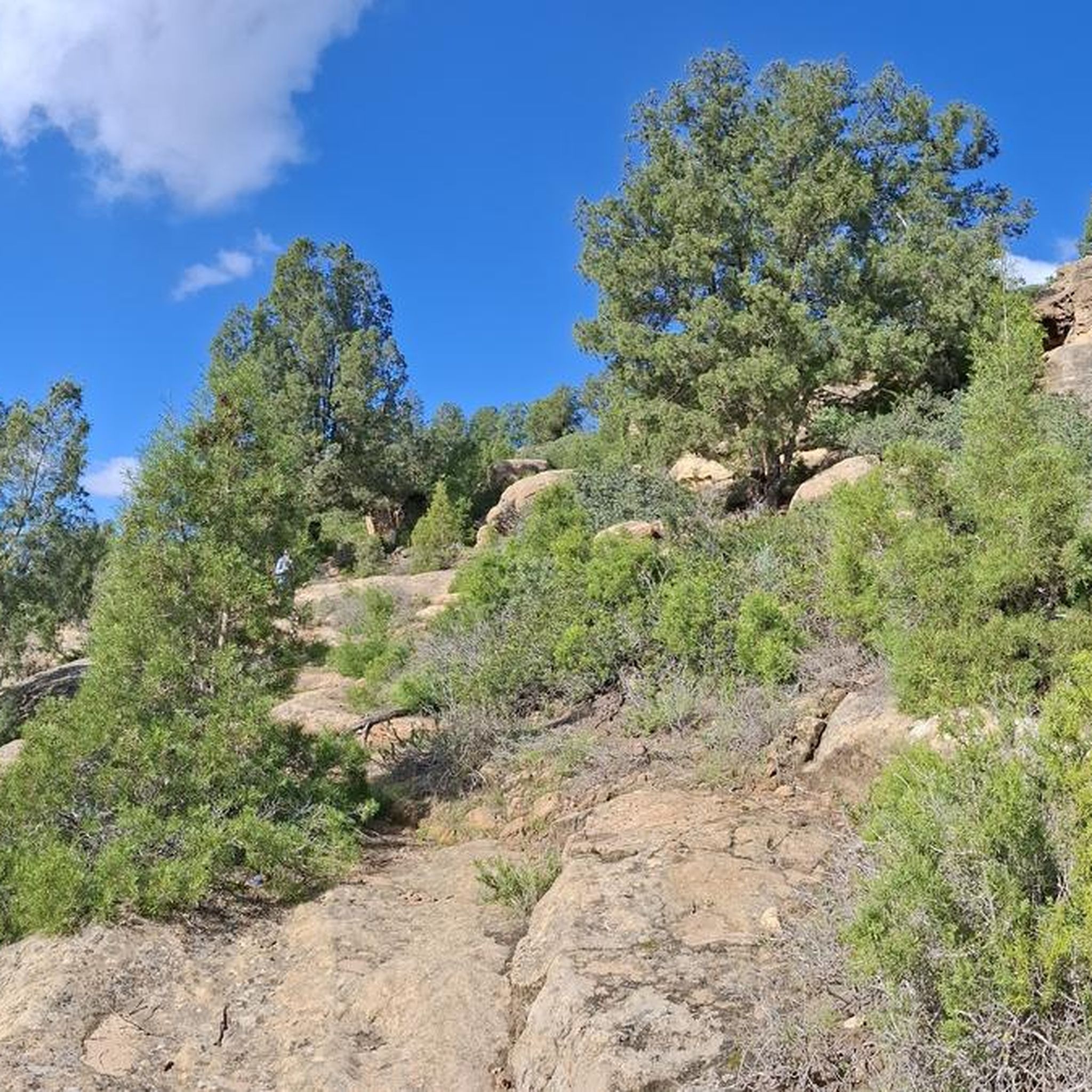
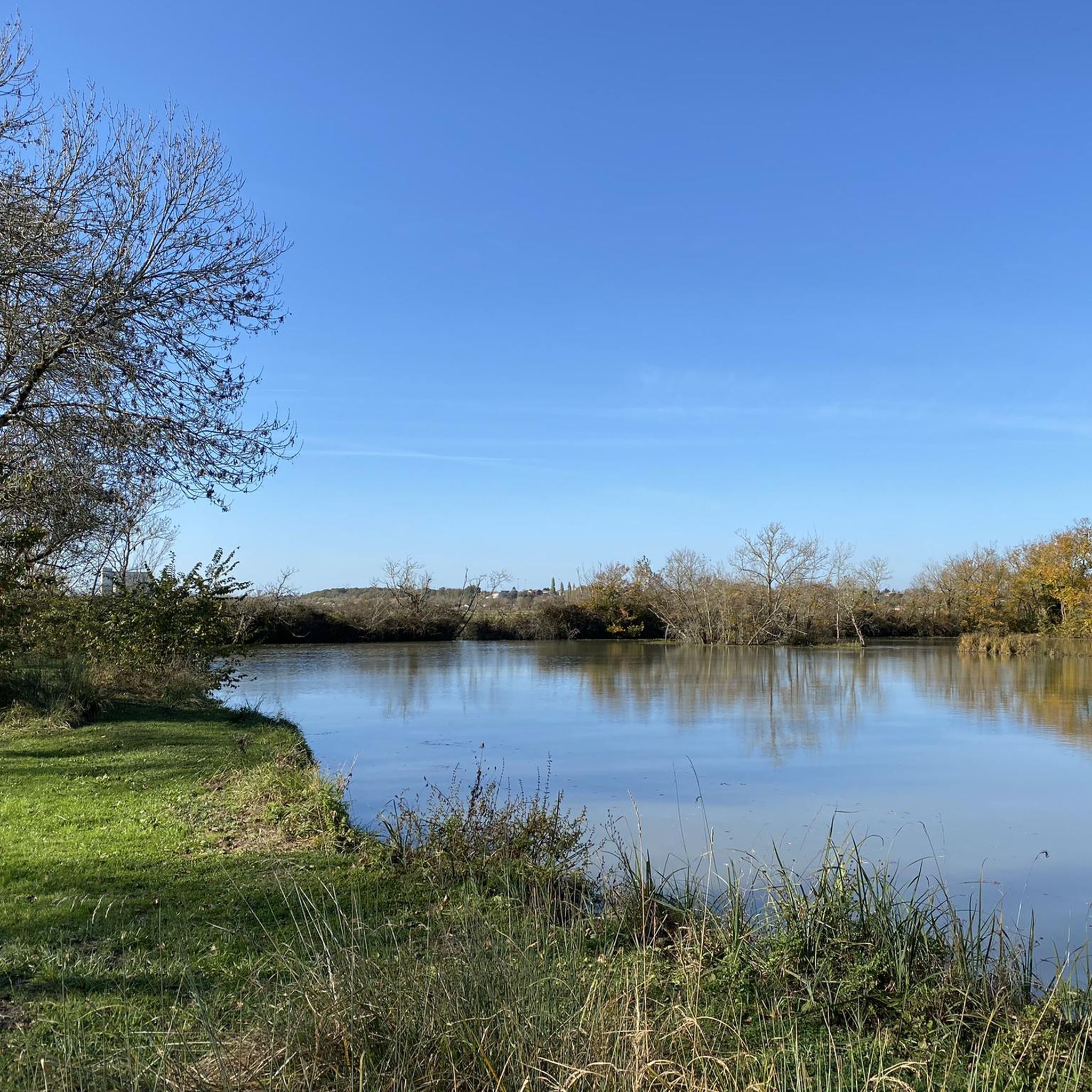
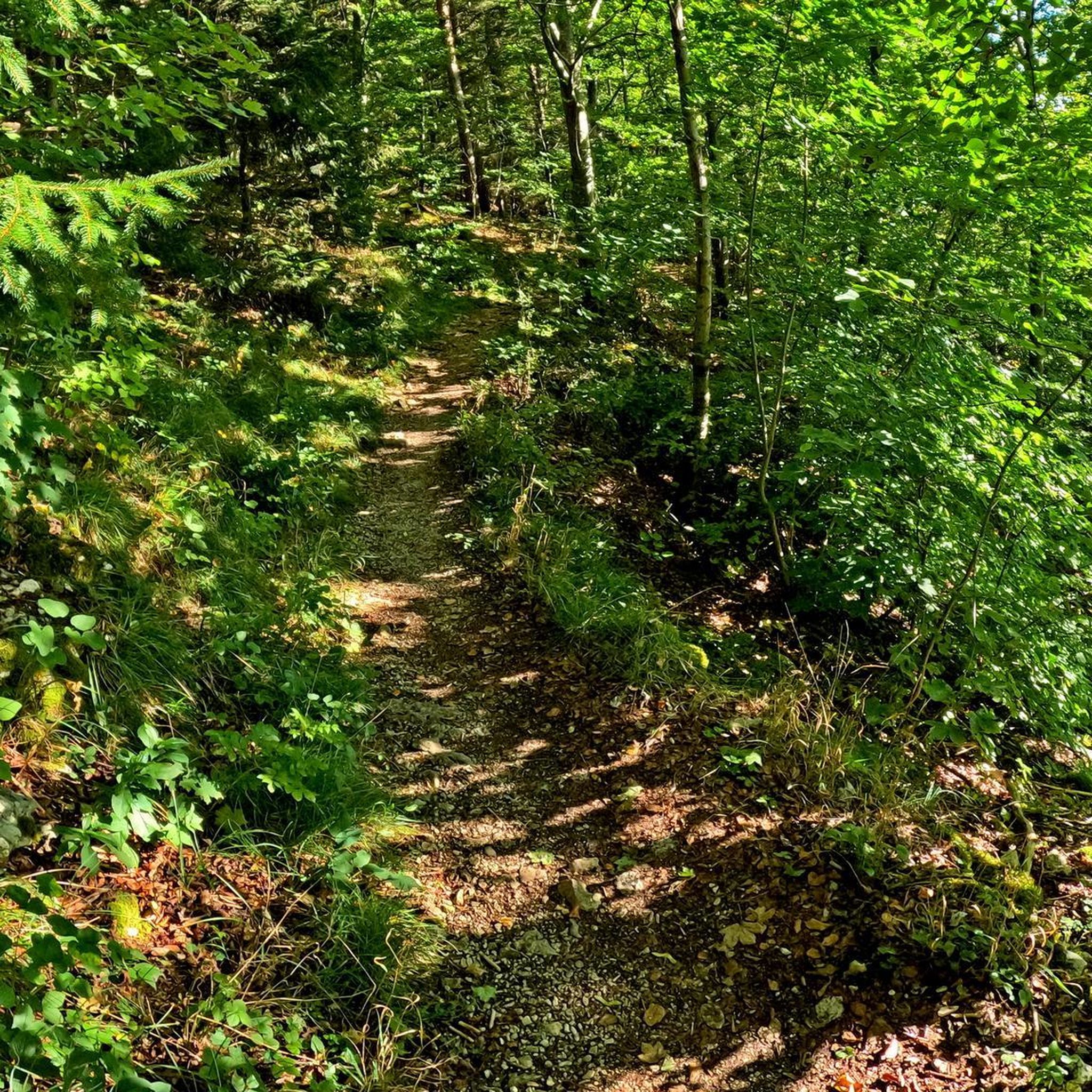

Tips from the Community

Impressive bridge. Well worth seeing!
1
0
A truly interesting bridge. It's worth a stop.
1
0

Almost obligatory passage to cross the Charente, but it’s worth the detour
0
0

Small town with a special charm along the Charente.
0
0


Compensating for the needs of the Charentais who were formerly obliged to use the ferry to reach the other bank of the river, the bridge was built in 1842 with the constraint of not disrupting the passage of tall sailing ships to Tonnay-Charente in order to allow the port fluvial to continue its activity linked to the transport of salt, wines and spirits. With its 620 m long, it is one of the oldest suspension bridges in Europe. The deck, 204 m long and 5 m wide, is supported by 51 pointed arches and overlooks the river at a height of 23 m. Originally made of wood, it collapsed in 1884 and was replaced by a metal structure. The increase in road traffic eventually weakened the structure and it was closed to all traffic in the 1960s. After numerous rehabilitation works, it is now reopened, but reserved for pedestrians and cyclists. New restoration work is planned to begin at the end of 2023, because its structure remains fragile and its maintenance weighs heavily on the accounts of the small town of Tonnay-Charente.
0
0
The Saint-Savinien church is a Romanesque style building built between the 12th and 13th centuries. The current sanctuary succeeds an ancient priory, cited in a charter of 1039, of which no vestige remains. The adjoining square is pleasantly decorated with statutes representing the apostles.
0
0

Crazannes Castle is a castle located in the commune of Crazannes in the Charente-Maritime department of France. It is known for its medieval watchtower, which was built in the 12th century. Crazannes Castle was built in the 12th century and has been owned by several noble families over the centuries. It has been expanded and modified over time, and its architecture is a mix of medieval, Renaissance and classical styles. Crazannes Castle is also home to underground caves dug into the limestone rock, which have been used as wine cellars and to store food supplies over the centuries. Visitors can explore the caves and learn about their history through guided tours. Crazannes Castle is open to the public during the summer season and offers guided tours, contemporary art exhibitions and cultural events throughout the year. It is also possible to rent rooms for private events such as weddings or receptions.
0
0
Frequently Asked Questions
What historical sites can I explore in and around Romégoux?
Romégoux is rich in history, with traces of a significant Gallo-Roman agricultural complex. You can visit the 15th-century Église Saint-Pierre, known for its 1670 bell and detailed interior. The area also features ancient underground and open-air quarries, once vital for freestone extraction. Nearby, explore the 14th-century Crazannes Castle, a listed Historic Monument with a connection to the tale of Puss in Boots, or the Tonnay-Charente Suspension Bridge, a historical structure with origins dating back to the Middle Ages.
Are there any family-friendly attractions near Romégoux?
Yes, several attractions are suitable for families. Crazannes Castle is a great option, offering a historical experience that can spark imagination, especially with its Puss in Boots connection. The Sainte-Madeleine Church of Crazannes and the Saint-Savinien Church and Statues of the Apostles also welcome families, providing cultural insights in accessible settings.
What natural features or unique landscapes can I find around Romégoux?
The Crazannes quarries, located a few kilometers from Crazannes, offer a unique natural landscape. These ancient freestone quarries are now a protected area where nature has reclaimed the land, creating deep gorges covered with lush vegetation, including centipede ferns and orchids. It's a habitat for various wildlife, from badgers and deer to bats and agile frogs. You can also find two historic watermills, the Moulin du Champ and the Moulin du Besson, and the remains of two windmills near the village of l'Épine.
Where can I go hiking near Romégoux?
There are several hiking opportunities around Romégoux. You can find moderate hiking loops such as the 'Hiking loop from Saint-Porchaire' (10.2 km), 'Hiking loop from Beurlay' (8.5 km), or the 'Bois de la Tour loop from Bords' (11.3 km). For more options and detailed routes, explore the Hiking around Romegoux guide.
Are there cycling routes available around the attractions?
Yes, the area offers a variety of cycling routes. You can embark on a 'Cathedral of Saintes – Crazannes Castle loop from Geay' (82.2 km, difficult) or a more moderate 'Raoul bitaud – Saint-Vivien Church in Geay loop from Bords' (31.5 km). For gravel biking, consider routes like the 'Saint-Savinien-sur-Charente – Saint-Vivien Church in Geay loop from Bords' (70.8 km, moderate). Discover more routes in the Cycling around Romegoux guide and the Gravel biking around Romegoux guide.
What is the significance of the Crazannes quarries?
The Crazannes quarries are historically significant as a source of freestone that was transported via the Charente River. This stone was used in the construction of notable structures like Fort Boyard and Fort Liédot, and even contributed to monuments such as the Cologne Cathedral and the White House. Today, they are a unique natural area where you can observe how nature reclaims industrial sites, creating a diverse ecosystem.
Can I visit a castle with a unique story near Romégoux?
Absolutely. The Crazannes Castle, built in the 14th century, is famously known as the 'Château du Chat Botté' (Puss in Boots Castle). Its former owner, Comte de Caravaz, Jules Gouffier, is said to have inspired Charles Perrault's character, the Marquis de Carabas. The castle is a listed Historic Monument and features a remarkable Flamboyant Gothic facade with intricate decorations.
Are there any notable religious buildings to visit?
Beyond Romégoux's own Église Saint-Pierre, you can visit the Saint-Savinien Church and Statues of the Apostles, a Romanesque building from the 12th and 13th centuries, whose forecourt is adorned with modern sculptures. The Sainte-Madeleine Church of Crazannes, dating from 1874, also offers historical interest, and the Saint Sulpice Church in Saint-Sulpice-d'Arnoult, cited as early as 1047, showcases a fascinating juxtaposition of architectural styles from the 12th to 18th centuries.
What kind of views can I expect from the Tonnay-Charente Suspension Bridge?
The Tonnay-Charente Suspension Bridge offers beautiful panoramic views of the village of Tonnay-Charente, the Château des Capucins, and the serene Charente River. It's an excellent spot for photography and appreciating the local landscape.
What do visitors particularly enjoy about the attractions around Romégoux?
Visitors appreciate the blend of historical depth and natural beauty. The intricate details and stories behind sites like Crazannes Castle, with its Puss in Boots connection, are often highlighted. The unique modern statues at Saint-Savinien Church are also a favorite, showcasing a harmonious blend of old and new art. The scenic views from the Tonnay-Charente Suspension Bridge are frequently mentioned for their charm.
Are there any ancient mills to see in the Romégoux area?
Yes, Romégoux has a history of milling. You can find two historic watermills, the Moulin du Champ and the Moulin du Besson, which offer a glimpse into the region's industrial past. Additionally, the remains of two windmills are located near the village of l'Épine, adding to the historical landscape.
Most popular routes around Romegoux

Get inspired with the komoot mobile app


Explore more
Still not found the Highlight you’re looking for? See guides of the top attractions in other regions:
