The best MTB trails around Thézac
4.5
(71)
313
riders
32
rides
Mountain biking around Thézac offers diverse landscapes within the Lot-et-Garonne department, characterized by gently rolling hills and limestone plateaus. The region features steep-sided valleys and river systems, providing varied terrain for mountain bike trails. Riders can explore routes through vineyards, orchards, and along the banks of the Lot and Garonne rivers. This topography creates an environment suitable for a range of mountain biking experiences.
Best mountain bike trails around Thézac
- The most popular mountain bike trail is On the road…
Last updated: July 11, 2026
4.7
(22)
130
riders
Moderate mountain bike ride. Good fitness required. Advanced riding skills necessary.
4.2
(5)
22
riders
28.2km
02:13
130m
130m
Moderate mountain bike ride. Good fitness required. Advanced riding skills necessary.

Sign up for free
4.7
(3)
11
riders
21.5km
01:34
130m
130m
Moderate mountain bike ride. Great for any fitness level. Advanced riding skills necessary.
3
riders
38.7km
02:40
130m
130m
Moderate mountain bike ride. Good fitness required. Suitable for all skill levels.
4.0
(1)
1
riders
40.7km
02:36
230m
230m
Moderate mountain bike ride. Good fitness required. Advanced riding skills necessary.
Get access to more routes and recommendations from other explorers.
Sign up for free
Already have an account?
Our route recommendations are based on thousands of hikes, rides, and runs completed by other people on komoot.
Start today with a free account
Your next adventure awaits.
Login or Signup

Tips from the Community


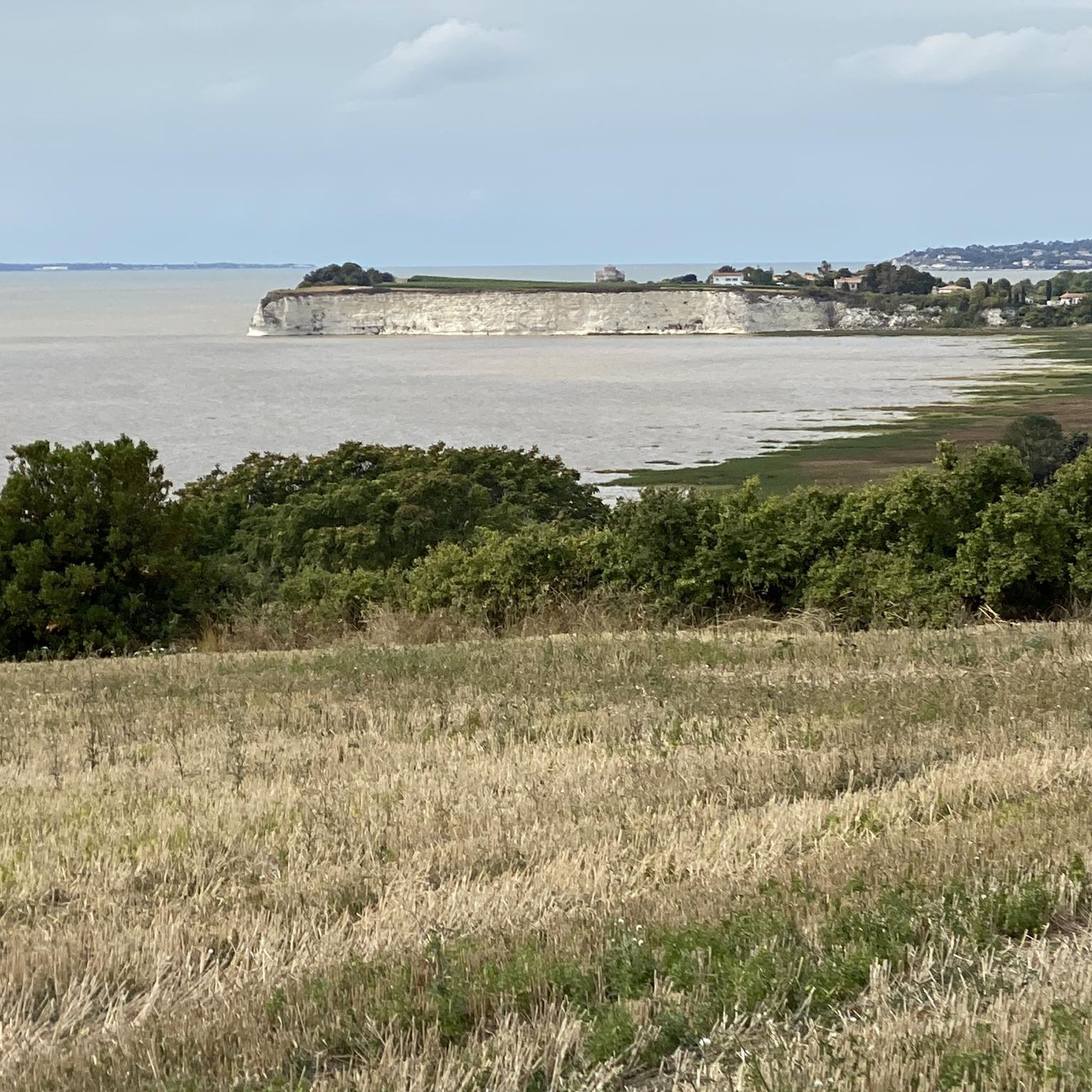
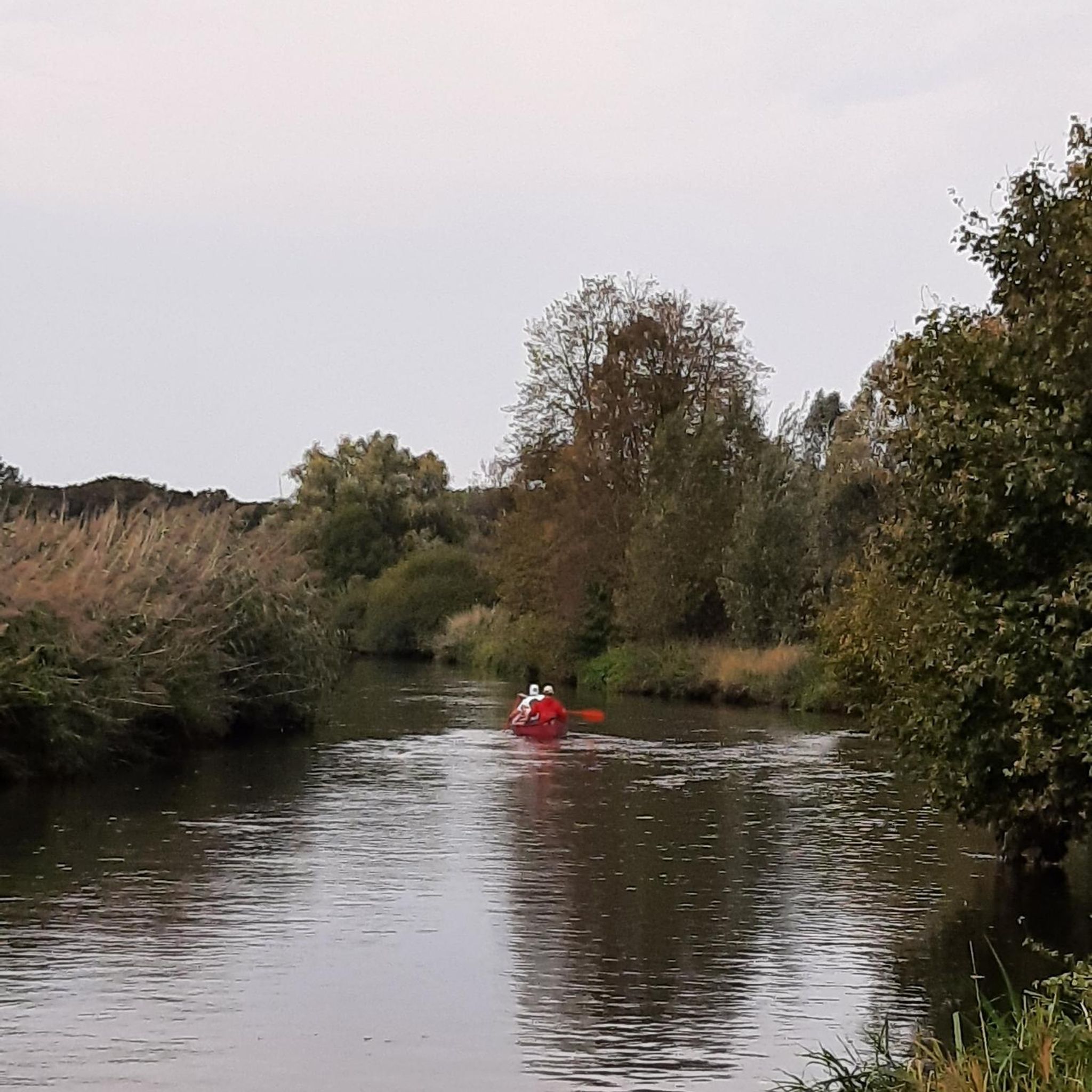
beautiful passages along the Charente with pretty monuments and small waterfront cafés in Port d’Envaux and Saintes.
0
0


There are pretty singles in this forest
0
0

pleasant circuit mixed single paths and roads
0
0

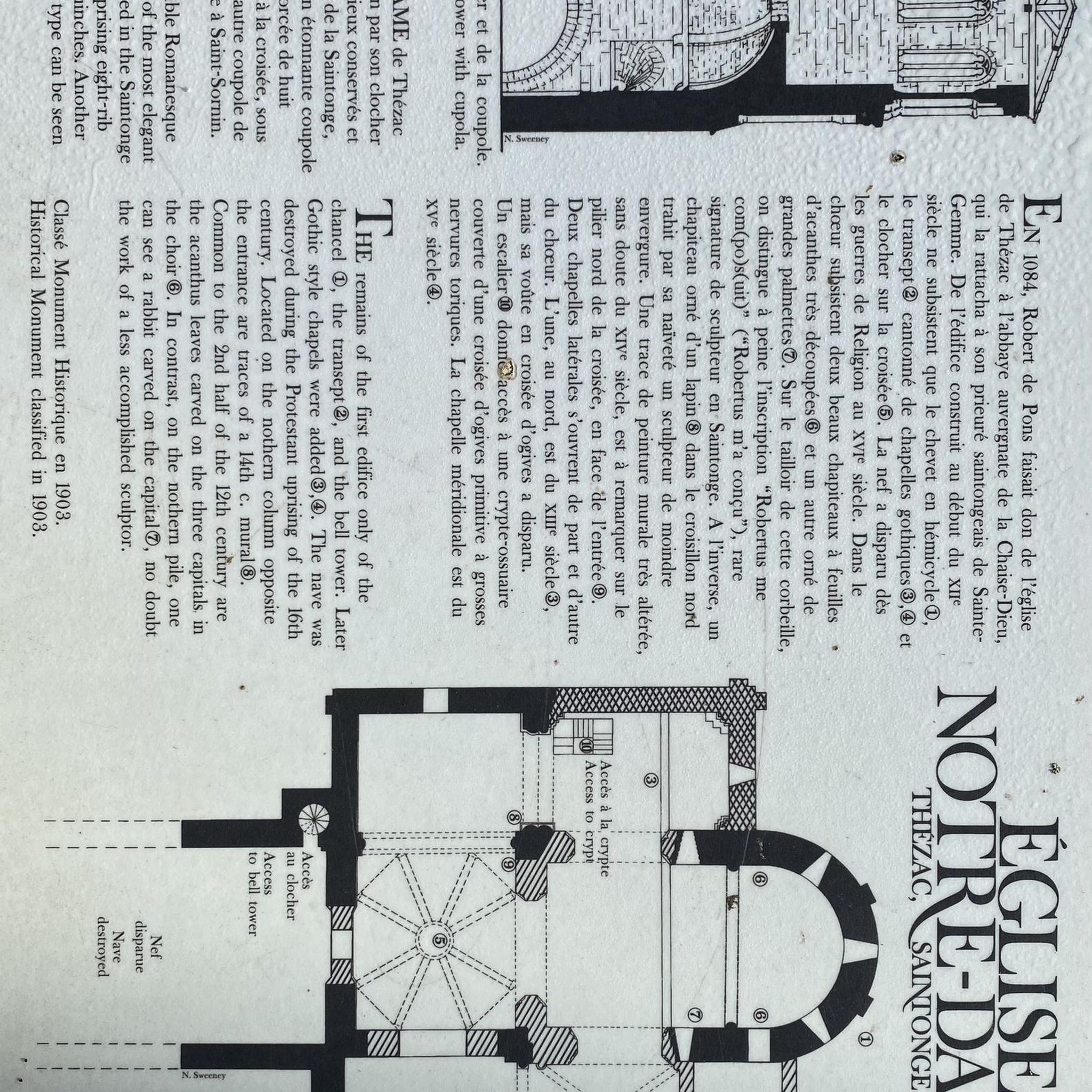
This rather atypical-looking church is the result of several reconstruction campaigns, which spanned nearly eight centuries from the 12th to the beginning of the 20th century. The characteristic element lies mainly in its line of domes, built in 1901, and left visible. Built in cement, they give the building a false oriental air.
0
0

Saintes is a city that shines with its millennial heritage and its Gallo-Roman monuments. As unusual as they are well preserved, these nuggets will take you on a real journey through time.
1
0

Huge Church of St Romain de Benet!
0
0
Frequently Asked Questions
What kind of terrain can I expect on mountain bike trails around Thézac?
The region around Thézac, often called 'French Tuscany,' features a diverse landscape ideal for mountain biking. You'll encounter gently rolling hills, limestone plateaus, and steep-sided river valleys. This varied topography provides a mix of trails, from easier rides on mostly paved surfaces to more challenging routes with unpaved segments and significant elevation changes, often passing through vineyards and orchards.
How many mountain bike trails are there in the Thézac area?
There are over 30 mountain bike trails available around Thézac. These include 7 easy routes and 27 moderate routes, offering options for various skill levels.
Are there any family-friendly mountain bike trails near Thézac?
Yes, Thézac offers several family-friendly mountain bike trails. With 7 easy routes available, you can find paths suitable for a more relaxed ride with children. These routes often traverse scenic countryside, providing an enjoyable experience for all ages.
What do other mountain bikers say about the trails in Thézac?
The mountain bike trails around Thézac are highly regarded by the komoot community, with an average rating of 4.2 stars from over 60 reviews. More than 290 mountain bikers have explored the area using komoot, often praising the varied terrain and scenic beauty of the routes.
Are there any circular mountain bike routes around Thézac?
Yes, many of the mountain bike routes around Thézac are designed as loops, allowing you to start and finish at the same point. For example, you could try the Château de Nieul-lès-Saintes loop from La Clisse, which is a moderate 21.6 km ride.
What interesting landmarks or attractions can I see along the mountain bike trails near Thézac?
Mountain biking around Thézac allows you to discover several points of interest. Routes often pass through picturesque villages and near historical sites. For instance, the On the road to the fortified castle – Château de Nieul-lès-Saintes loop from Corme-Royal takes you past a historic fortified castle. Other trails might lead you past the Riberou Port or the Saint-Romain Church of Saint-Romain-de-Benet.
Can I bring my dog on the mountain bike trails in Thézac?
While many trails in the Lot-et-Garonne region are accessible, it's always best to check local regulations for specific routes regarding dogs, especially if they pass through private land or nature reserves. Generally, dogs on a leash are welcome on public paths, but ensure they are comfortable with the terrain and distance.
What is the best time of year for mountain biking in Thézac?
The Lot-et-Garonne department generally offers pleasant conditions for mountain biking for much of the year. Spring and autumn provide mild temperatures and beautiful scenery, making them ideal. Summer can be warm, so early morning or late afternoon rides are recommended. Winters are typically mild, allowing for year-round activity, though some trails might be muddier after rain.
Are there challenging mountain bike trails for experienced riders?
While there are no trails explicitly rated as 'difficult' in this selection, the 27 moderate routes around Thézac offer engaging experiences for experienced riders. These routes feature varied terrain, including unpaved segments and elevation changes, such as the Super singles start! – Trails and Singletracks Loop loop from La Combe à Chevalier, which includes engaging singletracks.
Where can I find parking for mountain biking trails in Thézac?
Specific parking information for individual trailheads is often available on the detailed route pages. Many routes start from villages or designated parking areas. It's advisable to check the starting point of your chosen route on komoot for the most accurate parking suggestions.
Are there any scenic routes that offer great views?
Absolutely. The region's 'French Tuscany' landscape ensures many routes offer beautiful views over rolling hills, vineyards, and along the banks of the Lot River. The Pirelonge Tower – Riberou Port loop from Corme-Royal, for example, leads through scenic countryside, providing picturesque vistas.
Most popular attractions around Thézac

Get inspired with the komoot mobile app


Explore more
Browse the best MTB trails in other regions.
