Attractions and Places To See around Saint-Aulais-La-Chapelle - Top 13
Best attractions and places to see around Saint-Aulais-La-Chapelle include a blend of historical charm and natural beauty within this rural commune in the Charente department of Nouvelle-Aquitaine, France. The area features low, undulating plateaus and valleys, characteristic of the "Champagne Charentaise" region. Visitors can explore historic churches and castles, as well as distinctive natural landscapes.
Best attractions and places to see around Saint-Aulais-La-Chapelle
- The most popular attractions is Château de la Léotardie, a castle that was built in the…
Last updated: June 29, 2026
Rest area with view and picture board
Highlight • Rest Area
Translated by Google •
Tip by

Château de la Léotardie
Highlight • Castle
Translated by Google •
Tip by

Sign up now to discover places like this
Get recommendations on the best single tracks, peaks, & plenty of other exciting outdoor places.
Sign up for free
Saint-Cybard Church in Blanzac-Porcheresse
Highlight • Other
Translated by Google •
Tip by

Saint-Sulpice Church in Chillac
Highlight • Other
Translated by Google •
Tip by

Saint-Gervais and Saint-Protais Church of Pérignac
Highlight • Religious Site
Translated by Google •
Tip by

Sign up for free to discover even more attractions around Saint-Aulais-La-Chapelle.
Sign up for free
Already have an account?
Start today with a free account
Your next adventure awaits.
Login or Signup

Tips from the Community

Château de La Léotardie in Nonac, in Charente, not in Dordogne. Listed as a Historic Monument, Château de la Léotardie in Nonac was originally the property of Hélie Léotard, then Archdeacon of Bourges. Part country house, part monastery, this former fortified castle was largely rebuilt in the 14th century and then renovated in the 15th. Visitors can discover a vaulted room and an ogival doorway on the ground floor. It is also possible to admire a medieval triple-nave barn a few hundred meters away. https://www.france-voyage.com/villes-villages/nonac-2918/chateau-leotardie-12663.htm
0
0
Among the oldest in the region, the Saint-Cybard church in Porcheresse was built in the 11th century. It is still surrounded by its cemetery and presbytery, which is one of its distinctive features. The church shares similarities with churches in the area (Etriac, Puypéroux, Bécheresse, and Côteaux du Blanzacais). It features narrow windows pierced in the buttresses, as well as rubble stone walls. In the 12th century, it was remodeled and reinforced to accommodate vaults. However, the building's condition currently prohibits visits; renovation work is planned for the very near future. This monument was listed as a "Historic Monument" in 1913. The church's patron saint was the monk Cybard, who came from Dordogne in the 6th century. He lived for a long time in a cave beneath the Angoulême plateau. https://www.sudcharentetourisme.fr/fiche-sit/eglise-saint-cybard-de-porcheresse-5895303/#truncate https://fr.wikipedia.org/wiki/%C3%89glise_Saint-Cybard_de_Porcheresse
0
0
The Church of Saint-Gervais and Saint-Protais in Pérignac, built in the 12th century, is a jewel of Romanesque art. It is located in the Charente department, in the commune of Pérignac. Its Limousin-style bell tower is atypical for a Charente church. Only three similar bell towers have been recorded in the department. With its several modillion sculptures, its capitals, its interior decoration, and its history, the Church of Saint-Gervais and Saint-Protais in Pérignac is well worth a visit. Due to its appeal and historical value, this monument was listed as a "Historic Monument" in 1907. https://www.sudcharentetourisme.fr/fiche-sit/eglise-saint-gervais-et-saint-protais-5895230/ https://fr.wikipedia.org/wiki/%C3%89glise_Saint-Gervais-Saint-Protais_de_P%C3%A9rignac
0
0

Why Visit Château de la Léotardie? For its enchanting setting: Nestled in the heart of the Périgord countryside, the château is a haven of peace where you can recharge your batteries while admiring a magnificent example of Renaissance architecture. For its history: This place full of history allows you to discover a part of the rich past of the Périgord, with architecture that reflects the art of living and elegance of yesteryear. For its role in social and event life: The château offers a perfect setting for private events or receptions, with beautifully designed indoor and outdoor spaces. Château de la Léotardie is a hidden gem in the Dordogne, combining history, elegance and nature. It is a place to discover for those looking to explore an authentic corner of Périgord heritage.
1
0
Park and Gardens: Exceptional Natural Setting: Surrounded by vast meadows, woods and gardens, the château offers an idyllic natural setting. Visitors can enjoy quiet strolls in the shaded paths, among century-old trees, or relax while observing the local wildlife. French Gardens: Some of the château's gardens are laid out in a classic "à la française" style, with geometric flowerbeds and boxwood-lined paths, adding to the charm of the place. Intimate and Historical Atmosphere: Venue for Receptions and Events: The Château de la Léotardie is often used for private receptions, weddings and other events, making it a choice venue for those wishing to celebrate in a historic and romantic setting. Authentic Atmosphere: Despite its prestigious past, the château retains an intimate and tranquil atmosphere, offering visitors a true immersion in the history of the Périgord. Proximity to Tourist Sites: Périgord Noir Region: Located close to the famous tourist sites of the Dordogne, such as Sarlat, the caves of Lascaux and the castles of Beynac and Castelnaud, the Château de la Léotardie is an ideal base for exploring the region. Cultural and Natural Heritage: The castle is surrounded by magnificent landscapes, dense forests and rivers, typical of the Dordogne, offering many opportunities for nature lovers, whether it be hiking, canoeing or visiting picturesque villages.
1
0
Château de la Léotardie is a magnificent château located in the Dordogne region of Nouvelle-Aquitaine. Nestled in the heart of the Périgord countryside, it embodies the elegance and history of the region, while offering a peaceful and green setting. Although it is less well-known than some of the great châteaux of the Dordogne, it has a particular charm, particularly due to its architecture and its environment. Points of Interest at Château de la Léotardie: Renaissance Architecture: Périgourdine Elegance: Château de la Léotardie, dating from the Renaissance, is distinguished by its refined architecture. It has features typical of manor houses of this period, with stone facades, sloping roofs covered with tiles and beautiful stone fireplaces. Historical Details: Certain architectural elements bear witness to the history of the château, such as mullioned windows and circular towers which give the whole an appearance that is both defensive and elegant.
1
0

Unlike the nave intended for the faithful, the transept and the apse constitute the parts of the church reserved for religious people. In Pérignac, the cut stone construction of the apse testifies to the importance given to the sanctuary. Particular care was also given to the sculpted decoration of the transept, its chapels and the apse. Archaeological surveys have revealed the presence of painted decorations. The church is dedicated to Gervais and Protais, sons of Saints Vital and Valérie. After the martyrdom of their parents, the twins converted to Christianity. They are stopped by Nero who asks them to recant. Refusing, the brothers are then imprisoned, flogged and then beheaded. This term could indicate a very ancient foundation of the church. The building has a Latin cross plan. The nave does not have a window: the light comes from the bays of the facade, the apse and the apsidioles. The passages designed to connect the nave and the apse without having to cross the space of the transept crossing constitute a curiosity. This formula, which is quite rare in Charente Romanesque buildings, is nevertheless found not far from here in three other churches: Puypéroux, Nonac and Conzac. The church offers Romanesque sculpture of good quality, the difference in style of which can be explained by the intervention of several workshops. The bell tower rebuilt by the architect Warin is a replica of the bell towers designed for Angoulême Cathedral by his mentor, the architect Paul Abadie fils, around 1850.
0
0

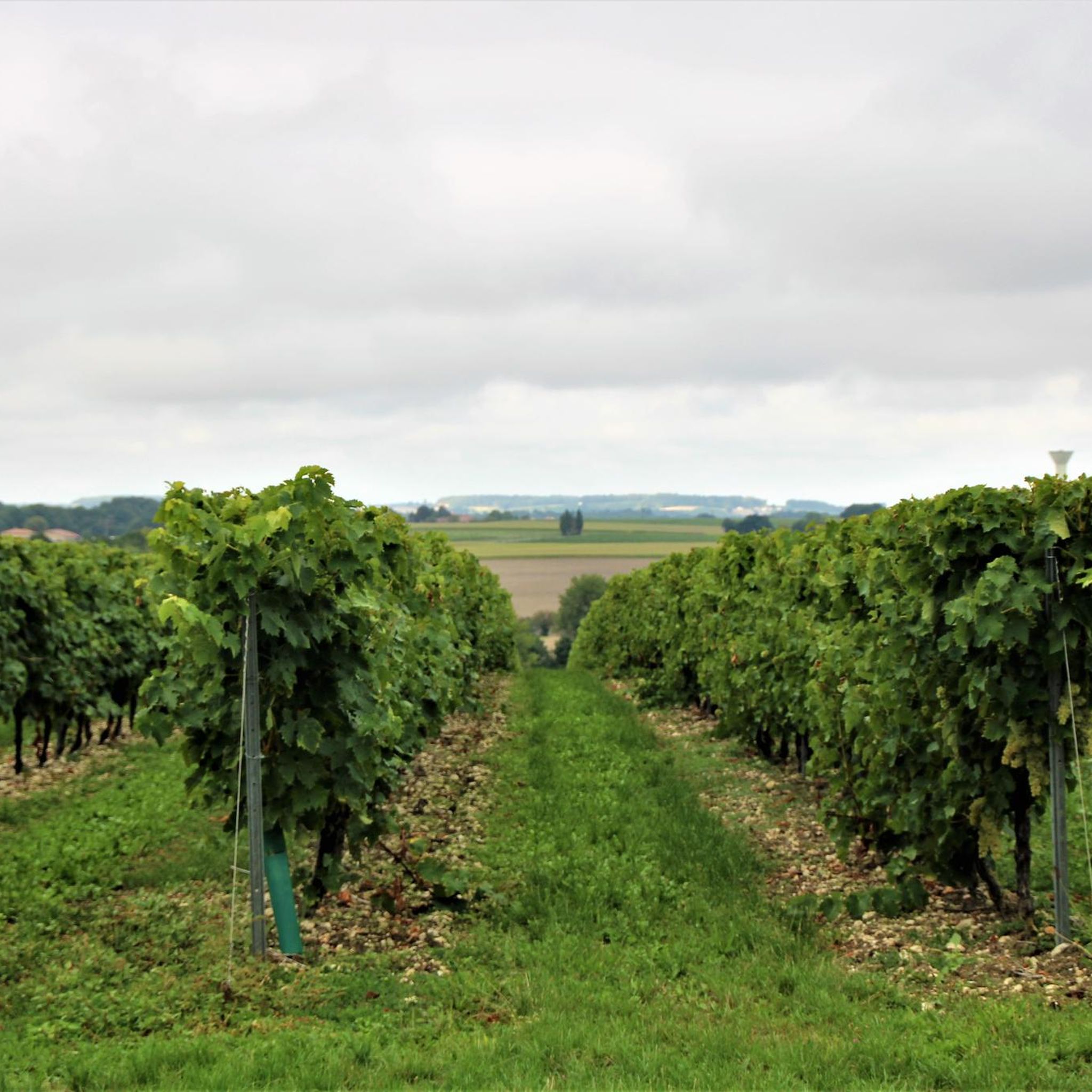
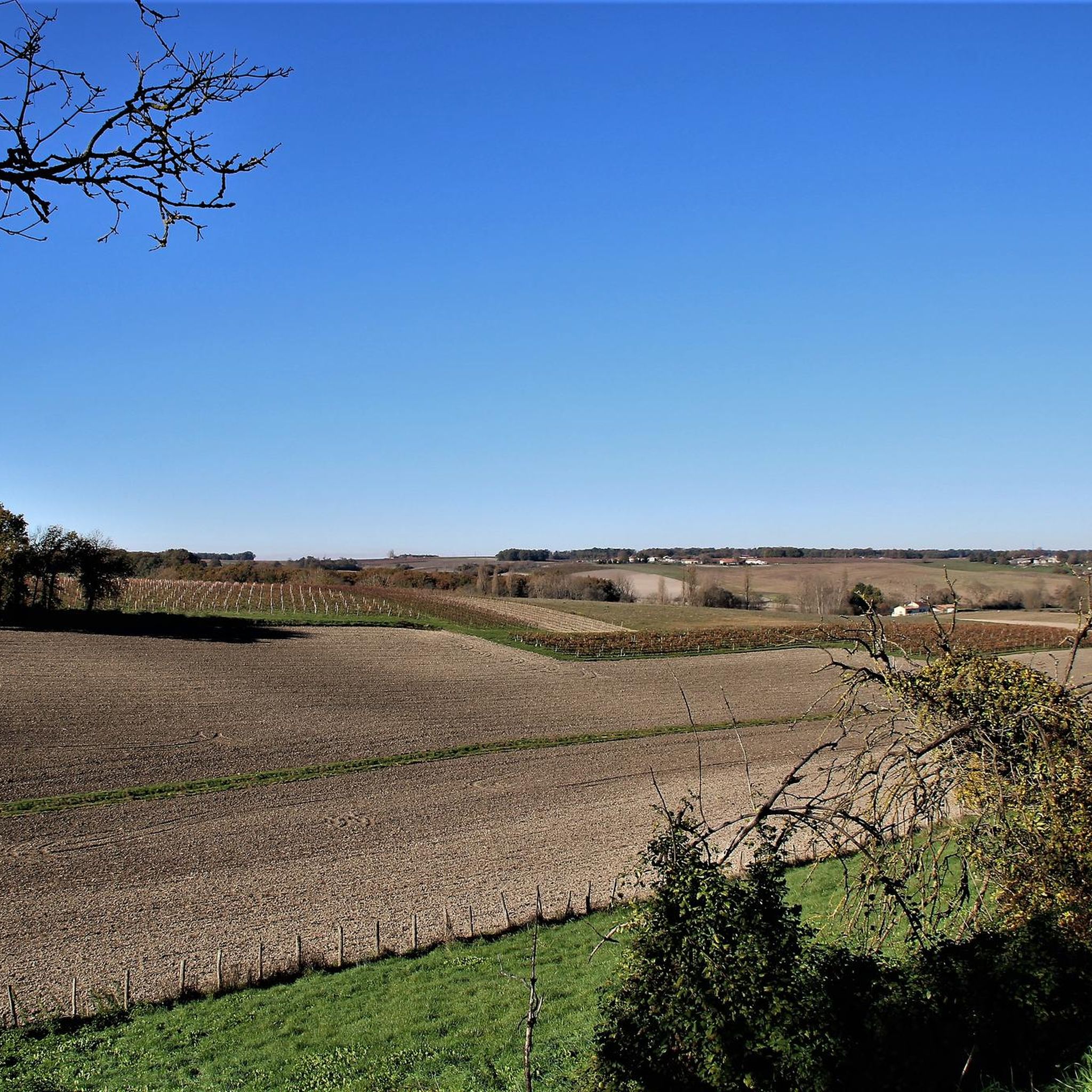
A nice place to take a break. There is a picnic bench and an orientation table. There are lovely views over the surrounding fields.
1
0
Frequently Asked Questions
What historical churches can I visit in and around Saint-Aulais-La-Chapelle?
Within Saint-Aulais-La-Chapelle, you can explore the ancient Église Saint-Jacques de Conzac, a Romanesque 'jewel' from the 11th-12th centuries, and the Église paroissiale Sainte-Eulalie de Saint-Aulais. Nearby, don't miss the 12th-century Saint-Sulpice Church in Chillac, or the Saint-Gervais and Saint-Protais Church of Pérignac, known for its unique Limousin-style bell tower. The 11th-century Saint-Cybard Church in Blanzac-Porcheresse is also a significant historical site.
Are there any castles or grand estates to visit near Saint-Aulais-La-Chapelle?
Yes, the region boasts several historical castles. The most popular is Château de la Léotardie, a romantic 13th-century castle rebuilt in the 14th century, known for its Renaissance architecture. Further afield, you can visit the prominent castle in Barbezieux-Saint-Hilaire (9 km away), the ancient Château de Chalais (20 km away), or the intriguing, unfinished Château de la Mercerie (23 km away), sometimes called a 'little Versailles'.
What natural attractions are there for outdoor enthusiasts?
Nature lovers will appreciate the distinctive Les Lacs Bleus de Touvérac/Guizengeard, located about 14.8 km away. These former clay pits have transformed into stunning turquoise-blue lakes within a protected natural area, offering hiking opportunities along two 3 km loops. The commune itself is characterized by the picturesque Valleys of the Maury and Arce, which contribute to the gently rolling 'Champagne Charentaise' landscape.
What kind of hiking trails are available around Saint-Aulais-La-Chapelle?
The area offers a variety of hiking experiences. You can explore the 'Sentier des trois clochers' (Path of the Three Bell Towers) within the commune, which connects its three historic churches. For more options, consider routes like the 'Saint-Jacques Church of Conzac loop' or the 'Hiking loop from La Chapelle', both easy trails. You can find more details and routes on the Hiking around Saint-Aulais-La-Chapelle guide.
Are there cycling routes near Saint-Aulais-La-Chapelle?
Yes, the region is suitable for cycling. For mountain biking, you can find routes like the 'Des Meulières descent loop' or the 'La voie verte – Magnificent passage through nature loop'. Road cyclists can enjoy longer routes such as the 'Saint-Médard Church – Saint-Sulpice Church in Chillac loop' or the 'Château de Barbezieux loop'. Explore more options on the MTB Trails around Saint-Aulais-La-Chapelle and Road Cycling Routes around Saint-Aulais-La-Chapelle guides.
What are some family-friendly activities or attractions in the area?
Many of the natural and historical sites can be enjoyed by families. The Sentier des trois clochers offers an engaging walk through the commune's landscapes and churches. The Les Lacs Bleus de Touvérac/Guizengeard provide easy hiking loops in a beautiful setting. Additionally, the Saint-Gervais and Saint-Protais Church of Pérignac is noted as family-friendly.
What is the best time of year to visit Saint-Aulais-La-Chapelle?
The region, part of Nouvelle-Aquitaine, generally enjoys pleasant weather from spring through early autumn, making these seasons ideal for exploring. Spring (April-May) offers blooming landscapes, while summer (June-August) is perfect for outdoor activities, though it can be warm. Early autumn (September-October) provides comfortable temperatures and beautiful scenery for hiking and sightseeing.
Are there any picturesque villages or towns nearby worth visiting?
Absolutely. Just 26 km away, Aubeterre-sur-Dronne is recognized as one of France's 'Most beautiful villages' and is home to the remarkable subterranean Monolithic Church of Saint-Jean. Other charming towns include Barbezieux-Saint-Hilaire (9 km) with its castle and markets, Chalais (20 km) with its ancient castle, and Villebois-Lavalette (26 km), also featuring a castle.
What kind of terrain can I expect on hiking trails around Saint-Aulais-La-Chapelle?
The terrain around Saint-Aulais-La-Chapelle is characterized by low, undulating plateaus and valleys, typical of the 'Champagne Charentaise' region. This means you can expect generally gentle slopes and rolling landscapes, making many trails, such as those on the 'Sentier des trois clochers' or around the Lacs Bleus, accessible and enjoyable for various fitness levels.
What do visitors enjoy most about the attractions in this area?
Visitors particularly appreciate the blend of historical charm and natural beauty. The Romanesque architecture of the churches, the elegance of the castles, and the unique natural features like the turquoise Lacs Bleus are frequently highlighted. The peaceful, green setting and opportunities for quiet strolls are also highly valued by the komoot community, as evidenced by 17 photos and 24 upvotes for the attractions.
Is there a good place to take a break or have a picnic while exploring?
Yes, you can find designated spots for relaxation. For instance, there is a Rest area with view and picture board which offers a picnic bench and an orientation table, providing lovely views over the surrounding fields. It's a great spot to pause and enjoy the scenery.
What are the main cultural sites in the commune of Saint-Aulais-La-Chapelle itself?
Within the commune, the main cultural sites are its three historic churches: the Église Saint-Jacques de Conzac, the Église paroissiale Sainte-Eulalie de Saint-Aulais, and the Église Saint-Vincent de La Chapelle. These churches are connected by the 'Sentier des trois clochers', a hiking itinerary that allows visitors to discover their architectural beauty and the surrounding typical landscapes.
Most popular routes around Saint-Aulais-La-Chapelle

Get inspired with the komoot mobile app


Explore more
Still not found the Highlight you’re looking for? See guides of the top attractions in other regions:
