Attractions and Places To See around Monthelie - Top 20
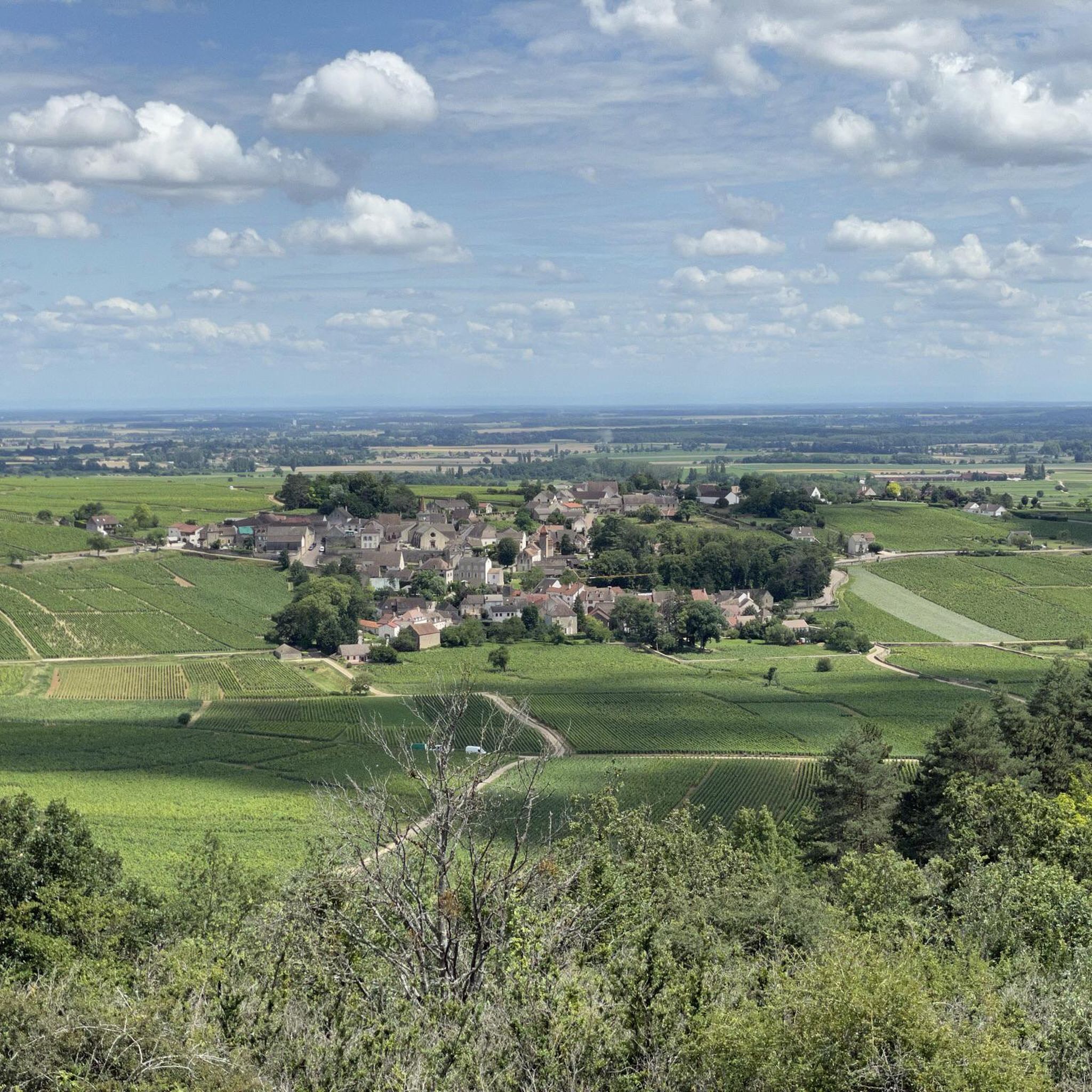
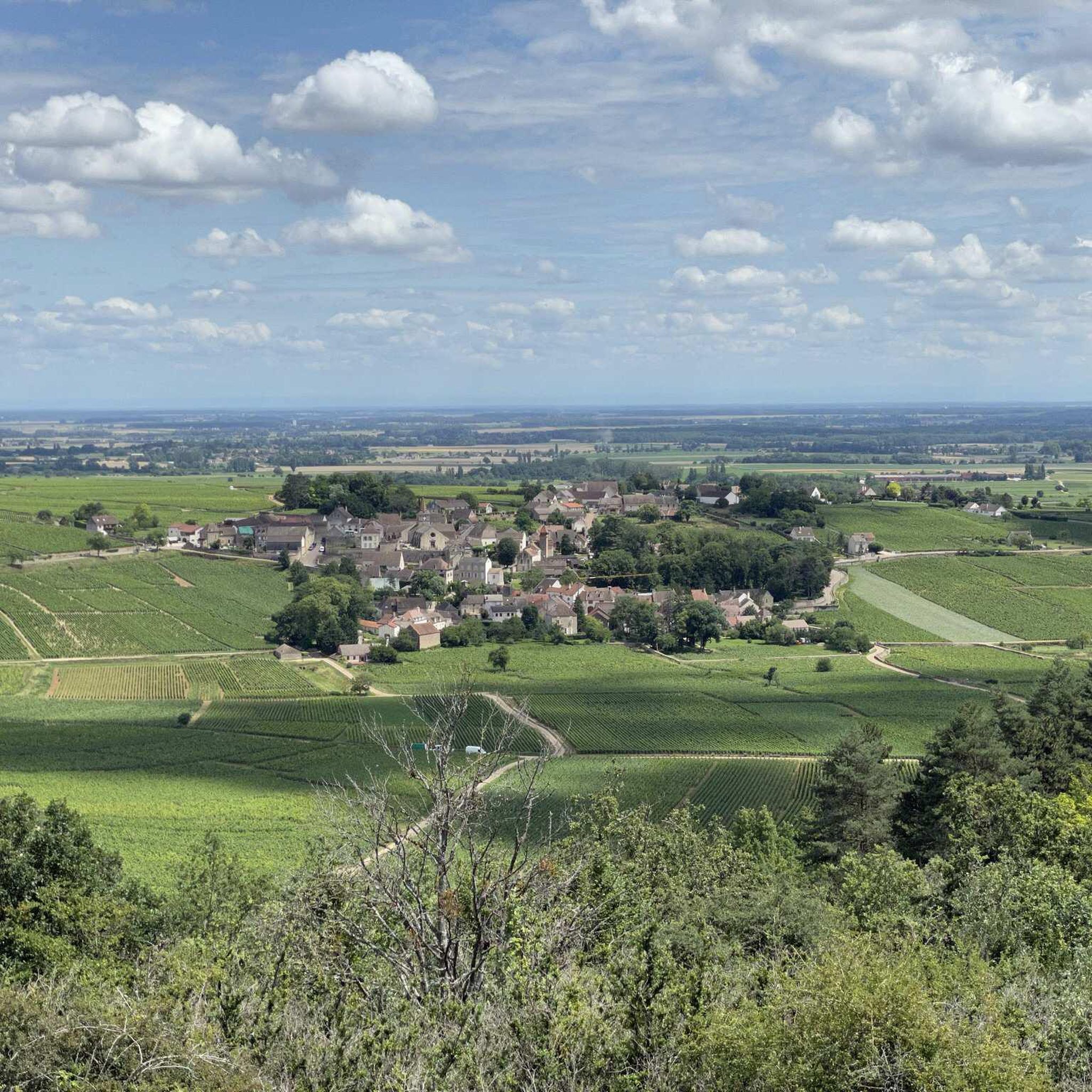
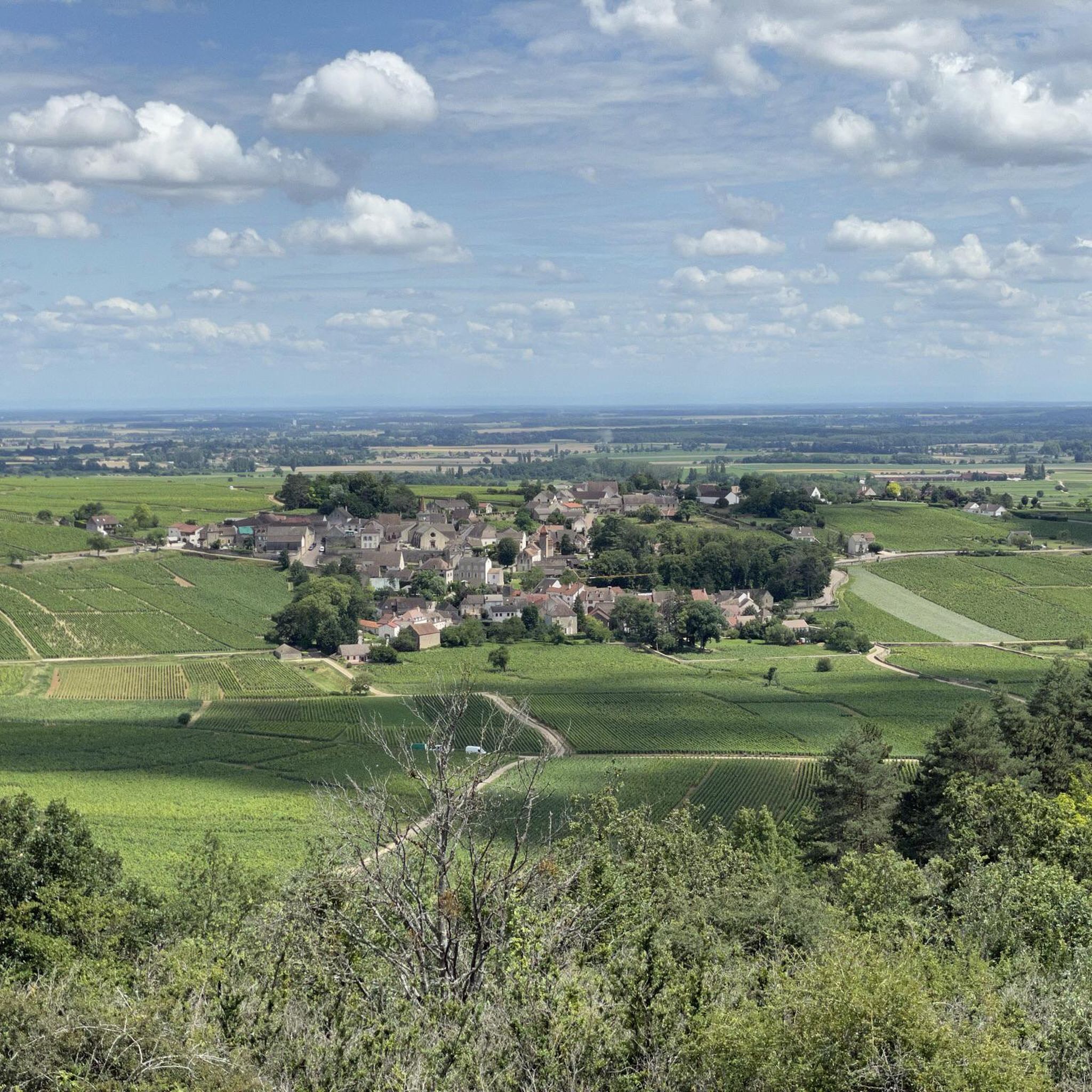
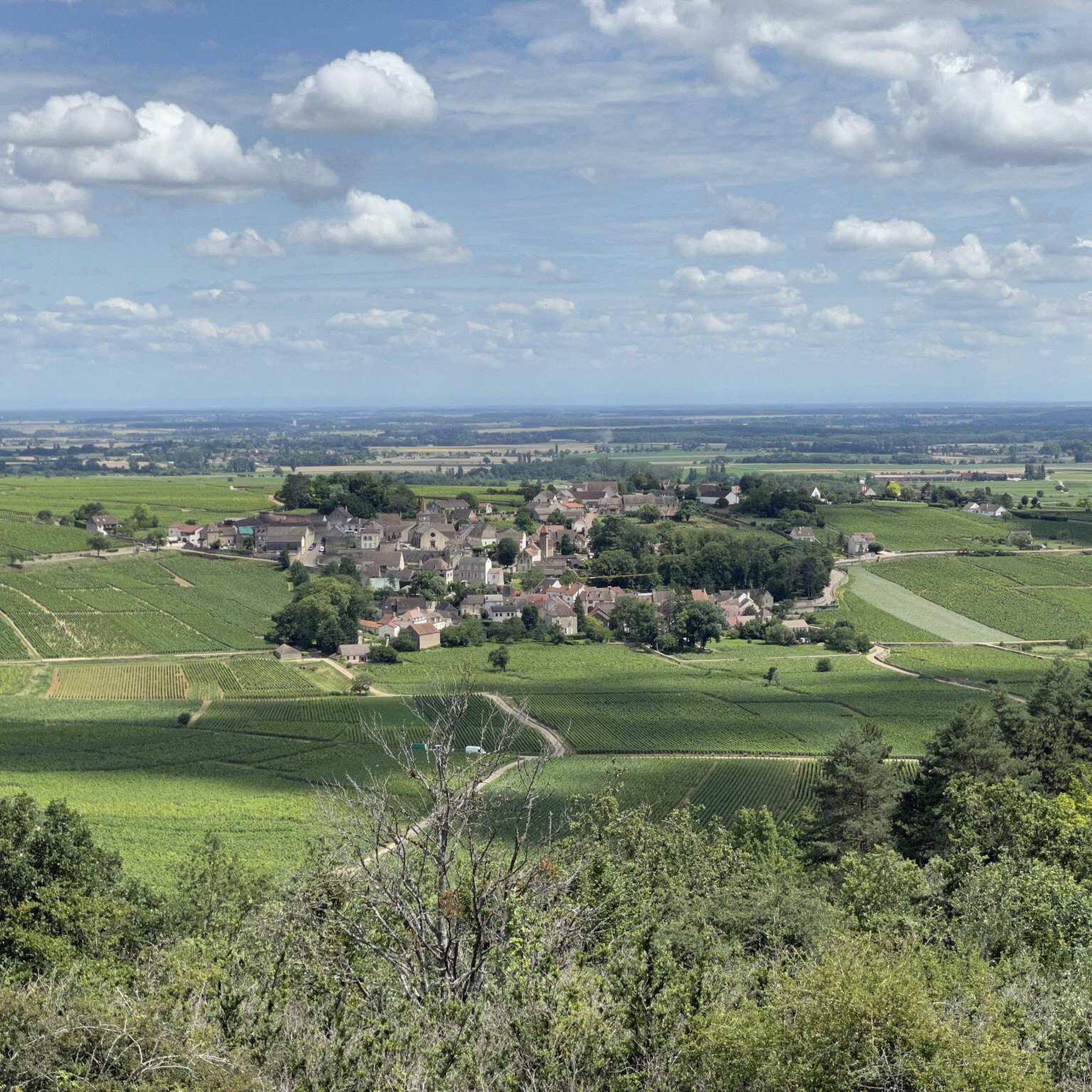
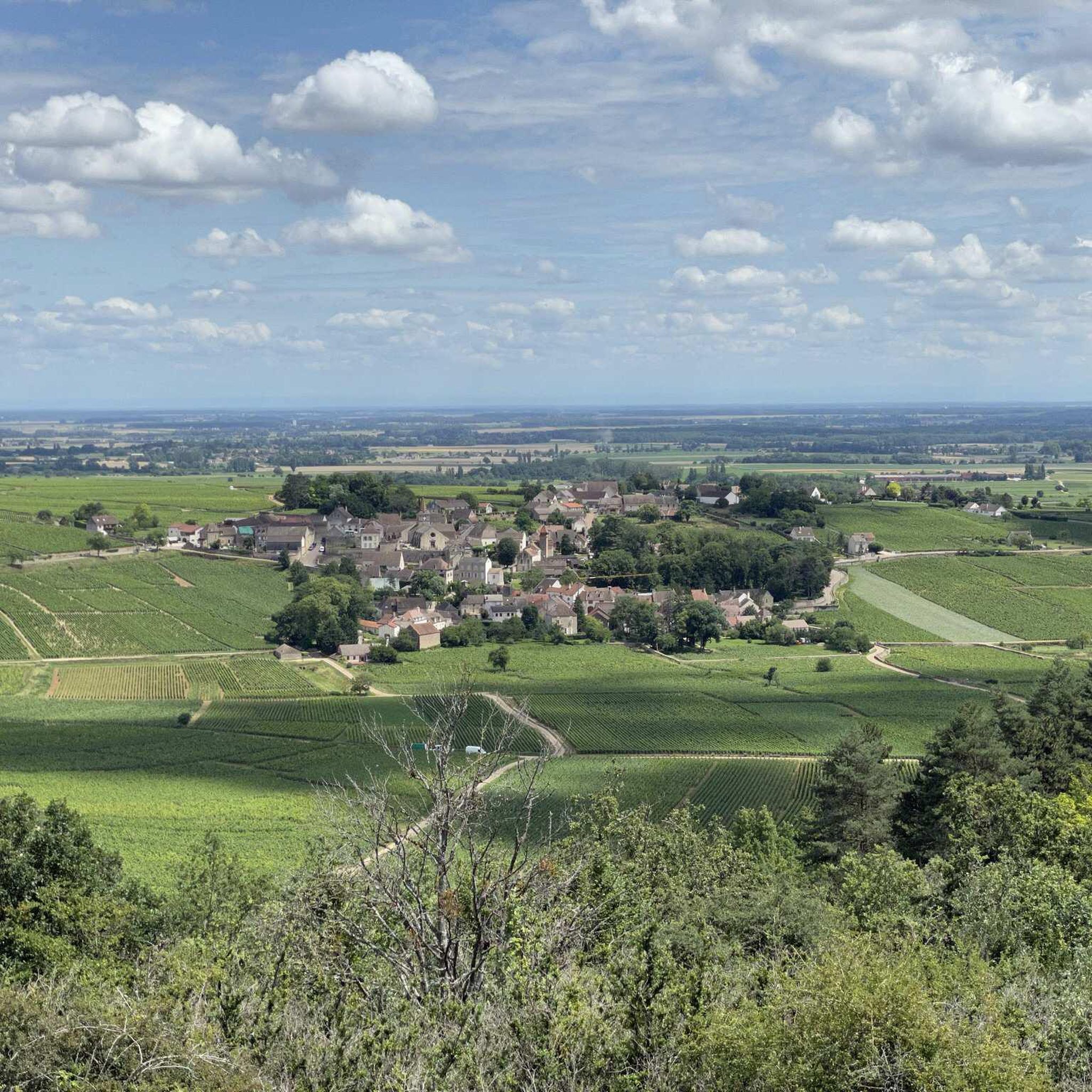
Best attractions and places to see around Monthelie include historical landmarks, natural features, and cultural sites. This picturesque village, nestled in Burgundy's Côte de Beaune, is known for its renowned wine production and hillside vineyards. Visitors can explore a landscape characterized by limestone-clay soils and varied sun exposure, ideal for viticulture. The area offers a blend of ancient architecture and scenic routes through vineyards and glades.
Best attractions and places to see around Monthelie
- The most popular attractions is Route…
Last updated: July 6, 2026
Route des Grands Crus
Highlight (Segment) • Cycleway
Translated by Google •
Tip by

Route des Grands Crus Cycle Path
Highlight (Segment) • Cycleway
Tip by

Sign up now to discover places like this
Get recommendations on the best single tracks, peaks, & plenty of other exciting outdoor places.
Sign up for free
Hôtel-Dieu Museum - Hospices de Beaune
Highlight • Museum
Translated by Google •
Tip by
Meursault Castle
Highlight • Castle
Translated by Google •
Tip by
Hospiz von Beaune
Highlight • Other
Translated by Google •
Tip by

Sign up for free to discover even more attractions around Monthelie.
Sign up for free
Already have an account?
Start today with a free account
Your next adventure awaits.
Login or Signup

Tips from the Community

The historic hospital is a must-see
2
0

Meursault: a beautiful wine-growing village, the town hall and its Burgundian rooftops are not to be missed. Fun fact: scenes from The Great Stroll were filmed in Meursault.
0
0

The Hôtel-Dieu is a former hospital in Beaune. It was founded in 1443 and used as a hospital until 1971. The Hôtel-Dieu is now part of the Hospices Civils de Beaune complex. Today, parts of the old complex are used as a retirement home, while the rest can be visited as a museum, providing interesting insights into nursing in the early modern period.
12
0
This 15th century hospital is a must-see; the impressions are overwhelming.
7
0

Hospices of Beaune
2
0

Known for its polychrome roofs made of glazed tiles, the Hôtel-Dieu is one of the rare examples of civil architecture from the end of the Middle Ages. It is also a high place of memory of hospital history.
7
0
The History of the Hospices Civils de Beaune began in 1443 with the desire of Nicolas Rolin and Guigone de Salins to build a hospital. Imagined as a "palace for the poor", the charitable institution entrusted by donors to the good care of the Dames Hospitalières remained in activity until the early 1970s, before a modern hospital, more adapted to the evolution of care , is built on the outskirts of the historic center of Beaune. Known for its polychrome roofs made of glazed tiles, the Hôtel-Dieu is one of the rare testimonies of civil architecture from the end of the Middle Ages. It is also a high place of memory of hospital history.
8
0
Imagined as a "palace for the poor", the charitable institution entrusted by donors to the good care of the Dames Hospitalières remained in activity until the early 1970s, before a modern hospital, more adapted to the evolution of care , is built on the outskirts of the historic center of Beaune.
10
1
Frequently Asked Questions
What historical landmarks can I explore in Monthelie village?
Monthelie village itself is rich in history. You can visit the 12th-Century Church of Saint-Germain-d'Auxerre, known for its glazed-tile bell tower and historical artifacts like a 13th-century Madonna and Child sculpture. The 18th-Century Château de Monthelie also stands prominently, contributing to the village's ancient character. The village's old houses and narrow, sloping streets offer a picturesque glimpse into its past.
Are there opportunities to experience Monthelie's renowned wine culture?
Absolutely. Monthelie is a significant wine-producing village, famous for its red Pinot Noir and white Chardonnay wines. You can explore numerous wine cellars and estates, many of which are Premier Cru plots, to taste and learn about local vintages. The village also hosts an annual event called "Printemps de Monthelie" during Easter weekend, where wine producers open their doors for tastings.
What kind of natural scenery and viewpoints can I expect around Monthelie?
Monthelie is surrounded by picturesque vineyards, offering fine and elegant wines. Its hillside location provides excellent conditions for viticulture and offers scenic views. The area features limestone-clay soils and varied sun exposure. For specific viewpoints, consider exploring the vineyards along walking trails like "Le Sentier des Buis" which offers panoramic vistas of the landscape.
Are there walking or hiking trails to explore the Monthelie area?
Yes, there are several walking and hiking opportunities. The local "Le Sentier des Buis" (Boxwood Path) allows you to explore the village, church, château, and surrounding vineyards and glades. Additionally, the Pays Beaunois hiking trail No. 14 passes through the Côte de Beaune, offering more extensive options. For detailed routes, you can find various options in the Hiking around Monthelie guide, including easy to moderate trails like the "Notre-Dame des Vignes (Volnay) – Route des Grands Crus loop from Volnay".
What cycling routes are available near Monthelie?
The most popular cycling route nearby is the Route des Grands Crus Cycle Path. This approximately 60-kilometer route runs along the foot of the Côte d'Or escarpment, passing through many of Burgundy's great wine appellations from Dijon to Santenay. It's a fantastic way to experience the vineyards and charming villages. You can find more cycling options in the Gravel biking around Monthelie guide.
Are there family-friendly attractions in the Monthelie area?
Yes, several attractions are suitable for families. The Route des Grands Crus Cycle Path is considered family-friendly, offering a pleasant ride through the vineyards. The Hôtel-Dieu Museum - Hospices de Beaune also offers a special audio guide version for children, making its historical insights engaging for younger visitors. Exploring the charming village streets and vineyards on an easy walk can also be enjoyable for families.
What is the best time of year to visit Monthelie for outdoor activities?
The region around Monthelie is beautiful throughout the year, but for outdoor activities like hiking and cycling, spring (April-May) and autumn (September-October) are often ideal. During these seasons, the weather is typically mild, and the vineyards offer stunning scenery, either with fresh green growth or vibrant autumn colors. Summer can also be pleasant, but it can get quite warm.
Can I find places to eat and drink in Monthelie village?
Monthelie, despite its small size, is a wine-producing village and typically offers options for dining and enjoying local wines. While specific establishments aren't detailed in the guide, wine cellars often provide tasting experiences, and the village's picturesque setting suggests local cafes or restaurants might be available, especially during peak seasons or events like "Printemps de Monthelie".
What historical sites are there beyond Monthelie village?
Beyond Monthelie, you can explore significant historical sites in the wider region. The Hôtel-Dieu Museum - Hospices de Beaune is a must-see, known for its flamboyant Gothic architecture and rich history as a former hospital. Another notable site is Meursault Castle, originally built in 1337 and redesigned over centuries, featuring a distinctive glazed tile roof.
Are there options for running trails near Monthelie?
Yes, there are several running trails available. The Running Trails around Monthelie guide lists various routes, including a moderate "Running loop from Monthelie" of about 5.4 km, and longer, more challenging options like the "Meursault Castle – Clos des Mouches loop from Volnay".
Is Monthelie accessible by public transport?
While Monthelie is a small village, public transport options might be limited. It is generally recommended to have a car to fully explore the region's vineyards and surrounding attractions. For specific public transport information to Monthelie, it's advisable to check local transport schedules or tourist information for the Beaune area.
Are there any specific trails suitable for dog owners?
Many of the walking and hiking trails through the vineyards and natural areas around Monthelie are generally dog-friendly, provided dogs are kept on a leash and owners clean up after them. The "Le Sentier des Buis" and other vineyard paths offer good opportunities for walks with your dog. Always check local signage for any specific restrictions.
Where can I find parking when visiting Monthelie's attractions?
In Monthelie village, parking is typically available in designated areas, often near the church or main square. When exploring trails like "Le Sentier des Buis" or accessing vineyards, look for small parking areas at trailheads or on the outskirts of the village. It's usually straightforward to find parking in smaller Burgundian villages, but it can be limited during major events.
Most popular routes around Monthelie
Most popular attractions around Monthelie

Get inspired with the komoot mobile app


Explore more
Still not found the Highlight you’re looking for? See guides of the top attractions in other regions:
