Attractions and Places To See around La Chapelle-Des-Fougeretz - Top 20
Best attractions and places to see around La Chapelle-Des-Fougeretz include a variety of historical sites and natural spots. This region offers numerous opportunities for exploration, with over 20 hidden gems awaiting discovery. Visitors can find options for easy walks near La Chapelle-Des-Fougeretz, alongside significant cultural landmarks. The area provides diverse best outdoor activities, catering to different interests.
Best attractions and places to see around La Chapelle-Des-Fougeretz
- The most popular attractions is Saint-Georges Palace, a historic building that served as…
Last updated: August 26, 2026
Charbonnière Mill
Highlight • Other
Translated by Google •
Tip by

The Maltière Execution Hill
Highlight • Other
Translated by Google •
Tip by

Sign up now to discover places like this
Get recommendations on the best single tracks, peaks, & plenty of other exciting outdoor places.
Sign up for free
Saint-Georges Palace
Highlight • Other
Translated by Google •
Tip by

Catholic Church - St. Justine of Gévezé
Highlight • Other
Translated by Google •
Tip by

Waterwheel at Roazhon Park
Highlight • Monument
Translated by Google •
Tip by

Sign up for free to discover even more attractions around La Chapelle-Des-Fougeretz.
Sign up for free
Already have an account?
Start today with a free account
Your next adventure awaits.
Login or Signup
Popular around La Chapelle-Des-Fougeretz


Tips from the Community

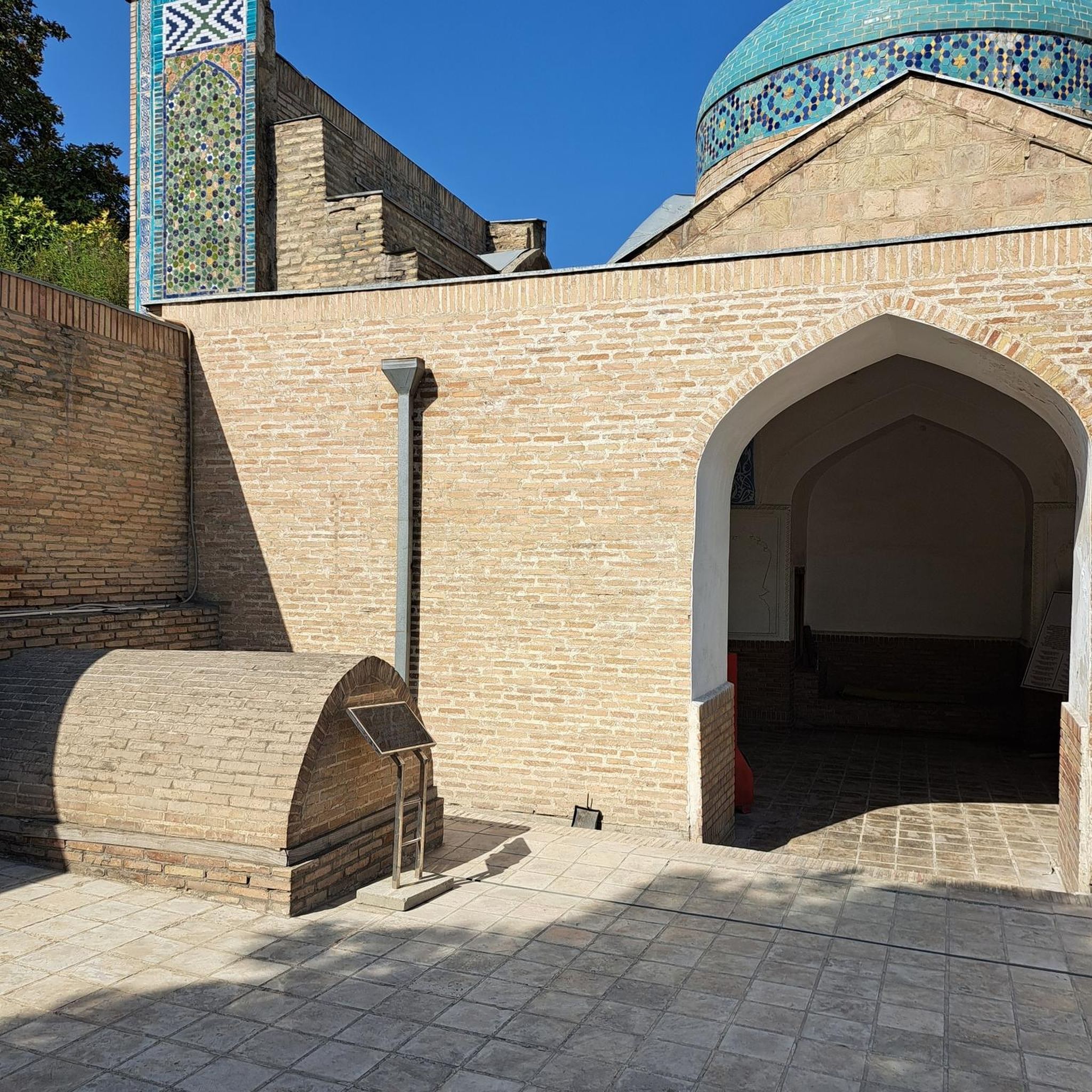
The Palais Saint-Georges has the Jardin Saint Georges at its feet.
1
1

This 17th century palace has had several lives: abbey, barracks and today the headquarters of various municipal services.
0
0

Using the power of moving water to drive a mill wheel is an ancient invention that dates back to pre-Christian times. Thanks to such a construction, human or animal muscle power could be easily replaced by a watercourse - natural or artificially created - in order to grind grain into corn, for example. There are essentially two different ways of driving watermills: either the water simply hits the blades of the water wheel from below to set it in motion; or the water is guided above the wheel and falls onto the blades; this type of construction is more efficient due to natural gravity.
0
0
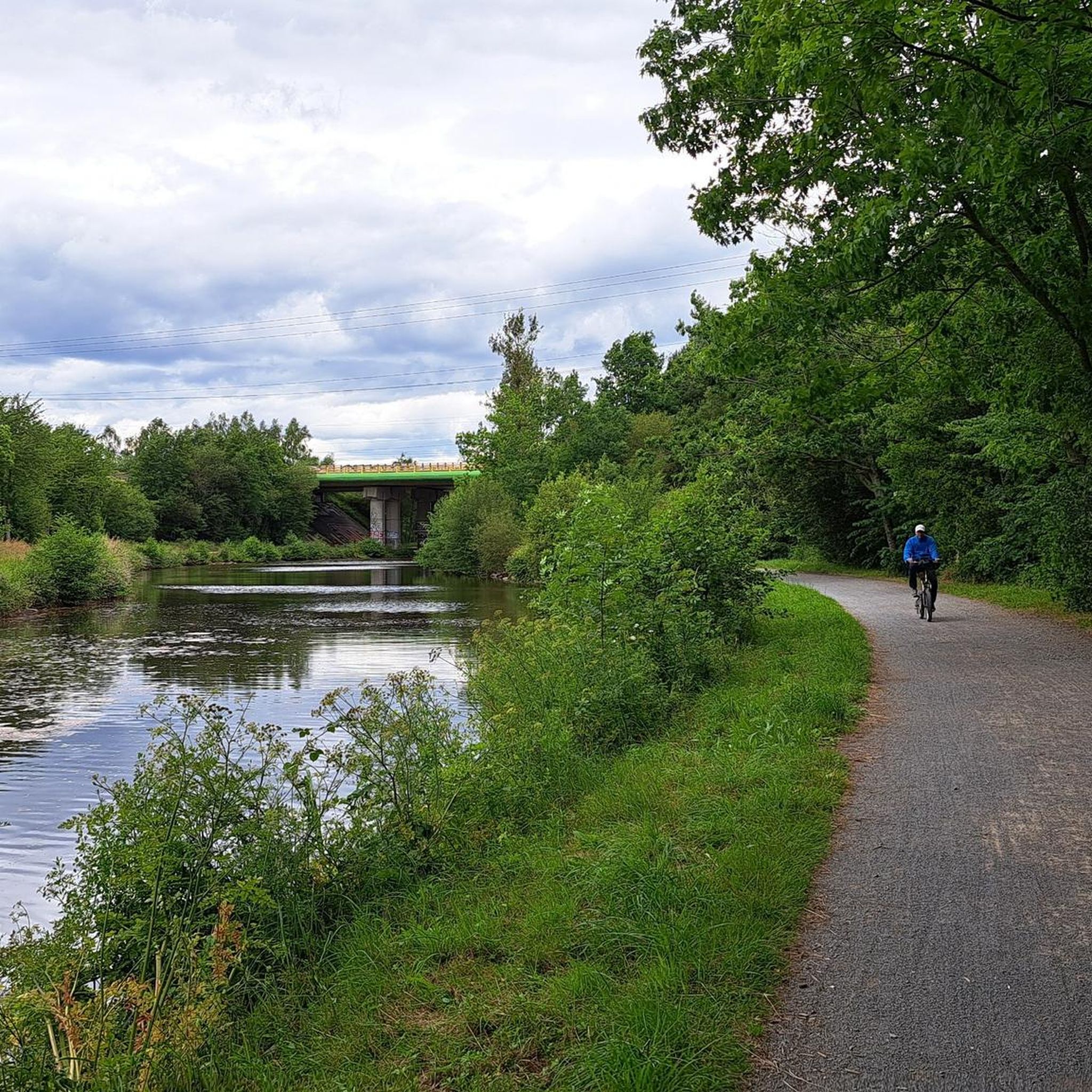
Nowadays, only very few mills are still in operation in their original function, but they appear to hikers and cyclists along the river or canal as technical and historical monuments of an ancient craft tradition: Only through human ingenuity and the power of flowing water as driving energy, the heavy millstones inside were moved and so, for example, grain could be ground into flour (so-called grain mills) or oil could be pressed from fruits (e.g. olives) (so-called oil mills).
0
0

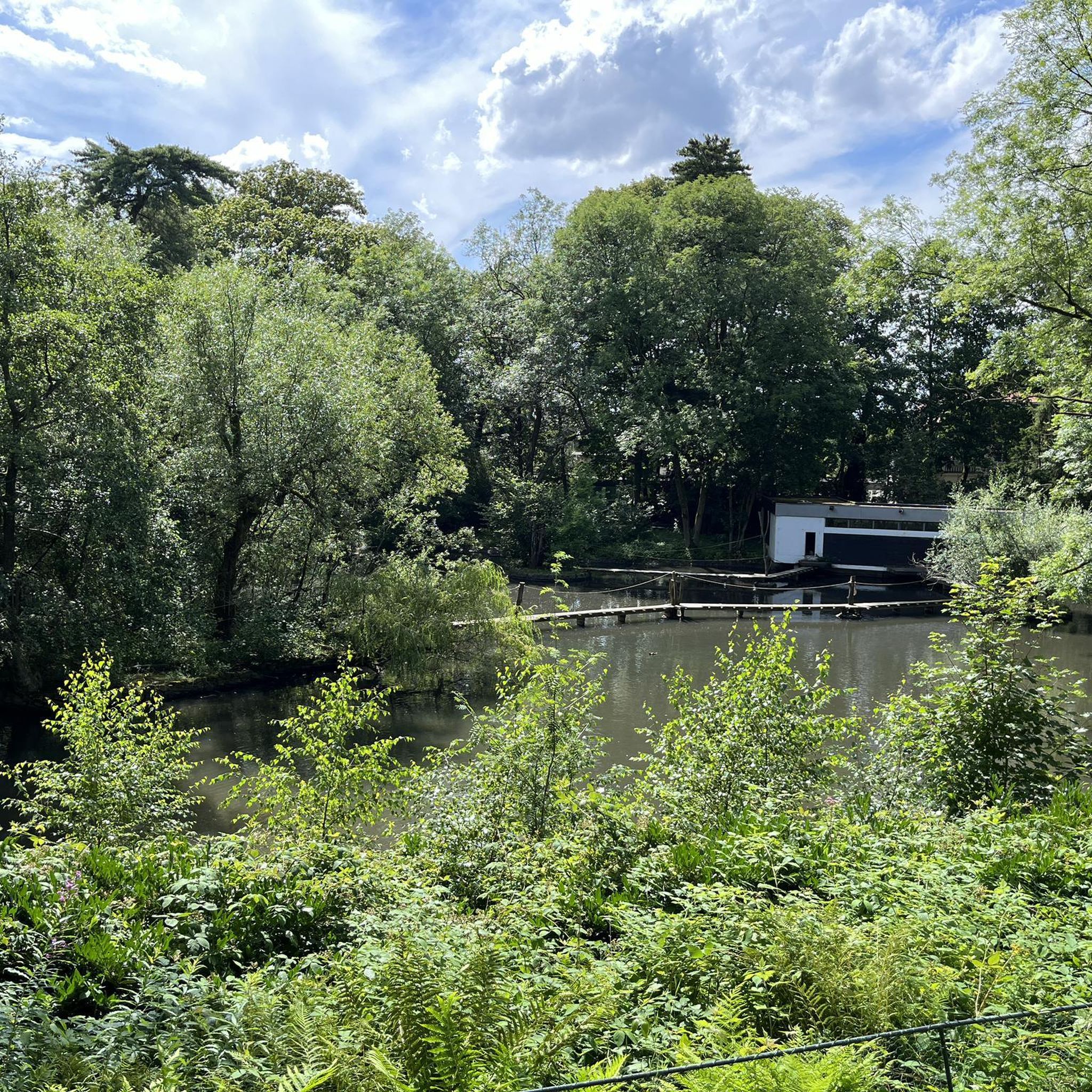
Beautiful walk on the Vilaine passing through Roazhon Park!
0
0

The wash house is located just opposite the body of water (unfortunately not visible in the photo). Formerly used for washing, it now serves more as a historical monument.
0
0

The oldest remains of the parish church of Sainte-Justine de Gévezé date from the 12th century, notably a bay in the south wall of the nave. The Sainte-Justine Church was rebuilt in the 15th and 16th centuries, of which it retains some elements of its framework, or even gargoyles and crossettes with fantastic animal shapes. A tower had been built between 1614 and 1628. This one threatening to fall into ruins was rebuilt in the middle of the 19th century, in a different place: the bottom of the nave. The plans and specifications for this new porch bell tower were drawn up by Jacques Mellet who took delivery of the work in 1858. (wiki-rennes.fr)
0
0

Saint Justine is a 1st century martyr in Padua. Baptized in Padua by a disciple of Saint Peter, she remained firmly faithful to faith in Jesus Christ at the time of the persecutions. For her faith, she was pierced with a sword. The fame of his so lively faith spread throughout the Roman Empire, as far as Gaul, despite the hostile climate towards Christians. In Gévezé, the oldest remains of the church date from the 12th century, notably a bay in the south wall of the nave. The Sainte-Justine Church was rebuilt in the 15th and 16th centuries, of which it retains some elements of its framework, or even gargoyles and crossettes with fantastic animal shapes. A tower had been built between 1614 and 1628. This one threatening to fall into ruins was rebuilt in the middle of the 19th century, in a different place: the bottom of the nave. The Sait-Justine church housed two side altars dedicated to the Virgin and Saint Anne, made of stone and marble by the Rennes sculptor Bernard Dupont in 1637. They were demolished in 1783, by kind rationalist supporters of the Fraternal Republic and democratic.
1
0
Frequently Asked Questions
What historical sites can I visit around La Chapelle-Des-Fougeretz?
The region is rich in history. You can explore the Saint-Georges Palace, a former abbey residence now serving as the municipality's administrative building with a public garden. Another significant site is Charbonnière Mill, a historical monument with an easy path along the canal. Don't miss The Maltière Execution Hill, a poignant historical site from WWII.
Are there any family-friendly attractions in the area?
Yes, the Waterwheel at Roazhon Park is considered family-friendly. It's a man-made monument demonstrating water power, located along the Vilaine river, and offers a beautiful walk through Roazhon Park.
Where can I find scenic natural spots or walks near La Chapelle-Des-Fougeretz?
For scenic walks, the area around Charbonnière Mill offers an easy path along the canal, perfect for a loop from the city center. The Saint-Georges Palace also features a beautiful green area and public garden. Additionally, the walk along the Vilaine river passing through Roazhon Park is highly recommended.
What outdoor activities are popular around La Chapelle-Des-Fougeretz?
The region offers diverse outdoor activities. You can find numerous hiking trails, including easy to moderate loops like the 'Pacé bridge – Suspension bridge loop' (7.6 km) or the 'Moroccan Garden loop' (9.5 km). For cyclists, there are road cycling routes and mountain biking trails available.
Are there hiking trails suitable for different skill levels?
Yes, there are hiking trails for various skill levels. For an easy walk, consider the 'Pacé bridge – Suspension bridge loop' which is about 7.6 km. Moderate options include the 'LM -GEVEZE-VIGNOC loop' (7.8 km) and 'The Banks of the Flume – Suspension bridge loop' (11 km). You can find more details on hiking around La Chapelle-Des-Fougeretz.
Can I find cycling routes near the attractions?
Absolutely. The area around Charbonnière Mill is suitable for cycling, with an easy path along the canal. For more dedicated routes, there are several road cycling routes and MTB trails, ranging from easy to difficult, such as the 'Saint-Gilles Church loop' (28.8 km, easy) or the 'Rennes Forest – Chevaigné Lock loop' (47.2 km, moderate).
What is the significance of the Charbonnière Mill?
The Charbonnière Mill is a historical monument that represents an ancient craft tradition. While few mills operate in their original function today, they stand as technical and historical landmarks, showcasing human ingenuity in harnessing water power to grind grain or press oil. The surrounding area is also a popular spot for walking and cycling.
What is the history behind The Maltière Execution Hill?
The Maltière Execution Hill, originally built as a shooting range in 1937, became a crucial site during WWII. From 1940 to 1944, it was occupied by German forces who used it to execute resistance fighters. Over 75 resistance members were shot there, making it a deeply significant and somber historical landmark for the region.
What do visitors particularly enjoy about the attractions in this region?
Visitors appreciate the blend of historical buildings, mills, and natural river paths. The easy cycling path along the canal near Charbonnière Mill is a favorite, as is the beautiful walk through Roazhon Park by the Waterwheel. The green areas and historical context of sites like Saint-Georges Palace are also highly valued.
Are there any religious or architectural landmarks to see?
Yes, the Catholic Church - St. Justine of Gévezé is a notable architectural landmark. Its oldest remains date back to the 12th century, with significant rebuilding in the 15th and 16th centuries. It features elements like gargoyles and crossettes with fantastic animal shapes, showcasing centuries of religious and architectural history.
Are there any easy walks or paths suitable for a relaxed stroll?
For a relaxed stroll, the path along the canal near Charbonnière Mill is ideal. It's an easy, flat route perfect for a leisurely walk or bike ride. Additionally, the public garden at Saint-Georges Palace offers a pleasant green space for a gentle walk.
Is the Waterwheel at Roazhon Park accessible for a visit?
Yes, the Waterwheel at Roazhon Park is located along the Vilaine river and is part of a beautiful walk through the park, making it easily accessible for visitors to observe this man-made monument.
Most popular routes around La Chapelle-Des-Fougeretz

Get inspired with the komoot mobile app


Explore more
Still not found the Highlight you’re looking for? See guides of the top attractions in other regions:
