The best road cycling routes around Brassac
4.8
(12)
312
riders
72
rides
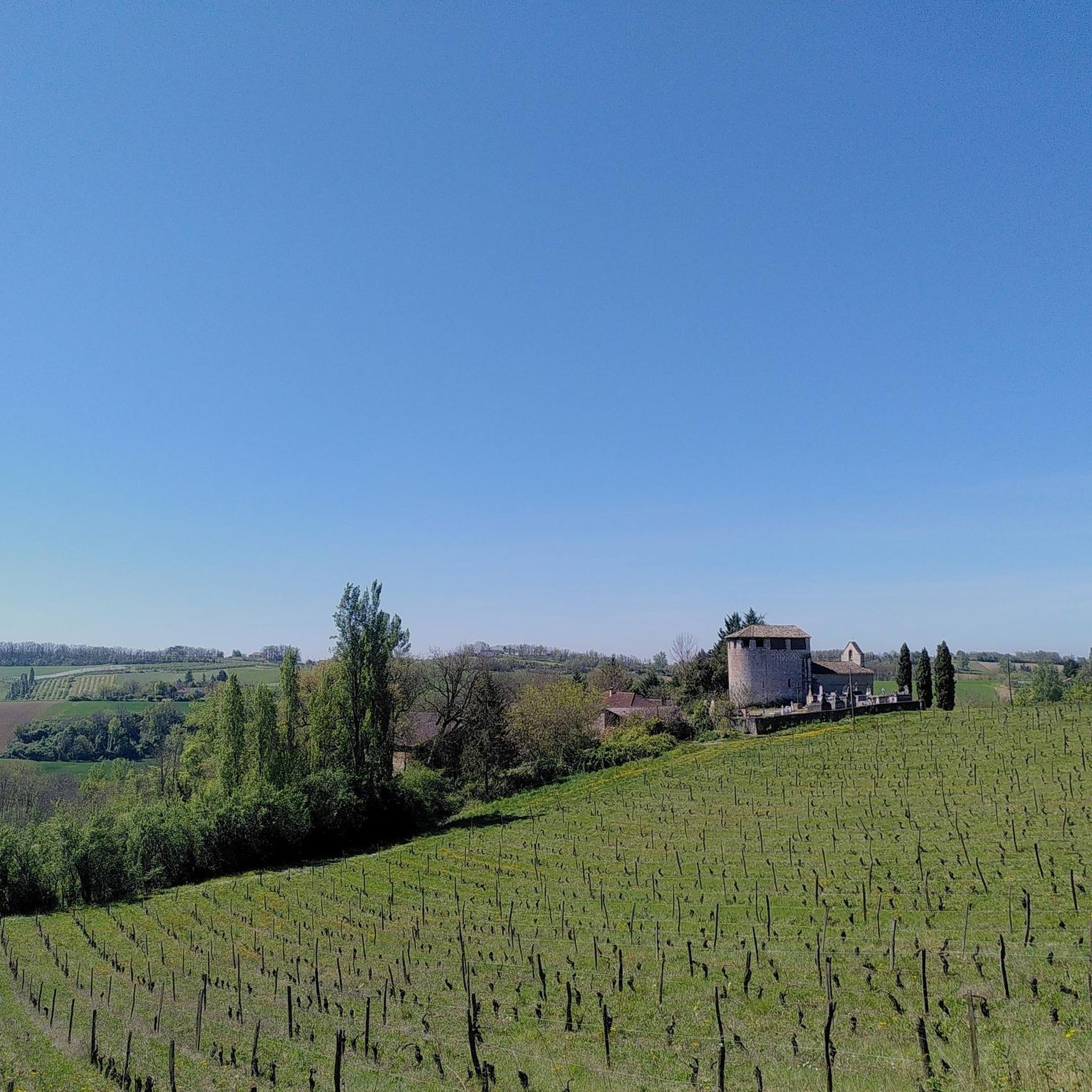
Road cycling routes around Brassac are situated in the Tarn department of France, within the Agout river valley. The region features diverse terrain, ranging from the unique granite formations of the Sidobre massif to the undulating hills of the Monts de Lacaune. Cyclists can find varied landscapes, including river valleys, forested areas, and man-made lakes, all within the western edge of the Haut-Languedoc Regional Natural Park. This environment provides a range of road cycling experiences with varying elevation gains.
Best…
Last updated: June 30, 2026
19
riders
Easy road ride. Great for any fitness level. Mostly well-paved surfaces and easy to ride.
9
riders
58.6km
02:47
440m
440m
Moderate road ride. Good fitness required. Mostly well-paved surfaces and easy to ride.

Sign up for free
12
riders
Moderate road ride. Good fitness required. Mostly well-paved surfaces and easy to ride.
4.0
(3)
6
riders
Moderate road ride. Good fitness required. Mostly well-paved surfaces and easy to ride.
4
riders
63.0km
03:05
710m
710m
Moderate road ride. Good fitness required. Some segments of this route may be unpaved and difficult to ride.
Get access to more routes and recommendations from other explorers.
Sign up for free
Already have an account?
Our route recommendations are based on thousands of hikes, rides, and runs completed by other people on komoot.
Start today with a free account
Your next adventure awaits.
Login or Signup

Tips from the Community


Nice steady climb over beautiful asphalt to the quiet village of Montequieu.
0
0


Saint-Maurin is located in the hollow of a green valley where the Escorneboeuf flows. To see: its half-timbered houses, its market hall, the remains of the Benedictine abbey from the 11th and 12th centuries and its abbey castle built in 1500.
0
0
The construction of Saint-Maurin Abbey dates from the end of the 11th century, following its affiliation with Moissac Abbey and the Benedictine order. This large monastic ensemble spread out to numerous surrounding churches and priories, as many possessions which showed its influence and importance within a radius of 20 kilometers. Ruined then restored several times during the Hundred Years' War and during the Wars of Religion, it was during the Revolution that the buildings were sold in batches. Today, you can still admire the choir of the old abbey church as well as two chapels, the cloister, the convent buildings, the abbey castle and its gardens.
0
0
Combebonnet would have originally been the center of a rural exploitation. To defend it, its owner would have built a small fortress. The original castle had the shape of a right triangle whose east and west angles were topped with cantilevered watchtowers. Two of the sides were naturally fortified. At the end of the 13th or beginning of the 14th century, a square tower armed with cross pattée loopholes was added to the north corner. The castle was remodeled and enlarged at the end of the 15th or beginning of the 16th century. It was perhaps at this time that buildings, now demolished, were attached to the east, and a chapel was built as well as the enclosure which defended some houses. In the 17th century, the castle was extended on the north side. The two semi-circular portals decorated with columns, giving access to the courtyard, date from this period. To the west stands a chapel with a flat apse.
0
0

This long suspension bridge takes you over both the Garonne river and the Canal.
0
0
Frequently Asked Questions
What kind of terrain and elevation can I expect on road cycling routes around Brassac?
Road cycling around Brassac offers diverse terrain. You'll find routes through the unique granite formations of the Sidobre region, undulating hills in the Monts de Lacaune, and flatter sections along the Agout river valley. This variety means you can expect routes with significant elevation gains, particularly in the Monts de Lacaune, as well as more moderate climbs and descents.
Are there road cycling routes suitable for beginners or more experienced riders in Brassac?
Yes, Brassac caters to various skill levels. The region offers a range of road cycling experiences, from moderate loops to more challenging climbs. For example, routes like Moissac – Moissac Canal loop from Fauroux are considered moderate, while other routes in the Monts de Lacaune can provide more demanding elevation gains for experienced cyclists.
What natural features or landmarks can I see while road cycling in Brassac?
The Brassac area is rich in natural and historical features. You can cycle through the distinctive granite landscapes of the Sidobre region, encounter the three large man-made lakes (Lake Laouzas, Lake Raviege, and Lake Saints-Peyres) in the Monts de Lacaune, and enjoy the scenic Agout river valley. The region is also part of the Haut-Languedoc Regional Natural Park, offering extensive forests and preserved nature.
Are there any historical sites or attractions to explore on a road cycling trip near Brassac?
Yes, Brassac and its surroundings offer several historical points of interest. In Brassac itself, you can see the ancient, pedestrian-only 12th-century bridge across the Agout river, two castles (one now the town hall), and the Church of Saint-Georges. Further afield, you might encounter attractions such as Château de Beauville and viewpoint or Combebonnet Castle, which is featured on the Combebonnet Castle – Castelsagrat – Perfect place for lunch break loop from Fauroux route.
When is the best time of year for road cycling in Brassac?
The diverse landscapes of Brassac make it suitable for road cycling across multiple seasons. Spring and autumn generally offer pleasant temperatures and beautiful scenery. Summer can be warm, especially in the river valleys, but the higher elevations of the Monts de Lacaune might provide cooler conditions. Winter cycling is possible, but weather conditions should be checked for potential cold or wet spells.
Are there family-friendly road cycling routes in Brassac?
While Brassac is known for its varied terrain, including challenging sections, there are options for families. The flatter sections along the Agout river valley can provide easier rides. For specific family-friendly routes, it's best to look for trails with lower elevation gains and shorter distances, which are available among the 70+ routes in the area.
Can I find circular road cycling routes in the Brassac area?
Yes, many road cycling routes around Brassac are designed as loops. For example, the Lauzerte loop from Fauroux is a moderate circular route. The region is well-suited for exploring different landscapes and returning to your starting point, with options like the 'Circuit Vélo - C9 La route des lacs' for more experienced cyclists, which is a 100 km loop.
What do other road cyclists enjoy most about road cycling in Brassac?
The road cycling routes in Brassac are highly rated by the komoot community, with an average score of 4.8 stars from over 12 reviews. Cyclists often praise the varied terrain, which includes both challenging climbs and scenic, tranquil sections. The immersion in the Haut-Languedoc Regional Natural Park and the unique geological formations of the Sidobre are frequently highlighted as enjoyable aspects of the experience.
Are there any specific long-distance road cycling routes recommended for experienced riders?
For experienced riders seeking longer distances and significant elevation, the region offers routes that incorporate the Monts de Lacaune. An example of a challenging route mentioned in regional research is the 'Tour of the Sidobre Massif,' a 60.7 km route with substantial elevation gain. Additionally, the 'Circuit Vélo - C9 La route des lacs' is a 100 km loop specifically designed for experienced cyclists, showcasing the region's suitability for demanding rides. You can find more details about the 'Circuit Vélo - C9 La route des lacs' on sidobre-vallees-tourisme.com.
How many road cycling routes are available around Brassac?
There are over 70 road cycling routes available around Brassac, offering a wide variety of distances, elevations, and difficulty levels to suit different preferences and fitness levels.
Are there any routes that combine historical sites with scenic views?
Yes, routes like the Combebonnet Castle – Castelsagrat – Perfect place for lunch break loop from Fauroux offer a blend of historical landmarks and pleasant scenery. This moderate 51.7 km path allows you to explore sites such as Combebonnet Castle while enjoying the natural beauty of the area.
What is the typical duration for road cycling routes in Brassac?
The duration of road cycling routes in Brassac varies significantly depending on the distance and elevation. For instance, a moderate route like Moissac – Moissac Canal loop from Fauroux (58.6 km) typically takes around 2 hours 46 minutes, while longer or more challenging routes will require more time.
Most popular attractions around Brassac

Get inspired with the komoot mobile app


Explore more
Browse the best Road cycling routes in other regions.
