The best road cycling routes around West-Cappel
4.7
(39)
1,454
riders
169
rides
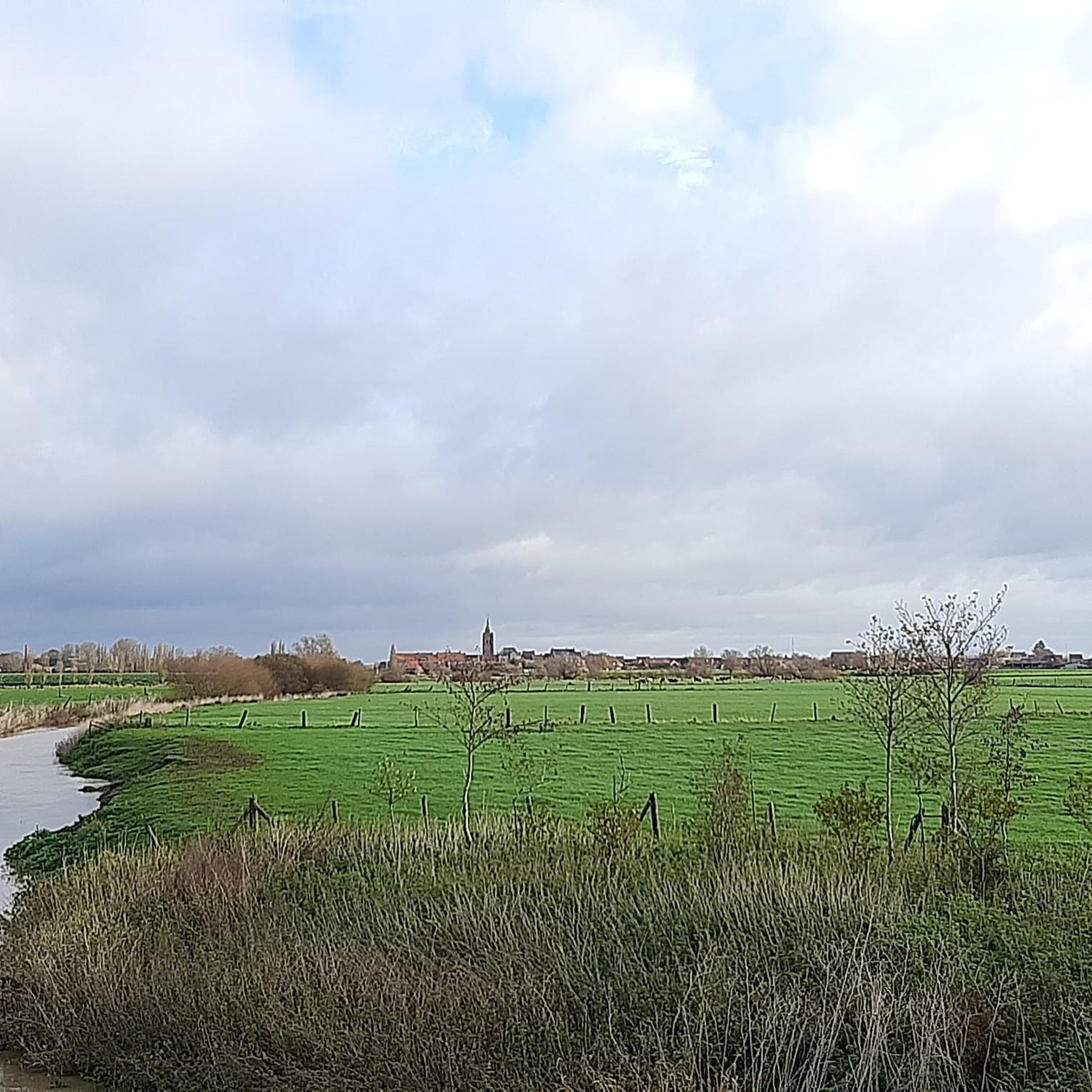
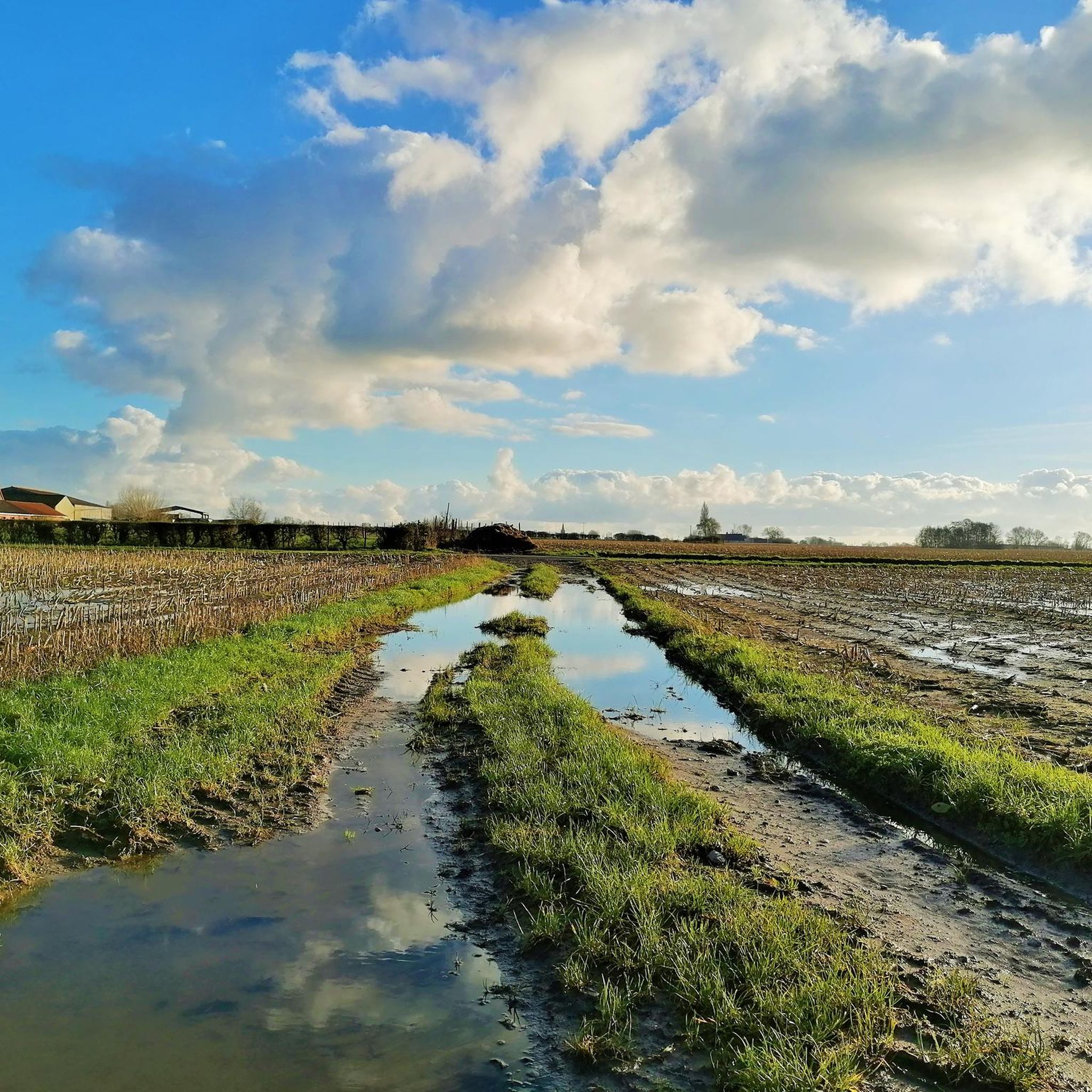
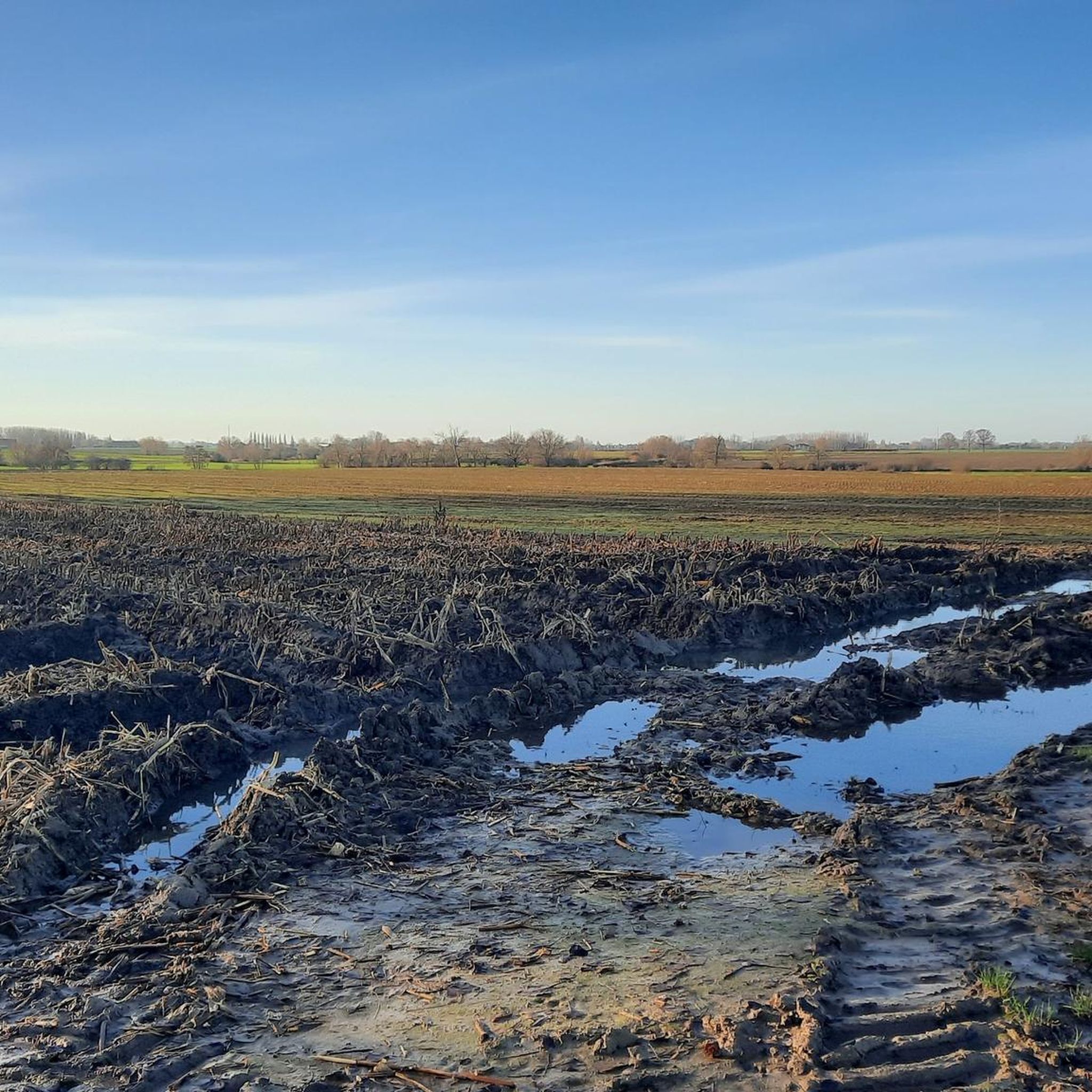
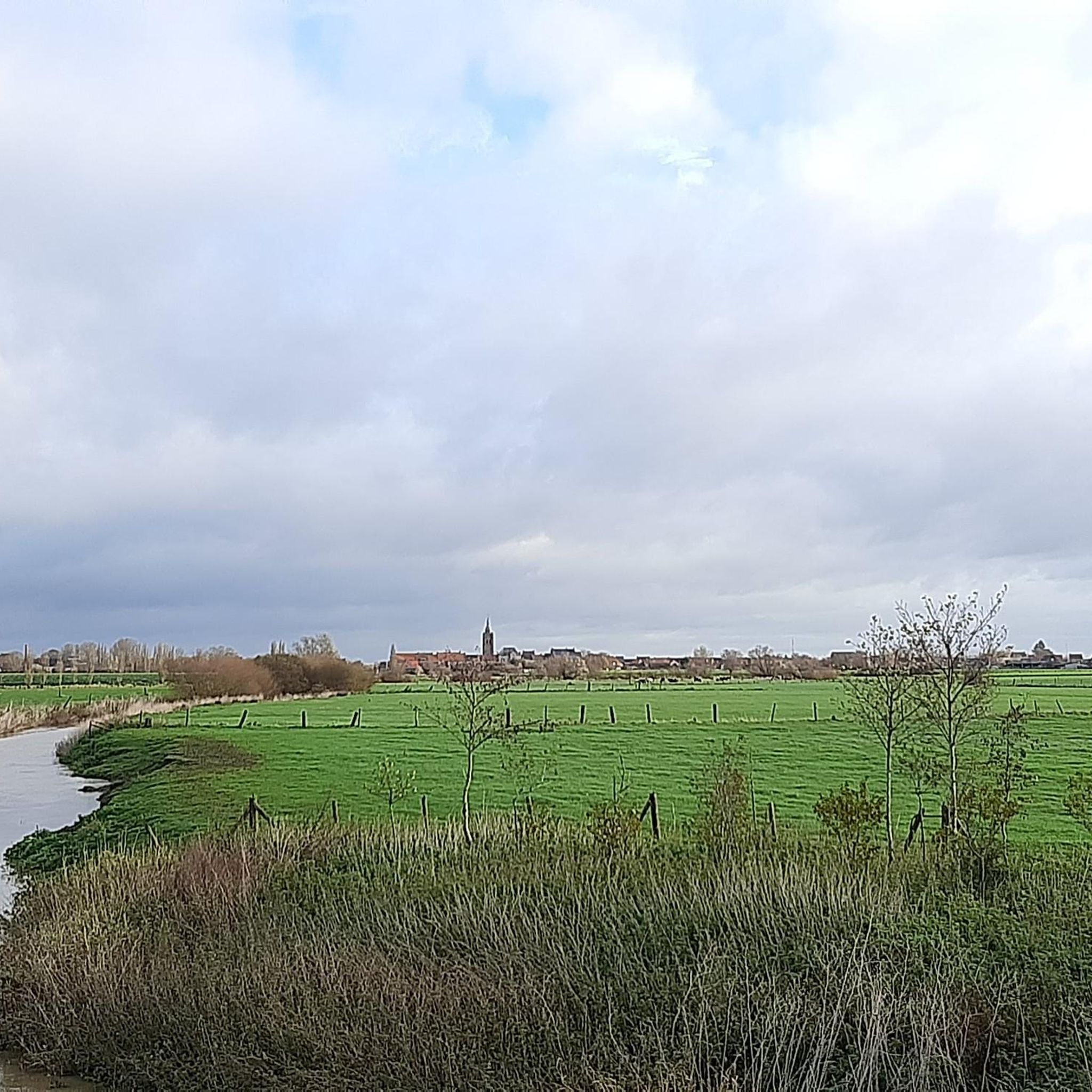
Road cycling routes around West-Cappel traverse a landscape characterized by flat agricultural plains and gentle undulations, typical of the French Flanders region. The area includes polder landscapes and small, isolated hills such as Mont des Cats, which provide varied terrain for road cyclists. Routes often follow open countryside, connecting small villages and offering long, straight sections suitable for consistent riding. The elevation changes are generally modest, with some routes featuring short, gradual climbs.
Best road cycling routes around West-Cappel
- The…
Last updated: July 7, 2026
5.0
(1)
9
riders
49.0km
02:04
100m
100m
Moderate road ride. Good fitness required. Mostly well-paved surfaces and easy to ride.
5.0
(1)
11
riders
45.5km
01:58
300m
300m
Easy road ride. Great for any fitness level. Mostly well-paved surfaces and easy to ride.

Sign up for free
10
riders
46.1km
01:59
370m
370m
Moderate road ride. Good fitness required. Mostly well-paved surfaces and easy to ride.
8
riders
32.9km
01:20
50m
50m
Easy road ride. Great for any fitness level. Mostly well-paved surfaces and easy to ride.
5.0
(1)
9
riders
33.7km
01:18
110m
110m
Easy road ride. Great for any fitness level. Mostly well-paved surfaces and easy to ride.
Get access to more routes and recommendations from other explorers.
Sign up for free
Already have an account?
Our route recommendations are based on thousands of hikes, rides, and runs completed by other people on komoot.
Start today with a free account
Your next adventure awaits.
Login or Signup

Tips from the Community

The monastery was founded in 1492, at the initiative of Canon de Vooght of the Saint Walburga Chapter of Veurne, and Sister Maria Poret, the first superior. A house and property were purchased on Zuidstraat in Lo in 1493. Emperor Maximilian I granted permission in 1493 to build a small chapel, refectory, dormitory, and tower with a clock. The monks were initially present in Lo to combat the plague. The tower sparked a conflict between the provost of the provostry (later to become Saint Peter's Abbey) and the Grey Sisters. The provost considered the tower too high. This led to a lawsuit, in which the judges ruled that the sisters could keep their tower unchanged if they presented the provost with two chickens each year at Easter. The tower was renovated in 1560, destroyed in 1579, and rebuilt on a smaller scale. Besides expansions in the 16th and 17th centuries, the convent also suffered damage and destruction during religious unrest in the same period. A low point was the confiscation in 1798 by the French revolutionaries. A confidant of the sisters, former mayor J.B. Ryon, bought up the undeclared goods so that the sisters could repurchase them after the Concordat. The Grey Sisters founded a school in 1763, and in response to the establishment of a municipal school, they started a Catholic boys' school on Zuidstraat in 1836. During the First World War, Lo was shelled by the Germans, and the convent's tower was destroyed. The 17th-century hospital on the east side of the market square was destroyed and never rebuilt. Reconstruction and repairs of the convent followed in 1922-1926, with the tower being raised, modeled on the town hall tower. The west wing has been restored and adapted in a historicist style. https://nl.wikipedia.org/wiki/Klooster_van_de_Grauwzusters_(Lo)
1
0
The old town hall and belfry now serve as a hotel and restaurant. The town hall and belfry have been on the UNESCO World Heritage List since 1999 as part of the joint registration of a group of 56 belfries in Belgium and France. https://nl.wikipedia.org/wiki/Stadhuis_van_Lo
2
0
The Caesarsboom is an old yew tree (also known as poison tree) in the town of Lo in the Belgian Westhoek region. The tree is one of Lo's typical symbols and is located next to the medieval Westpoort gate. The name refers to a legend about Julius Caesar, who is said to have taken a nap under the tree in 55 BC on his way to Britain and tied his horse to it. The story goes back to the historian Jean-Baptiste Gramaye, who was the first to allow Caesar to pass through Lo in 1612. In reality, the Caesarsboom is approximately 250 years old. A painting from the late 18th century depicts its predecessor in full maturity. https://nl.wikipedia.org/wiki/Caesarsboom
2
0

On August 8, 1885, Jules Destrooper made gourmet history. He didn't know it at the time. That day, Jules opened a small, cozy bakery in Lo, West Flanders. He combined his bakery with a shop selling colonial goods from Africa and Asia. His first cookie, the Almond Cookie, was an immediate hit. You can visit the visitor center Tuesday through Saturday, from 9:30 a.m. to 12:30 p.m. and from 1:30 p.m. to 5:30 p.m.
0
0


There's a picnic table. There's a playground for children at the back. The mill is accessible only from outside. Opening hours: by appointment with the millers José Marchand or Benny Pauwels https://www.vleteren.be/
0
0
In 1526 a hall church was built. This had a crossing tower that dated from the 11th century and had a high spire, so that the total height was 45 meters. In 1902 this church was hit by fire. https://nl.wikipedia.org/wiki/Godewaarsvelde
3
0

Frequently Asked Questions
How many road cycling routes are available around West-Cappel?
There are over 170 road cycling routes around West-Cappel available on komoot, offering a wide range of options for different skill levels and preferences.
What is the general difficulty level of road cycling routes in West-Cappel?
The road cycling routes around West-Cappel are predominantly moderate, with 129 routes falling into this category. There are also 33 easy routes perfect for beginners or casual rides, and 9 more challenging routes for experienced cyclists seeking a greater test.
Are there any family-friendly road cycling routes in the West-Cappel area?
Yes, West-Cappel offers several easy road cycling routes suitable for families. These routes typically feature flat agricultural plains and gentle terrain, making them enjoyable for all ages. Look for routes marked as 'easy' on komoot for the most family-friendly options.
What kind of terrain can I expect on road cycling routes around West-Cappel?
The terrain around West-Cappel is characterized by flat agricultural plains and polder landscapes, typical of French Flanders. While generally flat, some routes include gentle undulations and occasional short, gradual climbs, such as those found near Mont des Cats, providing varied riding experiences.
Are there any circular road cycling routes or loops in West-Cappel?
Yes, many road cycling routes around West-Cappel are designed as loops. For example, the popular Café De Miserie – West Gate loop from Bambecque and the Mont des Cats – View of Mont des Cats loop from Wormhout are excellent circular options that allow you to start and finish in the same location.
What are some scenic viewpoints or landmarks I can see along the routes?
Many routes offer views over the surrounding plains, especially from elevated points like Mont des Cats. You can also explore historical sites such as the Bergues Belfry, religious buildings like the Saint Martin Church, or the unique Spinnewyn Mill. The Mont des Cats – View of Mont des Cats loop from Wormhout specifically highlights views from Mont des Cats.
When is the best time of year to go road cycling in West-Cappel?
The best time for road cycling in West-Cappel is typically during the spring, summer, and early autumn months (April to October) when the weather is milder and the days are longer. The open landscape means routes can be exposed to wind, so checking the forecast is always recommended.
Are there any long-distance road cycling routes available?
While many routes are moderate in length, you can find longer options that traverse the polder landscape. The De Moeren – Café De Miserie loop from Bambecque, for instance, covers nearly 63 km, offering a substantial ride through the region.
What do other road cyclists enjoy most about the routes in West-Cappel?
The road cycling routes in West-Cappel are highly rated by the komoot community, with an average score of 4.5 stars from over 40 reviews. Cyclists often praise the quiet agricultural roads, the gentle terrain suitable for consistent riding, and the charming small villages connecting the routes.
Are there any coastal road cycling routes near West-Cappel?
Yes, some routes extend towards the coast, offering a different cycling experience. The Malo-les-Bains Beach – Malo-les-Bains Beach loop from Warhem is an easy route that takes you to the coast, allowing you to enjoy views of the North Sea.
Are there cafes or places to stop for refreshments along the road cycling routes?
Yes, many routes connect small villages where you can find local cafes or bakeries for refreshments. The route Café De Miserie – West Gate loop from Bambecque even has 'Café De Miserie' in its name, indicating a potential stop. Planning your route with komoot allows you to identify such points of interest.
What are the winter conditions like for road cycling in West-Cappel?
Winter conditions in West-Cappel can be cold and damp, with a higher chance of rain and strong winds due to the open landscape. While cycling is possible, it's advisable to wear appropriate warm and waterproof gear, and be mindful of potentially slippery surfaces or reduced visibility.
Most popular attractions around West-Cappel

Get inspired with the komoot mobile app


Explore more
Browse the best Road cycling routes in other regions.
