Attractions and Places To See around Noironte - Top 20
Attractions and places to see around Noironte include a mix of historical sites, natural features, and cycling routes. This commune in the Doubs department of France offers opportunities to explore landmarks and enjoy the outdoors. The region features significant historical structures and scenic natural monuments. Visitors can also find well-developed cycle paths along canals and rivers.
Best attractions and places to see around Noironte
- The most popular attractions is The Holed Rock, a natural monument that offers unobstructed views…
Last updated: May 9, 2026
EuroVelo 6: Doubs and Rhône-Rhine Canal from Beure to Ranchot
Highlight (Segment) • Cycleway
Translated by Google •
Tip by

Historic Center of Marnay
Highlight • Historical Site
Very prosperous in the Middle Ages, due to its trade and its artisans. There …
Translated by Google •
Tip by

Sign up now to discover places like this
Get recommendations on the best single tracks, peaks, & plenty of other exciting outdoor places.
Sign up for free
Fort de Planoise
Highlight • Viewpoint
The fort itself …
Translated by Google •
Tip by

The Holed Rock
Highlight • Natural Monument
It also has the advantage and the comfort of being placed on …
Translated by Google •
Tip by
🇨🇵 France 12 Dole - Besançon
Highlight (Segment) • Other
Translated by Google •
Tip by

Sign up for free to discover even more attractions around Noironte.
Sign up for free
Already have an account?
Start today with a free account
Your next adventure awaits.
Login or Signup


Tips from the Community

With today's start in Dole, we have left the Burgundy region, which was independent until 2015, and are now also moving into the former Franche Comté region, which existed until 2015. In 2015, both regions were merged to form the new Bourgogne Franche Comté region. On this section, the Rhine-Rhone canal flows for large parts in the bed of the Doubs, which has its source in the Swiss Alps. Besançon is the capital of Franche-Comté, voted the "greenest city in France", and the city of art and history; Besançon has 184 buildings classified as Historic Monuments. Vauban's fortifications are a UNESCO World Heritage Site (citadel, city walls and Fort Griffon). The Rhine-Rhone Canal is a watershed canal that overcomes a total height difference of around 280 meters, of which 170 meters are on the Saône valley side, which are overcome with 82 locks, and 110 meters on the Rhine side, which requires 40 locks.
0
0

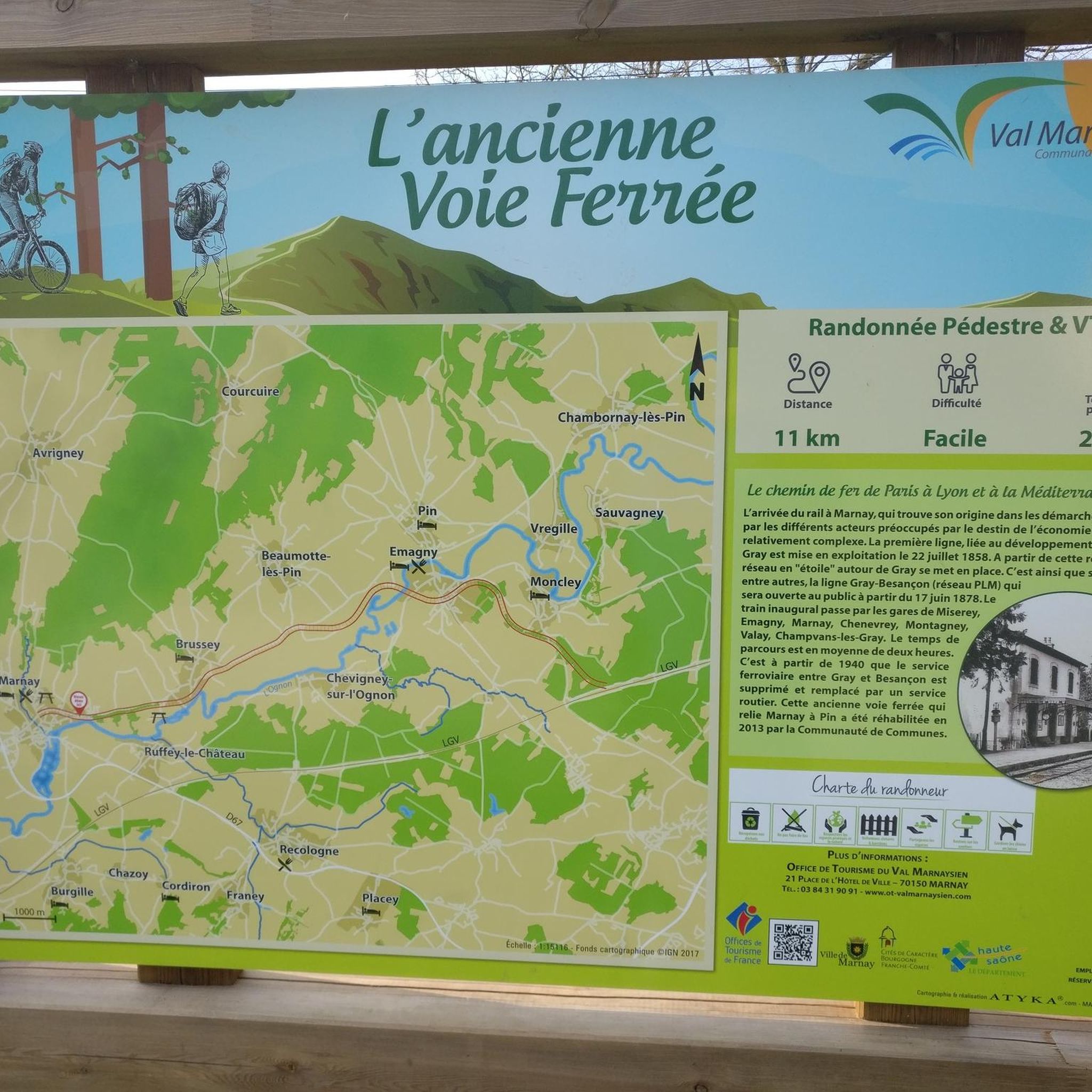
Characterful Comtoise town which was part of the Holy Roman Empire until the treaty of 1678. Very prosperous in the Middle Ages, due to its trade and its artisans. There has been a cloth hall there since the 14th century, after Jeanne de Bourgogne, countess of Franche-Comté and queen of King Philippe V the Long of France, brought weavers from Paris there. From June 14, 1354 and until the Revolution, the bourgeoisie of Marnay had a charter of emancipation which ensured them security and abundance - "anyone who has a house and keeps fire in the village will be bourgeois". This charter allowed residents to administer the city themselves and thus build ramparts and set up the individual gardens that can still be found there today.
0
0

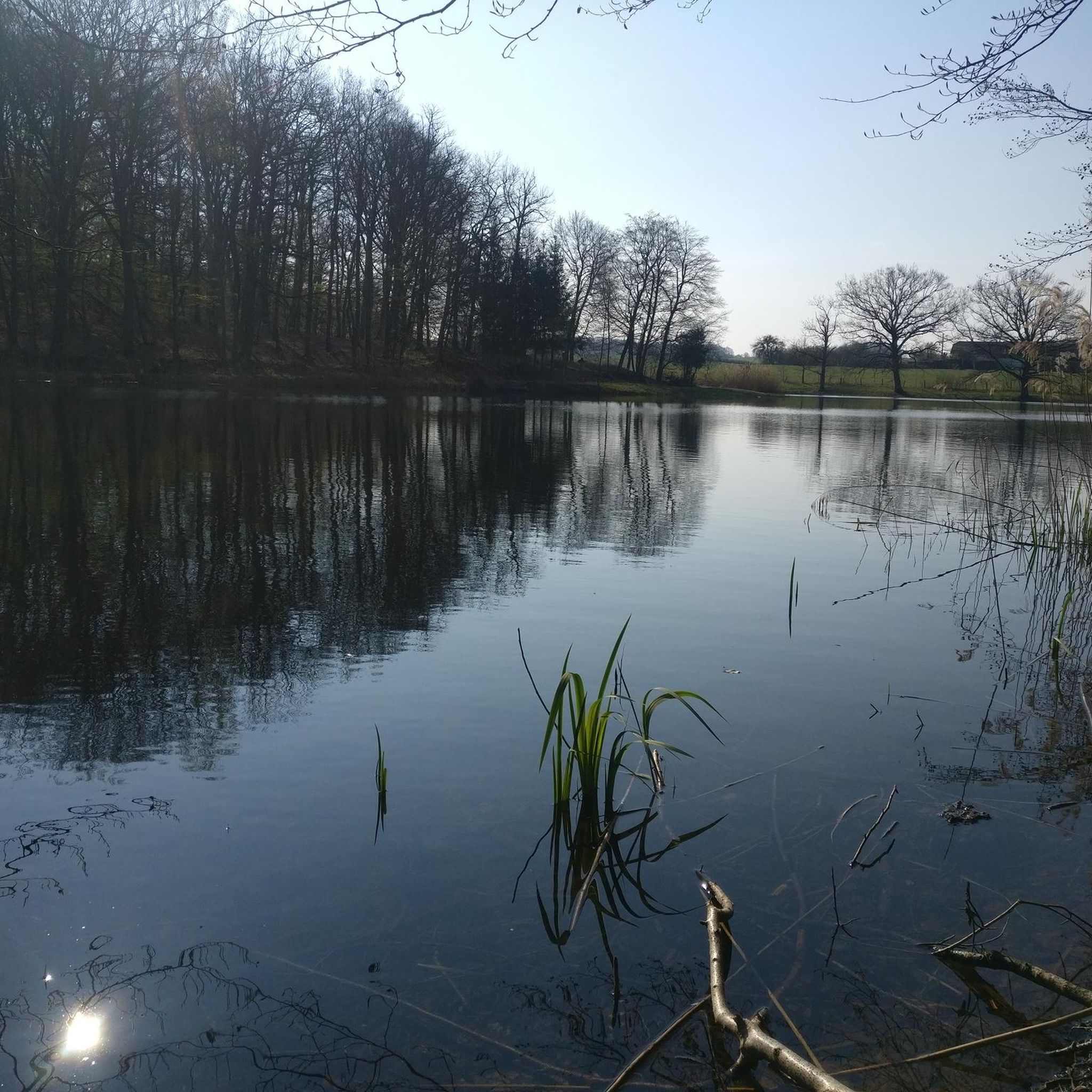
Beautiful scenery and nice bike path.
2
1
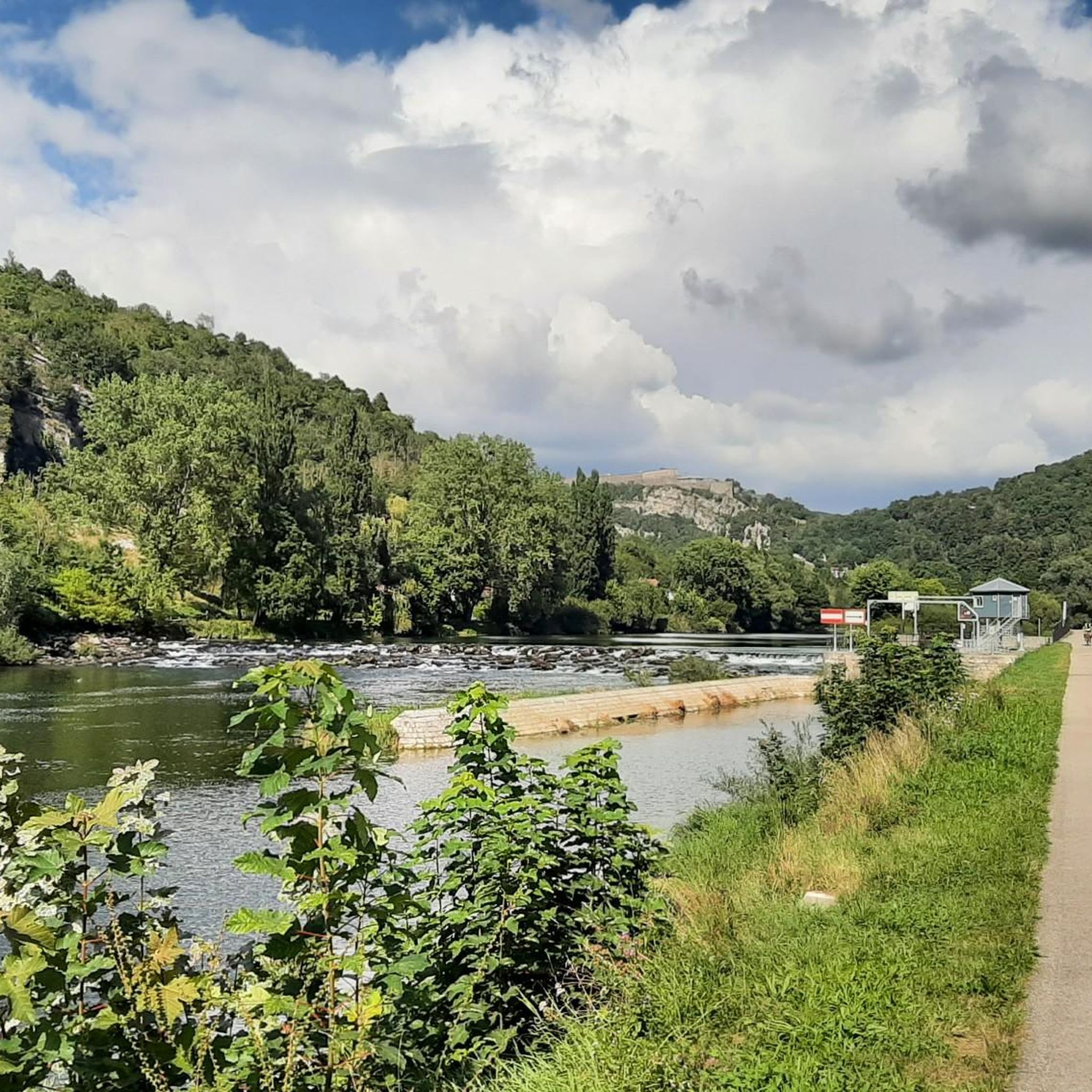
Great bike path and beautiful scenery on the canal and Doubs.
2
1

Fort de Planoise was built between 1877 and 1892 to protect the Avanne-Aveney bridge, an important traffic artery at the time. It is an ideal place to visit to immerse yourself in nature and walk on the heights.
2
0

this is cycling meditation - and now at the end of May everything is blooming. Enjoying a beautiful landscape in peace - away from car traffic. Highly recommended. One of the most beautiful sections of the EuroVelo 6.
3
0

Fort de Planoise straddles the municipalities of Besançon and Avanne-Aveney. As such, it offers beautiful views of the two towns, including a window on the Avanne mill. The fort itself is a set of fortifications organized on the foothills of the hill with a central building at the top. By walking the paths of the hill, you will be able to discover many vestiges.
0
0
Lovers of unobstructed views, exploration and rock formations, this little detour through the Roche Trouée will delight you. It also has the advantage and the comfort of being placed on the path and therefore avoids you having to go blind, in the middle of the woods, in an environment bordered by cliffs. Come and test your voice and the echo of the vault. With its height of over 4m and reach of almost 10m, you should have a bit of responsiveness.
0
0
Frequently Asked Questions
What historical sites can I explore around Noironte?
Noironte and its surroundings offer several historical sites. You can visit the Château de Noironte, a significant landmark with origins dating back to the 14th century, featuring impressive architecture and a park. Another notable site is Fort de Planoise, built between 1877 and 1892, which provides scenic views and allows visitors to discover many vestiges along its paths. Additionally, the Historic Center of Marnay, a characterful Comtoise town, boasts a 14th-century cloth hall and ramparts.
Are there any natural attractions or viewpoints near Noironte?
Yes, for nature lovers, The Holed Rock (La Roche Trouée) is a unique natural monument featuring a vault over 4 meters high and nearly 10 meters in reach, offering unobstructed views. You can also enjoy the local outdoors at L'étang du Creux du Renard and Le bois du Breuil within Noironte. Fort de Planoise also serves as a viewpoint, offering beautiful vistas of Besançon and Avanne-Aveney.
What cycling opportunities are available around Noironte?
The region is excellent for cycling, particularly along the EuroVelo 6: Doubs and Rhône-Rhine Canal. This well-developed cycle path offers beautiful scenery away from car traffic and is considered one of the most picturesque sections of the EuroVelo 6 route. For more specific routes, you can explore various road cycling options, such as the 'Suspension bridge – Rhine-Rhone Canal loop' or the 'Charcenne – Historic Center of Marnay loop', which are detailed in the Road Cycling Routes around Noironte guide.
Are there family-friendly activities or attractions in the area?
Yes, several attractions are suitable for families. The EuroVelo 6: Doubs and Rhône-Rhine Canal is a well-developed cycle path perfect for family bike rides. The Historic Center of Marnay offers a charming town to explore with historical significance. Additionally, walking around L'étang du Creux du Renard and Le bois du Breuil in Noironte provides easy outdoor enjoyment for all ages.
What kind of hiking or running trails can I find near Noironte?
You can find a variety of trails for hiking and running. For example, the 'Feudal Enclosure of Châtelard loop' offers moderate running trails. The area around Noironte also features routes like 'Les Étangs de Noironte loop'. You can find more details and specific routes in the Running Trails around Noironte guide.
What is the best time of year to visit Noironte for outdoor activities?
Late May is particularly enjoyable for outdoor activities around Noironte, especially for cycling along the EuroVelo 6, when everything is blooming and the scenery is at its best. Generally, spring and summer offer pleasant weather for exploring historical sites, natural features, and engaging in cycling or walking.
What are some lesser-known or 'hidden gems' to discover?
Beyond the main attractions, consider exploring the local natural spots like L'étang du Creux du Renard and Le bois du Breuil within Noironte for a peaceful outdoor experience. The Église Saint-Martin in Noironte, with its 18th-century wooden pulpit, also offers a glimpse into local heritage.
Can I find mountain biking or gravel biking routes near Noironte?
Yes, there are options for mountain biking and gravel biking. Routes such as 'View of Recologne – Les Étangs de Noironte loop' offer moderate gravel biking experiences. More challenging routes like 'Technical Section – Bois d'ambre saint vit loop' are also available. For a comprehensive list, refer to the Gravel biking around Noironte guide.
What is there to see in Besançon, which is close to Noironte?
Besançon, just 12 kilometers from Noironte, is a city rich in art and history. It boasts 184 buildings classified as Historic Monuments, including Vauban's fortifications (the citadel, city walls, and Fort Griffon), which are a UNESCO World Heritage Site. Other attractions include the Museum of Fine Arts and Archeology, and the Parc de la Gare d'Eau.
What do visitors particularly enjoy about the attractions near Noironte?
Visitors frequently praise the well-developed and scenic cycle paths, especially the EuroVelo 6, for its peaceful experience away from car traffic. The unique rock formations and unobstructed views at The Holed Rock are also highly appreciated. Many enjoy the blend of nature immersion and historical exploration offered by sites like Fort de Planoise.
Are there any specific architectural landmarks in Noironte itself?
Within Noironte, the Château de Noironte is a prominent architectural landmark. Its current structure, largely built between 1786 and 1830, features two main buildings, towers, and an early 19th-century park. Parts of its interior, including the dining room, library, and grand white living room, are classified as Historic Monuments.
Most popular routes around Noironte

Get inspired with the komoot mobile app


Explore more
Still not found the Highlight you’re looking for? See guides of the top attractions in other regions:
