The best MTB trails around Les Sauvages
4.5
(122)
586
riders
96
rides
Mountain biking around Les Sauvages offers a network of trails characterized by significant elevation changes and varied terrain. The region features numerous mountain passes and forested areas, providing challenging climbs and descents. Many routes traverse hilly landscapes, including areas with wind farms, indicating open, elevated sections. The trails cater to mountain bikers seeking longer distances and substantial ascents.
Best mountain bike trails around Les Sauvages
- The most popular mountain bike trail is Col de la Croix des Fourches – Fir…
Last updated: July 3, 2026
4.6
(5)
26
riders
60.3km
05:41
1,630m
1,630m
Hard mountain bike ride. Very good fitness required. Advanced riding skills necessary.
8
riders
110km
10:41
3,140m
3,140m
Hard mountain bike ride. Very good fitness required. Advanced riding skills necessary.

Sign up for free
9
riders
38.8km
04:11
1,310m
1,310m
Hard mountain bike ride. Very good fitness required. Advanced riding skills necessary. Some portions of the route may require you to push your bike.
4.7
(3)
9
riders
30.5km
02:35
660m
660m
Moderate mountain bike ride. Good fitness required. Suitable for all skill levels.
11
riders
47.4km
04:13
1,110m
1,110m
Hard mountain bike ride. Very good fitness required. Suitable for all skill levels.
Get access to more routes and recommendations from other explorers.
Sign up for free
Already have an account?
Our route recommendations are based on thousands of hikes, rides, and runs completed by other people on komoot.
Start today with a free account
Your next adventure awaits.
Login or Signup
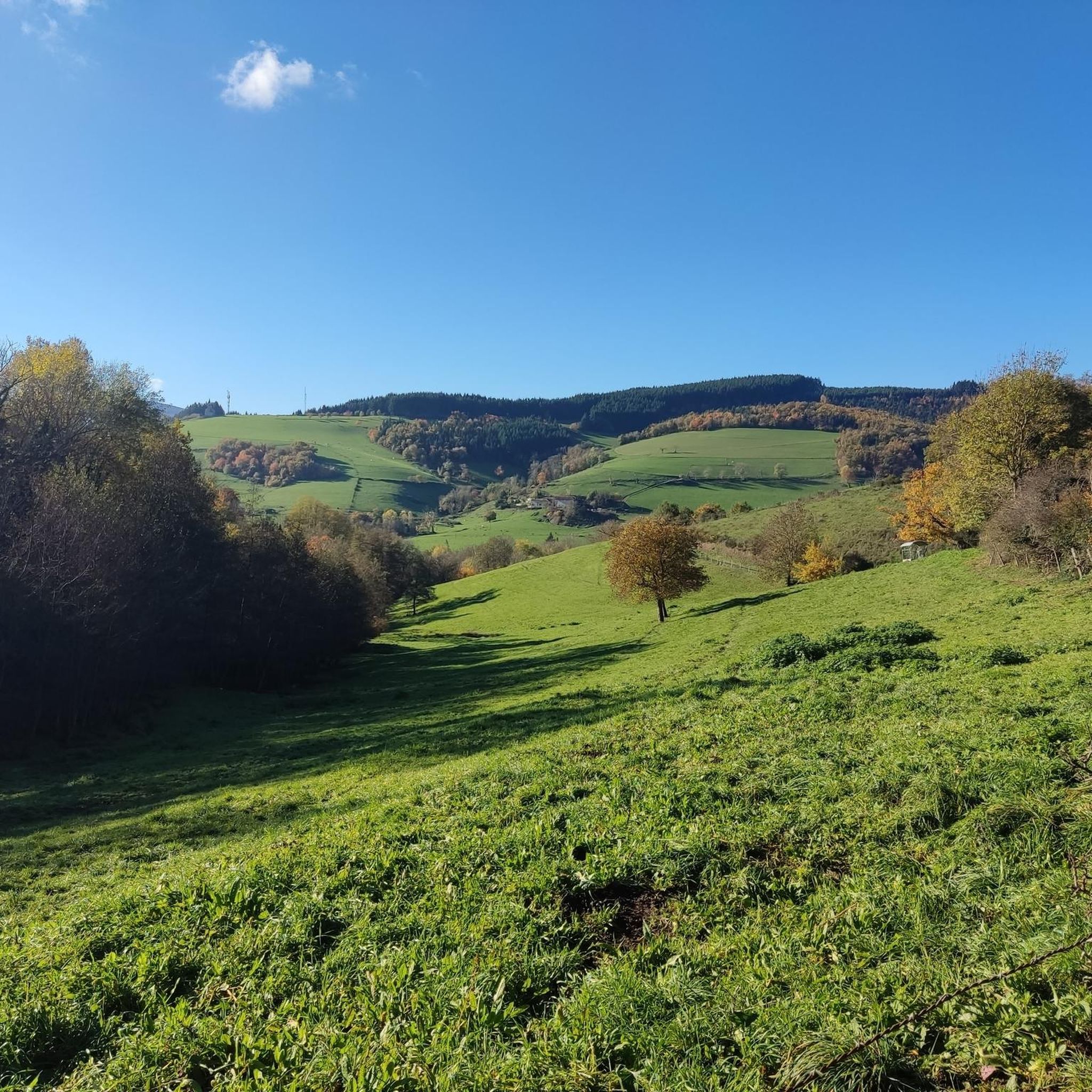
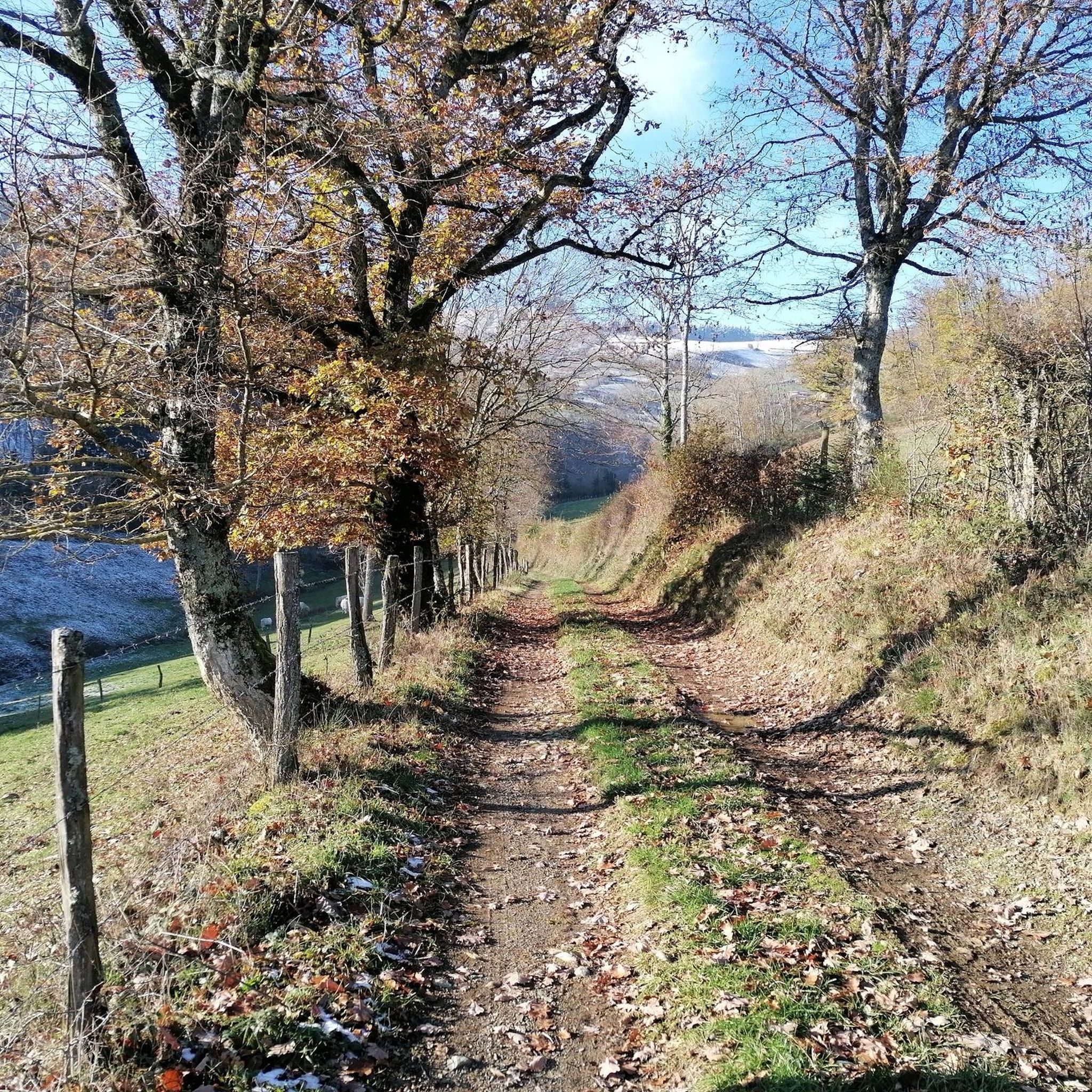
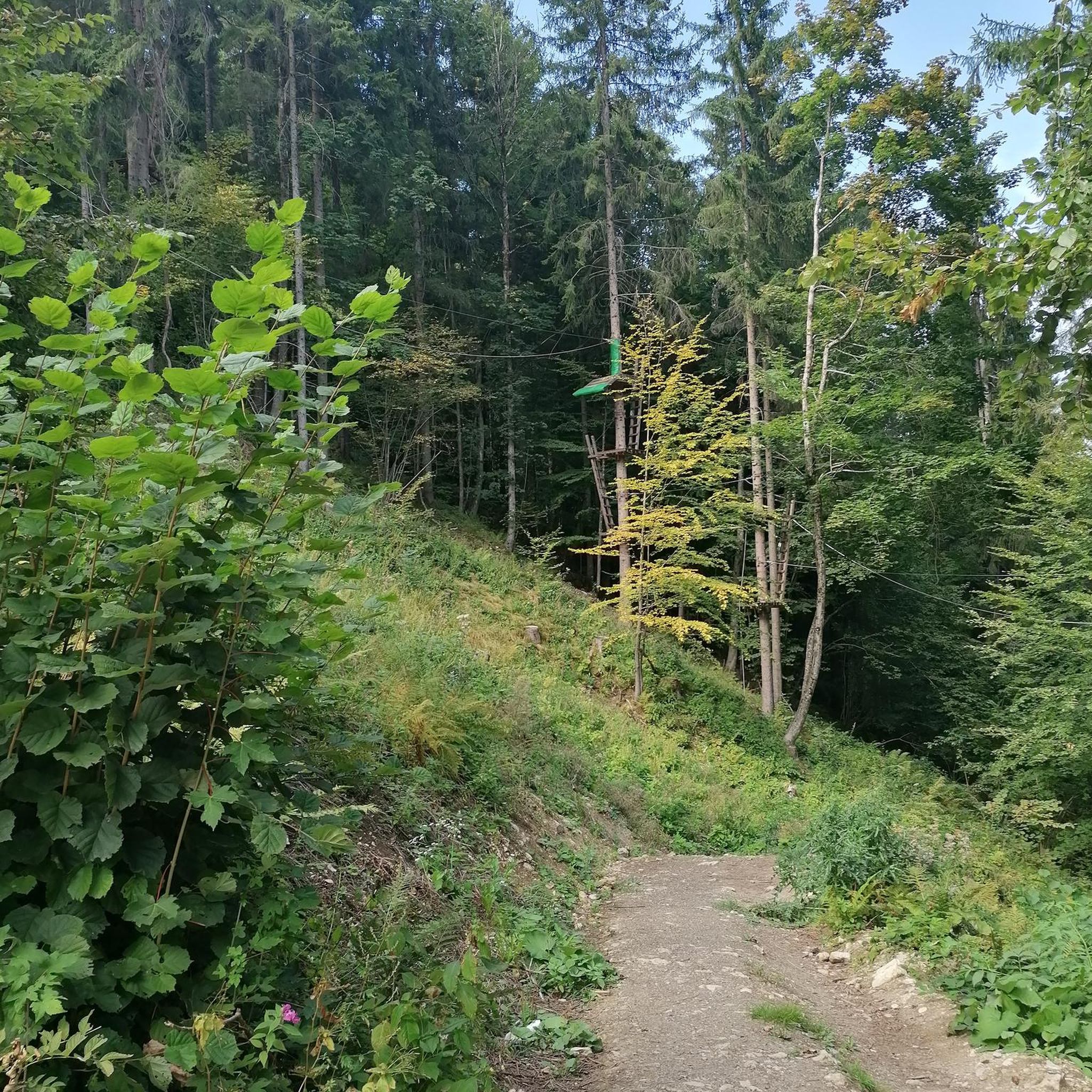
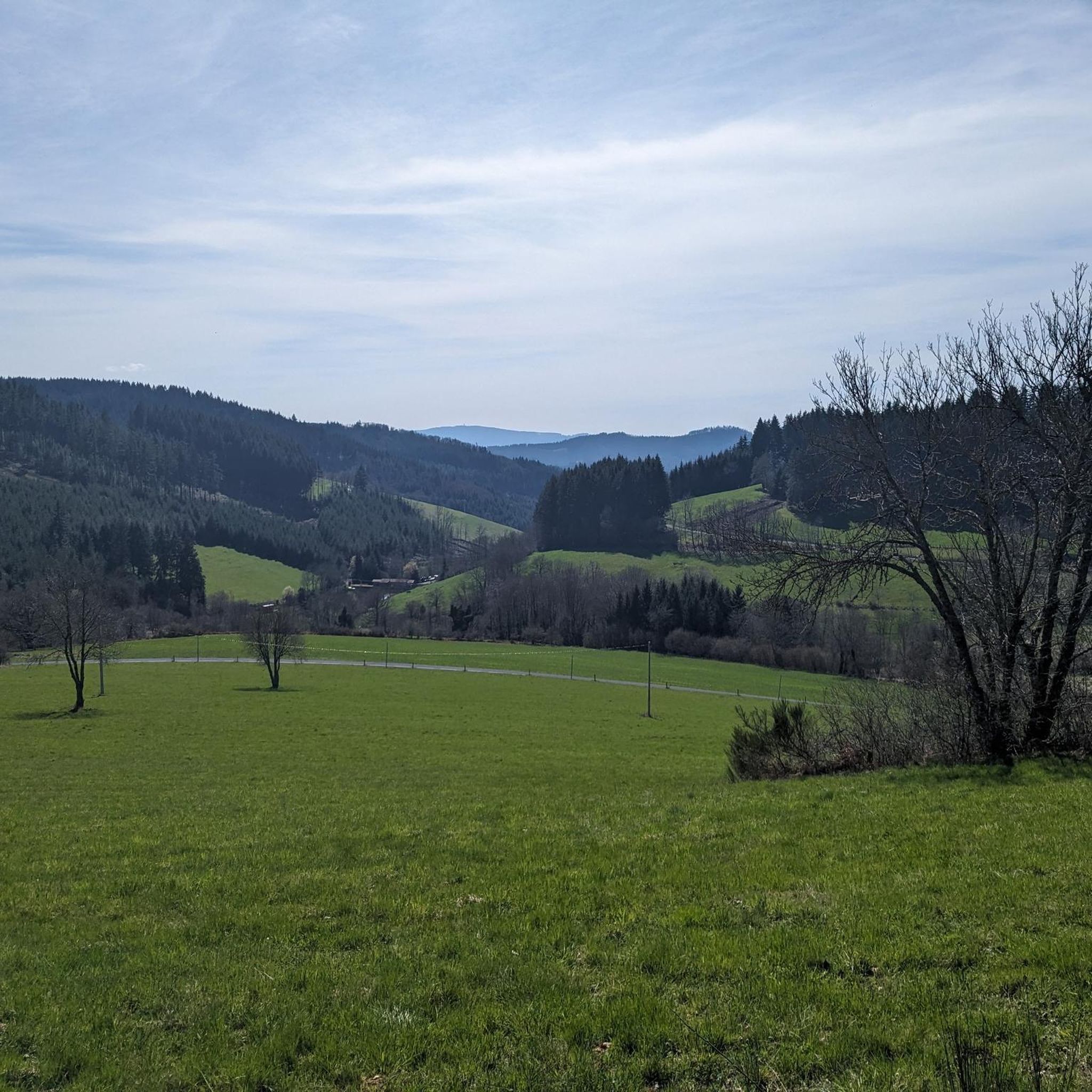
Tips from the Community

Accessible directly from the roadside, on the GR7. You will find two tables and two floors to set up the tent as well as toilets in the metal structure
0
0

beautiful view of the Alps when it is clear
0
0

Several beautiful roads and paths starting from this pass
0
0

Beautiful medieval castle built in the 14th century
0
0
Col de Favardy alt 856m Departure from many trails
0
0

The pass of the pavilion culminates at 755 meters above sea level. The view of the western slope is quite unobstructed. I recommend a stop at the Le Pavillon hostel-hotel, which offers good food and allows you to take a break after climbing the pass.
0
0
The Beaujolais Vert wind farm is the 1st wind farm in the Rhône department. It is made up of four wind turbines and can meet the annual electricity consumption of 13,000 people. Four years of study were necessary to build this park with respect for the environment.
0
0
This chapel was offered to the municipality of Ronno by Jean-Baptiste Dumas, a threshing contractor around 1850. It was following an accident with his threshing machine that he undertook to build a chapel. It was inaugurated on August 15, 1988 after restoration.
0
0
Frequently Asked Questions
How many mountain bike trails are available around Les Sauvages?
There are over 85 mountain bike trails in the Les Sauvages region, offering a wide range of options for different skill levels and preferences.
What is the typical difficulty level of mountain bike trails in Les Sauvages?
The majority of mountain bike trails in Les Sauvages are classified as moderate or difficult. Specifically, there are 54 moderate trails and 29 difficult trails, with a few easier options available. This indicates a region well-suited for riders seeking a challenge with significant elevation changes.
Are there any mountain bike trails suitable for beginners in Les Sauvages?
While the region is known for its challenging terrain, there are a few easier mountain bike trails available. These routes typically feature less extreme elevation changes and shorter distances, providing a good starting point for those new to mountain biking in the area.
What kind of distances and durations can I expect on mountain bike trails in Les Sauvages?
Trails in Les Sauvages vary significantly in length and duration. For example, the Tarare loop from Tarare is a moderate 30.3 km (18.8 miles) route that takes about 4 hours 15 minutes. More challenging routes, like the Col de la Croix Cazard (865 m) – Affoux loop from Tarare, cover 36 km (22.4 miles) and can take over 3 hours 30 minutes, featuring substantial climbs.
Are there many loop mountain bike trails around Les Sauvages?
Yes, many of the mountain bike routes in Les Sauvages are designed as loops, allowing you to start and finish in the same location. Popular examples include the Col de la Croix des Fourches – Fir Lake loop from Amplepuis and the Beaujolais Vert Wind Farm loop from Tarare, which offer circular journeys through the diverse landscape.
What kind of viewpoints or attractions can I expect along the mountain bike trails?
The trails often pass through areas with panoramic views, especially around mountain passes and elevated wind farm sections. Notable attractions include various mountain passes like Col de la Croix des Fourches and Pilon Pass (727 m). You might also encounter natural features like Lac des Sapins or the distinctive Beaujolais Vert Wind Farm.
When is the best time of year for mountain biking in Les Sauvages?
The best time for mountain biking in Les Sauvages is typically from spring through autumn (April to October). During these months, the weather is generally milder, and the trails are less likely to be affected by snow or heavy rainfall, providing optimal riding conditions. Always check local weather forecasts before heading out.
Is mountain biking possible in winter around Les Sauvages?
While some trails might be accessible, winter mountain biking in Les Sauvages can be challenging due to colder temperatures, potential snow, and icy conditions, especially at higher elevations and on shaded forest paths. It's advisable to check local conditions and trail reports, and to be prepared for adverse weather if riding during winter months.
What do other mountain bikers say about the trails in Les Sauvages?
The mountain bike trails in Les Sauvages are highly regarded by the komoot community, holding an average rating of 4.5 stars from over 100 reviews. Riders frequently praise the challenging climbs, rewarding descents, and the diverse scenery, which includes dense forests, open wind farm areas, and scenic mountain passes.
Are there any less-known or 'hidden gem' mountain bike trails in the area?
Many local riders appreciate routes that explore the quieter, forested sections and lesser-known mountain passes. While specific 'hidden gems' are often discovered through exploration, trails that venture deeper into the Beaujolais Vert region away from main roads tend to offer a more secluded experience. The komoot community's diverse range of tours can help you discover these less-traveled paths.
Where can I find parking for mountain biking in Les Sauvages?
Parking is generally available in the towns and villages that serve as starting points for many routes, such as Amplepuis, Valsonne, and Tarare. Look for designated parking areas near trailheads or in village centers, keeping in mind that some smaller trailheads might have limited space.
Are there any cafes or places to stop for refreshments along the mountain bike trails?
While many trails traverse natural and sometimes remote areas, you can often find cafes, bakeries, or small restaurants in the villages and towns along or near the routes. Planning your ride to pass through these settlements, especially for longer tours, is recommended for refreshment stops. It's always a good idea to carry sufficient water and snacks, especially on more isolated sections.
Most popular attractions around Les Sauvages

Get inspired with the komoot mobile app


Explore more
Browse the best MTB trails in other regions.
