The best road cycling routes around Marcillé-Robert
4.4
(59)
1,150
riders
268
rides
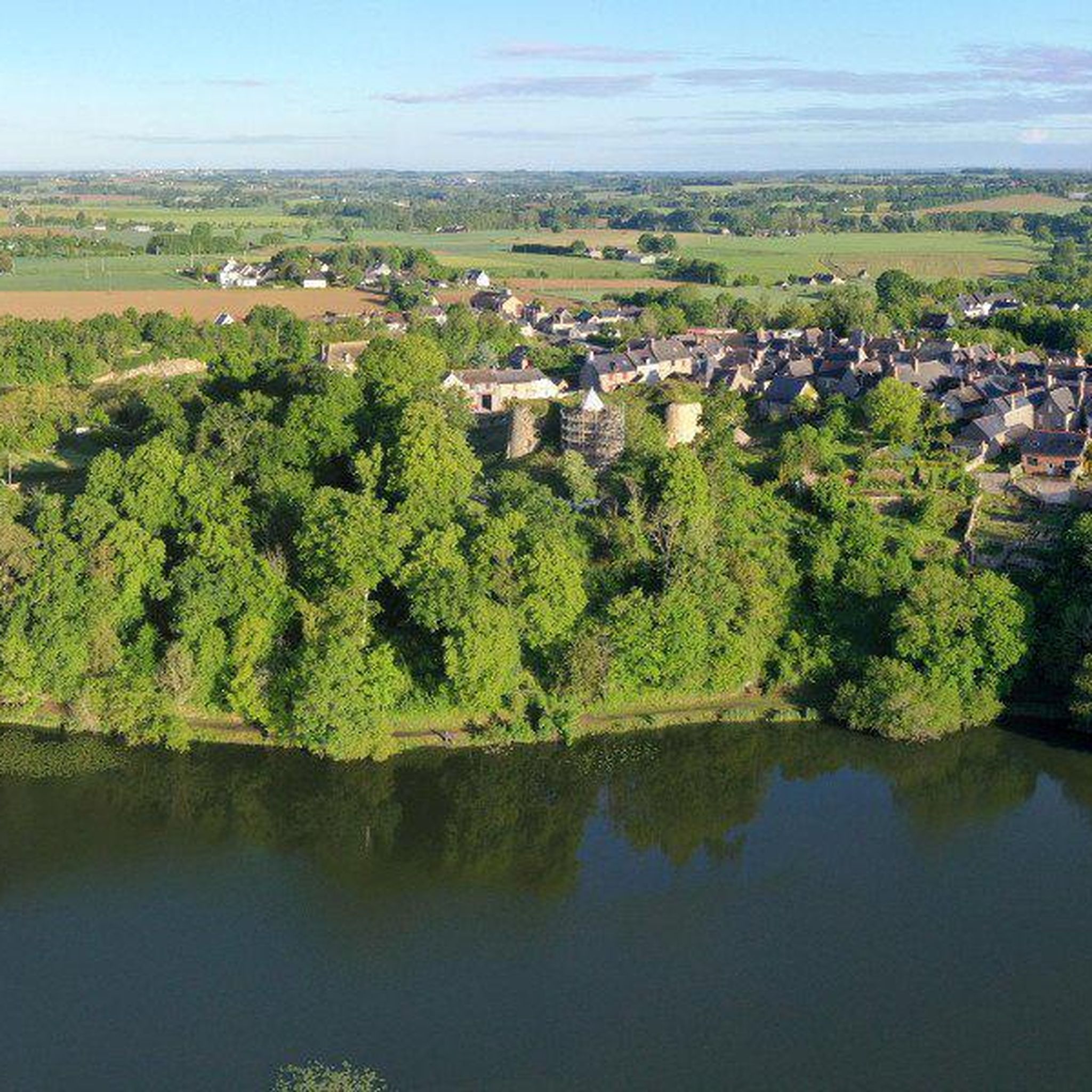
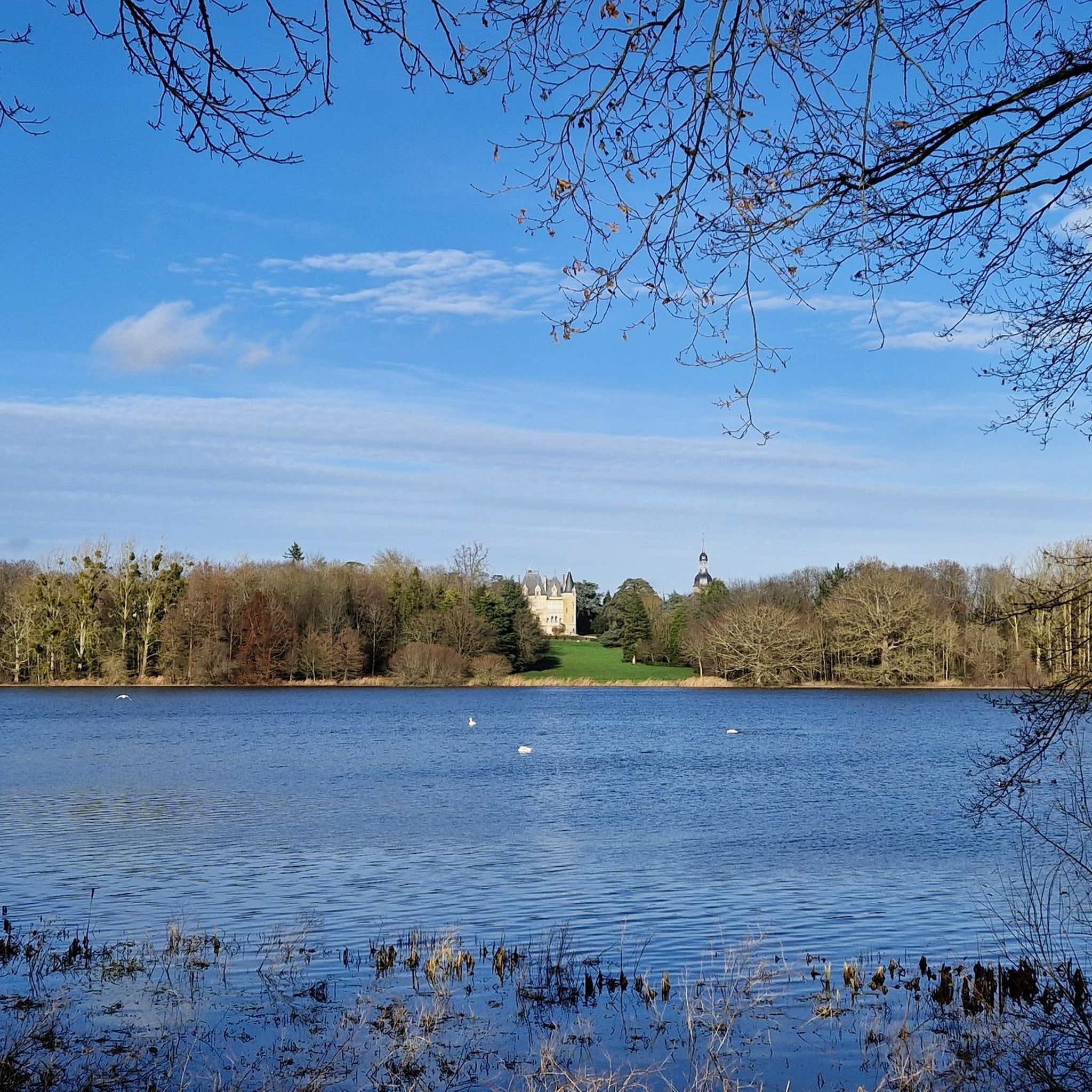
Road cycling around Marcillé-Robert, located in Ille-et-Vilaine, France, offers diverse routes through a landscape characterized by the substantial Étang de Marcillé-Robert, wetlands, and bocage hedgerows. The region features gentle rolling terrain, with some routes incorporating historical sites and natural protected areas. Paved surfaces are common, providing suitable conditions for road bikes across various itineraries.
Best road cycling routes around Marcillé-Robert
- The most popular road cycling route is La Guerche-de-Bretagne – Vitré Castle loop from Marcillé-Robert, a 60.8 miles (97.8…
Last updated: November 2, 2026
15
riders
Moderate road ride. Good fitness required. Some segments of this route may be unpaved and difficult to ride.
5.0
(2)
7
riders
46.5km
01:53
290m
290m
Easy road ride. Mostly well-paved surfaces and easy to ride.

7
riders
Moderate road ride. Good fitness required. Mostly well-paved surfaces and easy to ride.
7
riders
Moderate road ride. Some segments of this route may be unpaved and difficult to ride.
4.0
(1)
6
riders
34.8km
01:32
280m
280m
Easy road ride. Mostly well-paved surfaces and easy to ride.
Get access to more routes and recommendations from other explorers.
Already have an account?
Our route recommendations are based on thousands of hikes, rides, and runs completed by other people on komoot.
Start today with a free account
Your next adventure awaits.



Tips from the Community

An old church: The western facade, the base of the tower and the choir date from the 12th century. The rest of the church dates from the 16th and 17th centuries.
0
0
To see the medieval castle (its ruins anyway)
0
0
Numerous half-timbered houses in the district around the basilica. A very pleasant visit.
0
0
Unusual dimensions for a dolmen. I visited it on a weekday and had the site all to myself. Truly impressive. Also worth seeing is the chestnut tree at the entrance, which tried - but apparently failed - to swallow a megalith at the entrance to the dolmen. Toilets with a tap. Benches.
0
0

Church built in the 15th century, from that period only the choir and the chapel to the north, which became the sacristy, currently remain. The nave and transept were rebuilt in 1851 (inscription: MR. RUPIN MAIRE ET LES PAROISSIENS 1851). The tower is dated 1859, it was built by Guyon, an entrepreneur from Vitré.
0
0
The Saint-Pierre church was built between 1885 and 1888. The plans were drawn up by the architect Michel Gelly. Due to a lack of financial resources, the building never received a spire.
0
0
The church of Saint-Sulpice (17th century). Dedicated to Saint Sulpice, bishop of Bourges, the church of Ossé consists of a single nave ending in a straight chancel, to which two chapels have been added, forming the transepts. It has no style and may partly date back to the 16th century, as indicated by the ogival window of its chancel, now walled up. The North chapel, dedicated to the Virgin Mary, and originally reserved for the lord of Charot, was built in 1611. The other chapel, dedicated to Saint Nicholas, also seems to be from the 17th century. Le Plessix d'Ossé was the manor house of the parish. In 1440, Duke Jean V settled a dispute concerning the right of burial in the church of Ossé between the sieur du Pan, lord of Plessix, and the sieur de Montbeille, lord of Grées. The ecclesiastical superiority belonged to Ossé to the baron de Châteaugiron, but the lord of Plessix enjoyed the rights of founder and patron; this was declared in 1694 by Gabrielle Glé, marquise de la Vallière and lady of Plessix (National Archives, P. 1721). Jacques Le Prestre, baron de Châteaugiron, having acquired Plessix in 1744, took possession of all these honorary rights and had his coat of arms placed in the choir and on the high altar of the church of Ossé. As for the lord of Charot, he had his tomb, his pew, and his coat of arms in his reserved chapel. The bell tower dates from 1899. The altarpiece of the Holy Trinity dates from the 17th century.
0
0

With nearly 20 meters long, 6 meters wide, and 4 meters high, the Roche-aux-Fées remains the largest dolmen in France and one of the best-preserved in Europe. It is composed of a schist-covered passage formed by four chambers whose meaning has not yet been revealed. Although the construction of this monument dates back to the Neolithic period, around 2000 BC, specialists remain perplexed about its construction method. The site is impressive. And when you know that some stones weighing over 40 tons come from several kilometers around, you wonder how the inhabitants of the time managed to move them there. Such a site could only inspire stories, legends, and beliefs. One of them tells that the fairy Viviane, aided by fellow fairies, would have built this imposing monument... in one night. Another concerns lovers: to know if their union will last, couples must walk around the Roche-aux-fées, each in a different direction, and count the stones. If they find the same number of stones, their future will be bright! Through a mysterious alignment during the winter solstice on December 21st or 22nd, the sun rises facing the entrance of the dolmen. At that moment, the light rays magically illuminate the stone located at the back of the covered passage. Access is free and open. The small surrounding roads are charming and quiet.
1
0
Frequently Asked Questions
How many road cycling routes are available around Marcillé-Robert?
There are over 10 road cycling routes available around Marcillé-Robert, offering diverse options for various skill levels. These routes are highly rated by the komoot community, with an average score of 4.3 stars.
What kind of terrain can I expect on road cycling routes in Marcillé-Robert?
Road cycling routes in Marcillé-Robert feature gentle rolling terrain, characteristic of the Ille-et-Vilaine region. You'll find well-maintained, paved surfaces ideal for road bikes, often passing through wetlands and bocage hedgerows, with some routes incorporating historical sites and natural protected areas.
What is the best time of year for road cycling in Marcillé-Robert?
The warmer months, typically from May to September, are ideal for road cycling in Marcillé-Robert. During this period, you can enjoy pleasant weather and take advantage of additional activities like pedal boat rides on the Étang de Marcillé-Robert.
Are there any easy road cycling routes suitable for beginners in Marcillé-Robert?
Yes, Marcillé-Robert offers several easy road cycling routes perfect for beginners. An excellent option is the Roadbike loop from Marcillé-Robert, an easy 40.4 km path that provides a scenic ride through the local countryside. Another easy choice is the Étang de Marcillé-Robert loop from Marcillé-Robert, a 28.4 km trail around the lake.
Are there challenging road cycling routes for experienced cyclists?
While many routes feature gentle terrain, experienced cyclists can find longer, moderate routes that offer more distance and elevation. For example, the La Guerche-de-Bretagne – Vitré Castle loop from Marcillé-Robert is a moderate 97.8 km route with over 690 meters of elevation gain, connecting Marcillé-Robert with historical towns and landmarks.
What natural features or landmarks can I see while road cycling in Marcillé-Robert?
You can explore significant natural features like the 100-hectare Étang de Marcillé-Robert, a designated Sensitive Natural Area known for its ornithological value. The area also features wetlands, hedgerow landscapes, and remnants of a 12th-13th century château. Nearby, you can visit the La Roche-aux-Fées Dolmen, a notable megalithic monument.
Can I cycle around the Étang de Marcillé-Robert?
Yes, you can cycle around the Étang de Marcillé-Robert. The Étang de Marcillé-Robert loop from Marcillé-Robert is a popular 28.4 km trail that leads through the natural area surrounding the lake, offering picturesque views and opportunities for birdwatching.
Where can I find parking for road cycling routes in Marcillé-Robert?
Near the Étang de Marcillé-Robert, you'll find dedicated picnic and play areas that often include parking facilities. These are convenient starting points for many cycling routes in the area.
Are there options for public transport to reach Marcillé-Robert for cycling?
While Marcillé-Robert is primarily accessed by car, local bus services might connect to larger towns in Ille-et-Vilaine. For detailed public transport information, it's best to check regional transport websites or local tourist information centers.
Are there any circular road cycling routes in the area?
Yes, many of the road cycling routes around Marcillé-Robert are designed as circular loops, allowing you to start and end at the same point. Examples include the Roadbike loop from Marcillé-Robert and the Étang de Marcillé-Robert loop from Marcillé-Robert.
Are there family-friendly road cycling routes in Marcillé-Robert?
Marcillé-Robert offers several easy and moderate routes with paved surfaces, making them suitable for families. The 28.4 km Étang de Marcillé-Robert loop from Marcillé-Robert is a great option, as it's relatively flat and passes by picnic areas and children's play areas near the lake.
Can I find places to eat or drink along the road cycling routes?
Near the Étang de Marcillé-Robert, you'll find picnic areas and essential facilities. For cafes or pubs, you might need to cycle into the village of Marcillé-Robert itself or nearby towns, depending on your chosen route. It's always a good idea to pack some snacks and water.
What do other road cyclists enjoy most about cycling in Marcillé-Robert?
The komoot community highly rates road cycling in Marcillé-Robert, with an average score of 4.3 stars from over 30 reviews. Cyclists often praise the serene landscapes, particularly around the Étang de Marcillé-Robert, the well-maintained paved surfaces, and the variety of routes suitable for different fitness levels.
Most popular routes around Marcillé-Robert
Most popular attractions around Marcillé-Robert

Get inspired with the komoot mobile app


Explore more
Browse the best Road cycling routes in other regions.
