Attractions and Places To See around Martigné-Ferchaud - Top 20
Attractions and places to see around Martigné-Ferchaud include a mix of natural landscapes and historical sites. This commune in Ille-et-Vilaine, Brittany, is characterized by its natural beauty, such as the expansive Étang de la Forge, and its historical ties to ironworking. Visitors can explore remnants of its industrial past and enjoy outdoor activities on its numerous hiking trails. The area offers diverse points of interest, from ancient megalithic structures to medieval castles.
Best attractions and places to see around Martigné-Ferchaud
…Last updated: June 24, 2026
Châteaubriant Castle
Highlight • Castle
The …
Translated by Google •
Tip by

La Roche-aux-Fées Dolmen
Highlight • Monument
Translated by Google •
Tip by

Sign up now to discover places like this
Get recommendations on the best single tracks, peaks, & plenty of other exciting outdoor places.
Sign up for free
Pouancé Castle
Highlight • Castle
Translated by Google •
Tip by

Greenway from Châteaubriant to Rougé
Highlight • Cycleway
Translated by Google •
Tip by

Saint-Aubin Pond
Highlight • Lake
Translated by Google •
Tip by
Sign up for free to discover even more attractions around Martigné-Ferchaud.
Sign up for free
Already have an account?
Start today with a free account
Your next adventure awaits.
Login or Signup



Tips from the Community

With nearly 20 meters long, 6 meters wide, and 4 meters high, the Roche-aux-Fées remains the largest dolmen in France and one of the best-preserved in Europe. It is composed of a schist-covered passage formed by four chambers whose meaning has not yet been revealed. Although the construction of this monument dates back to the Neolithic period, around 2000 BC, specialists remain perplexed about its construction method. The site is impressive. And when you know that some stones weighing over 40 tons come from several kilometers around, you wonder how the inhabitants of the time managed to move them there. Such a site could only inspire stories, legends, and beliefs. One of them tells that the fairy Viviane, aided by fellow fairies, would have built this imposing monument... in one night. Another concerns lovers: to know if their union will last, couples must walk around the Roche-aux-fées, each in a different direction, and count the stones. If they find the same number of stones, their future will be bright! Through a mysterious alignment during the winter solstice on December 21st or 22nd, the sun rises facing the entrance of the dolmen. At that moment, the light rays magically illuminate the stone located at the back of the covered passage. Access is free and open. The small surrounding roads are charming and quiet.
0
0

Short video of the site: https://www.youtube.com/watch?v=bqEBsKL7P7s
0
0


defended Anjou against the Marches of Brittany - besieged several times during the 100 Years' War
0
0

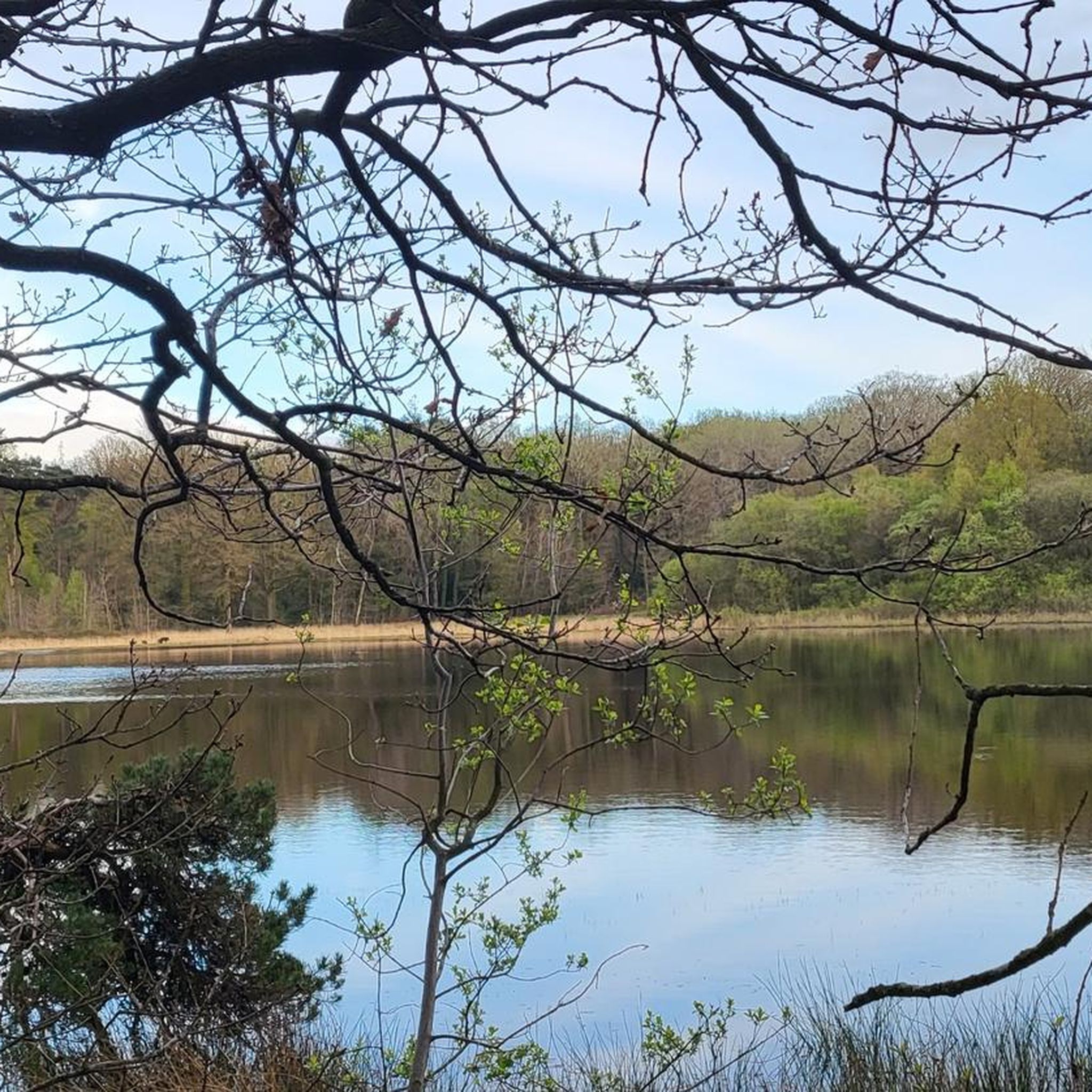
The Saint-Aubin pond, fed by the Verzée, is a pond located in the French commune of Pouancé, in the department of Maine-et-Loire. Probably before the 12th century, the Saint-Aubin pond, covering 42 hectares, is divided into the Saint-Aubin pond, the Saint-Jacques pond and the Pouancé pond. history : From the twelfth century, the priory of Madeleine had fishing tithe rights on the Pouancé ponds. At the beginning of the 13th century, the lord of Pouancé, William III, decided to establish a dike on the Verzée, thus creating the Pouancé pond, at the foot of the medieval castle[3]. A pier was built on the Saint-Aubin pond to allow the parishioners of Pouancé to access the parish church of Saint-Aubin de Pouancé. This levee is, however, often submerged[4]. In 1977, the commune of Pouancé developed the body of water into a nautical base by building a beach and a campsite nearby. source: https://fr.m.wikipedia.org/wiki/%C3%89tang_de_Saint-Aubin
0
0

Pouancé Castle is a fortified castle, surrounded by a moat. It is characterized by imposing walls and round towers. Robust and majestic!
0
0

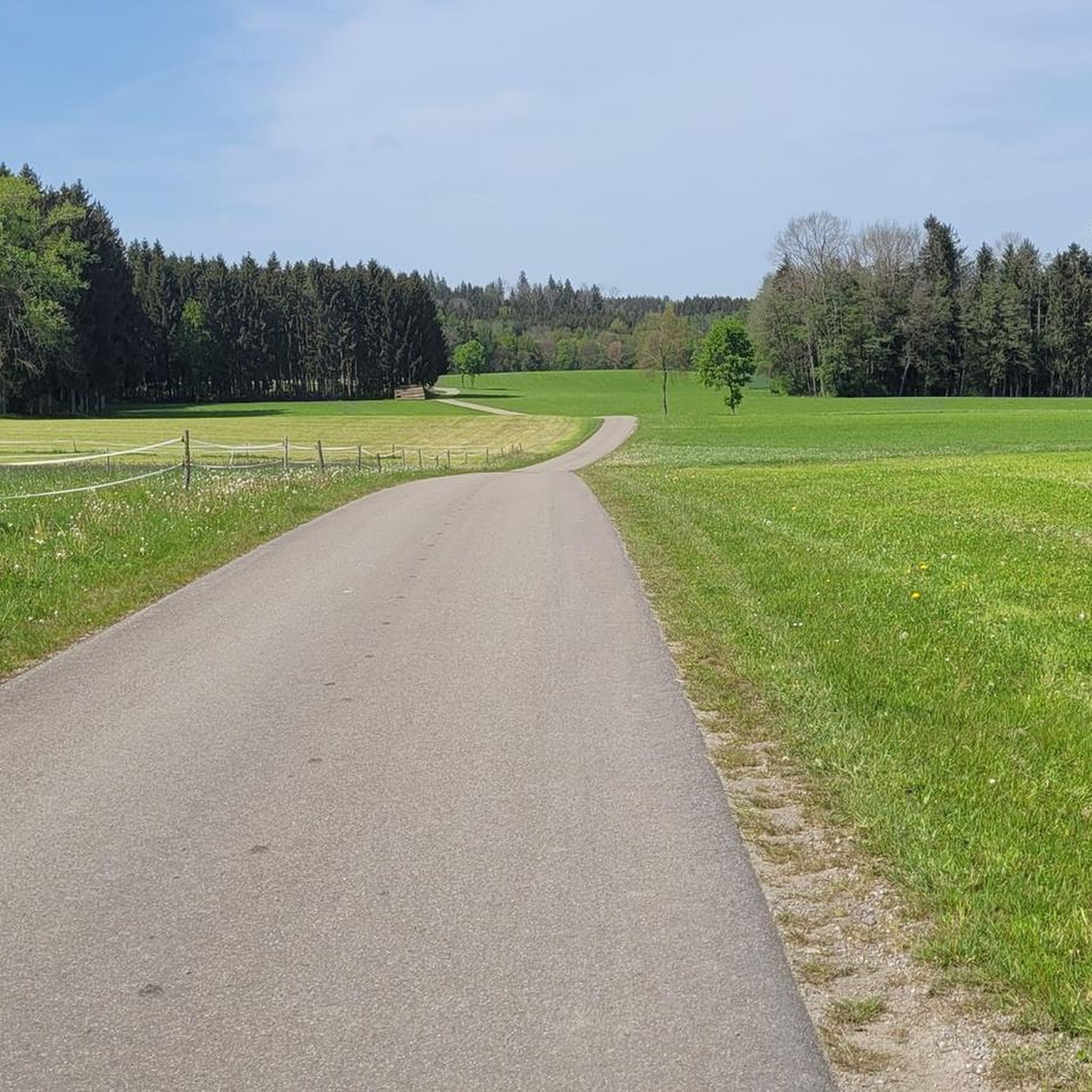
This greenway was built on the old railway line which linked Châteaubriant to Ploërmel. In its heyday at the start of the last century, trains were essentially freight trains that transported iron mined in the region.
0
0

Pouancé Castle is one of the most impressive fortresses in Anjou. You can explore the medieval castle which dates from the 12th century and was a strategic stronghold between the Kingdom of France and the Duchy of Brittany. You can also enjoy the view of Lake Saint-Aubin and the Verzée River, which surround the castle while you run.
2
0
Frequently Asked Questions
What natural attractions can I explore around Martigné-Ferchaud?
The region offers several beautiful natural spots. The expansive Étang de la Forge is a significant highlight, popular for fishing, hiking, and water activities on its western side, while its eastern part is an ornithological reserve. You can also visit the Forêt d'Araize for wooded walks or the Saint-Aubin Pond, which offers accessible paths and a tranquil setting.
Are there historical sites to visit near Martigné-Ferchaud?
Yes, the area is rich in history. Don't miss the impressive La Roche-aux-Fées Dolmen, the largest dolmen in France, dating back to the Neolithic period. You can also explore the medieval Châteaubriant Castle, a former strategic stronghold, and the fortified Pouancé Castle with its imposing walls and towers. Martigné-Ferchaud itself has remnants of its ironworking past, including traces of the forges.
What kind of hiking trails are available in the Martigné-Ferchaud area?
Martigné-Ferchaud boasts 10 signposted and well-maintained hiking trails suitable for various levels. Popular routes include those around the Étang de la Forge, such as the Étang de la Forge – L'étang de la Forge loop. Other scenic options like 'La Vallée de la Noë-Jollys' and 'Vallée de Guéra' offer views of local flora and charming cottages. For more options, check out the Hiking around Martigné-Ferchaud guide.
Are there cycling routes suitable for families or leisure rides?
Absolutely. The Greenway from Châteaubriant to Rougé is an excellent choice. Built on an old railway line, this path is perfect for cycling and walking, offering a smooth, shaded route. It's a great way to experience the region's history, as it was once used to transport iron. You can find more cycling options in the Road Cycling Routes around Martigné-Ferchaud guide.
What activities are available for families with children?
Many attractions are family-friendly. The La Roche-aux-Fées Dolmen is an intriguing site with legends of fairies that captivate children. The Châteaubriant Castle and Pouancé Castle offer historical exploration. The Greenway from Châteaubriant to Rougé is ideal for family bike rides, and the Saint-Aubin Pond provides accessible paths and a beach area for relaxation.
What do visitors enjoy most about the attractions near Martigné-Ferchaud?
Visitors frequently praise the enchanting and impressive nature of sites like the La Roche-aux-Fées Dolmen, often noting the mystery of its construction. The historical depth of Châteaubriant Castle, with its blend of medieval and Renaissance architecture, is also highly appreciated. For outdoor activities, the well-maintained and shaded Greenway from Châteaubriant to Rougé is a favorite for cycling and walking.
Is the Étang de la Forge suitable for nature observation?
Yes, the Étang de la Forge is an excellent spot for nature observation. Its eastern part is designated as an ornithological reserve, attracting thousands of birds during migration periods. Pedestrian paths and an interpretive trail around the pond allow visitors to discover its diverse flora and fauna, making it a prime location for birdwatching and enjoying the natural environment.
Are there any accessible attractions for visitors with mobility considerations?
Yes, the Saint-Aubin Pond near Pouancé offers accessible paths, making it suitable for visitors with mobility considerations. This allows everyone to enjoy the tranquil natural setting and views of the pond.
What is the best time of year to visit Martigné-Ferchaud for outdoor activities?
The spring and autumn months are particularly pleasant for outdoor activities. During these seasons, the weather is generally mild, ideal for hiking and cycling. Additionally, the Étang de la Forge becomes a significant ornithological reserve during migration periods in spring and autumn, offering excellent opportunities for birdwatching.
Can I find running trails around Martigné-Ferchaud?
Yes, there are several running trails in the vicinity. You can find routes like the Étang de la Forge loop from Taillepied, which offers a moderate challenge. For more extensive runs, consider routes like the Martigné Ferchaud church loop. Explore more options in the Running Trails around Martigné-Ferchaud guide.
What is the historical significance of Martigné-Ferchaud itself?
Martigné-Ferchaud's history is deeply intertwined with ironworking, an industry that dates back to the 5th century B.C. The abundant iron ore, forests, and rivers in the area fueled this activity for centuries. While the high furnace ceased operations in 1882, visitors can still find traces of this metallurgical past, particularly in the village of La Forge, overlooked by the Étang de la Forge.
Most popular routes around Martigné-Ferchaud

Get inspired with the komoot mobile app


Explore more
Still not found the Highlight you’re looking for? See guides of the top attractions in other regions:
