The best road cycling routes around Moutiers
4.8
(43)
529
riders
185
rides
Road cycling routes around Moûtiers are situated in the Tarentaise Valley within the Savoie department of the Auvergne-Rhône-Alpes region of Southeastern France. The area is characterized by its mountain landscapes and varied relief, offering a mix of challenging climbs and scenic descents. Moûtiers serves as a starting point for routes leading to renowned mountain passes and ski resorts. The region's terrain provides diverse road cycling experiences.
Best road cycling routes around Moûtiers
- The most popular road cycling route is Saint-Marse…
Last updated: July 5, 2026
5.0
(3)
16
riders
32.6km
01:29
270m
270m
Easy road ride. Great for any fitness level. Mostly well-paved surfaces and easy to ride.
7
riders
46.8km
02:04
390m
390m
Moderate road ride. Good fitness required. Mostly well-paved surfaces and easy to ride.

Sign up for free
4.7
(3)
8
riders
41.1km
01:48
310m
310m
Moderate road ride. Good fitness required. Mostly well-paved surfaces and easy to ride.
8
riders
47.8km
02:10
420m
420m
Moderate road ride. Good fitness required. Mostly well-paved surfaces and easy to ride.
9
riders
68.9km
02:59
470m
470m
Moderate road ride. Good fitness required. Mostly well-paved surfaces and easy to ride.
Get access to more routes and recommendations from other explorers.
Sign up for free
Already have an account?
Our route recommendations are based on thousands of hikes, rides, and runs completed by other people on komoot.
Start today with a free account
Your next adventure awaits.
Login or Signup

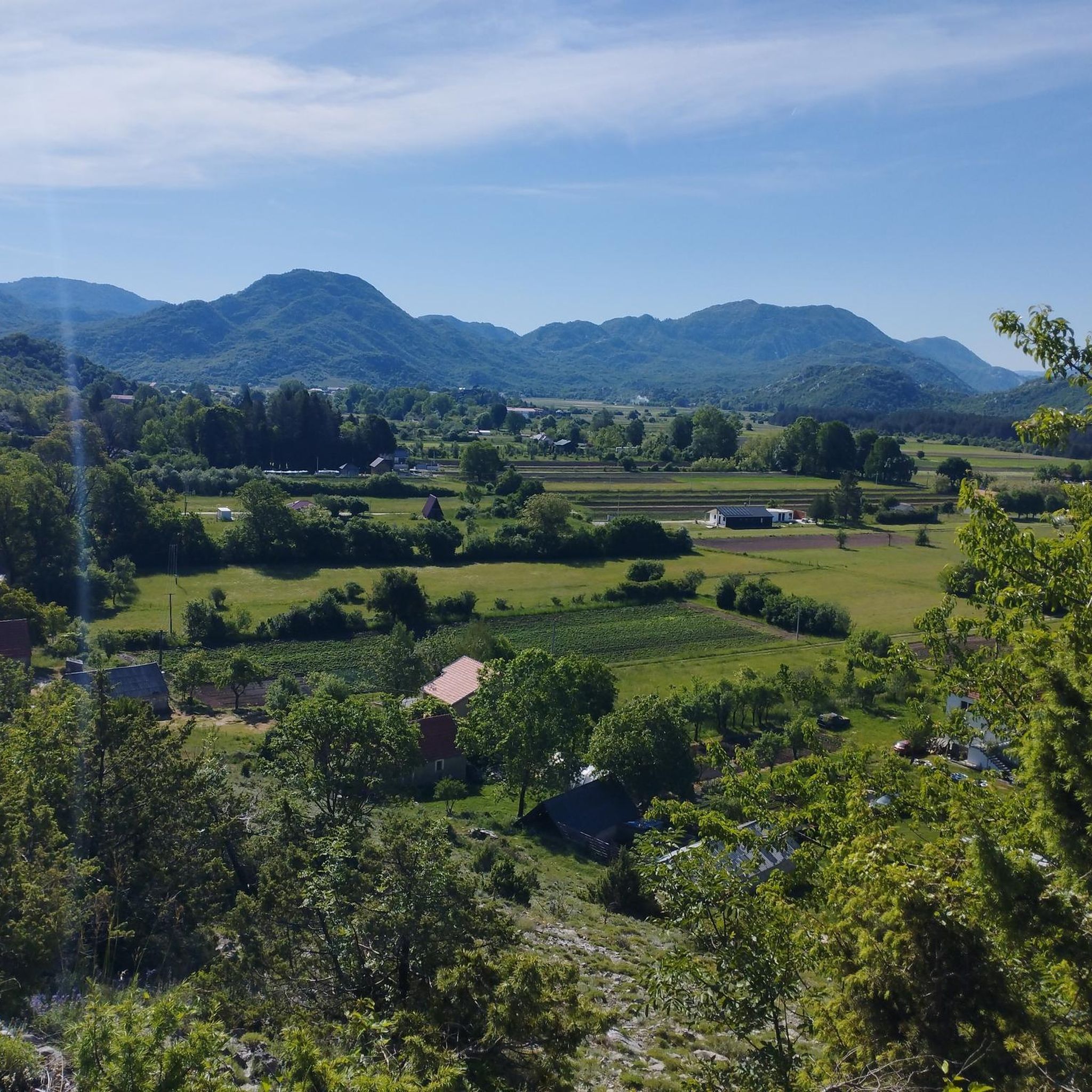


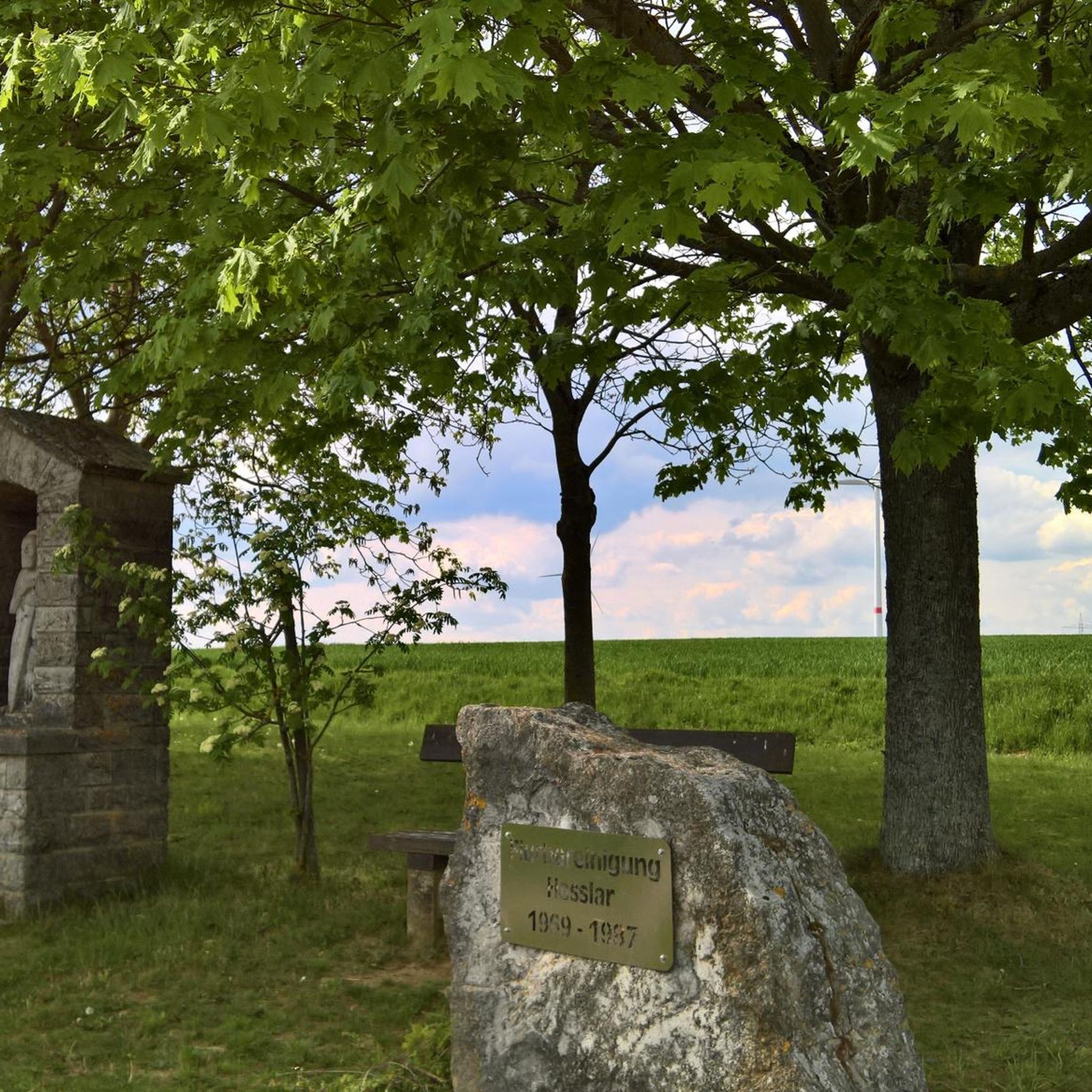
Tips from the Community

Church attested in the 12th century. Nave flanked by a north aisle, built between 1540 and 1549 (date of consecration by the bishop of Rennes), and by a south aisle, built between 1603 and 1605 (dates inscribed). Inscription on the south door: ESTANT NOBLE ET DISCRET PRESTRE : RENE DE L'ESPINAY RECTEUR DE PIRE : SIEUR DE LA GUAYE FUT CESTE EDIF : CE COMMENCE. SA (NC) TE DEUS SA (NC) TE FORTIS SA (NC) TE IMORTALIS MISERERE NOBIS SA (NC) TE PETRE ORA P (RO) NOBIS : TOUT EST A Dieu 1603. The choir was first rebuilt in 1627, then surmounted by a dome struck by lightning in 1741, then again between 1752 and 1775, flanked by side sacristies. Bell tower at the top of the nave rebuilt in 1669. In 1874, architect Aristide Tourneux had a bay added to the north of the nave and a porch-tower surmounted by a spire built. Stained glass windows signed and dated: Claudius Lavergne 1882, and also stained glass windows from the Rault workshops and the Carmel of Le Mans. South wall of the enclosure redone in the 19th century with a monumental corner staircase.
0
0
This parish belonged to the Collegiate Church Notre Dame de VITRE until the year 1116. It was then handed over to the Abbey of Saint Melaine (in RENNES). SAINT-DIDIER, the patron saint of the Parish, is undoubtedly the holy bishop of RENNES who lived at the end of the 7th century. His statue is part of the altarpiece of the high altar (1721), as well as that of Saint GOLVEN.
0
0
The church of Saint-Sulpice (17th century). Dedicated to Saint Sulpice, bishop of Bourges, the church of Ossé consists of a single nave ending in a straight chancel, to which two chapels have been added, forming the transepts. It has no style and may partly date back to the 16th century, as indicated by the ogival window of its chancel, now walled up. The North chapel, dedicated to the Virgin Mary, and originally reserved for the lord of Charot, was built in 1611. The other chapel, dedicated to Saint Nicholas, also seems to be from the 17th century. Le Plessix d'Ossé was the manor house of the parish. In 1440, Duke Jean V settled a dispute concerning the right of burial in the church of Ossé between the sieur du Pan, lord of Plessix, and the sieur de Montbeille, lord of Grées. The ecclesiastical superiority belonged to Ossé to the baron de Châteaugiron, but the lord of Plessix enjoyed the rights of founder and patron; this was declared in 1694 by Gabrielle Glé, marquise de la Vallière and lady of Plessix (National Archives, P. 1721). Jacques Le Prestre, baron de Châteaugiron, having acquired Plessix in 1744, took possession of all these honorary rights and had his coat of arms placed in the choir and on the high altar of the church of Ossé. As for the lord of Charot, he had his tomb, his pew, and his coat of arms in his reserved chapel. The bell tower dates from 1899. The altarpiece of the Holy Trinity dates from the 17th century.
0
0

Small cozy village with a nice parking spot on the edge of the village👍😜
0
0

A small town of character, La Guerche-de-bretagne is full of charm, its cobbled streets inviting you to stroll among the half-timbered houses. Source: https://www.petitescitesdecaractere.com/cites/la-guerche-de-bretagne
0
0


The construction of this church began in the 10th century. In the 11th century a large fire destroyed a large part of the church, but later the church was rebuilt. It was rebuilt in the 16th and 17th centuries, possibly thanks to the generosity of the Dukes of Brissac. It has been a historic monument since 1974. There are statues of gargoyles on the facade which are quite remarkable. For mass it is the 1st Saturday of the month at 6:00 p.m.
0
0
The medieval village of La Guerche-de-Bretagne is famous for its lively Tuesday morning market and the remarkable architecture of its half-timbered houses. The weekly market remains one of the largest in France and is one of the three must-see markets in Ille-et-Vilaine. The tradition of markets in La Guerche dates back to 1121!
0
0
Frequently Asked Questions
How many road cycling routes are available around Moûtiers?
The Moûtiers area offers a wide selection of road cycling routes, with over 170 different tours available. These routes cater to various skill levels, from moderate to demanding, ensuring there's something for every cyclist.
What kind of terrain can I expect on road cycling routes near Moûtiers?
Road cycling around Moûtiers is characterized by its diverse mountain landscapes. You'll encounter a mix of challenging climbs, scenic descents, and valley roads. The region is famous for its iconic mountain passes, offering varied relief and stunning views.
Are there challenging climbs for experienced road cyclists in the Moûtiers area?
Absolutely. Moûtiers is a prime starting point for challenging ascents, including legendary mountain passes frequently featured in the Tour de France. Cyclists can test their limits on climbs like the Col de la Madeleine, Col de l'Iseran, Cormet de Roselend, Col de la Lauze, and the unique Col de la Loze, which is reserved exclusively for cyclists.
Can I find easier road cycling routes suitable for beginners around Moûtiers?
While the region is known for its challenging climbs, there are also easier options. Out of the 176 routes, 73 are classified as easy, and 100 as moderate. For example, the Saint-Marse Church of Bais – Fathers' Castle loop from Moutiers is a moderate route with a manageable elevation gain, offering a good experience without extreme difficulty.
What are some scenic highlights or natural features I might encounter while cycling near Moûtiers?
The Moûtiers region, nestled in the heart of the Tarentaise Valley, offers breathtaking mountain scenery. You'll cycle through pristine alpine environments, with routes leading towards the vast Vanoise National Park. The diverse terrain provides magnificent landscapes throughout your ride.
Are there any historical landmarks or attractions along the road cycling routes?
Yes, Moûtiers itself has a small historic center with the notable Saint-Pierre Cathedral and the Museum of History and Archaeology. While specific routes may vary, the region's rich history means you're likely to encounter charming villages and historical points of interest. For broader exploration, you can find more information about the town at Coeur de Tarentaise Tourisme.
What is the best time of year for road cycling in the Moûtiers region?
The best time for road cycling in Moûtiers is typically during the warmer months, from late spring to early autumn, when mountain passes are clear of snow and weather conditions are most favorable. This allows access to the full range of routes, including the high-altitude climbs.
Are there circular road cycling routes available from Moûtiers?
Yes, many road cycling routes around Moûtiers are designed as loops, allowing you to start and finish in the same location. An example is the Chapelle du Pinel – Étang du Moulin aux Moines loop from Le Château, which takes you through the local countryside.
What are the parking options for cyclists in Moûtiers?
Moûtiers, as a central hub in the Tarentaise Valley, offers various parking options within the town, making it convenient to start your cycling adventures. Specific parking areas can be found near the town center or at the start of popular routes.
How accessible are the road cycling routes around Moûtiers by public transport?
Moûtiers is well-connected by public transport, particularly by train, making it a strategic starting point for cyclists. The town's central location in the valley means many routes are accessible directly from Moûtiers, or via short connections to nearby villages.
Are there family-friendly road cycling options near Moûtiers?
While many routes involve significant climbs, there are easier and moderate options that can be suitable for families with older children or those looking for less strenuous rides. It's advisable to check the elevation gain and distance of specific routes to ensure they match your family's ability. For example, the La Guerche-de-Bretagne loop from La Guerche-de-Bretagne is a moderate 25.6-mile path with a reasonable ascent.
What do other cyclists say about road cycling in Moûtiers?
The road cycling routes around Moûtiers are highly rated by the komoot community, with an average score of 4.8 stars from over 30 reviews. Cyclists often praise the stunning mountain scenery, the variety of challenging climbs, and the well-maintained roads that lead to iconic passes and ski resorts.
Are there places to stop for refreshments or food along the routes?
Many routes in the Moûtiers region pass through or near charming villages and ski resorts, especially those leading to places like Les Menuires and Val Thorens. These locations offer opportunities to stop for refreshments, meals, or to refill water bottles, ensuring you stay energized during your ride.
Most popular attractions around Moutiers

Get inspired with the komoot mobile app


Explore more
Browse the best Road cycling routes in other regions.
