The best road cycling routes around Piré-Sur-Seiche
4.4
(170)
3,901
riders
24
rides
Road cycling routes around Piré-Sur-Seiche navigate a rural landscape characterized by gentle undulations and a maximum elevation of 86 meters, making it suitable for various cycling levels. The area is traversed by the Seiche river and features numerous forests, such as Forêt de Chevré, and ponds like Étang de la Cantache. Roads are generally paved, offering smooth surfaces for road cyclists exploring the Breton countryside.
Best road cycling routes around Piré-Sur-Seiche
- The most popular road cycling route is Châteaugiron Castle loop from Piré-Chancé, a 17.3 miles (27.8 km) trail that takes 1 hour 8 minutes to complete, passing by the historic Château de Piré.
- Another top favourite among local road cyclists is Châteaugiron Castle – Hôtel de Ville loop from Piré-Chancé, a moderate 30.8 miles (49.6 km) path. This route offers varied terrain through the rural landscape, connecting historical sites.
- Local road cyclists also love the Miniatures Henri Chesnais loop from Piré-Chancé, a 42.4 miles (68.3 km) trail leading through the open countryside, often completed in about 2 hours 52 minutes.
- Road cycling around Piré-Sur-Seiche is defined by rural countryside, the Seiche river, and gentle hills. The network offers options for easy and moderate ability levels.
- The routes in Piré-Sur-Seiche are highly rated by the komoot community with an average score of 4.5 stars from more than 70 reviews. More than 1,400 road cyclists have used komoot to explore Piré-Sur-Seiche's varied terrain.
Last updated: July 2, 2026
4.0
(2)
43
riders
54.3km
02:18
350m
350m
Moderate road ride. Good fitness required. Mostly well-paved surfaces and easy to ride.
15
riders
Easy road ride. Great for any fitness level. Mostly well-paved surfaces and easy to ride.

Sign up for free
11
riders
48.2km
02:06
300m
300m
Moderate road ride. Good fitness required. Mostly well-paved surfaces and easy to ride.
5.0
(1)
5
riders
62.1km
02:42
460m
460m
Moderate road ride. Good fitness required. Mostly well-paved surfaces and easy to ride.
5
riders
36.7km
01:43
320m
320m
Moderate road ride. Good fitness required. Some segments of this route may be unpaved and difficult to ride.
Get access to more routes and recommendations from other explorers.
Sign up for free
Already have an account?
Our route recommendations are based on thousands of hikes, rides, and runs completed by other people on komoot.
Start today with a free account
Your next adventure awaits.
Login or Signup
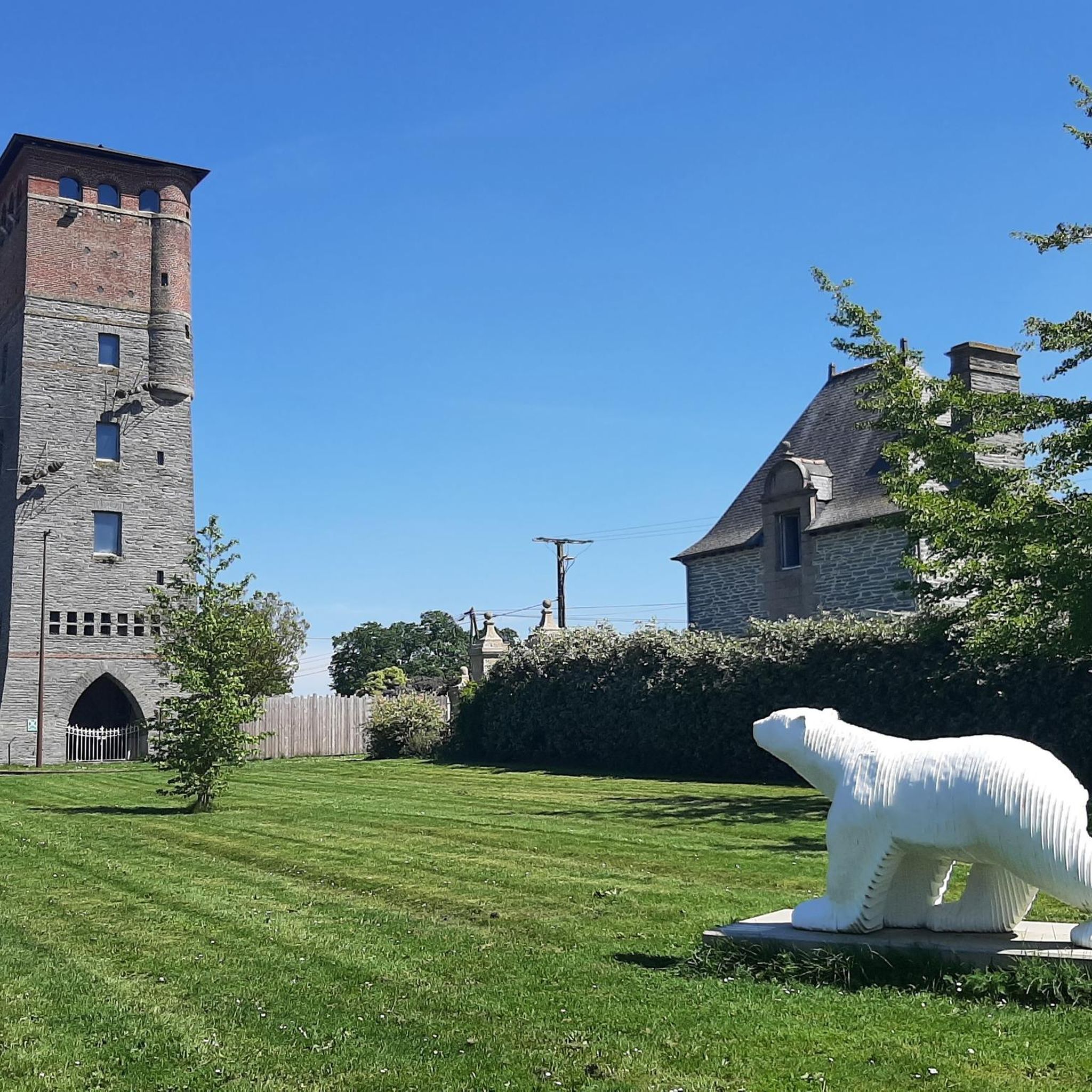

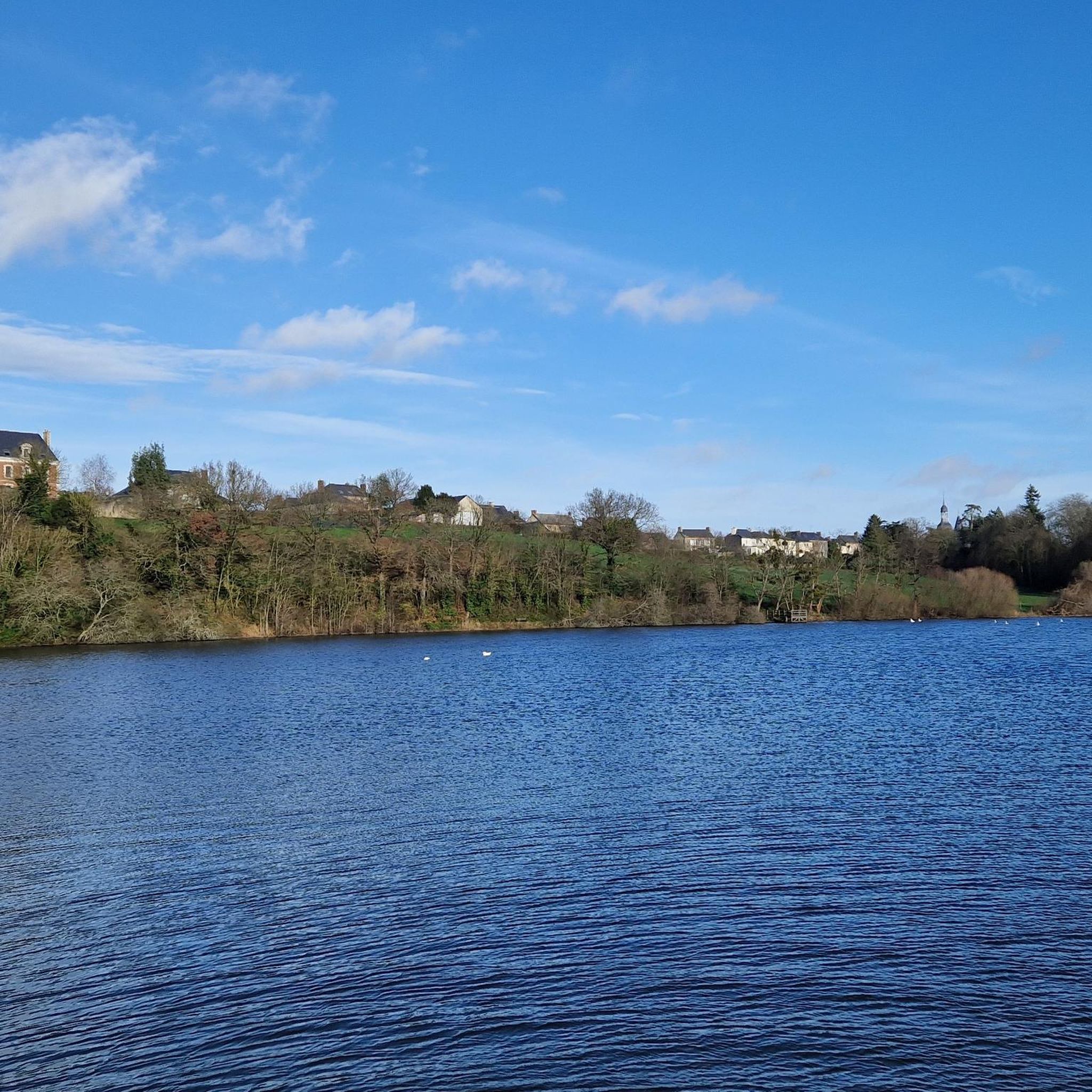

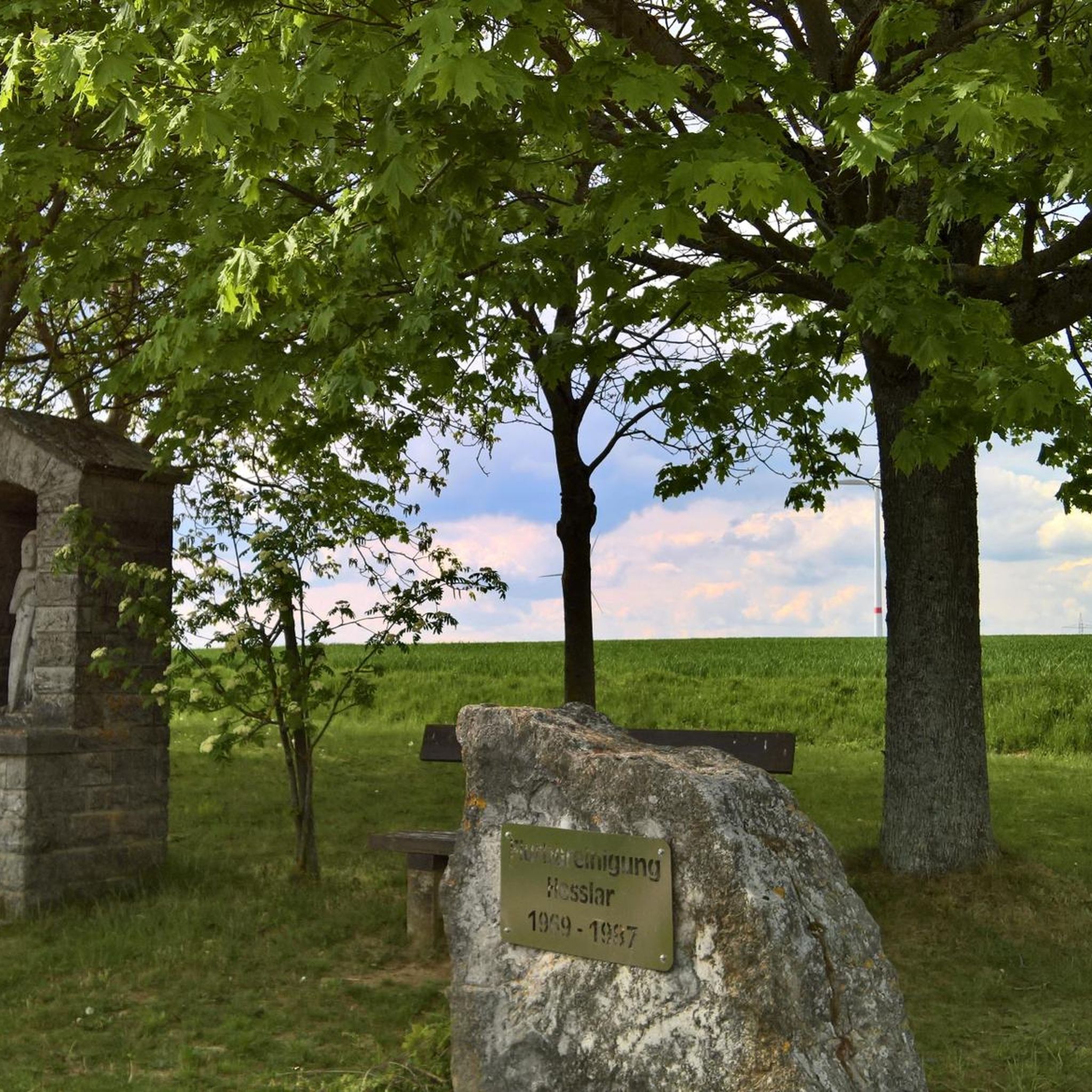
Tips from the Community

The Sainte-Marie-Madeleine church was built in the 19th century in a neo-Gothic style by Aristide Tourneux, an architect from Castelgiron. With a touch of humor, the town's priest in 1912 wanted to give "cats to the girons": Arthur Regnault, a sculptor, therefore sculpted cats at the four corners of the bell tower. Having collapsed in 1998 following a severe storm, the bell tower was rebuilt identically in 2000.
0
0
Church attested in the 12th century. Nave flanked by a north aisle, built between 1540 and 1549 (date of consecration by the bishop of Rennes), and by a south aisle, built between 1603 and 1605 (dates inscribed). Inscription on the south door: ESTANT NOBLE ET DISCRET PRESTRE : RENE DE L'ESPINAY RECTEUR DE PIRE : SIEUR DE LA GUAYE FUT CESTE EDIF : CE COMMENCE. SA (NC) TE DEUS SA (NC) TE FORTIS SA (NC) TE IMORTALIS MISERERE NOBIS SA (NC) TE PETRE ORA P (RO) NOBIS : TOUT EST A Dieu 1603. The choir was first rebuilt in 1627, then surmounted by a dome struck by lightning in 1741, then again between 1752 and 1775, flanked by side sacristies. Bell tower at the top of the nave rebuilt in 1669. In 1874, architect Aristide Tourneux had a bay added to the north of the nave and a porch-tower surmounted by a spire built. Stained glass windows signed and dated: Claudius Lavergne 1882, and also stained glass windows from the Rault workshops and the Carmel of Le Mans. South wall of the enclosure redone in the 19th century with a monumental corner staircase.
0
0

With nearly 20 meters long, 6 meters wide, and 4 meters high, the Roche-aux-Fées remains the largest dolmen in France and one of the best-preserved in Europe. It is composed of a schist-covered passage formed by four chambers whose meaning has not yet been revealed. Although the construction of this monument dates back to the Neolithic period, around 2000 BC, specialists remain perplexed about its construction method. The site is impressive. And when you know that some stones weighing over 40 tons come from several kilometers around, you wonder how the inhabitants of the time managed to move them there. Such a site could only inspire stories, legends, and beliefs. One of them tells that the fairy Viviane, aided by fellow fairies, would have built this imposing monument... in one night. Another concerns lovers: to know if their union will last, couples must walk around the Roche-aux-fées, each in a different direction, and count the stones. If they find the same number of stones, their future will be bright! Through a mysterious alignment during the winter solstice on December 21st or 22nd, the sun rises facing the entrance of the dolmen. At that moment, the light rays magically illuminate the stone located at the back of the covered passage. Access is free and open. The small surrounding roads are charming and quiet.
0
0

Short video of the site: https://www.youtube.com/watch?v=bqEBsKL7P7s
0
0
A small town of character, La Guerche-de-bretagne is full of charm, its cobbled streets inviting you to stroll among the half-timbered houses. Source: https://www.petitescitesdecaractere.com/cites/la-guerche-de-bretagne
0
0


Very nice place, very friendly! I recommend !
0
0

The construction of this church began in the 10th century. In the 11th century a large fire destroyed a large part of the church, but later the church was rebuilt. It was rebuilt in the 16th and 17th centuries, possibly thanks to the generosity of the Dukes of Brissac. It has been a historic monument since 1974. There are statues of gargoyles on the facade which are quite remarkable. For mass it is the 1st Saturday of the month at 6:00 p.m.
0
0
Frequently Asked Questions
How many road cycling routes are available around Piré-Sur-Seiche?
There are 27 road cycling routes available around Piré-Sur-Seiche. These routes navigate a rural landscape with gentle undulations, offering a variety of options for cyclists.
What is the typical difficulty level for road cycling routes in this area?
The road cycling routes around Piré-Sur-Seiche are generally suitable for various levels, with 9 easy routes and 18 moderate routes. The landscape features gentle undulations, with elevations ranging from 31 to 86 meters, making it accessible for most road cyclists.
What kind of terrain can I expect on road cycling routes in Piré-Sur-Seiche?
You can expect mostly paved surfaces through rural countryside, traversed by the Seiche river. The routes often pass by forests like Forêt de Chevré and various ponds, providing scenic views and a calm environment. The topography is gentle, without steep climbs.
Are there any family-friendly road cycling routes in Piré-Sur-Seiche?
Yes, the area's gentle topography and numerous easy routes make it suitable for family-friendly cycling. Routes like Châteaugiron Castle loop from Piré-Chancé, which is 27.8 km long with moderate elevation gain, are great options for a pleasant family outing.
What natural features or landmarks can I see while road cycling around Piré-Sur-Seiche?
Cyclists can enjoy the picturesque rural countryside, the Seiche river, and nearby forests such as Forêt de Chevré. You might also encounter tranquil ponds like Étang de la Cantache. Historically, the area features the 13th-century Château de Piré and the charming Church of Piré-Sur-Seiche with its Gothic decorations.
Are there any historical sites or attractions along the road cycling routes?
Yes, several routes pass by historical sites. For instance, the Fathers' Castle loop from Piré-Chancé takes you near the Château des Pères Sculpture Park. Other notable attractions in the vicinity include the historic Châteaugiron Castle and the ancient La Roche-aux-Fées Dolmen.
What do other road cyclists enjoy the most about road cycling in Piré-Sur-Seiche?
The area is highly rated by the komoot community, with an average score of 4.5 stars from over 70 reviews. Cyclists often praise the quiet rural roads, the gentle terrain suitable for various abilities, and the scenic views of the Breton countryside, including its forests and ponds.
Are there any circular road cycling routes available?
Yes, many of the routes around Piré-Sur-Seiche are designed as loops, offering convenient circular journeys. Examples include the Châteaugiron Castle – Hôtel de Ville loop from Piré-Chancé and the Miniatures Henri Chesnais loop from Piré-Chancé, allowing you to start and end in the same location.
Is there parking available for cyclists in Piré-Sur-Seiche?
Piré-Sur-Seiche, being a rural commune, typically offers various public parking options within the village center or near local amenities, which can serve as convenient starting points for your cycling adventures. Specific parking details for individual routes are usually available on their respective komoot pages.
What is the best time of year for road cycling in Piré-Sur-Seiche?
The gentle Breton climate generally makes spring, summer, and early autumn ideal for road cycling in Piré-Sur-Seiche. During these seasons, you can expect pleasant temperatures and lush landscapes, perfect for exploring the rural countryside and its attractions.
Are there any longer road cycling routes for more experienced cyclists?
Yes, for those seeking longer rides, routes like the Miniatures Henri Chesnais loop from Piré-Chancé cover 68.3 km, offering a more extended exploration of the open countryside. The Châteaugiron Castle – Hôtel de Ville loop from Piré-Chancé is another moderate option at 49.6 km.
Can I find cafes or pubs along the cycling routes in Piré-Sur-Seiche?
While the immediate routes are primarily rural, Piré-Sur-Seiche itself and nearby towns like Châteaugiron (7 km) and Janzé (8 km) offer cafes, bakeries, and local establishments where you can refuel. Planning your route to pass through these villages will ensure opportunities for refreshments.
Most popular routes around Piré-Sur-Seiche
Most popular attractions around Piré-Sur-Seiche

Get inspired with the komoot mobile app


Explore more
Browse the best Road cycling routes in other regions.
