Attractions and Places To See around Pleumeleuc - Top 16
Best attractions and places to see around Pleumeleuc include a blend of historical sites, natural beauty, and local points of interest. Located in the Ille-et-Vilaine department of Brittany, Pleumeleuc offers access to both local landmarks and nearby regional attractions. The area features river valleys, historical churches, and scenic viewpoints. It serves as a base for exploring diverse attractions within the region.
Best attractions and places to see around Pleumeleuc
- The most popular attractions is View of the Moulin du Guern…
Last updated: May 21, 2026
Catholic Church - St. Justine of Gévezé
Highlight • Other
Translated by Google •
Tip by

View of the Moulin du Guern
Highlight • Viewpoint
Translated by Google •
Tip by

Sign up now to discover places like this
Get recommendations on the best single tracks, peaks, & plenty of other exciting outdoor places.
Sign up for free
Eglise Saint-Hubert in La Nouaye
Highlight • Monument
Translated by Google •
Tip by

Talensac Hill
Highlight (Segment) • Climb
Translated by Google •
Tip by

Vélorue de Pacé
Highlight (Segment) • Cycleway
Translated by Google •
Tip by

Sign up for free to discover even more attractions around Pleumeleuc.
Sign up for free
Already have an account?
Start today with a free account
Your next adventure awaits.
Login or Signup




Tips from the Community

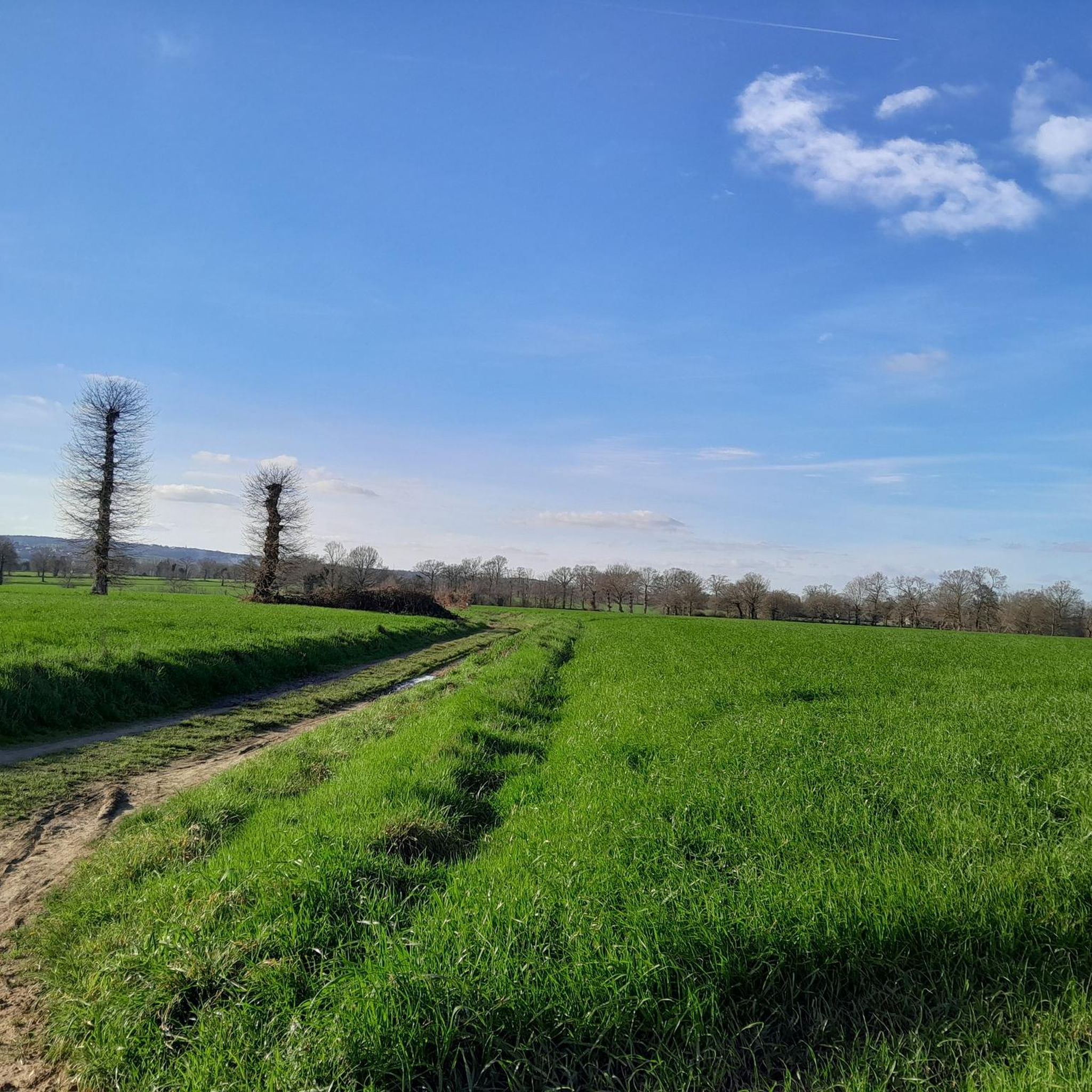
Beautiful 3km portion for training, several beautiful straight lines on false flats, nickel coating!
0
0

The church dates from the 15th and 16th centuries. It has been listed as a historical monument since October 3, 2014. The building is remarkable for its open porch. The remains of the base of the cemetery cross have been classified as historical monuments since October 1, 1913. (Wikipedia)
0
0
The oldest remains of the parish church of Sainte-Justine de Gévezé date from the 12th century, notably a bay in the south wall of the nave. The Sainte-Justine Church was rebuilt in the 15th and 16th centuries, of which it retains some elements of its framework, or even gargoyles and crossettes with fantastic animal shapes. A tower had been built between 1614 and 1628. This one threatening to fall into ruins was rebuilt in the middle of the 19th century, in a different place: the bottom of the nave. The plans and specifications for this new porch bell tower were drawn up by Jacques Mellet who took delivery of the work in 1858. (wiki-rennes.fr)
0
0

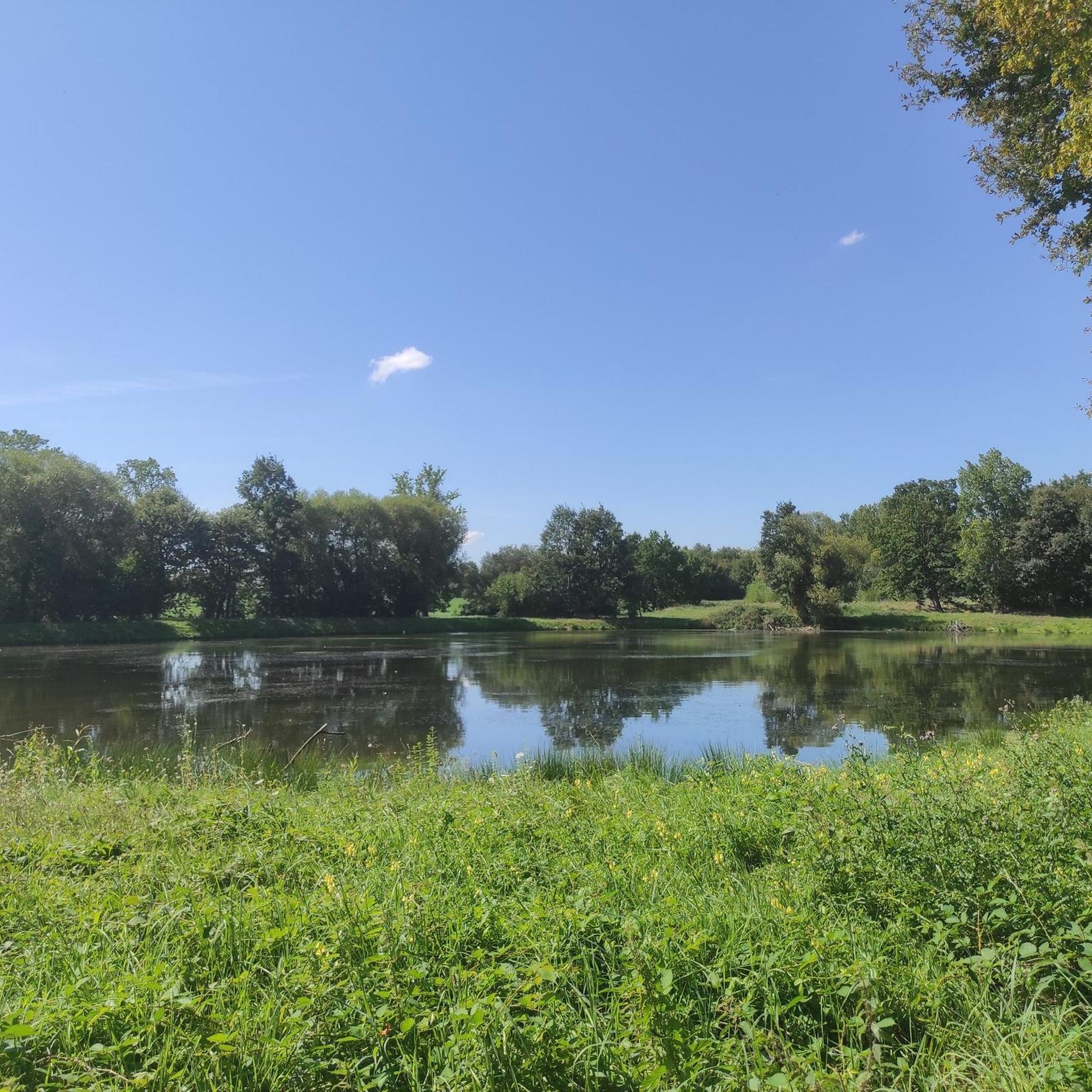
View of the Moulin du Guern from the bridge (D 35)
0
0

Saint Justine is a 1st century martyr in Padua. Baptized in Padua by a disciple of Saint Peter, she remained firmly faithful to faith in Jesus Christ at the time of the persecutions. For her faith, she was pierced with a sword. The fame of his so lively faith spread throughout the Roman Empire, as far as Gaul, despite the hostile climate towards Christians. In Gévezé, the oldest remains of the church date from the 12th century, notably a bay in the south wall of the nave. The Sainte-Justine Church was rebuilt in the 15th and 16th centuries, of which it retains some elements of its framework, or even gargoyles and crossettes with fantastic animal shapes. A tower had been built between 1614 and 1628. This one threatening to fall into ruins was rebuilt in the middle of the 19th century, in a different place: the bottom of the nave. The Sait-Justine church housed two side altars dedicated to the Virgin and Saint Anne, made of stone and marble by the Rennes sculptor Bernard Dupont in 1637. They were demolished in 1783, by kind rationalist supporters of the Fraternal Republic and democratic.
1
0


Water mill then flour mill on the banks of the Meu, on the edge of the municipalities of Cintré and Talensac, the Guerne or Guern mill dates from the 18th century (before the revolution, it was owned by the Duplessix de Grénédan family). Located on the Route de l'Hermitage, the mill is made up of several buildings. It stopped working in the 60s.
0
0

A pretty bump, which takes you to the top of Talensac where you will have a remarkable view of the surroundings.
0
0
Frequently Asked Questions
What historical sites can I explore in and around Pleumeleuc?
Pleumeleuc and its surroundings offer several historical sites. Within the commune, you can visit the 16th-century Saint-Pierre Church, known for its Roman-period carvings. Nearby, the Catholic Church - St. Justine of Gévezé features elements from the 12th century, while the Eglise Saint-Hubert in La Nouaye dates back to the 15th and 16th centuries. Don't miss the View of the Moulin du Guern, an 18th-century water and flour mill on the Meu river.
Are there any notable natural features or scenic viewpoints near Pleumeleuc?
Yes, the region boasts natural beauty and viewpoints. The Valley of the Vaunoise River, flowing through the northeastern part of the district, offers scenic landscapes. For panoramic views, consider visiting Talensac Hill. Other natural areas nearby include the Forêt de Rennes, Vallée du Canut, and the Étangs du Canal d'Ille-et-Rance.
What kind of outdoor activities, like hiking or cycling, are available near Pleumeleuc?
The area around Pleumeleuc is excellent for outdoor activities. You can find several marked hiking trails along the Vaunoise River, such as the Vaunoise-La Monneraye Route. For cycling, the Vélorue de Pacé offers a pleasant 3km stretch. Additionally, you can explore various routes for running, mountain biking, and touring cycling. For more detailed routes, check out the Running Trails around Pleumeleuc, MTB Trails around Pleumeleuc, and Cycling around Pleumeleuc guides.
Are there family-friendly attractions in the Pleumeleuc area?
Yes, several attractions cater to families. The View of the Moulin du Guern is a historical site that can be interesting for all ages. The Vélorue de Pacé is also noted as family-friendly for cycling. For a broader experience, the Jardins de Brocéliande and the Jardins du Château de la Bourbansais offer beautiful natural settings suitable for family outings.
What unique cultural experiences or towns can I visit near Pleumeleuc?
Just a short drive from Pleumeleuc, you can discover unique cultural experiences. Bécherel, known as a 'City of Books,' is a picturesque town offering a distinct cultural atmosphere. The regional capital, Rennes, boasts a vibrant medieval center. Further afield, Dinan is a well-preserved medieval walled town with an imposing castle and charming streets.
What do visitors particularly enjoy about the attractions near Pleumeleuc?
Visitors appreciate the blend of historical charm and natural beauty. The panoramic views from Talensac Hill are a favorite, as is the historical significance of the Moulin du Guern. The historical churches like Catholic Church - St. Justine of Gévezé also receive positive feedback for their ancient architecture and stories.
Are there any castles or grand estates to visit in the vicinity?
Yes, the region features notable castles and estates. The historic Château de Combourg, once the residence of writer Chateaubriand, is about 28 km away. You can also explore the grounds of the Parc du Château de Caradeuc, located approximately 13 km from Pleumeleuc.
What is the best time of year to visit Pleumeleuc for sightseeing?
The best time to visit Pleumeleuc for sightseeing and outdoor activities is generally during the spring (April to June) and autumn (September to October) months. During these periods, the weather is typically mild and pleasant, ideal for exploring historical sites, enjoying scenic viewpoints, and engaging in hiking or cycling without the intense heat of summer or the chill of winter.
Can I find local markets or specialty food stores in Pleumeleuc?
Yes, Pleumeleuc offers local points of interest for those seeking regional products. On market days, you can explore the local market for fresh produce and specialties. Additionally, Le Goût des Hôtes is a gourmet grocery store providing a selection of fresh products, beverages, and local items.
Is there a famous forest or natural park nearby with legends?
Absolutely. The Forêt de Paimpont, also known as the Forêt de Brocéliande, is about 26 km from Pleumeleuc. This magical forest is steeped in Arthurian legend and offers a unique natural and cultural experience. It's a popular destination for those interested in folklore and nature.
What are some lesser-known or 'hidden gem' attractions around Pleumeleuc?
Beyond the main highlights, consider exploring the peaceful Pleumeleuc Cemetery for a moment of reflection, or seeking out the specific carvings on the north wall of the Saint-Pierre Church. The various smaller, marked paths along the Vaunoise River also offer a quieter way to experience the region's natural beauty away from more crowded spots.
How long should I plan for visiting the attractions around Pleumeleuc?
To fully appreciate the attractions in and around Pleumeleuc, it's recommended to plan for at least 2-3 days. This allows enough time to explore the local historical sites and natural features within Pleumeleuc, as well as take day trips to nearby towns like Bécherel, Rennes, or Dinan, and experience the Forêt de Brocéliande.
Most popular routes around Pleumeleuc

Get inspired with the komoot mobile app


Explore more
Still not found the Highlight you’re looking for? See guides of the top attractions in other regions:
