Attractions and Places To See around Manéglise - Top 20
Best attractions and places to see around Manéglise include a mix of historical sites and natural landscapes. This commune in Seine-Maritime, Normandy, offers access to the Alabaster Coast and its dramatic cliffs. The area features ancient churches, historical landmarks, and opportunities for exploring nature through various trails. It serves as a gateway to both cultural heritage and scenic outdoor experiences.
Best attractions and places to see around Manéglise
- The most popular attraction is Forêt de Montgeon, a forest that…
Last updated: July 7, 2026
Cauville-sur-Mer
Highlight • Settlement
Translated by Google •
Tip by

Saint-Jouin-Bruneval Church
Highlight • Other
A place for Belle Epoque celebrations
The Clos des Fées bears witness to an abundant period, before the war of 1914, the Belle Epoque. Writers, painters, musicians met …
Translated by Google •
Tip by
Sign up now to discover places like this
Get recommendations on the best single tracks, peaks, & plenty of other exciting outdoor places.
Sign up for free
Forêt de Montgeon
Highlight • Forest
Translated by Google •
Tip by

Heuqueville
Highlight • Settlement
Tip by
Saint-Valery Church of Fontaine-la-Mallet
Highlight • Religious Site
Translated by Google •
Tip by

Sign up for free to discover even more attractions around Manéglise.
Sign up for free
Already have an account?
Start today with a free account
Your next adventure awaits.
Login or Signup
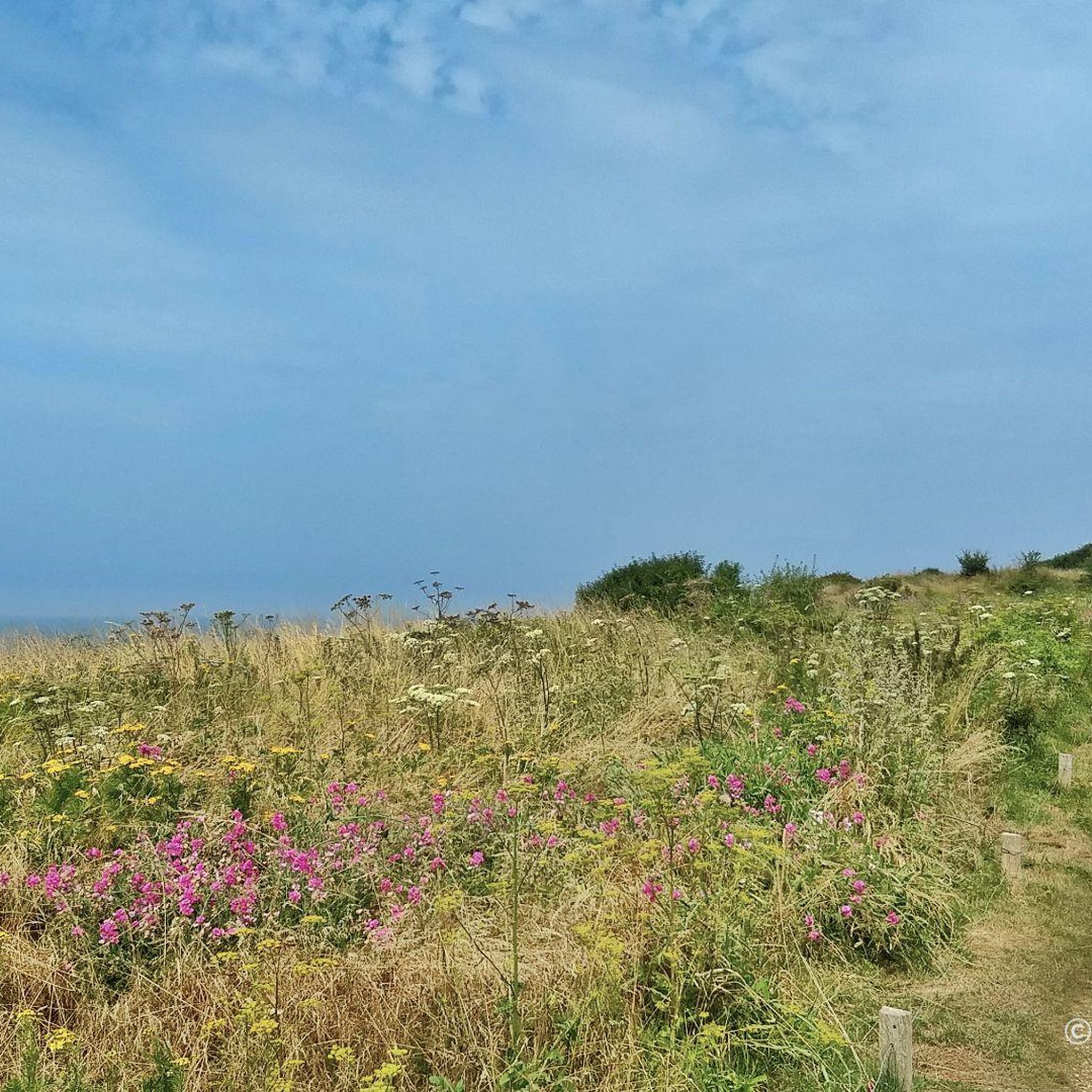


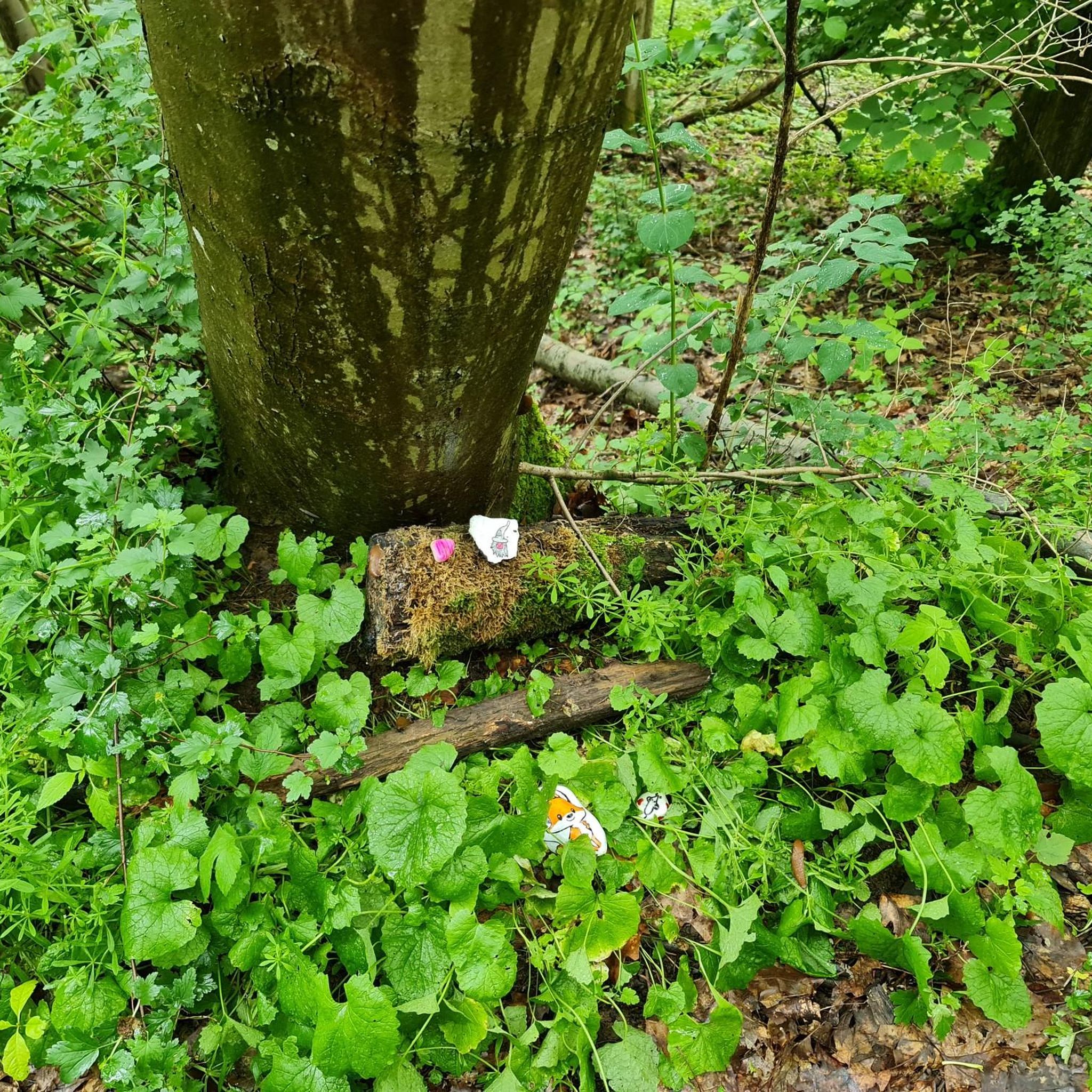

Tips from the Community

In addition to a remarkable sanctuary from the late 13th and early 14th centuries, the church houses an 18th-century polychrome wooden statue of Saint Sebastian.
2
0

Saint Valery is the monk Walaric who is said to have celebrated baptisms to the north of the village, near a spring. He was nicknamed the evangelist of the cliffs for having been the first missionary on the Channel coast in the 7th century. At the beginning of the 12th century, Guillaume Malet de Graville donated the Saint-Valery church to the monks of the Graville priory. On September 10, 1944, the village of Fontaine-la-Mallet was 99% destroyed during Operation Astonia intended to liberate Le Havre. Placed under the aegis of the Ministry of Reconstruction and Urban Planning, the reconstruction of the town was implemented by architects who participated, in parallel, in the construction of the city center of Le Havre. The church was entrusted to the architect Serge Zoppi. The first stone having been laid on October 25, 1954, the church, which is distinguished by its 31 m high concrete spire in the shape of wheat ears, was completed in 1957. The church has a single-volume nave preceded by a porch with a bell tower on the side. The building is traditional in its shape and regionalist style: the exterior facing is made of materials from the Pays de Caux (bricks and pebbles) while the design of the spire in the shape of wheat ears recalls local agricultural production. On the other hand, the use of reinforced concrete allows for the development of a modern aesthetic, of which the bell tower offers a remarkable example with its openwork lacework. Since November 26, 2001, the church, its presbytery, the staircase, the terrace and enclosure walls have been listed in the supplementary inventory of historic monuments.
0
0

For a wilderness running adventure, look no further than the Forêt de Montgeon, a 270-hectare park and recreation area in the city of Le Havre. You can admire the panoramic views of the lakes, forests and meadows, and discover the rich history and biodiversity of this ancient site. The park offers several trails of varying difficulty levels, from easy to difficult. You can also test your fitness on the fitness trail, a circuit dotted with exercise stations. Whether you want to run fast or slow, long or short, you will find something to suit your tastes and abilities in the Forêt de Montgeon.
2
0

Not to be confused with the forest of MontgeRon, in Essonne;)
0
2

The Forêt de Montgeon is one of the green lungs at the gates of Le Havre. It is home to an arboretum of conifers, beautiful ponds and unspoiled trails, where the people of Le Havre practice hiking.
2
0

Originally, Cauville-sur-Mer was divided into hamlets and localities organized into clos-hovels, such as Briquemare, Buglise, Chesnaie, Fleuritte, Marfauville and Tronquay. In 1823, Cauville was born from the merger of three municipalities, Rimbertot, Cauville and Buglise, by royal decree promulgated by King Louis XVIII. In 1913, at the request of the municipal council, the qualifier “sur-Mer” was added to distinguish the town from its namesake located in Calvados.
6
0
the Saint-Nicolas Church and its 17th century statues
6
0
The name of our town is of Gallo-Roman origin. In the 12th century, the village was called Hugleville, becoming Heugleville sur mer in 1484, then Eugville in 1763 and finally Heuqueville. Heuqueville retained a feudal mound near the church until the 19th century. Before the revolution, Heuqueville had a sea watch, in order to avoid any enemy intrusion via our coasts. The church, dedicated to Saint Peter, was built in several periods starting from the 16th century. We invite you to come and visit this church and the secrets found there. (Information at the town hall secretariat). https://www.heuqueville.fr/histoire-et-patrimoine
6
0
Frequently Asked Questions
What natural attractions can I explore near Manéglise?
The region around Manéglise offers stunning natural beauty. You can visit the dramatic Forêt de Montgeon, a large forest with an arboretum, ponds, and trails offering panoramic views. Just 16 km away are the iconic Falaises d'Etretat (Cliffs of Etretat), featuring natural arches like Porte d'Aval and Porte d'Amont. The wider Côte d'Alabatre (Alabaster Coast) also provides breathtaking coastal scenery.
Are there historical sites to visit in and around Manéglise?
Yes, Manéglise and its surroundings are rich in history. Within the commune, you can see the Romanesque Église Saint-Germain l'Auxerrois, dating back to the 11th and 12th centuries, and the Calvaire Vatinel. Nearby, explore the thousand-year-old Château du Bec, which showcases Louis XIII and regional Cauchois architectural styles. The Cauville-sur-Mer village features the historic Saint-Nicolas Church with 17th-century statues, and Saint-Jouin-Bruneval Church has a remarkable 13th-century sanctuary.
What outdoor activities are available near Manéglise?
The area around Manéglise is excellent for outdoor enthusiasts. You can find numerous routes for cycling, mountain biking, and hiking. For detailed routes and guides, check out the dedicated pages for Cycling around Manéglise, MTB Trails around Manéglise, and Hiking around Manéglise.
Are there family-friendly attractions near Manéglise?
Absolutely! The Forêt de Montgeon is a great option, offering trails and green spaces suitable for families. The Château du Bec, with its wooded park and ponds, also welcomes families to explore its historic grounds. The region's biodiversity trails and various hiking routes provide opportunities for outdoor family adventures.
Where can I find the best viewpoints around Manéglise?
For stunning views, head to the coastal areas. The village of Cauville-sur-Mer is situated at the top of cliffs, offering picturesque vistas. The Falaises d'Etretat, just a short drive away, are renowned for their dramatic white cliffs and natural arches, providing iconic viewpoints that have inspired many artists.
What kind of hiking trails can I find near Manéglise?
You'll find a variety of hiking trails, from easy walks to more moderate routes. The Forêt de Montgeon offers unspoiled trails with panoramic views. For more options, including routes like the 'Abbaye de Montivilliers – The Lézarde loop' or shorter 'Hiking loop from Notre-Dame-du-Bec', consult the Hiking around Manéglise guide.
What is the significance of the Église Saint-Germain l'Auxerrois in Manéglise?
The Église Saint-Germain l'Auxerrois is a significant historical landmark within Manéglise. This Romanesque church dates back to the 11th and 12th centuries, showcasing ancient architectural styles and providing a glimpse into the commune's rich heritage.
Can I visit the Falaises d'Etretat from Manéglise?
Yes, the famous Falaises d'Etretat are easily accessible from Manéglise, located approximately 16 km away. These dramatic white cliffs and natural arches, such as Porte d'Aval and Porte d'Amont, are a major draw and offer spectacular scenery.
What is special about the village of Cauville-sur-Mer?
Cauville-sur-Mer is a quiet village located at the top of cliffs, known for its Saint-Nicolas Church which houses beautiful 17th-century statues. It was formed from the merger of three municipalities in 1823 and offers a peaceful setting with coastal views.
Are there any notable castles or manors in the Manéglise area?
Yes, the area features historical estates. The Château du Bec is a prominent thousand-year-old castle surrounded by a wooded park. While the Manoir du Crucifix and Château des Hellandes in Manéglise are private properties, their historical presence adds to the region's rich heritage.
What is the Parcours du Patrimoine de Manéglise?
The Parcours du Patrimoine de Manéglise, or Manéglise Heritage Trail, is a suggested structured route designed to help visitors explore the historical and cultural highlights within the commune itself, offering an insightful walk through its past.
What is the best way to experience the local culture in Manéglise?
To experience the local culture, consider exploring the historical sites like the Église Saint-Germain l'Auxerrois and following the Parcours du Patrimoine de Manéglise. The region also hosts local events such as a weekly market, antique vehicle gatherings, art exhibitions, and a village festival, which provide insight into the local community.
Most popular attractions around Manéglise

Get inspired with the komoot mobile app


Explore more
Still not found the Highlight you’re looking for? See guides of the top attractions in other regions:
